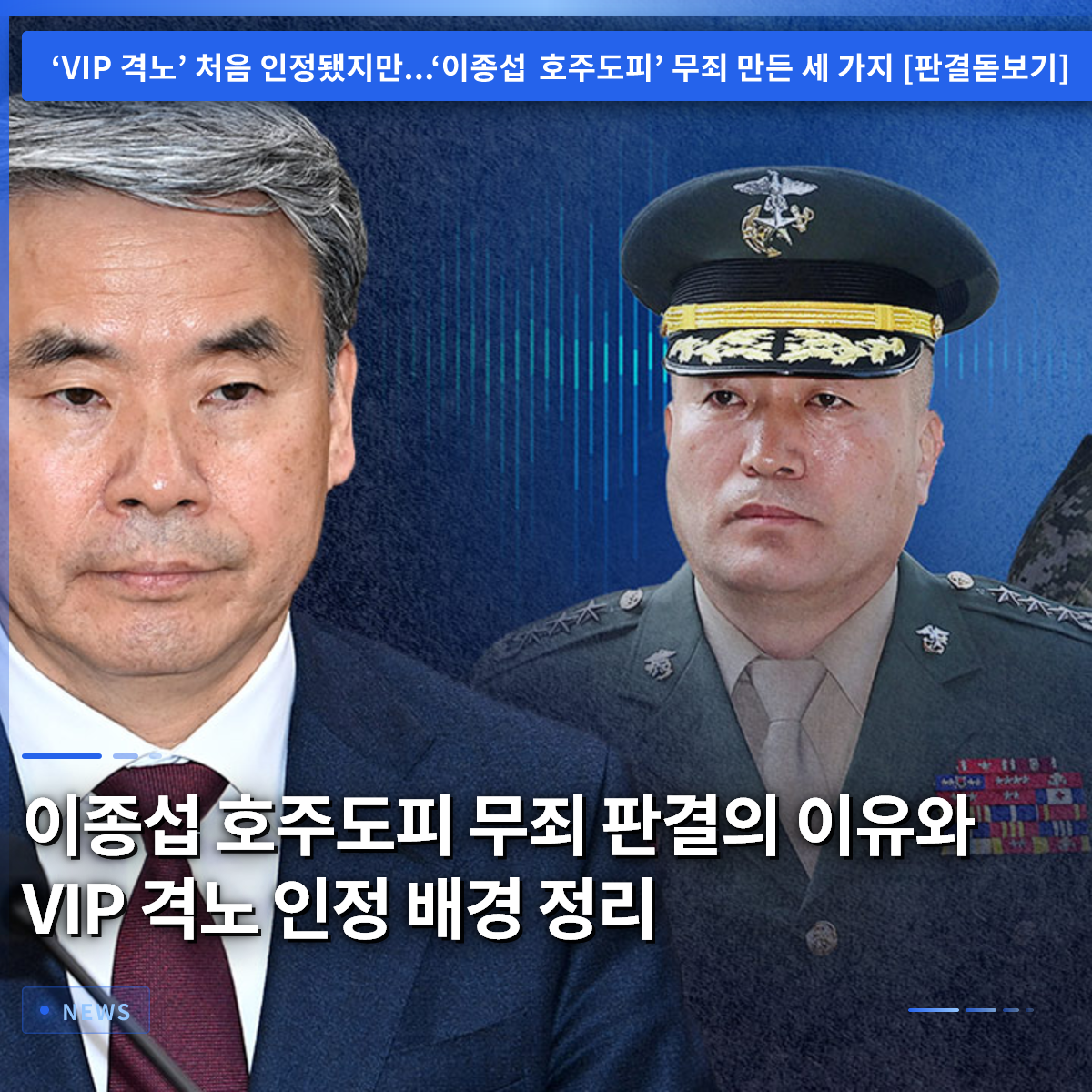
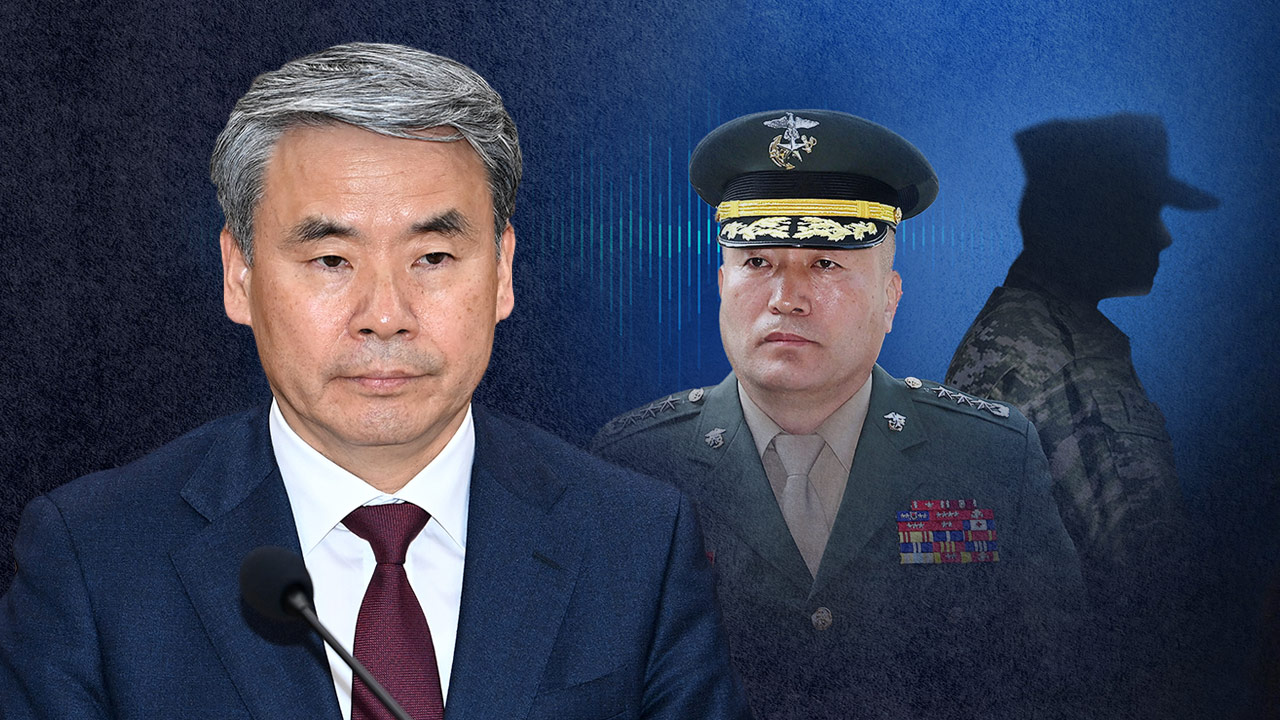
The appointment of former Minister Lee Jong-seop as Ambassador to Australia, a central figure in suspicions of external pressure on the investigation into the death of Marine Choi Sang-woo, has been ruled not guilty in the first-instance trial. While the court officially acknowledged for the first time that former President Yoon Suk-yeol was furious, it acquitted the defendants of the charge of harboring a criminal filed by the special prosecution team. Many people are curious about why such a legal judgment was rendered. In this article, we will thoroughly examine the three decisive reasons for the not-guilty verdict based on the judgment document. By reviewing the overall flow of the case and the court’s logic, we can clearly understand the judiciary’s criteria for judgment. From here, we will organize the complex trial process in an easy-to-understand manner.
=
Reasons for the Not Guilty Verdict on Lee Jong-seop’s Alleged Flight to Australia and the Background of the Court’s Acknowledgment of the President’s Fury
1. The Start of the Controversy Over the Flight to Australia and the Background of the Special Prosecutor’s Indictment
The appointment of former Minister Lee Jong-seop as Ambassador to Australia sparked intense social controversy from the moment it was announced. The fact that a key suspect in the suspicions of external pressure on the investigation into the Choi Sang-woo incident was appointed as ambassador to a major country was a huge shock. Suspicion grew further when it was revealed that he had passed the personnel verification despite an existing travel ban. The circumstances suggesting that the Ministry of Justice lifted the travel ban despite opposition from the investigative agency were enough to turn suspicion into conviction. As the controversy became uncontrollable, the former minister returned to Korea just ten days after his appointment, citing the need to attend a meeting as the reason. Ultimately, he had to go through the disgraceful resignation process just 25 days after taking up his post. This process was enough to leave the public with a strong impression of a so-called “fleeing ambassador.” The opposition and civil society strongly criticized this as clear evidence destruction and a flight to evade investigation. The Lee Myung-hyun Special Prosecution Team characterized this incident as an act of harboring a criminal at the regime level and launched a full-scale investigation. The special prosecutor indicted former President Yoon Suk-yeol and six high-ranking officials from the Ministry of Foreign Affairs and the Ministry of Justice in one go. The special prosecutor’s view was that the president had diverted his subordinate abroad to block his own investigation, and that the relevant ministries had actively participated in this. However, the judiciary’s judgment unfolded in a direction completely different from the special prosecutor’s claims.
The appointment of former Minister Lee Jong-seop as Ambassador to Australia raised suspicions of evading investigation, and the special prosecutor indicted him for harboring a criminal.
2. First Ground for Acquittal: Lack of Substantive Investigation by the CIO
The first reason the first-instance court ruled the charge of harboring a criminal not guilty was that the initial investigation by the Corruption Investigation Office for High-ranking Officials (CIO) was very inadequate. The court pointed out that although the former minister had been reported to the authorities, no substantive investigation had taken place until the appointment process began. For the crime of harboring a criminal to be established, the president must have clearly recognized the subject as a criminal or someone facing a concrete risk of punishment. However, the court determined that the situation at the time was far from meeting these prerequisites. The court explained that summoning for investigation was not even mentioned until the final personnel verification was completed. In fact, the former minister only went to the CIO on his own to be investigated on March 7, 2024, after the ambassadorial appointment was officially announced. Therefore, around November 2023, when former President Yoon ordered the appointment, he likely only had an abstract perception of him as a figure who had been reported and was controversial. The court emphasized that even after the former minister returned to Korea, the CIO did not conduct intense summoning investigations or searches and seizures. In such a situation, the court stated that there was insufficient evidence to prove the intent that the president was trying to directly obstruct the investigation. Ultimately, it was concluded that it is difficult to view an appointment made while specific criminal charges were not yet confirmed as an act of harboring a criminal.
It is difficult to recognize the intent to harbor a criminal because no specific investigation into Lee Jong-seop was underway when the president ordered the appointment.
3. Second Ground for Acquittal: The President Was Unaware of the Travel Ban
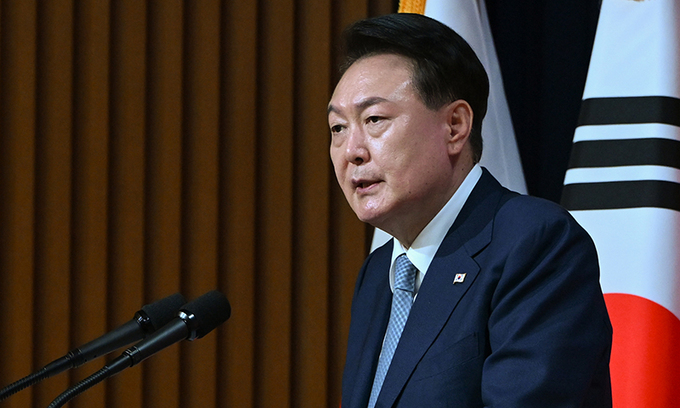
The second decisive ground for the court’s acquittal was that former President Yoon was completely unaware of the fact that a travel ban had been imposed. The fact that the CIO had imposed a travel ban on the former minister was first revealed to the public through media reports the day after the ambassadorial appointment was announced. The court determined that the president and other government officials first learned of this fact through media reports. Although the special prosecution team argued that the presidential office knew about the travel ban situation during the personnel verification process, the court did not accept this. The court noted that rumors about the former minister’s nomination as Ambassador to Australia had been widely reported in the media around September 2023. If the Ministry of Justice had communicated closely with the presidential office and discussed extending the travel ban, it would have been difficult for a measure contrary to the president’s will to be maintained. If the president had known about the travel ban in advance, the crime of harboring a criminal could be established if he ordered the appointment with the purpose of nullifying the ban. However, the court explained that it is an overreach to immediately label a personnel order made without knowledge of all these facts as having the purpose of harboring a criminal. Ultimately, the lack of communication and information blockage within the executive branch acted as an important ground for the not-guilty verdict.
Since the president ordered the appointment without knowing about Lee Jong-seop’s travel ban, the purpose of obstructing the investigation cannot be definitively established.
4. Third Ground for Acquittal: Appointment as Ambassador Is Not Harboring a Criminal
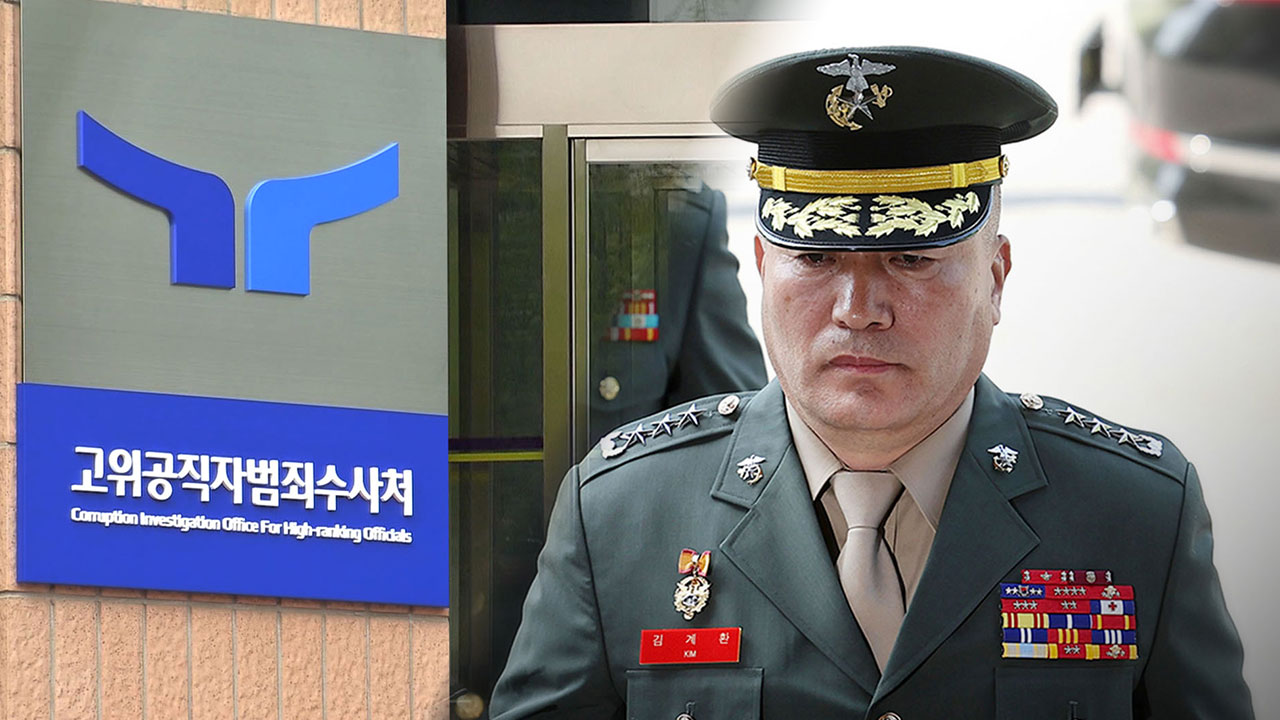
Finally, the court viewed that being appointed to an overseas ambassadorial post itself does not constitute an act of concealing the whereabouts of a criminal. The logic is that going abroad as an ambassador does not mean one becomes completely unable to be investigated by domestic investigative agencies. Even with diplomatic status, one can return to the country at any time if necessary to respond to investigations, and the former minister actually acted this way. For the crime of harboring a criminal to be established, the criminal must be hidden in a physical location where it is very difficult to avoid investigation or trial. However, the procedure of officially taking up a post as a state diplomat is completely different in nature from the act of secretly hiding a person. The court pointed out that due to the public status and identity of an ambassador, their whereabouts are actually easier and more transparently tracked. Unlike a fugitive living in hiding, a diplomat’s official schedule and movements are thoroughly recorded by the government anywhere in the world. Therefore, the court stated that evaluating such an official personnel appointment as a means to divert a criminal is legally incorrect. The special prosecutor immediately expressed their intention to appeal, stating that this judgment ignored the essence of the entire case. However, the strict legal interpretation of the first-instance court demonstrated how difficult it is to prove criminal intent in criminal trials.
The court judged that going abroad with official diplomatic status cannot be viewed as an act of concealment or harboring a criminal.
5. The Special Prosecutor’s Rebuttal and Issues for the Upcoming Appeal

Upon the first-instance court’s not-guilty verdict, the Lee Myung-hyun Special Prosecution Team immediately objected and filed an appeal. Through an official statement on the 17th, the special prosecutor stated that it is impossible to accept this judgment, which completely missed the essence of the entire case. In particular, while acknowledging the fact that former President Yoon was furious upon receiving the report on the Choi Sang-woo incident, they pointed out that denying the purpose of harboring a criminal is contradictory. It is expected that the appellate court will focus its investigative efforts on proving the causal relationship between the president’s fury and the appointment of Ambassador Lee Jong-seop. Legal experts predict that the secret inner workings of the personnel verification process will once again be a subject of fierce debate in the second-instance trial. The special prosecution team is preparing to submit reinforced records and testimonies from the presidential office, the Ministry of Justice, and the Ministry of Foreign Affairs to the appellate court. On the other hand, the defense side is expected to maintain the first-instance logic and emphasize the legitimacy and legality of the power of appointment. Given the massive political impact of this case, the final result of the appeal will draw a significant line in the judicial history of South Korea. The public is also watching closely, viewing this case as an important gauge for measuring the boundary of abuse of power, going beyond a simple diplomatic appointment.
The special prosecutor appealed the judgment, and the connection between the president’s fury and the appointment will be re-examined in the second instance.
6. The Meaning and Outlook of This Verdict for Our Society
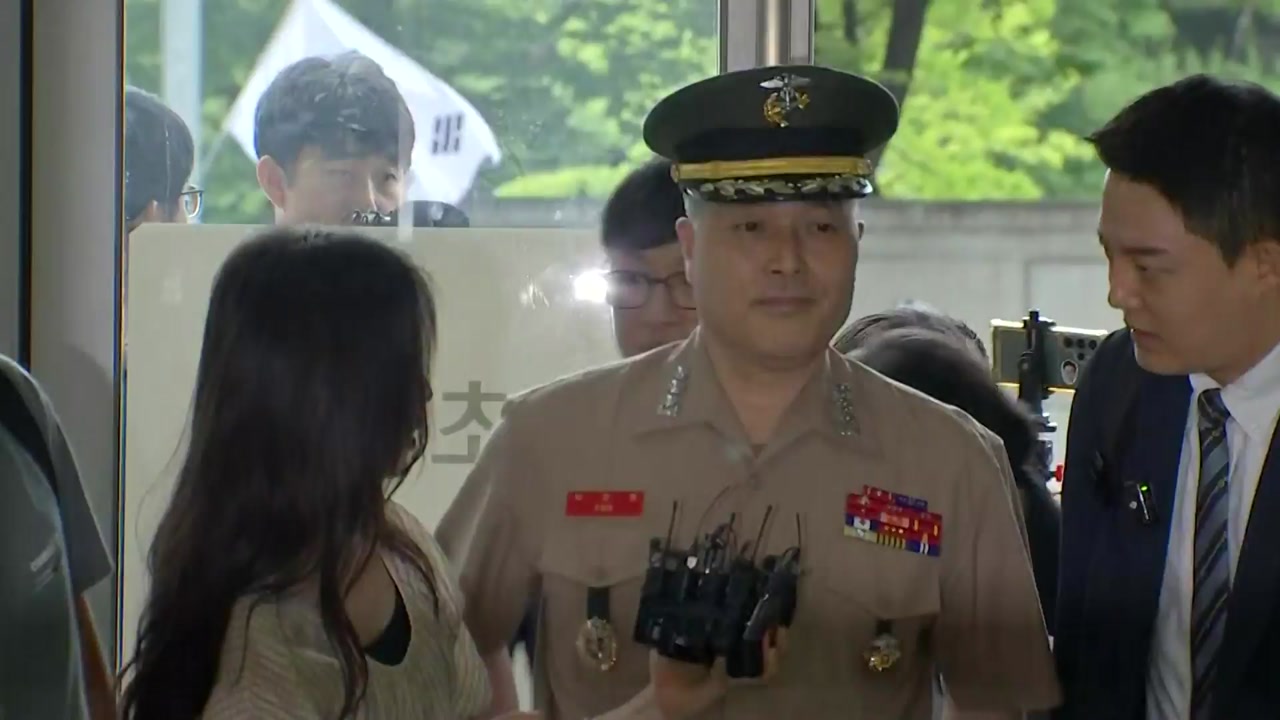
This first-instance verdict regarding former Ambassador Lee Jong-seop has left many homework assignments regarding the boundary between power-based appointments and judicial justice. The fact that the core issue of the “VIP’s fury” was officially confirmed for the first time through judicial proceedings holds great historical significance. However, the judiciary’s judgment that this does not directly lead to the legal crime of harboring a criminal shows the gap between law and reality. In the upcoming appellate trial, fierce legal debates will unfold over the weight of intent and the burden of proof. Readers are also asked to calmly review the detailed logic of this verdict and consider the true meaning of judicial justice together. Regardless of political pros and cons, it is most important to create a society where the yardstick of law is applied fairly and transparently. We must keep a close eye on the progress of related trials to monitor whether our society’s democratic system is functioning correctly. We hope this will be an opportunity for the two values of exercising the power of appointment for public officials and guaranteeing the independence of investigations to be in harmony. Transparent information disclosure and strict law enforcement are the only way to restore public trust. We expect that the substantive truth will be fully revealed in the remaining trial process and that a verdict consistent with common sense will be rendered.
The verdict highlights the difficulty of proving legal intent, and the truth is expected to continue to be clarified through the upcoming appeal.
Frequently Asked Questions
=