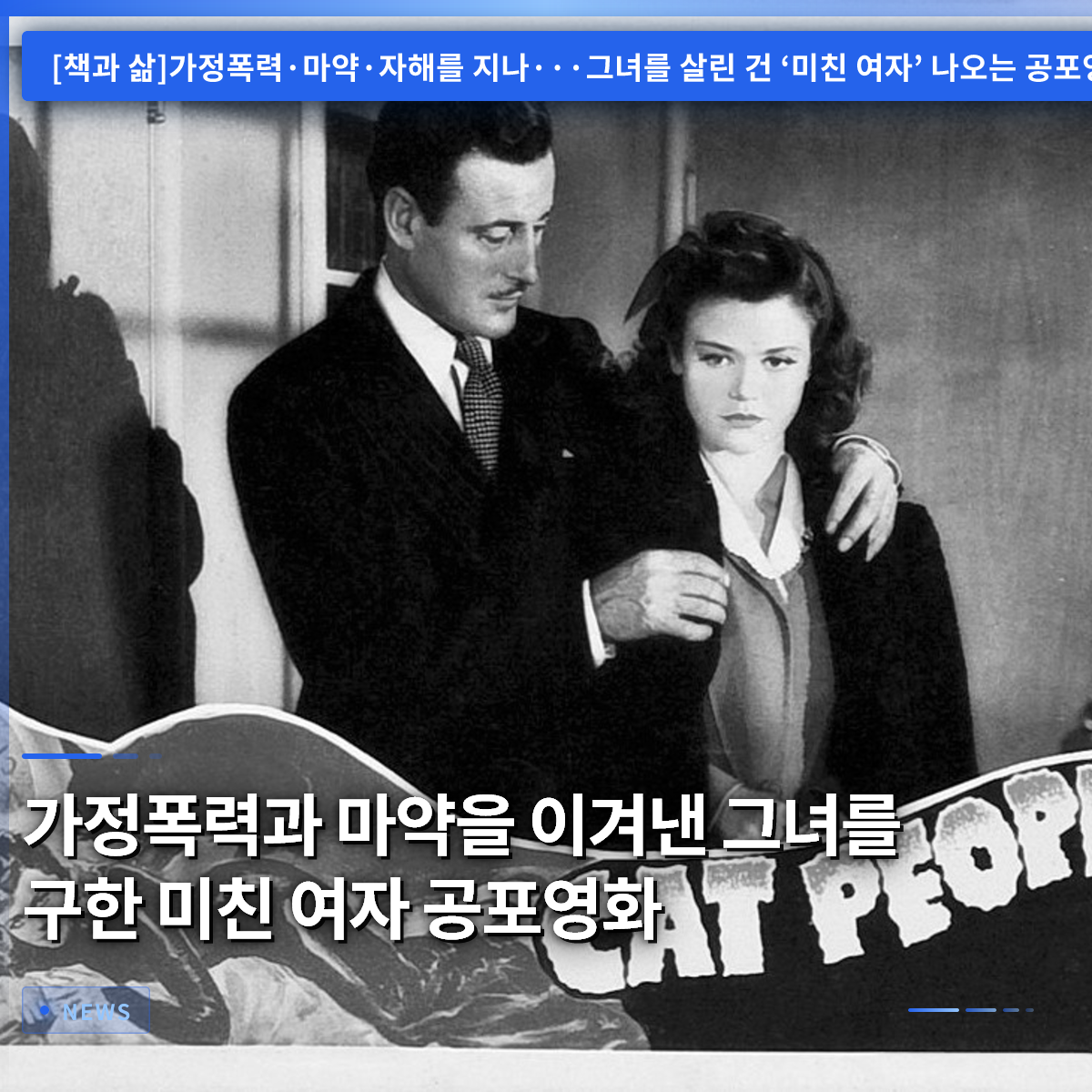
After a dark past marred by domestic violence and drugs, what kept her going was nothing other than horror films featuring mad women on the screen. Born in a remote city in Canada, the author spent a suffocating adolescence amidst adoption, running away from home, and the scars of horrific self-harm. While her friends tragically left this world one by one, she survived, working at a video store where she was destined to encounter cinema. The hysterical women she found on the screen to escape her tragic reality soon became her mirror and her only refuge. The turbulent journey of a woman who survived by absorbing the world’s prejudice and deep wounds with her whole body resonates deeply with many. From this moment, we will delve into the moving story of how she healed her wounds through film and walked out into the world.
=
The Madwoman Horror Films That Saved Her from Domestic Violence and Drugs
1. A Hellish Adolescence and a Fateful Encounter with Cinema
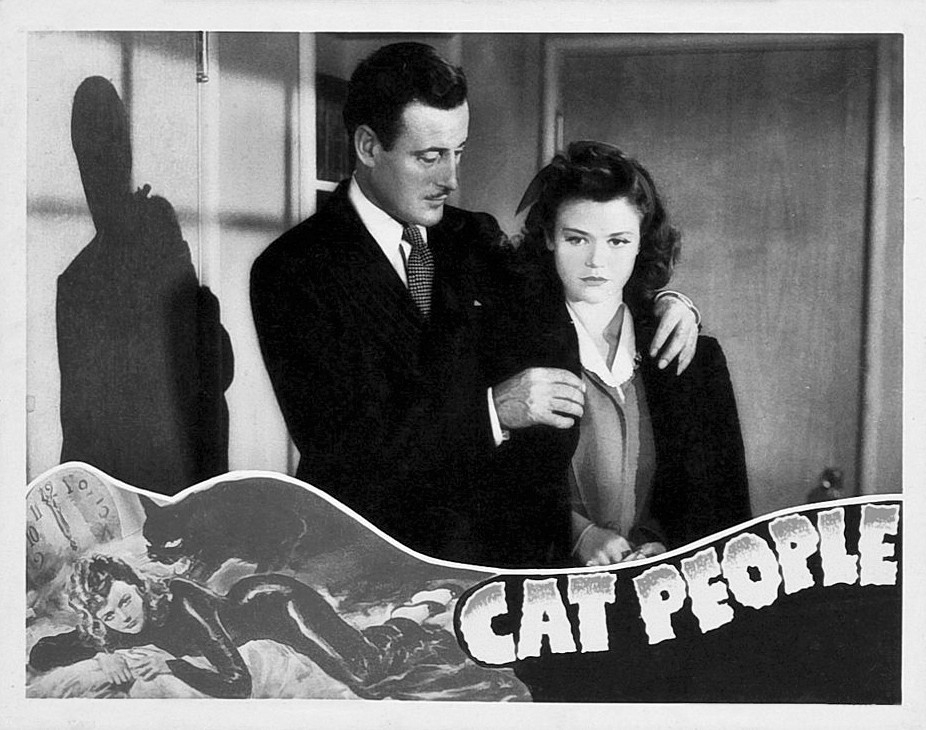
The author’s life, born in the isolated city of Winnipeg in central Canada, was a thorny path from the start. Witnessing the horrific scene of her stepmother being raped, her childhood plunged into uncontrollable terror. She experienced domestic violence, frequent runaways, drugs, theft, and horrific self-harm, suffering from nightmares every night. It was not uncommon for her peers to lose their lives or fall into ruin, making her survival itself a near-miracle. In that hellish environment, the only place she could breathe was the small indie video store in her neighborhood. The world within the videotapes was a magical space that allowed her to temporarily forget the pain of reality and her only refuge.
She took on the adventure of self-publishing a horror fanzine and renting a shabby porn theater to screen horror films. This process was more than just a hobby; it was a desperate struggle to communicate with the world and prove her existence. Watching films became a therapeutic process of deeply exploring the wounds of oneself and others, rather than mere entertainment. Had she not encountered film at the end of despair, she might not exist in this world today. Here lies the most powerful evidence of how a wounded soul can find salvation through art.
In the whirlwind of hellish domestic violence and drugs, the video store and horror films were the author’s only lifeline for survival.
2. The Birth of the Vast and Unique Book: The House of Mad Women
The first of her works introduced in Korea is a book of a highly unique form that weaves together her turbulent life story and film criticism. The thickness of the book is as immense as the weight of the life she has lived, enough to overwhelm readers. After closing the main text while mourning her mother’s death, an appendix of equally vast volume solidly fills the back of the book. Titled “Compendium of Female Neuroses,” the appendix compiles works featuring women suffering from mental disorders or neuroses. It meticulously excavates and introduces not only horror genres but also various exploitation films dealing with sensational subjects. From the Korean representative work “The Story of Park Ki-woong” to various indie and commercial films, they appear in every corner of the book.
She does not hide her painful wounds, projecting them onto the characters in the films to convey candid impressions to readers without reservation. She confesses that she experienced catharsis by feeling a sense of control over the uncontrollable terror of death through film. Her confession that she found solace in the hysterical patients treated as madmen in films is paradoxically very rational and persuasive. This book is more than a collection of film reviews; it is a warm yet rough letter of comfort offered to those struggling in the depths of life. This masterpiece, infused with vast materials and intense thought, newly proves the artistic value possessed by horror films.
An epic combining the author’s turbulent life and horror film criticism centered on neurotic women has seen the light of day.
3. The Fatal Charm of Niche B-Movie Horror Films

The films discussed in the book include not only widely known masterpieces but also numerous niche works that even film buffs find unfamiliar. While she covers works by masters like David Cronenberg and Michael Haneke, she shows greater affection for films by auteurs like Abel Ferrara and Mario Bava. Her eye for excavating B-movie horror or exploitation films made with sensational subjects and low budgets is remarkably sharp. Countless films with unfamiliar names meet the author’s vivid writing, unfolding before the reader’s eyes like a single painting. She does not avoid dangerous works prone to controversy over misogyny but confronts them head-on, dissecting the human nature contained within.
Even within controversial direction that sometimes invites criticism, she interprets the desperate hardships endured by female protagonists as a will to survive. For example, she reinterprets a film with a shocking narrative involving gangsters as a twisted love story and a desperate survival tale. She views the humiliation and disgrace suffered by the protagonist not as simple victimhood, but as evidence of a soul that never breaks. This unique perspective offers readers a fresh shock, allowing them to view uncomfortable films from an entirely different angle. Films that had been hidden in the shadows of the niche genre are reborn, through the author’s hands, as a light that saves wounded people.
It uncovers the hidden value of niche B-movie horror films and reinterprets them with a unique perspective, providing deep emotion.
4. Deep Resonance with Female Characters in Korean Cinema
Surprisingly, the author deeply covers Korean controversial works, showing herself confronting her inner self intensely. Mentioning works like Kim Ki-duk’s “Bad Guy,” she interprets the humiliation suffered by the female protagonist, Sun-hwa, from the perspectives of survival and subjectivity. She discovers evidence of unbreakable will in the act of leaving the brothel and setting out on the road despite all hardships. The deep empathy and insight that only an author who has directly experienced unconventional, destructive relationships stand out. In addition, she sharply analyzes the neuroses experienced by female characters in various Korean horror and thriller films.
The screams of the women in the films and their suppressed situations exactly matched the afterimages of the violence and pain the author had experienced since childhood. Paradoxically, the sight of characters going mad on the screen comforted the author, who had exerted all her strength to hold on without going mad in reality. It is an interesting point to see how the unique sorrow and sentiment of Korean cinema connect with the destructive horror genre of the West. One witnesses a moment where wounded souls across borders engage in deep conversation through the medium of art. This analysis also provides fans of Korean cinema with a precious opportunity to appreciate their works from a completely different perspective.
She drew deep empathy by aligning the hardships of female characters in Korean films, such as “Bad Guy,” with her own life.
5. The Truth of Comfort and Catharsis Provided by Horror Films
People often dismiss horror films as a trivial genre that consumes cruel and unpleasant stimuli. However, for the author, horror films were the only shield that could tame the uncontrollable terrors of reality for a while. Humans are powerless before the absolute threat of death, but the horror reproduced in film is refined and safely consumed. When women labeled as madmen scream on the screen, audiences finally release their hidden anger and sadness. The desperate struggles of hysterical patients extend a powerful hand of solidarity to those groaning under the absurdity of reality.
Horror films are not merely scary entertainment but a mirror reflecting the darkest depths of the human interior. The reason why wounded people are drawn to sensational genres is that their own image is truthfully contained within them. The screams bursting out from rough, crude screens are the most candid confession that wounded people shout to the world. This book clearly proves how deep a psychological healing function horror films can perform. Ironically, witnessing the pain of others in the darkness of a movie theater is the warmest act of comforting our own wounds.
The image of hysterical women in horror films provides powerful catharsis to those enduring the uncontrollable reality.
6. A Cinema Paradiso for All the Wounded
Ultimately, this vast work is a tearful Cinema Paradiso completed by one person passing through a hellish life. Without horror films featuring mad women, the author would not have survived the swamp of that brutal adolescence. Her attitude of not turning her back on wounds but confronting them head-on and sublimating them through the power of art serves as a model for many. Countless marginalized people around us are desperately searching for something to save themselves in their own way. This book tells those who have lived bizarre lives that cannot be understood by the world’s standards that they are not alone.
In the future, we must pay deeper attention to the healing power of art and the true value contained in niche culture. The author’s courage to not be ashamed of her wounds but to use them as artistic nourishment possesses a strong vitality that transcends eras. If life suddenly feels too heavy and burdensome tonight, how about turning on a rough horror film? The image of someone wailing on the screen might unexpectedly embrace your weary heart most tenderly. I sincerely hope that all wounded souls in the world can confidently breathe in front of the screen while searching for their own salvation.
Horror films are a Cinema Paradiso that saves the wounded and give us all the strength to endure life.
Frequently Asked Questions
=