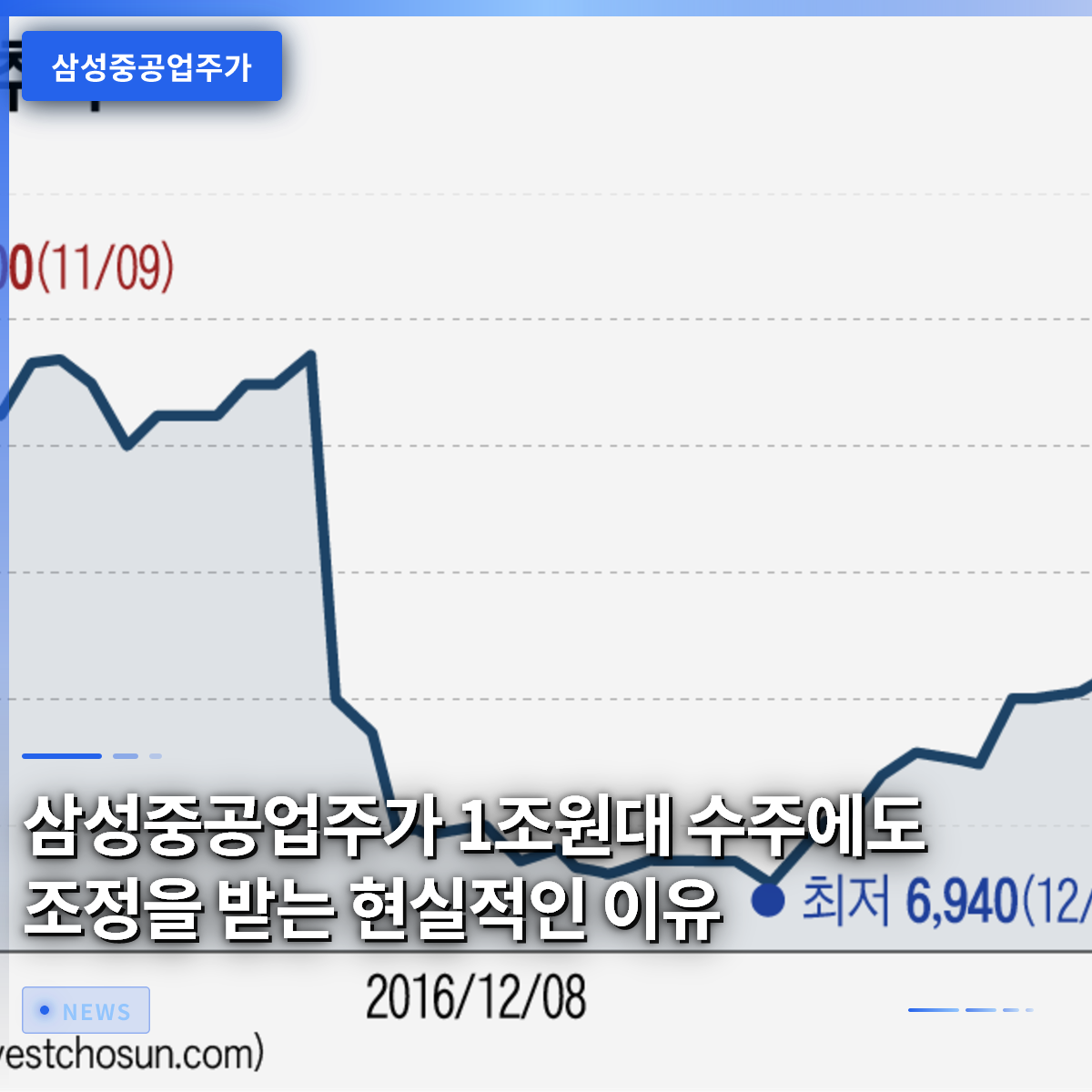
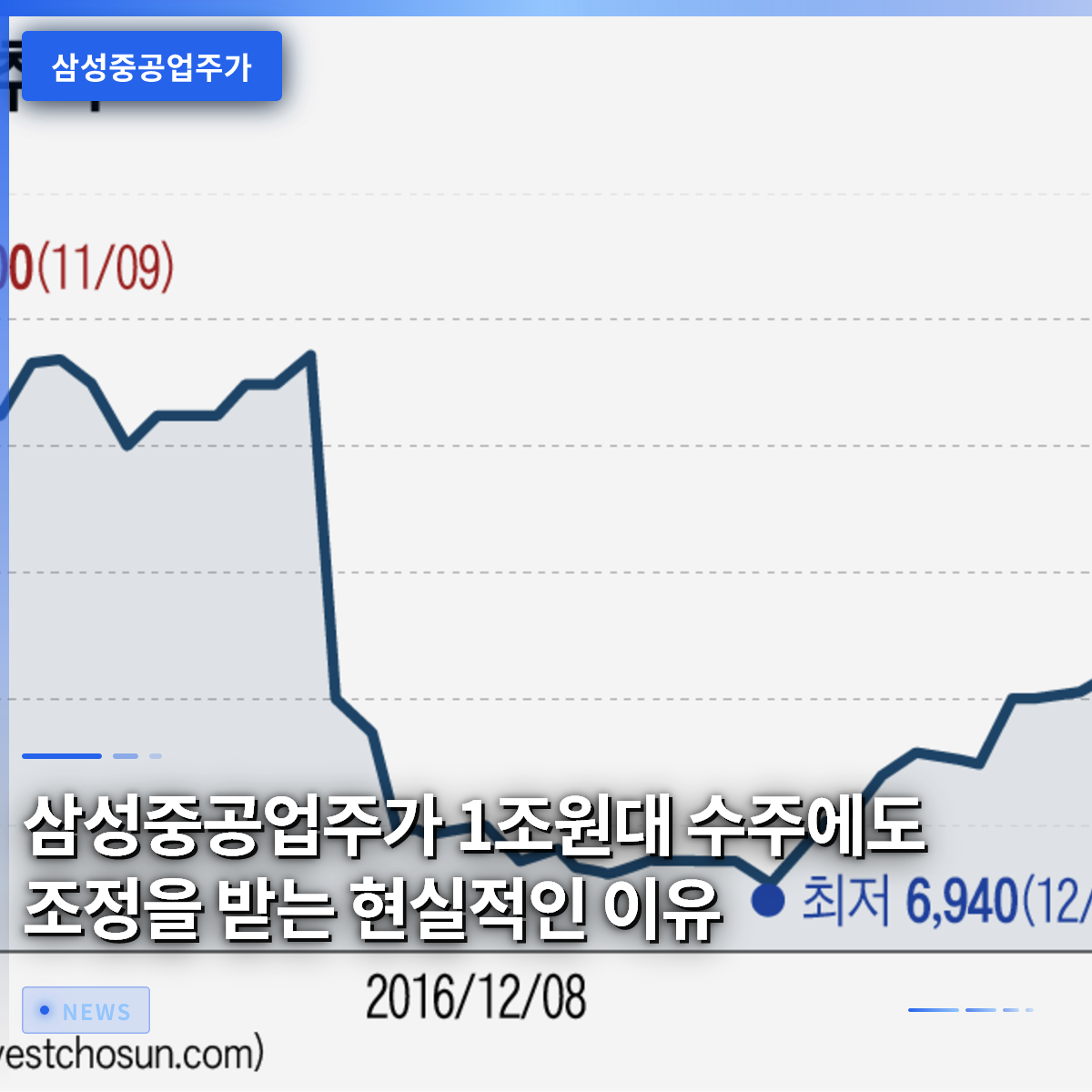
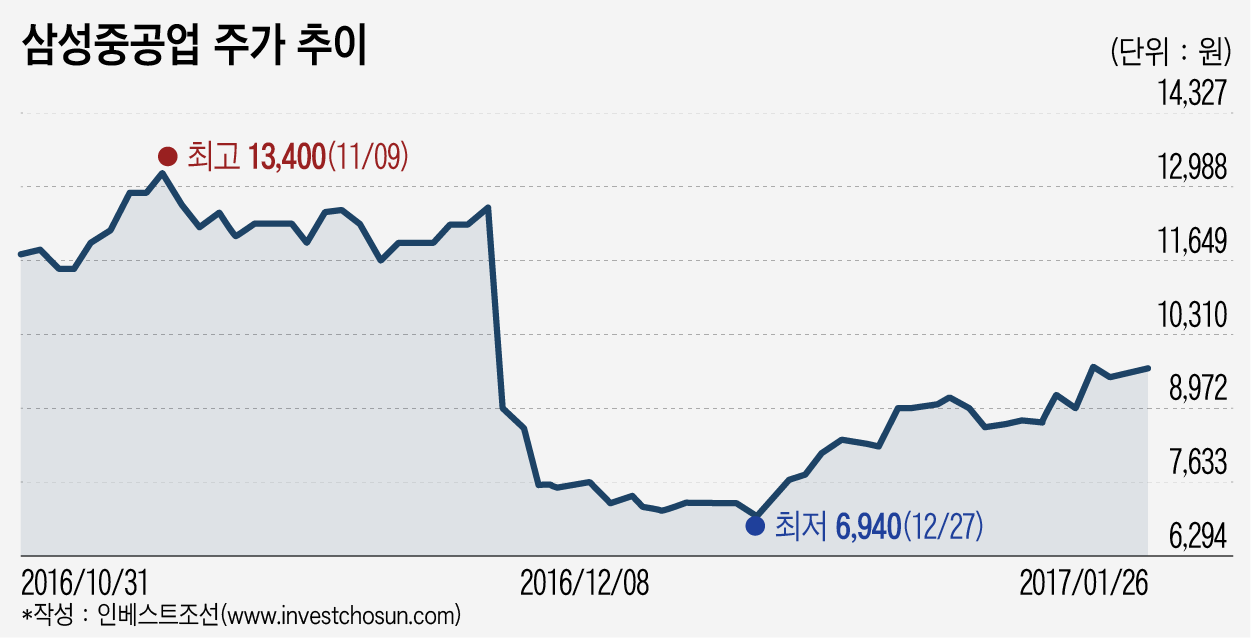
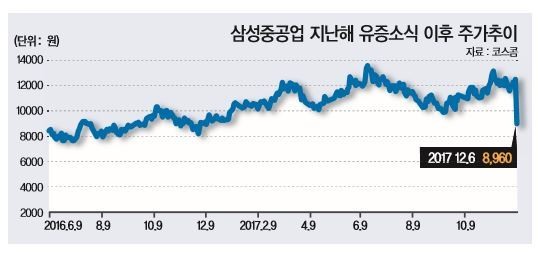
Despite recently receiving news of large-scale orders worth over 1 trillion won, Samsung Heavy Industries stock has actually declined slightly, leaving investors puzzled. On September 15 and 16, major Korean shipbuilding stocks in the domestic stock market showed simultaneous weakness. This was largely due to the heavy impact of short-term profit-taking selling following the stock’s steep rise. Many individual investors who expected the stock price to soar immediately upon the positive news are now visibly frustrated by the consecutive declines. While the accumulated burden of the stock price rise is being released through selling, creating a temporary pause in the market, securities reports still predominantly view the shipbuilding industry positively. In this article, we will carefully examine the specific reasons why Samsung Heavy Industries stock is taking a breather despite the good news and what trends can be expected in the future. We aim to provide a practical perspective so that readers can make calm judgments without mistaking this stock correction for a simple negative event.
=
The Realistic Reason Why Samsung Heavy Industries Stock Is Correcting Despite Trillion-Won Orders
1. The Irony of Order News and Stock Decline
1. The Irony of Order News and Stock Decline
The fact that Samsung Heavy Industries stock closed lower immediately after the good news of signing a massive ship order contract worth over 1 trillion won well illustrates the harsh nature of the stock market. Despite announcing large-scale orders just a few days prior, the stock price dropped by nearly 2% to 6%, aligning with the typical market phenomenon of “buy on rumor, sell on news.” Since expectations for the orders were already priced into the stock, investors were eager to realize their profits when the actual contract news broke. Cheo-su, a member of a local stock investment club, admitted that he cheered and bought more shares as soon as he saw the order announcement, only to be greatly surprised when the stock price plummeted the next day. Like this, when major positive news breaks, individual investors often join the buying frenzy out of excitement, while institutional or foreign investors frequently use the opportunity to offload their accumulated holdings. The fact that Samsung Heavy Industries stock showed short-term weakness does not mean the company’s fundamentals or competitiveness have been damaged, so there is no need to sell impulsively based on emotion. On the contrary, the fact that the company is faithfully executing its core business and steadily accumulating work orders should be interpreted as a very positive signal from a long-term perspective. Stock prices do not rise vertically; they need periods of rest to build the energy required to leap to even higher levels.
💡 Key Point The stock price decline despite large-scale order news is due to profit-taking selling, as expectations were already reflected in the price.
2. Sector-Wide Correction Trends in Shipbuilding
2. Sector-Wide Correction Trends in Shipbuilding
It is important to note that not only Samsung Heavy Industries, but also major domestic shipbuilders like HD Hyundai Heavy Industries and Hanwha Ocean, experienced simultaneous corrections. In mid-September, as the KOSPI market attempted a rebound driven by the strength of semiconductor-related stocks, capital began shifting to other sectors. Shipbuilding stocks had played a leading role in the market by drawing a steep upward curve over the past few months, leading to significant accumulated fatigue. Securities market analysts unanimously explain that it is a natural process for a specific sector that has dominated as a leading sector for a long time to undergo a digestion phase. Young-hee, a stock expert living nearby, hinted that after seeing a brokerage analysis stating that shipbuilding stocks had reached near their peak, he reduced his position slightly and wisely avoided this recent drop. In a situation where the entire shipbuilding sector is taking a breather, it is crucial to observe the macro supply and demand environment and overall market capital flows more carefully than individual company news. The fact that stock movements are similarly linked with other shipbuilders proves that this is a healthy correction process for the entire sector, not an individual negative event for Samsung Heavy Industries.
💡 Key Point A simultaneous correction has occurred across shipbuilding stocks due to accumulated upward fatigue and capital shifts.
3. Fundamentals Backed by Earnings and Orders
3. Fundamentals Backed by Earnings and Orders
The decisive difference between Samsung Heavy Industries stock and past theme-driven rallies is that solid earnings and actual order backlogs are now firmly supporting the stock price. During past shipbuilding booms, stock prices would fluctuate wildly based on vague expectations, but now high-value LNG carriers and floating offshore facilities are driving performance. In fact, reviewing the company’s financial statements reveals clear improvements in revenue and operating profit, and with work orders secured for several years, stability is very high. Min-su, who has held shipbuilding stocks for three years in an office worker community, said that while he used to feel anxious because order news didn’t translate into earnings, he feels secure now seeing the actual results. This structural improvement plays a decisive role in creating a strong downside support line, even if the stock price temporarily drops. No matter how much short-term selling pressure emerges, if the company’s earning power is robust, the stock price will inevitably return to its intrinsic value and move upward.
💡 Key Point Unlike past expectation-driven markets, current solid earnings and order backlogs serve as a reliable shield for the stock price.
4. Future Stock Outlook and Investment Strategy
The factors making the future outlook for Samsung Heavy Industries stock bright remain valid, and there are signs of movement to utilize this correction period as an opportunity for low-price buying. As the second half of the year approaches, the possibility of additional large-scale offshore plant contracts is being raised, and the proportion of high-value-added shipbuilding is expected to expand further. From an investor’s perspective, the most critical part is avoiding the mistake of panic-selling precious shares at a low price due to short-term stock declines. Veteran investors with long experience do not fear corrections; instead, they exercise wisdom by verifying whether the company’s intrinsic value remains unchanged and adjusting their positions accordingly. It is regrettable to see people around us sighing daily just by looking at stock charts; if the company is receiving good work orders and making money, patience is required. By utilizing a split-buying strategy to accumulate shares as the price gradually drops, investors can secure a more advantageous position in future upward trends.
💡 Key Point Treat short-term corrections as buying opportunities and respond with confidence in the trend of earnings improvement centered on high-value-added ships.
5. Key Points Individual Investors Must Remember
When reading articles or blog posts about Samsung Heavy Industries stock, an investment attitude that sticks to one’s own principles without being swayed by rumors is most important. Especially when someone shouts about a crash or urges immediate selling, it is crucial to calmly re-examine the company’s order details and earnings outlook. This is why contrarian investing, which acts against the crowd’s psychology, often yields significant results in the stock market. In reality, long-term investors who select good companies and patiently hold them achieve much higher returns than investors who trade daily based on news reactions. To prevent panic selling, it is an excellent method to write down your investment criteria and read them whenever the stock price fluctuates. The courage to calmly watch and believe in the company’s value when others are selling in fear is the key to completing a successful investment.
💡 Key Point It is essential to maintain an attitude of believing in your own investment principles and the company’s value, rather than being shaken by others’ rumors.
6. Final Advice for Successful Shipbuilding Stock Investment
Samsung Heavy Industries stock will continue to experience volatility, both large and small, depending on global shipping conditions, order news, and overall stock market supply and demand. However, the prevailing view is that the massive trend of the shipbuilding industry entering a structural supercycle is unlikely to change easily. It is wise to focus on long-term growth potential rather than worrying about short-term stock fluctuations and to approach investments with spare capital. Please mark upcoming additional order news and earnings release dates on your calendar and consistently track the company’s growth process. We sincerely hope you achieve successful results in shipbuilding stock investment based on thorough analysis and an unshakable mindset.
💡 Key Point Investment with a long-term perspective and a calm mindset is required, believing in the long-term boom in the shipbuilding industry.
Frequently Asked Questions
Why did Samsung Heavy Industries stock fall despite news of trillion-won orders?
This is because short-term profit-taking selling poured out in a state where order expectations were already reflected in the stock price, compounded by capital shifts within the KOSPI market and accumulated upward fatigue across the shipbuilding sector.
How long will the weak trend across shipbuilding stocks last?
The short-term pause may continue for a while depending on supply and demand conditions, but excessive worry is unnecessary as the sector’s overall fundamentals and order backlogs are solid.
Is it okay to make new or additional purchases at this point?
Since the company’s trend of earnings improvement and competitiveness in high-value-added ship orders remain valid, a strategy of treating the correction as a low-price buying opportunity and approaching it in splits is effective.
What is the most important core driver for the stock price going forward?
Sustained ship and offshore plant order performance and the increasing trend of operating profits reflected in actual financial statements will act as the strongest drivers for stock price growth.