To get straight to the point, pension savings insurance is highly stable, but when inflation is taken into account, its actual asset growth effect may fall short of expectations. There are countless cases where people, urged to sign up unconditionally for retirement preparation, later feel disappointed after seeing the actual returns. From products sold in the past to recent ones, the low interest rates hidden behind the advantage of “fixed interest rates” can become a threat to living expenses after retirement. If you are an employee who has been enjoying substantial tax deduction benefits during year-end tax settlements every year, you must carefully consider the taxes you will have to pay when you eventually receive the pension. Through this article, we will thoroughly examine the structure of pension savings insurance and its hidden pros and cons to help you establish a wise retirement funding strategy. Let us carefully examine whether it is a safe choice to entrust your precious retirement funds to this product.
=
The Truth About Returns and Tax Deductions You Must Know Before Buying Pension Savings Insurance
1. Subheading
The Basic Structure of Pension Savings Insurance and the Truth About Tax Deduction Benefits Pension savings insurance is one of the representative tax-saving products created by the government to encourage retirement preparation. You can receive a tax deduction at a certain percentage of the amount paid annually, making it an essential item for year-end tax settlements for employees. The amount refunded varies depending on the employee’s salary level within the annual contribution limit, significantly helping to reduce the tax burden. However, if you are dazzled only by this short-term tax-saving effect and fail to grasp the overall structure of the product, you may face significant difficulties later. The money returned through tax deductions provides immediate joy, but you must not overlook the fact that your money will be locked up for more than a decade.
If you sign up under the pretext of saving on taxes and then cancel the policy midway, you will not only have to return all the benefits you received but also face penalties. In reality, many policyholders face the tragedy of suffering principal losses when they cancel their pension savings insurance because they urgently need a lump sum of money. While tax deduction benefits are certainly attractive, you must coldly evaluate whether they align with your overall financial situation and retirement goals. You must remember the disadvantage of long-term commitment hidden behind the immediate tax-saving effect and make a careful decision. You should not make the mistake of signing up impulsively based solely on recommendations from others or the flashy phrases seen on home shopping broadcasts.
Pension savings insurance offers significant tax deduction benefits, but you must thoroughly consider the long-term commitment and penalties for early cancellation.
2. Subheading

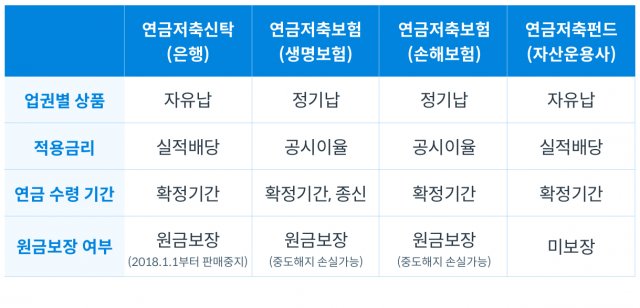
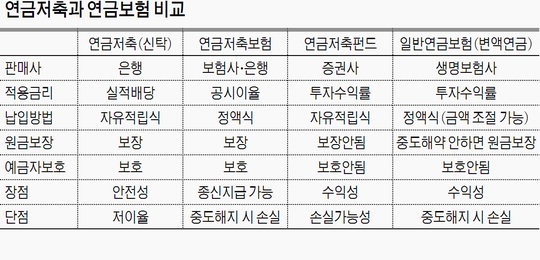
The Return Gap Between Insurance and Funds: Why Is It So Wide? When you compare the returns of pension savings insurance and pension savings funds sold in the market side by side, the difference is so large that it will make your eyes widen. According to data from financial authorities and various statistics, while pension savings funds invest in diverse assets to achieve high returns, insurance products often show relatively poor performance. Insurance products offer stability with principal protection or guaranteed minimum interest rates, but they frequently fail to even keep up with inflation. For example, if prices rise sharply every year but the interest accumulating in your pension account falls below the inflation rate, your real purchasing power after retirement will actually decrease.
The primary reason for this return gap lies in the fundamental differences in asset management methods. Pension savings insurance is structured to invest funds in stable assets such as government bonds and corporate bonds to generate interest. On the other hand, fund accounts allow you to actively pursue returns by adjusting the proportion of various risky assets, such as stocks and exchange-traded funds (ETFs), according to your preference. In your younger years, time is a powerful weapon, so a strategy that takes on some risk to grow assets may be advantageous. If you insist on stability only and realize at the point of retirement that the accumulated money is far less than expected, it is already too late.
While pension savings insurance offers the stability of principal protection, its low returns, which struggle to beat inflation, are a significant disadvantage.
3. Subheading
If You’ve Been Paying for Over 10 Years and Are Considering Cancellation Mr. Kim, an employee, diligently paid premiums for a pension savings insurance policy he signed up for when he was a fresh graduate for a full ten years. He didn’t mind the premiums being deducted from his account every month because of the substantial tax refunds he received during year-end tax settlements. However, he was shocked to hear from a friend that they had significantly grown their retirement funds using stocks and ETFs. Upon checking the return rate of his pension account, he found it was barely keeping up with inflation, which plunged him into deep contemplation. He is now in a dilemma: canceling the product he has diligently built up over a long period worries him about the clawback of tax deductions, but keeping it as is feels frustrating.
In such cases, rather than canceling the policy impulsively, you can consider maintaining the existing account while seeking new alternatives or utilizing the transfer system. By using the contract transfer system between financial institutions, you can move your existing accumulated funds to products from other management institutions without cancellation penalties. For example, you can transfer the contract from an insurance company to a fund account at a securities firm to attempt more aggressive asset management. Of course, this process requires thorough analysis of which product to switch to and an assessment of your own investment style. You should make a calm decision considering your retirement timeline and the remaining period, rather than blindly following what others say is good.
Instead of blindly canceling a product you have paid into for a long time, it is wiser to use the contract transfer system to change the management method.
4. Subheading
The Core of Retirement Preparation: Comparison with Dollar Insurance and Variable Insurance There is not just one way to prepare retirement funds; various products each boast their own advantages. Recently, with increased exchange rate volatility, there is a growing trend to secure dollar assets in advance, and dollar-based pension insurance is also gaining attention. Dollar pension insurance offers the benefit of currency diversification, allowing you to secure stable foreign currency assets at the time of retirement. However, if the exchange rate falls, you may incur unexpected losses, so it is risky to put all your assets into this. Additionally, variable insurance, where returns vary significantly depending on stock market trends, is also widely subscribed to, but neglecting management can lead to significant losses.
In fact, it is easy to find cases where neglected variable insurance accounts have recorded negative returns for several years, leaving policyholders in a lurch. If you do not periodically change funds or adjust asset allocation, you will be helpless against changes in market conditions. Therefore, you must accurately understand the characteristics of each product, such as pension savings, variable insurance, and dollar insurance, and combine them according to your investment style. No single product can be the absolute answer; diversifying investments to reduce risk is the core of retirement preparation. You need the diligence to seek expert advice, build your own financial knowledge, and regularly check your asset status.
You should compare various alternatives such as dollar insurance and variable insurance and engage in diversified investing that suits your style.
5. Subheading
Wisdom in Financial Schedules During Holidays and Pension Receipt Many people worry that their asset management may be disrupted because financial institutions like banks and insurance companies close during holiday periods such as Chuseok (Korean Thanksgiving). In reality, if a loan maturity falls during a holiday period, there are well-established systems where it is automatically extended without late interest or processed in advance. Similarly, if the payment date for government-supported housing pensions or general pensions coincides with a holiday, it is often paid out in advance. Thanks to this schedule coordination between financial authorities and financial companies, retirees can utilize their funds without major inconvenience even during holiday periods.
As seen here, understanding basic financial schedules such as pension receipts and loan repayments in advance is greatly helpful for stable cash flow management. After retirement, a regular cash flow is paramount, so you must not miss the details regarding payment dates. When you eventually receive a pension through pension savings insurance, the tax burden changes completely depending on whether you receive it in monthly installments or as a lump sum. If you receive the pension all at once, a high tax rate may apply, resulting in a tax bomb; therefore, it is advantageous to receive it in installments within the limit where the pension income tax rate applies. Accumulating small bits of financial common sense and carefully managing your asset schedule is the habit that creates a comfortable retirement.
You should understand financial schedules during holidays and pension receipt cycles in advance to maintain a stable cash flow.
6. Subheading
Strategies and Outlook for Utilizing Pension Savings for a Successful Retirement The future economic environment will be vastly different from the past, and simple savings alone will not be enough to survive amidst rising prices and a low-growth trend. Pension savings insurance provides the stability of principal protection but has a clear limitation: it is insufficient to keep up with inflation. Therefore, a strategy is needed where you grow your assets through accounts that allow for more aggressive management in your younger years and gradually shift the proportion to stable products as you age. If you are blinded only by the carrot of government tax benefits and ignore the essence of the product, you may face the bitter reality of poverty after retirement.
If there are employees who are currently neglecting how their pension accounts are performing, they should check their balances and returns immediately. There is no financial product in the world that is a perfect panacea; only your own interest and effort can protect your precious assets. Carefully considering tax deductions, returns, and fees, and finding the combination that best suits you is the true beginning of retirement preparation. If you keep a close eye on changing financial systems and cultivate a flexible attitude to adapt, you will be able to meet a secure and happy retirement. Starting today, I hope you will actively look into your pension assets and take the first step toward wise financial planning.
A wise strategy involving thorough self-directed management and diversified investing is essential to protect retirement assets.
Frequently Asked Questions
=