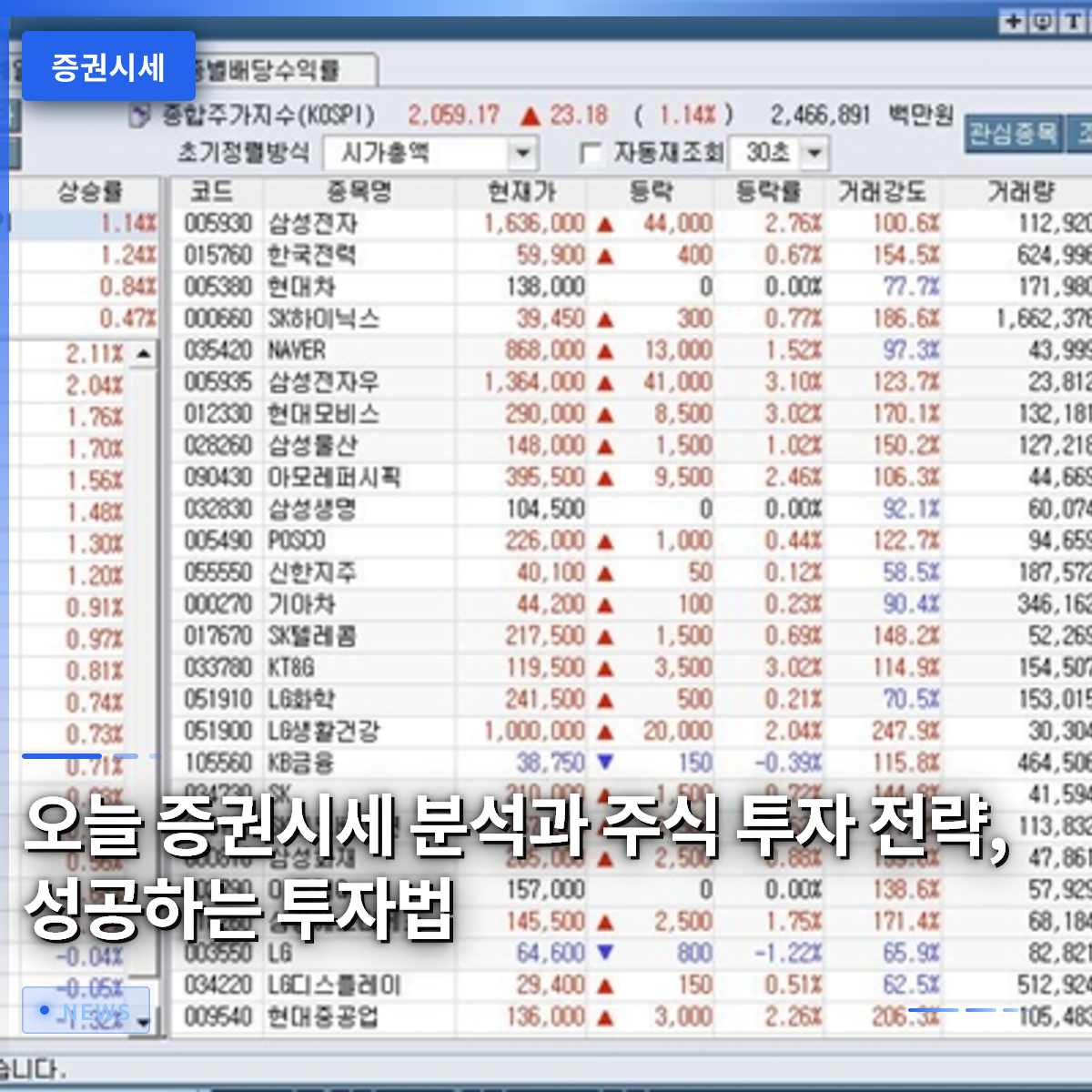
Many investors are finding themselves breathless after opening their stock market screens today. This is because the KOSPI and KOSDAQ indices are fluctuating wildly in a market where there is no clear leading sector. Solar power stocks that surged in the morning may plummet in the afternoon, while large-cap semiconductor stocks continue to struggle due to regulatory concerns. In this article, we will closely examine how to protect your assets and respond wisely in this complex market environment. Let us explore the investment wisdom needed to survive long-term without being swayed by daily price fluctuations.
=
Today’s Stock Market Analysis and Investment Strategies: How to Invest Successfully
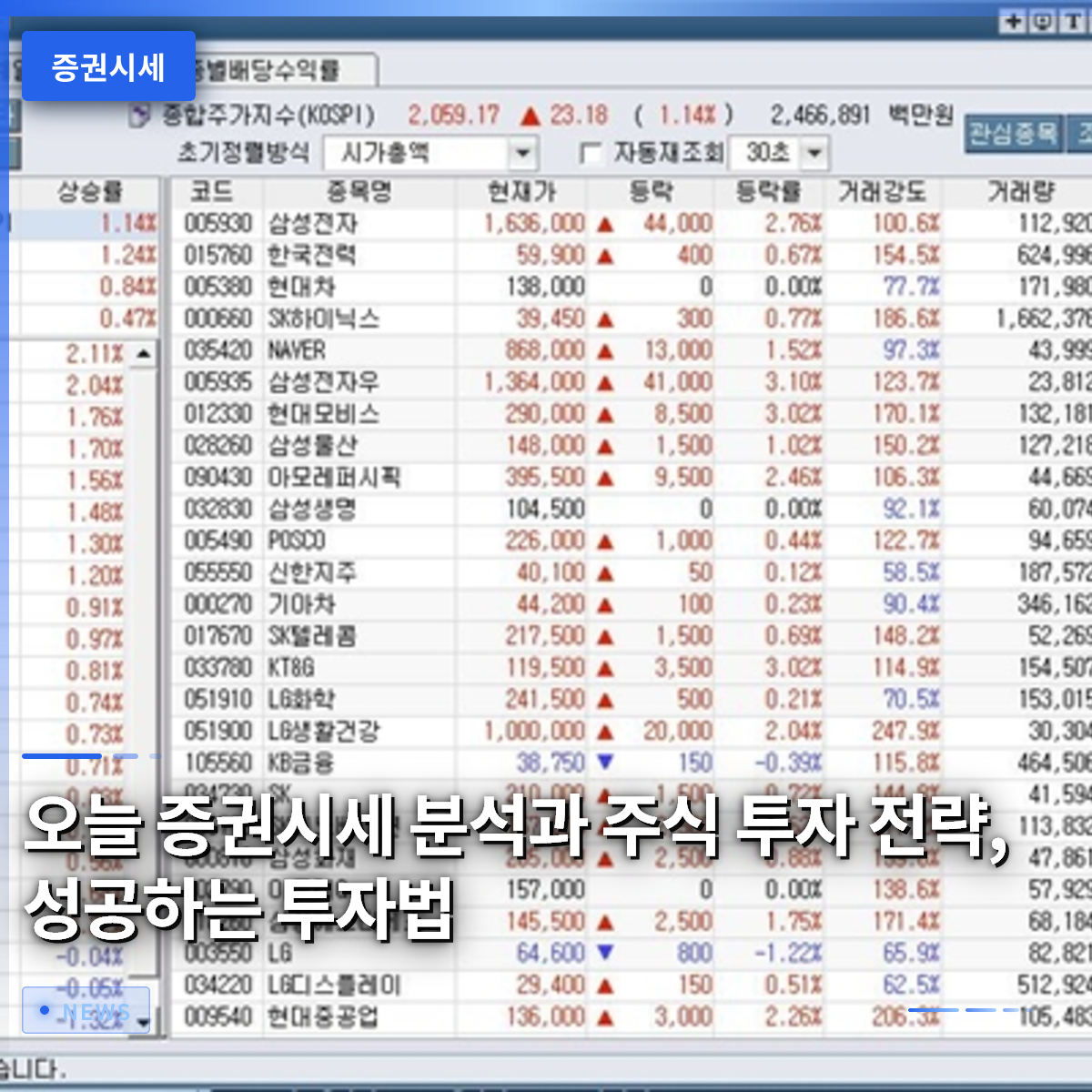
1. How to Read Today’s Stock Market and Understand Market Trends
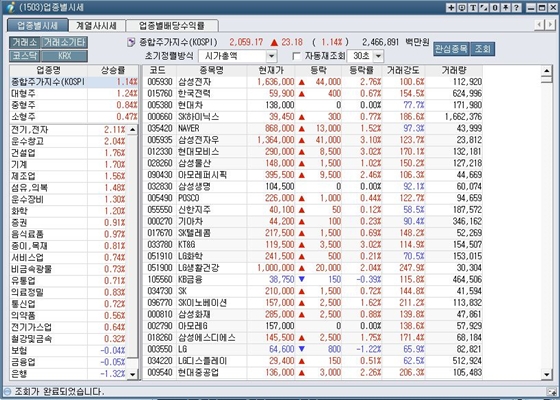
To properly grasp today’s stock market conditions, one must look beyond just the red and green indicators and read the overall market flow. Many beginners spend their days anxiously watching the order book on their Home Trading System (HTS) or Mobile Trading System (MTS), checking it dozens of times a day. However, to see the big picture, it is essential to examine the general movement of the index along with the supply and demand trends of foreign and institutional investors. For instance, even if the KOSPI closes with a slight gain, the perceived market conditions for individual stocks can be entirely different. Therefore, before getting swept up in specific thematic stocks, you should develop the habit of analyzing the commonalities among stocks that have seen a surge in trading volume today.
The financial industry emphasizes that it is crucial to develop the eye to distinguish between genuine good news and fake noise amidst the daily flood of information. Rather than blindly trusting news articles or brokerage market reports, you must cultivate the ability to interpret indicators based on your own criteria. It is extremely dangerous to hit the buy button simply because an acquaintance mentioned that a certain stock is surging. First, it is important to identify the cause of today’s market fluctuations: is it due to exchange rate changes or global interest rate hikes? As this analytical process accumulates, you will build the strong investment resilience needed to avoid panic even in rapidly changing market conditions.
When looking at today’s stock market, you should consider supply and demand factors and macroeconomic variables alongside simple price changes.
2. Effective Response Strategies in a Market Without Leading Stocks
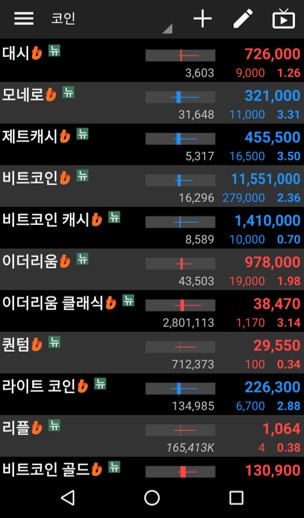
Recently, the stock market has continued to experience what is known as a “foggy market,” where no clear leading sector is visible, deepening investors’ concerns. Unlike in the past, no single industry group is strongly driving the market; instead, funds frequently move back and forth, creating a rotation trading environment. Mr. Kim, an office worker, saw news about a surge in cryptocurrency and solar power stocks on his way to work and joined the buying rush, only to be stuck with losses almost instantly. In periods without a clear leading stock, attempting to profit from short-term price movements often leads to significant losses. Therefore, it is safer to refrain from aggressive chasing buys and adopt a conservative strategy of diversifying your portfolio.
Experts advise that in such times, rather than obsessing over short-term price fluctuations of individual stocks, one should focus on assets with substantial value. Turning your attention to safe bond products or large-cap stocks with high dividend yields is also an excellent way to maintain mental peace. It is important to maintain an appropriate cash ratio so that you can seize the opportunity when high-quality stocks appear at truly attractive price levels. Instead of chasing surging stocks, you need the patience to discover undervalued companies in industries you understand well. Understanding the characteristics of rotation trading and the wisdom to step back and observe the market are more critical than ever.
In a rotation trading market without leading stocks, avoid chasing buys, increase your cash ratio, and respond conservatively.
3. Understanding Market Valuation Criteria for Stock Gifts and Inheritance

Stock market prices are a critical variable not only for realizing profits through trading but also in the process of asset transfer. As cases of gifting or inheriting stocks among family members increase, interest in tax valuation criteria is growing. For listed stocks, tax law uses the average of the final market prices announced by the exchange over the two months preceding and following the valuation date as the basis. For example, if you plan to gift stocks to your grandchild for the Chuseok holiday, you must calculate for stock price fluctuations during this valuation period in advance. Even if you transfer the same number of shares, you could face an unexpected tax burden if the stock price surges during the valuation period.
In the succession processes of wealthy individuals in Yeouido, this method of calculating stock valuation is a core element that determines the tax burden. Therefore, if you are planning long-term asset transfer, it may be advantageous to target times when stock prices are relatively correcting. You can consult with experts about various tax-saving methods, such as gifting cash and then using that cash to purchase stocks. Tax regulations are difficult for the general public to understand, so you must always closely monitor trends in legal amendments. Remember that stock market trends are directly linked to your asset management and tax issues, and take a proactive stance in preparing for them.
For stock gifts and inheritance, the average market price over the two months before and after the date significantly impacts tax determination, so timing is crucial.
4. Choosing Between Direct Investment and Expert-Managed Products
For busy modern people who find it difficult to monitor the stock market daily, insisting on direct investment can sometimes be a poison. Mr. Park, who is swamped with work, tried to keep up with the changing stock market every day, which eventually hindered his main job. He eventually gave up on analyzing individual stocks and chose to entrust his assets to verified model portfolios from brokerages or professional advisory firms. Using expert-managed products allows personnel with rich experience and risk management processes to execute trades swiftly. Unlike the days of stressing over short-term price fluctuations, this approach offers the advantage of finding psychological stability.
Of course, entrusting assets to experts does not eliminate all risk of loss, and fee costs must be carefully considered. However, if you lack the time and expertise to analyze the market yourself, this becomes a wiser alternative than forcing direct trading. You should carefully compare the service counters of brokerages or the investment philosophies of advisory firms and choose one that aligns with your investment style. Since asset allocation experts flexibly respond to global economic trends, it is relatively safe even in rapidly changing market conditions. First, determine whether your investment style is aggressive or stability-oriented, and then adjust the balance between direct investment and managed investment accordingly.
For investors who feel limited in their market analysis, entrusting assets to verified experts is a good alternative.
5. The Return of Bonds and a Safe-Asset-Centric Portfolio
As volatility in the stock market increases, more investors are turning their eyes to bond products that offer stable interest income. With the long-term interest rate rise slowing down and rates maintaining attractive levels, bonds yielding in the 5% range are gaining attention again. Funds that cannot find suitable investment opportunities in the stock market are quickly moving to safe assets like bonds and deposits. Investors who previously went all-in on high-risk stocks for short-term gains are now focusing on securing medium-to-long-term cash flow. Properly balancing the ratio of stocks and bonds in a portfolio has emerged as a core strategy for asset defense.
The importance of generating stable fixed income is growing not only among baby boomers approaching retirement but also among younger investors. Bond investments, which provide regular monthly interest, serve as a great sanctuary for those anxious about the volatile stock market. Of course, bond prices can fluctuate depending on interest rate cuts or macroeconomic changes, so a strategy of holding to maturity is advantageous. Please exercise the wisdom of diversifying risk through hybrid products that include both stocks and bonds. Not being swept up by market sentiment and steadily building the fundamental strength of your assets is the true method of a master investor.
In a high-volatility stock market environment, you should include safe assets like high-yield bonds to enhance portfolio stability.
6. Mindset for Successful Investing and Future Outlook
To survive in the complex stock market, it is essential to have a strong mindset that is not shaken by external noise. A life where you check the stock market first thing every morning and sigh in relief is inevitably exhausting in the long run. Investing is like a marathon; the process of consistently protecting assets and trending upward is more important than generating explosive returns in a short period. Whenever you feel the urge to join the frenzy of thematic stocks, you should calmly reflect on the investment principles you initially established. Rather than fearing failure, you should cultivate the flexibility to learn from failures and modify your portfolio.
The future stock market is highly likely to continue a rollercoaster-like flow due to various domestic and international variables. In such times, you should focus on sticking to the basics and developing the insight to read the market’s major trends. Being blinded by immediate price gains and relying on unverified information is a shortcut to ruining your account. Establish your own clear criteria, wisely utilize expert advice, and exercise the wisdom to turn crises into opportunities. I believe without a doubt that the small efforts of study and analysis you put in today will return as fruitful asset growth in the future.
For successful investing, do not be preoccupied with short-term prices; maintain a long-term perspective while adhering to clear principles.
Frequently Asked Questions
=