We have all likely experienced the headache-inducing sight of red and blue lights constantly flickering on our stock market screens. In today’s market, where a clear leading sector is hard to identify, it is essential to read the overall market trend rather than simply reacting to short-term price movements. The calculation for investors has become even more complex with the overlap of interest rate changes, corporate treasury stock movements, and inheritance tax issues. In this article, we will carefully examine how to accurately grasp today’s stock market conditions and the key information to consider in practical investing. We will explain these concepts clearly, using various examples to help you navigate the complex stock market without getting lost.
=
Causes of Today’s Stock Market Fluctuations, How to Check Real-Time Prices, and Stock Investment Strategies
1. Characteristics of Today’s Stock Market and the Absence of Leading Stocks
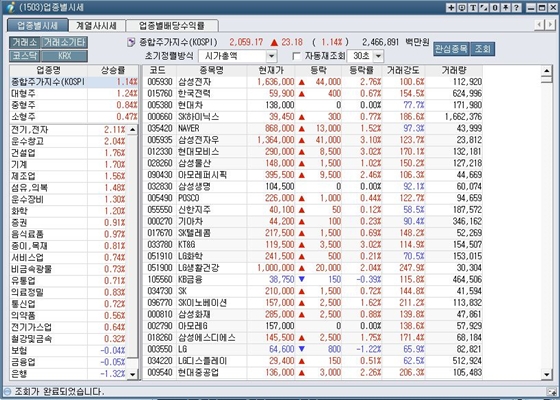
The current stock market, lacking a clear leading sector, is causing significant fatigue for investors. Unlike in the past, where specific industries strongly drove the market, rotational trading is now unfolding dozens of times a day. For example, it is easy to see solar-related stocks surge suddenly only to fall the next day as profit-taking sells flood in, as if nothing happened. In such a market atmosphere, it is very easy to get bogged down in the short-term price fluctuations of individual stocks. However, chasing theme stocks without substance often leads to losing principal, so special caution is required. For beginner investors, maintaining composure in such a volatile market is more important than anything else. There are countless cases of investors who blindly jumped on surging stocks every morning upon opening their market screens, only to end up in a predicament. One must cultivate the habit of calmly observing where the overall market trading volume is heading. An investment attitude of “buying because others are buying” is ultimately the main cause of eroding valuable assets. It is necessary to calmly analyze the reasons why the money in your account is decreasing.
In a rotational trading market without leading stocks, you should calmly observe the overall market trading flow rather than chasing short-term prices.
2. How to Check Real-Time Prices via Naver Securities and Home Trading Systems
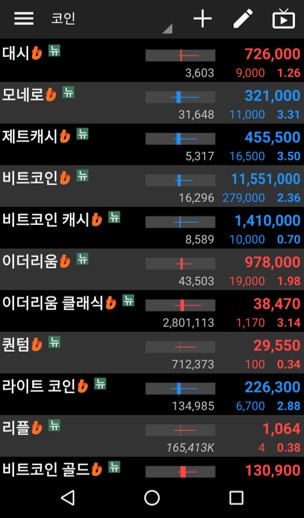
The first step toward accurate investing is quickly and correctly checking real-time stock prices. Many investors use Naver Securities or the mobile trading systems (MTS) and home trading systems (HTS) of various securities firms to check intraday prices. By accessing the detailed stock screen, you can view not only the current price but also detailed information on intraday trading intensity and the net buying trends of foreigners and institutions. If you are not proficient in using these tools, you will be at a disadvantage in information acquisition, leading to unfavorable trades. It is actually advisable to familiarize yourself in advance with how to check real-time prices via smartphone apps. Setting price change alerts for stocks registered as favorites can help prevent significant price deviations even while you are at work. It is also essential to practice identifying support and resistance lines by looking at moving averages and volume indicators on charts. Instead of blindly pressing the buy button based on others’ words, you must look at the screen yourself and time your entry. Stock price checking tools are the most basic weapon of investing, so they must be mastered perfectly.
Actively utilize the stock price checking features of securities firm apps and portals to grasp intraday prices and supply-demand trends in real-time.
3. The Rise of Bond Investment Strategies During Interest Rate Hike Periods

As volatility in the stock market increases, funds seeking stable returns are turning to the bond market. With U.S. Treasury yields maintaining high levels, bond products offering interest income of around 5% annually are once again drawing attention. Investors, tired of the daily sharp rises and falls in stock prices, are turning their eyes toward fixed interest income. A strategy of diversifying assets from a medium- to long-term perspective is becoming much more advantageous than seeking short-term price gains. Asset allocation between stocks and bonds serves as an excellent shield to protect your account in a highly volatile market. When the stock market crashes, the interest income from bonds plays a significant role in providing psychological stability. In fact, looking around, investors who have diversified their portfolios sleep much more soundly than those who have gone all-in on a single stock. Wisdom is needed to periodically monitor interest rate trends and weigh the timing for bond purchases. You must abandon the stereotype that stocks are the only answer for your assets to grow safely.
When uncertainty in the stock market grows, diversifying into high-yield bonds to secure interest income is an effective strategy.
4. Choosing Between Direct Investment and Expert-Managed Asset Management
While there is great joy in choosing stocks and trading them yourself, entrusting assets to experts is emerging as an alternative, especially when the market is difficult. Model portfolios managed by securities firms or specialized advisory firms quickly swap stocks according to market conditions. There are clear limitations in time and information when an individual tries to read corporate reports and analyze prices alone every night. Borrowing the hands of experts with proven risk management systems can be beneficial for both mental health and returns. Everyone has likely experienced losses from investing large sums directly based solely on recommendations from acquaintances or YouTube broadcasts. Expert-managed products are operated according to systematic diversification and strict stop-loss criteria, reducing the risk of being swayed by emotions. Of course, there is the disadvantage of fees, but this is a level that can be sufficiently tolerated compared to the scale of losses incurred alone. If your investment style is not aggressive or if you cannot frequently check prices due to your main job, you should seriously consider managed services. Acknowledging your own limitations and making a wise delegation is also an excellent investment strategy.
If it is difficult for an individual to respond to price fluctuations, utilizing the portfolio management services of verified experts and advisory firms is safer.
5. The Impact of Inheritance Tax and Treasury Stock Issues on Owner Families in the Securities Industry
Recently, the Commercial Code amendment, treasury stock cancellation, and inheritance tax issues have become hot topics in the Yeouido securities district. Because the average final market value of stocks during the succession process of large corporate owner families serves as the basis for tax calculation, stock price management has become a very sensitive issue. If the stock price is too high, they face an excessive inheritance tax bomb; conversely, if it is too low, they face fierce protests from shareholders, putting them in a dilemma. Even for general small investors, these owner family succession calculations and changes in treasury stock policies directly affect stock prices, so they must be examined carefully. It is essential to accurately understand the tax evaluation reference date when gifting stocks to family or grandchildren. Since taxes are assessed based on the average market value for two months before and after the gift date, timing must be well-managed to achieve tax savings. It is good to know legal tax-saving know-how, such as purchasing stocks through a securities account rather than gifting cash directly. If you violate principles while trying to avoid a tax bomb, you may face severe collection by the National Tax Service, so you must always operate within the legal framework. Corporate governance issues and changes in the tax system are hidden variables that determine long-term stock prices.
Changes in inheritance tax and treasury stock regulations directly affect stock price evaluation methods, so owner family succession issues should be closely monitored.
6. Wise Stock Investment Outlook and Actions to Survive in a Volatile Market
Future stock market conditions are likely to continue a rollercoaster-like trend depending on interest rate policies and the global economic situation. In such times, investors who stick to their own principles without being swayed by hearsay will be the ultimate winners. You must abandon the habit of cheering at red lights and despairing at blue lights every morning and focus on the essential value of the company. It is more important than ever to practice split buying based on surplus funds and always secure emergency funds. In conclusion, today’s stock market demands constant cool-headed judgment and learning from us. If you take your eyes off the mobile screen and cultivate the ability to read the big picture of the macroeconomy, you can survive even in a bear market. Rather than fearing failure, you should use small losses as lessons and opportunities to refine your own investment process. Based on the real-time checking methods and asset allocation strategies learned today, we hope you will start a more mature investment journey from tomorrow. The stock market always has opportunities open, so do not be impatient; prepare calmly.
In a volatile market, you should avoid emotional trading and maintain a principle-centered investment attitude with thorough split buying.
Frequently Asked Questions
=