Today’s stock market closed with a slight decline, as selling pressure from foreign and institutional investors emerged in the afternoon, despite strong buying momentum at the open. As of September 26, 2026, investors are maintaining a wait-and-see stance ahead of upcoming interest rate decisions and major corporate earnings reports. When I meet acquaintances who invest in the stock market, they are all deeply concerned about how to adjust their portfolios in the current market conditions. In fact, since the stock market is always full of unexpected variables, a calm attitude that objectively assesses the current situation is more important than hasty follow-on buying. In this article, we will examine the specific movements of today’s stock market in detail, along with the key industries we should focus on going forward. Instead of opening your stock trading app every morning and sighing, I hope you can establish clear investment criteria through this article.
=
Today’s Stock Market: Trend Analysis and Response Strategies for September 26, 2026
1. KOSPI and KOSDAQ Index Trends
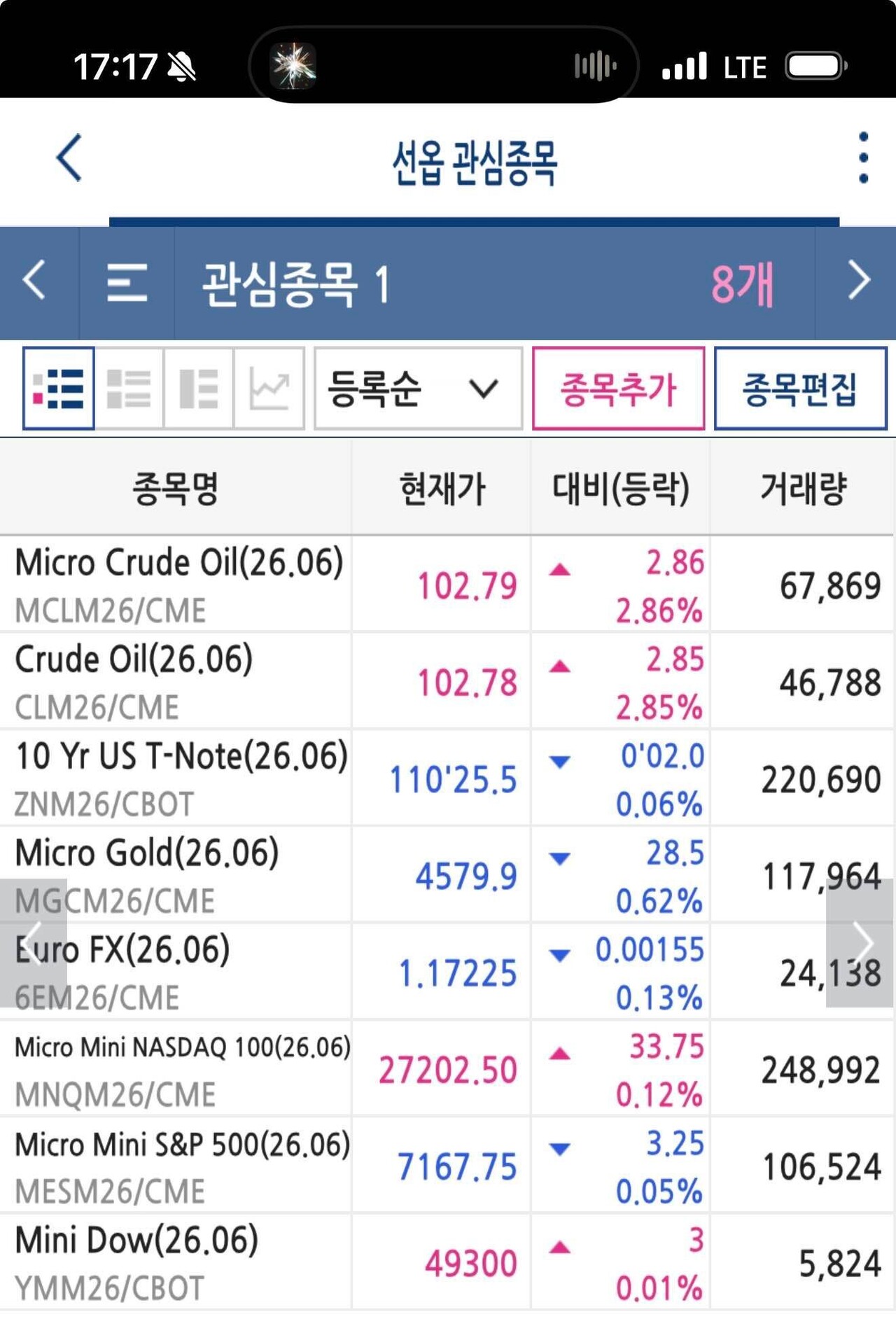
In today’s stock market, the KOSPI index recorded a slight decline compared to the previous trading day, leaving investors disappointed. Immediately after the market opened, signs of a rebound were visible, centered on some large-cap tech stocks, but as time passed, accumulating sell orders dragged the index down. The KOSDAQ market also had a day where most sectors struggled, with the exception of a few biotech-related stocks. Individual investors actively engaged in bargain hunting, but they were unable to withstand the fierce selling offensive from foreign and institutional investors. This index movement can be interpreted as the result of a combination of short-term profit-taking and macroeconomic uncertainty.
Looking at investors around me, many were shocked by today’s decline and sold off their entire holdings, only to regret it when they saw the market recover in the afternoon. It was a day that once again reminded us that reacting emotionally to every fluctuation in the index makes it impossible to win the long-term investment game. The stock market is like the ocean; it always has a nature of ebbing and flowing, so you must maintain your center, trusting your captain to know where your ship is heading. Although the fluctuation range of the KOSPI and KOSDAQ was not large today, the perceived temperature difference between individual stocks was significant. Therefore, rather than getting bogged down in the index itself, it is wise to check whether the individual stocks in your portfolio are resilient.
The KOSPI and KOSDAQ recorded weakness due to foreign selling, and there was a significant perceived temperature difference between individual stocks.
2. Foreign and Institutional Trading Trends
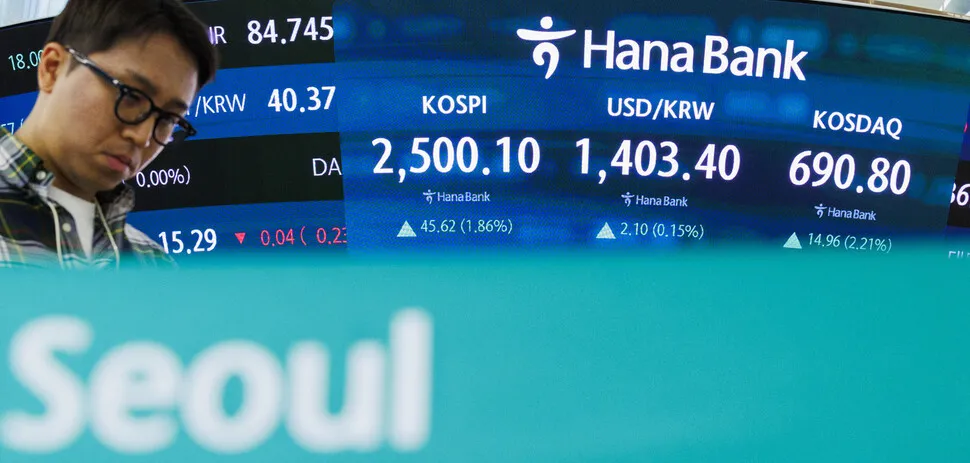
The biggest factor behind today’s stock market decline was undoubtedly the fierce net selling offensive by foreign and institutional investors. Foreigners dumped profit-taking orders centered on domestic blue-chip stocks, citing exchange rate volatility and global market uncertainty. Institutional investors also held back stock price gains by maintaining a conservative management stance, particularly among pension funds. On the other hand, individual investors actively bought high-market-cap stocks like Samsung Electronics, backed by their deposit balances, in a defensive move. While the “ants'” (individual investors’) bargain-hunting resistance line functioned to some extent, it was insufficient to shift the balance of supply and demand.
If you listen to conversations around you on the subway or in coffee shops, you will hear many voices anxious about why foreigners suddenly started selling. However, the trading patterns of foreigners and institutions always move in line with economic indicators and exchange rate trends, so there is no need to react emotionally. In fact, we should recall that around this time last year, foreigners also withdrew in large numbers, but they flowed back in just a few months later, pushing stock prices up. We must observe the movements of those who hold the power of supply and demand, but we must not commit the foolishness of selling our valuable stocks at a discount just to match their rhythm. The supply and demand flow shown today contains the variability to reverse at any time, depending on whether the exchange rate stabilizes in the future.
Joint selling by foreigners and institutions dragged down the index, but individual bargain hunting supported the bottom.
3. Analysis of Gains and Losses by Major Sector
The sectors that stood out most in today’s stock market were eco-friendly energy-related stocks and some next-generation semiconductor component stocks. On the other hand, traditional financial stocks, along with the steel and chemical industries, could not avoid a deep correction due to overlapping concerns about a global economic slowdown. In particular, secondary battery-related companies continued a heavy trend throughout the day due to fatigue from previous gains and volatility in raw material prices. The leading semiconductor stocks showed strength at the open but ultimately closed flat or slightly down, unable to withstand the downward pressure on the index. In a market where fortunes diverge so sharply by sector, the return on your account can vary wildly depending on which basket you put your eggs in.
One of my colleagues who invested heavily in eco-friendly energy stocks last month was able to smile even in today’s declining market. On the other hand, another acquaintance, who bought traditional manufacturing stocks just because everyone else was doing so, spent the whole day sighing as the stocks continued to fall. As such, an investment approach that concentrates assets in a specific sector is bound to cause heartache if the market shakes even slightly. Today’s market painfully taught us once again how absolute the truth of diversification is. It is the most urgent task to cultivate the insight to identify industries likely to become future leaders in advance and adjust their weightings accordingly.
Eco-friendly energy performed well, while manufacturing and financial stocks showed weakness, indicating clear sector differentiation.
4. Impact of Exchange Rate and Interest Rate Volatility
Another invisible hand weighing down today’s stock market was the sharp upward pressure on the won-dollar exchange rate and the delay in expectations for interest rate cuts. When the exchange rate rises, it is easy for foreign investors to pull funds out of the Korean market due to concerns about exchange losses, which is fatal for the index. Market interest rates also show signs of remaining high for a longer period than expected, simultaneously freezing corporate interest burdens and investor sentiment. Even ordinary office workers who do not frequently watch economic news are feeling heightened tension in the stock market, coupled with the rising prices they perceive every time they go to the supermarket. When macroeconomic indicators are this unstable, the only shield supporting stock prices is how excellent a company’s fundamental profit-generating ability is.
Acquaintances who invested in stocks using loans are losing sleep and focusing on risk management due to recent interest rate movements. Investing with debt gives you wings in a bull market, but in a volatile market like today, it often becomes a shackle that tightens around you. We cannot change the massive flow of the macroeconomy with individual power, but we can at least wear a sturdy life jacket so we are not swept away by the waves. We should listen carefully to expert forecasts on how exchange rates and interest rates will move, but we need the wisdom to first check if our financial situation is safe. The exchange rate instability seen today is a strong warning message that we need to reduce leverage and secure a cash position.
Rising exchange rates and interest rate instability encouraged foreign outflows and dampened investor sentiment.
5. Response Strategies for Individual Investors
Many individual investors who suffered losses in today’s stock market are considering panic selling, but this is exactly when we must regain our composure. The action to be most wary of in the stock market is pressing the sell button out of fear, even if it was not in your plan. If there are no issues with the earnings and business model of the company you bought, a stock price decline can actually be a good opportunity to buy quality stocks at a discount. Conversely, speculative actions such as impulsively buying stocks of companies with weak financial structures just because the price looks cheap must be strictly avoided. Maintaining a certain proportion of cash while calmly waiting for the market bottom is the wisest choice at this time.
When you hear the stories of successful stock investors, they say that they actually smile and fill their baskets when a crash or declining market arrives. This is because the prices of companies they wanted to buy but were too expensive to afford drop like during a sale period. Ordinary office workers like us should develop the habit of buying in installments, considering market sentiment and valuation, rather than blindly buying stocks every payday. The tears shed over today’s stock price decline can return as sweet fruits in the upcoming bull market, so we must discard our impatience. Start now by regularly reviewing your account, decisively cleaning up weak stocks, and improving your portfolio’s quality by focusing on strong stocks.
Avoid selling out of fear and adopt a split-buying strategy centered on high-quality stocks with solid earnings.
6. Outlook and Reader Actions
Based on today’s stock market movements, the domestic stock market is likely to continue fluctuating within a box range without finding a clear direction for the time being. The economic indicators and corporate earnings guidance to be released over the upcoming weekend and early next week will be a crucial turning point in determining the future landscape of the market. Investors should reconfirm their investment principles and recheck the soundness of their portfolios, rather than reacting emotionally to short-term stock price fluctuations. Even at this very moment, the market is presenting numerous opportunities and risks simultaneously, and it is entirely our responsibility to distinguish between them. Based on the content discussed in this article, I hope you will write out your own clear investment scenario before the market opens tomorrow morning.
The stock market never waits for us, and only those who are prepared can fully make its fruits their own. Instead of sighing while looking at your stock app on your phone during your commute home, recall your original intention for why you bought that company’s stock. Strong companies will eventually find their true value, and weak companies will be eliminated from the market; this is the unchanging truth of the stock market. If you continue to walk your own path without wavering and maintain the posture of a wise investor, your account balance will naturally grow. You have worked hard in the waves of today’s stock market, and I look forward to a clearer and more vibrant stock market flow tomorrow.
A box-range market is expected to continue for the time being, requiring thorough portfolio checks and adherence to investment principles.
Frequently Asked Questions
=