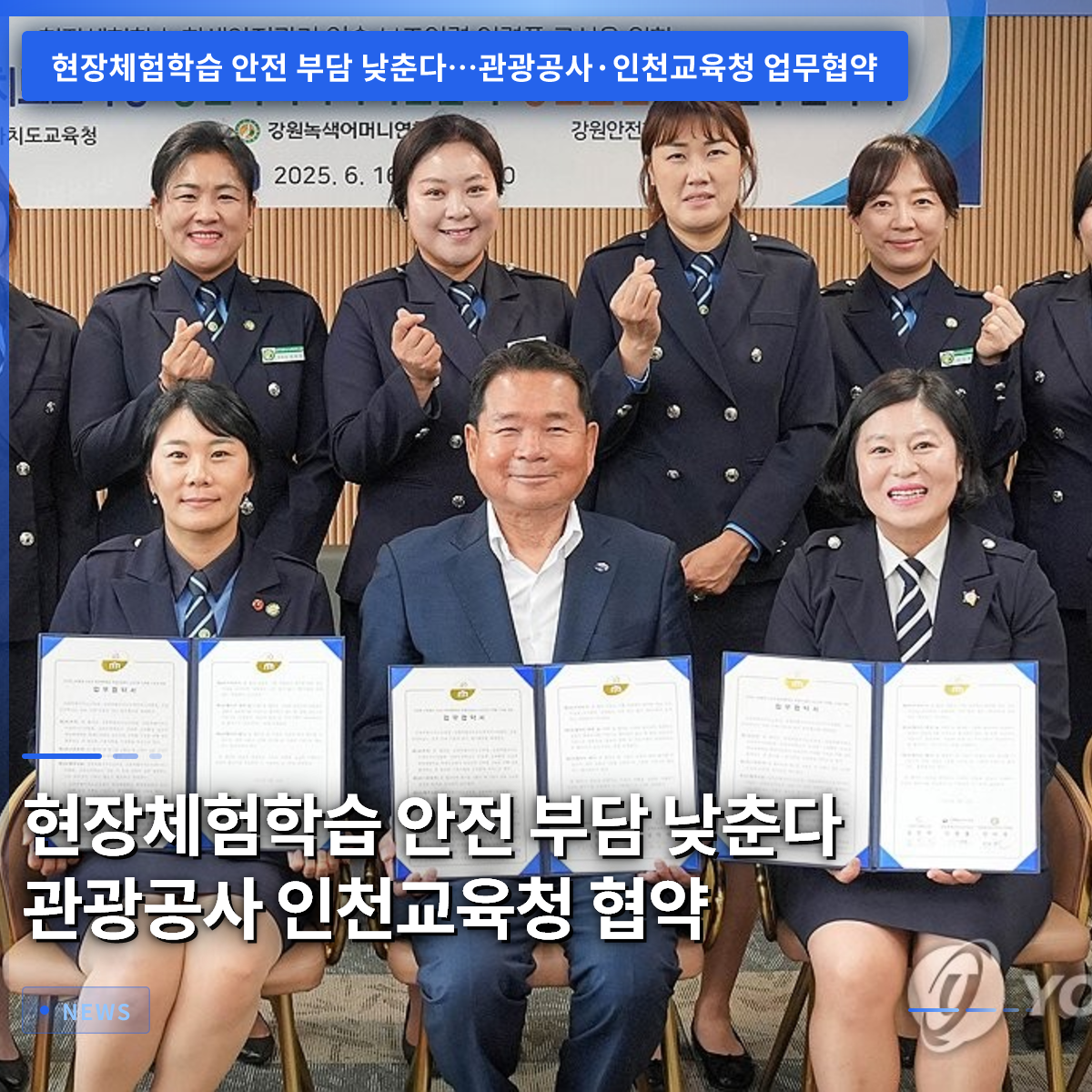
The Korea Tourism Organization (KTO) and the Incheon Metropolitan Office of Education have joined forces to significantly reduce the safety burden associated with field trips, a major headache for schools. Recently, a trend of avoiding outdoor activities and school trips has become prevalent among local schools due to concerns over various safety accidents and administrative liability. Teachers felt fear of potential accidents that could occur while supervising students, and parents openly expressed their anxiety. However, the memorandum of understanding (MOU) signed by the two institutions contains specific and practical measures to alleviate this pressure on the educational front. With multi-faceted support ranging from subsidies for elementary school bus rental fees to the dispatch of professional safety personnel, the burden on teachers is expected to be greatly lightened. Now, children will have the opportunity to learn safely in real-world settings, moving beyond the dull confines of the classroom and textbooks. We will take a closer look at what positive changes the newly revamped Youth Educational Travel Support Program will bring to the school environment.
=
Tourism Organization and Incheon Education Office Sign MOU to Reduce Safety Burden of Field Trips
1. Background of the MOU between KTO and Incheon Education Office
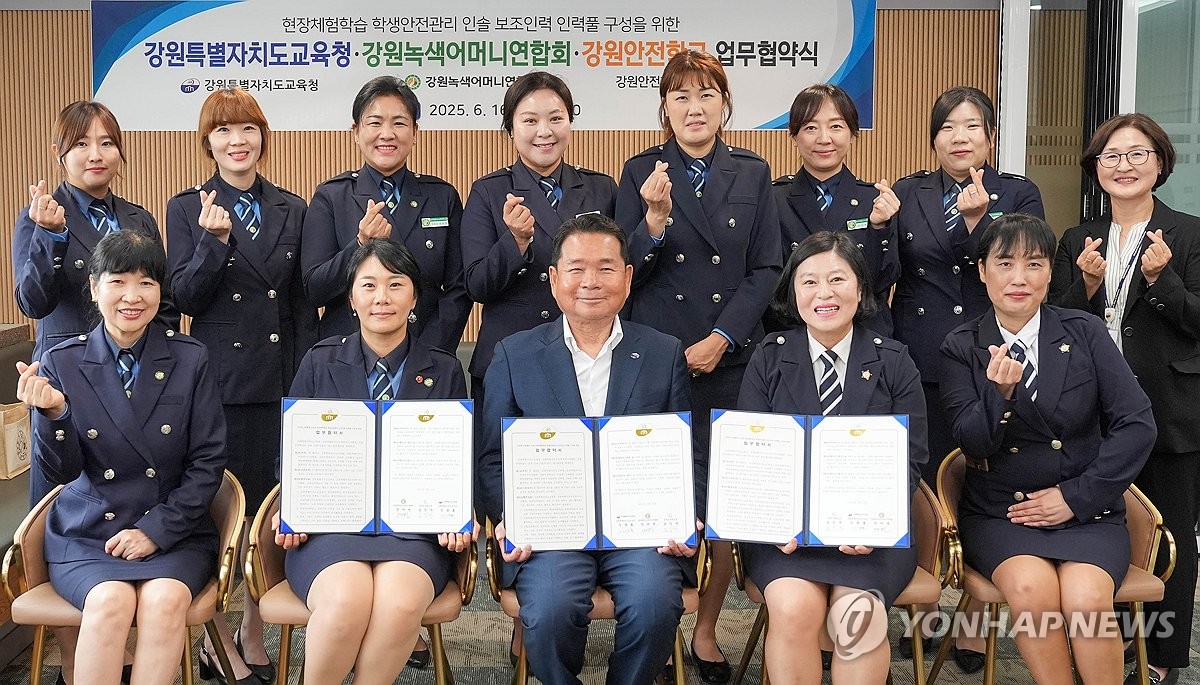
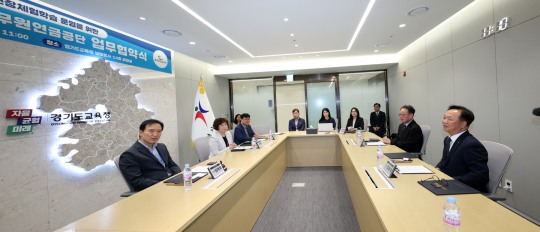
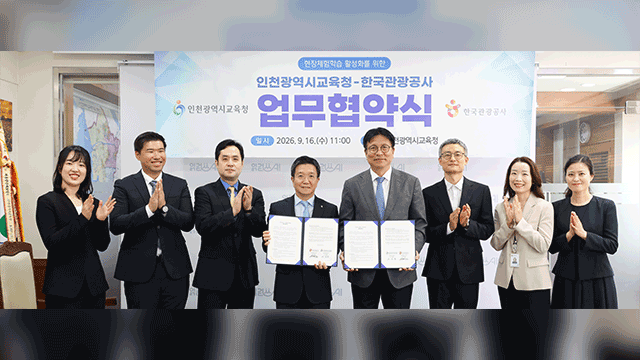
The Korea Tourism Organization and the Incheon Metropolitan Office of Education recently met at the Incheon Office of Education to sign a meaningful MOU aimed at revitalizing youth tourism. This agreement was primarily designed to normalize field trips, which had been significantly curtailed due to safety concerns. It is the result of a sense of crisis that educational travel itself could disappear if the heavy sense of responsibility and administrative burden borne by frontline teachers were not alleviated. It holds great significance that Park Sung-hyuk, President of the KTO, and Do Seong-hoon, Governor of the Incheon Office of Education, met directly to pool their brains to solve this issue. It stands out for its strong will to build a sustainable and systematic youth travel ecosystem, rather than just a one-off event. By creating a structure where schools and local communities jointly take responsibility for children’s safety, it is expected to serve as a starting point for restoring parents’ trust. One of the hardest parts for elementary school teachers is the heavy sense of responsibility regarding safety accidents that could occur during large-scale outdoor activities. Voices have been constantly raised stating that it is practically impossible for a single teacher to handle everything from vehicle movement to accommodation and on-site supervision for dozens of children. This agreement contains the will to directly address these structural contradictions and is receiving warm welcome from frontline teachers.
The KTO and Incheon Education Office signed an MOU to reduce the safety burden of field trips.
2. Support for Elementary School Bus Rental Fees and Safety Personnel
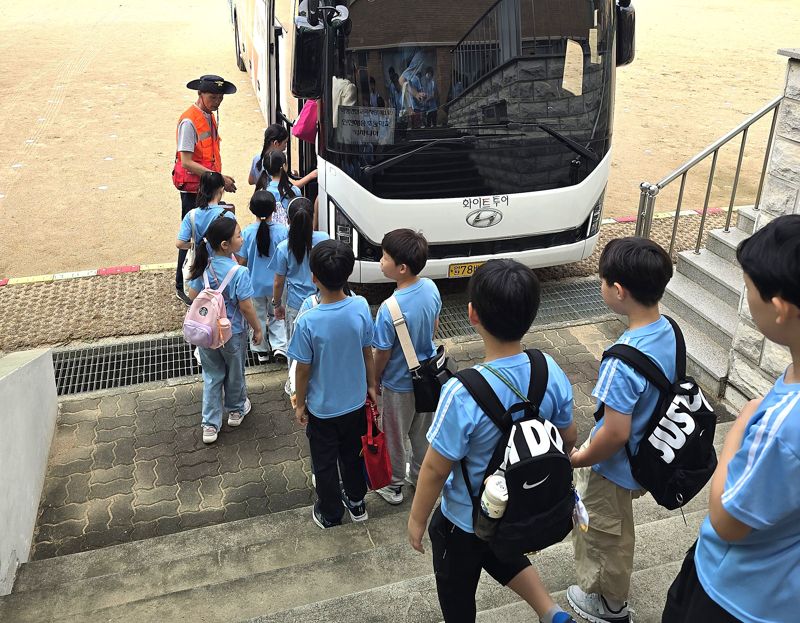
The most groundbreaking aspect of this agreement is the direct provision of bus rental fees and professional safety personnel to local elementary schools. The burden of having to collect additional costs from parents for every field trip due to insufficient school budgets will be eliminated. Furthermore, professional personnel with safety qualifications will accompany the students on-site to closely manage their movements and activities. The dangerous scenario of the past, where a single teacher had to control dozens of students, is likely to become a thing of the past. Since experts will directly take charge of safety, an environment will be created where teachers can focus solely on educational guidance and communication with students. In fact, last year, an outdoor study session at a certain elementary school caused a major shock when a supervising teacher, left to look after the children alone, got lost. There have been continuous criticisms that placing full responsibility on teachers with limited field experience is no longer sustainable. This support measure is evaluated as a very exemplary administrative case where the national and local governments directly step in to weave a dense safety net. From the parents’ perspective, they can send their children to school events with peace of mind, which is expected to significantly increase overall satisfaction with educational services.
Bus rental fees and professional safety personnel are provided to elementary schools to reduce teachers’ burden.
3. Cultural Tourism Experiences for 11,000 Disabled and General Youth
Through this agreement, the Korea Tourism Organization will support large-scale cultural tourism experience trips for a total of 11,000 disabled and general youth across the country. This opens up valuable opportunities for vulnerable children who have often been marginalized from travel and field studies due to economic reasons or physical limitations. A key feature is that it consists of customized educational programs closely linked to the curriculum, rather than formalistic trips that are just for sightseeing. Living education unfolds where cultural heritage and natural environments, previously seen only in books in the classroom, are directly observed and touched. Specialized routes and convenience facilities are provided so that disabled students can participate without inconvenience, thereby realizing the value of educational equality as well. Teachers at nearby special education schools have often expressed how difficult it has been for disabled students to travel together with non-disabled students. In fact, many schools had given up on outdoor activities because there were too many variables to consider, from transportation to restroom access. This support project has laid the foundation for all children to experience the culture and history of South Korea equally by breaking down such barriers. It achieves a two-fold effect as children build precious memories with friends and teachers share fulfilling educational experiences.
Curriculum-linked cultural tourism experiences are supported for 11,000 disabled and general youth.
4. Development of Customized Educational Travel Courses Linked to Curriculum
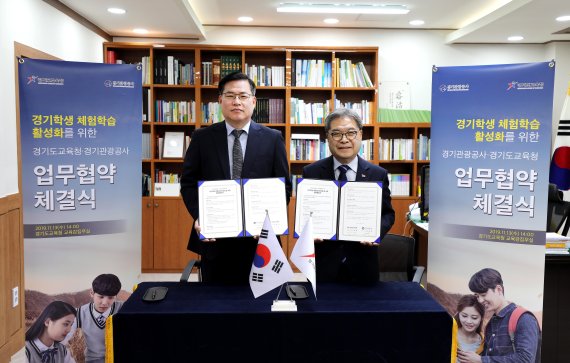
The two institutions have agreed to jointly develop customized educational travel courses that organically connect school lessons with excellent tourism resources across the country. Moving away from trips focused solely on visiting amusement parks for fun, they will intensively excavate learning-oriented courses linked to history, science, and arts. For example, if a class is studying the history of the Joseon Dynasty, it becomes possible to engage in three-dimensional learning by actually visiting historical sites across the country to feel the life of that era. Since these courses are distributed to the school field after thorough verification by education experts, teachers can receive significant help when planning their lessons. Students also enjoy the benefit of naturally induced learning motivation as they enjoy travel as an extension of their school lessons. For children tired of rote learning, field experiences are undoubtedly the most powerful means of broadening their perspective on the world. However, until now, teachers in charge have had the hardship of searching for information like “heading to the ground” to find suitable courses for each school. If the KTO and the Education Office provide verified courses in package form in the future, teachers’ administrative work will be drastically reduced. The quality of education will naturally improve, and a virtuous cycle where children can study happily is expected to be established.
Customized educational travel courses combining the curriculum and local tourism resources will be jointly developed.
5. Formation of Joint Task Force (TF) and Field Application
To enhance the effectiveness of this agreement, a powerful joint task force consisting of approximately 18 members, including educational travel experts and frontline teachers, will be activated. This organization will closely link with the ‘Read, Walk, Write’ program, a field-experience-based initiative prioritized by the Incheon Office of Education, to refine national field study courses. It is tasked with carefully examining how smoothly the plan can be applied in actual school settings, rather than being a theoretical plan created at a desk. In addition, it will continuously check safety aspects, such as whether there are any risk factors along the travel routes and whether the emergency response manual is perfect. Since frontline teachers participate directly, democratic operation is possible where the voices of local schools are immediately reflected in policy. When new systems are introduced, excluding the voices from the field often leads to side effects that only increase confusion. This task force operation model shows an exemplary governance model that prevents such trial and error in advance and finds practical alternatives. It gains the trust of both parents and schools because teachers directly participate to verify whether the program is truly necessary for the children. It is worth watching whether the specific guidelines created by this organization can spread to other regions nationwide.
A task force composed of education experts and teachers will check field applicability and safety.
6. Sustainable Outlook for the Youth Tourism Ecosystem
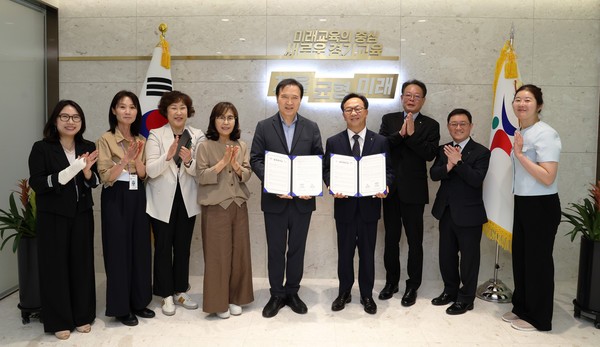
This MOU between the Korea Tourism Organization and the Incheon Education Office will serve as a catalyst to inject fresh vitality into the entire domestic youth tourism market, which had been shrinking. By sharing the heavy burden of safety between the national and local governments, schools can now focus on their inherent educational functions with peace of mind. We hope that this exemplary cooperation model will spread widely to other local governments and education offices, establishing itself as the standard for educational travel in South Korea. Continuous attention from all members of society is needed so that our children can grow healthily by experiencing a diverse world in a safe and abundant environment. We recommend that you look at the field trip plans of your child’s school right now or actively utilize the newly introduced support benefits around you. It is a heart-swelling thought to imagine the youth who will lead the future of South Korea nurturing their dreams while roaming the wide world beyond the narrow confines of the classroom. We sincerely support that this agreement does not end as a one-off event but takes deep root in the field, leading to a true renaissance of youth tourism. We ask our readers to send a warm gaze at these changes in the school field and to give unwavering support on the path where children learn about the world safely.
Creating a safe and sustainable educational travel environment to inject vitality into the youth tourism market.
Frequently Asked Questions
=