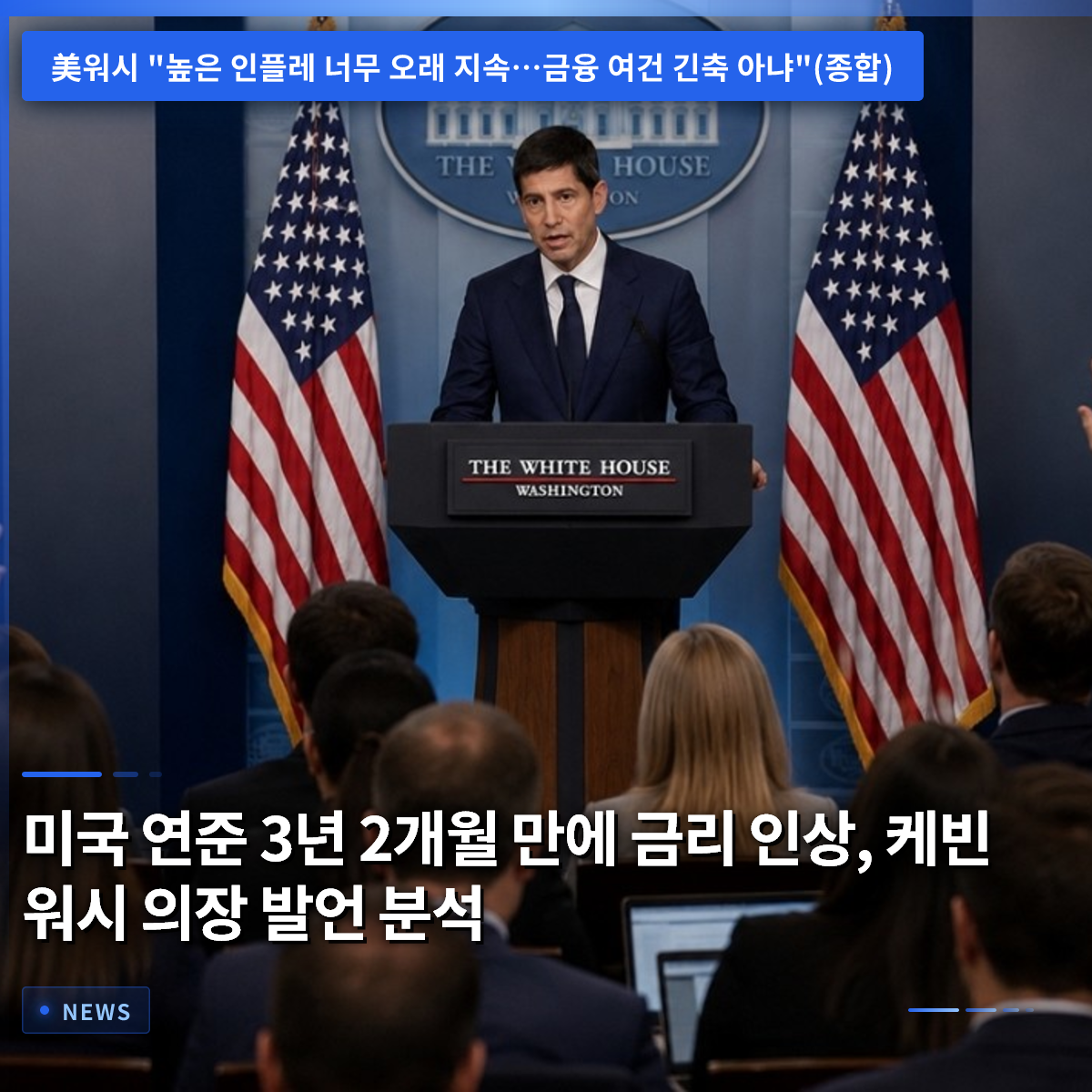
The US Federal Reserve has broken its long-standing hold on rates, raising the benchmark interest rate for the first time in three years and two months, sending shockwaves through global financial markets. Fed Chair Kevin Warsh did not hide his hawkish stance, stating that inflation has been too high for too long. This is precisely why everything from the price of a daily cup of coffee to loan interest rates is directly affected. Markets are on edge, watching closely to see if this move is a one-off or the start of further tightening. In this article, we will thoroughly examine the background of the Fed’s decision and the true meaning behind Chair Warsh’s remarks. Let’s take a step-by-step look at the potential impact on our wallets.
=
US Fed Raises Rates for First Time in 3 Years and 2 Months: Analysis of Chair Kevin Warsh’s Remarks
1. Implementing a Rate Hike After 3 Years
At its recent regular meeting, the US Federal Reserve decided to raise the target range for the benchmark interest rate by 0.25 percentage points. This historic rate hike, the first since July 2023, has drawn significant attention. The Fed finally took action as prices have remained high rather than stabilizing. In fact, inflation indicators released this summer showed that underlying trends had not improved significantly. The unanimous agreement of all 18 committee members underscores how urgent the task of achieving price stability has become. While previous forecasts suggested inflation was temporary, the focus has now shifted to the possibility of it becoming prolonged. This aligns perfectly with the trend where prices for vegetables at local supermarkets and dining out show no signs of dropping. The Fed leadership made this decision out of a sense of urgency, realizing they could no longer tolerate rising prices. The inflation felt by ordinary citizens has reached a breaking point, placing immense pressure on policymakers.
The Fed unanimously raised the benchmark interest rate for the first time in three years and two months to ensure price stability.
2. Chair Kevin Warsh’s Hawkish Stance

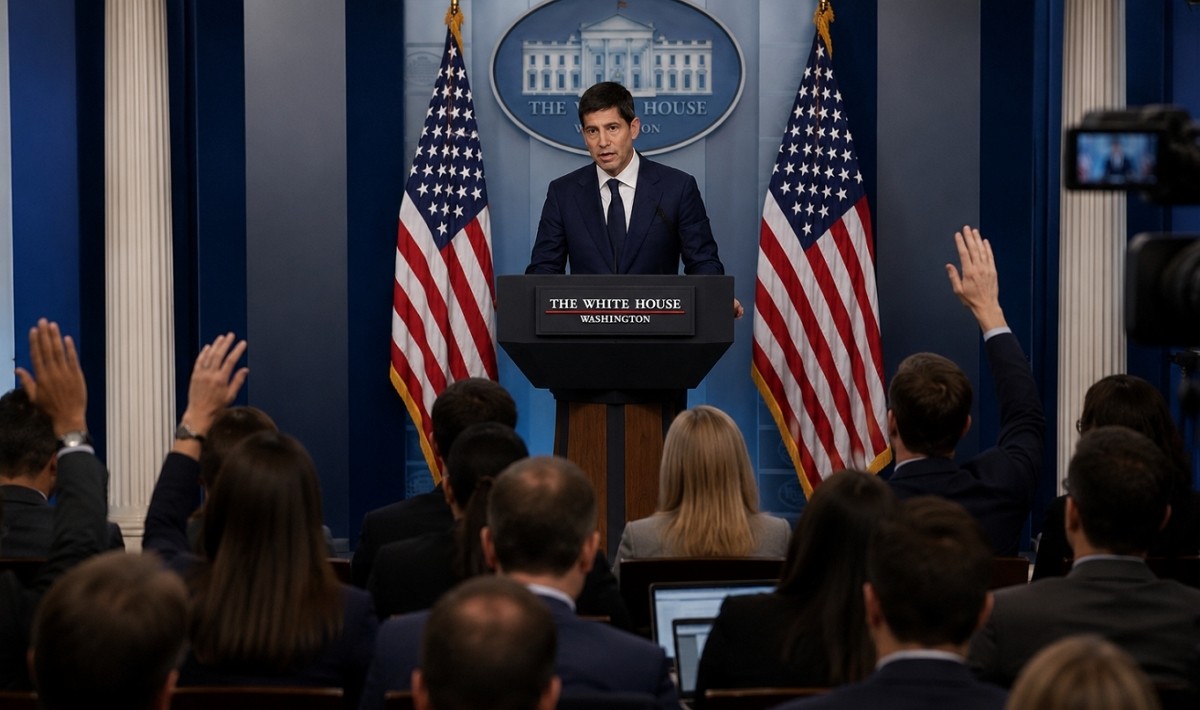
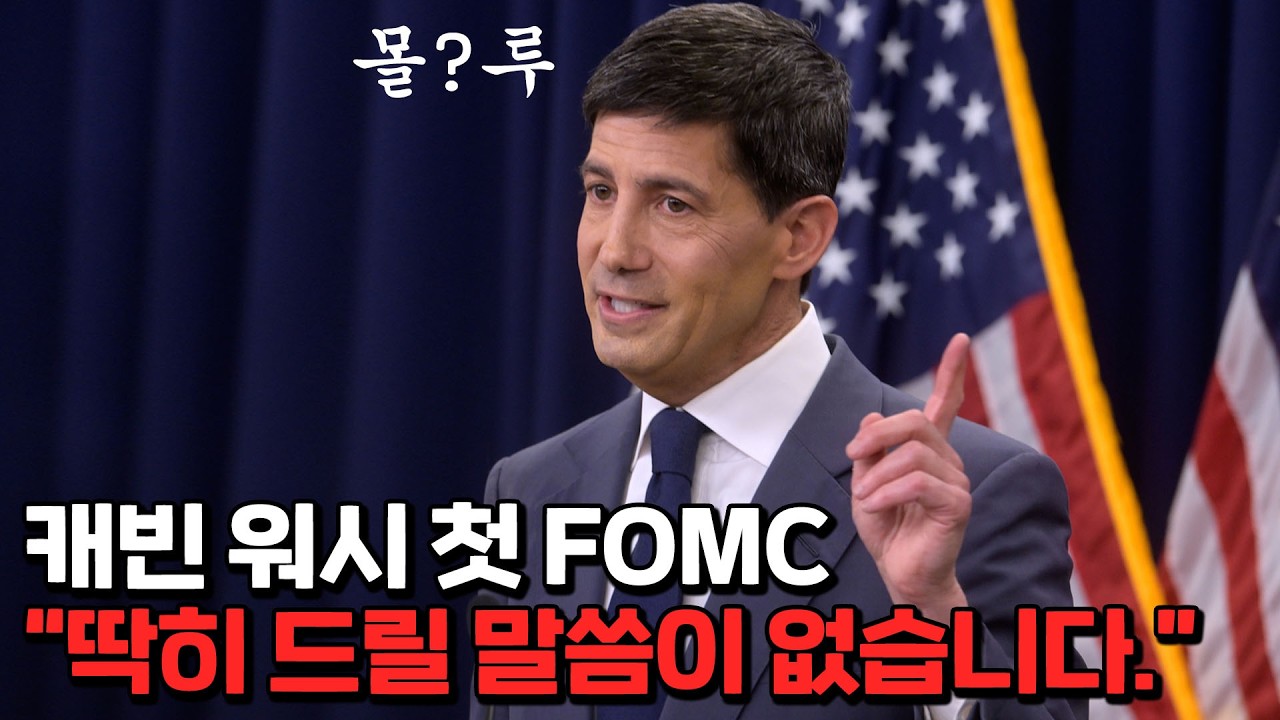
Fed Chair Kevin Warsh displayed a strong wariness of inflation throughout the press conference, openly revealing his hawkish stance. He repeatedly emphasized that it is a clear fact that prices have been too high for too long. While he did not set a specific deadline for potential further rate hikes, he left the door open, heightening market tension. Market participants were busy calculating what the next move might be, paying close attention to every word he said. Chair Warsh pointed out that there is still insufficient confidence that underlying inflation is converging toward the target at a sufficient pace. The committee’s unanimous vote demonstrates a strong resolve to achieve price stability as urgently as possible. This action proves his previous commitment at the Jackson Hole symposium to adhere to principles. He firmly stated that this measure is the beginning of a sincere effort to definitely achieve the price stability goal. It was a clear demonstration of the will to show action, not just empty warnings.
Chair Kevin Warsh showed strong resolve by leaving the possibility of further tightening open to ensure price stability.
3. Financial Conditions Are Not Yet Tight
While many experts assess that the current interest rate level is sufficiently restrictive, Chair Warsh’s view was the opposite. He offered an unexpected diagnosis, stating that it is difficult to characterize current financial conditions as restrictive. He reported that fellow committee members attending the meeting also felt uncomfortable describing the current market situation as restrictive. This is interpreted as a signal that there is still ample justification and room to raise the benchmark rate further. In reality, street vendors and employees with loans are already struggling under the burden of interest. However, from the central bank’s perspective, it seems they judge that the economy has not yet received enough pressure to cool down overheating. There is a significant gap between the pain of high interest rates felt by the public and the reality indicated by macroeconomic indicators. These remarks are bound to act as a decisive factor that cools the stock and real estate markets. The message that tightening is not yet over serves as a reminder to investors of the importance of risk management.
The Fed determined that current financial conditions are not sufficiently restrictive, hinting at the possibility of further rate hikes.
4. The Path Ahead Indicated by the Dot Plot
Examining the dot plot released alongside the decision clearly reveals how hawkish the Fed officials’ future interest rate outlook is. Out of 18 total committee members, 16 predicted that rates could be raised at least one more time this year. Even more aggressively, four of them forecast that rates could be hiked two more times. While Chair Warsh drew a line by stating he would not provide separate forward guidance, the numbers in the dot plot already indicate the direction. For households losing sleep over the prospect of increasing monthly mortgage payments, this is shocking news. Companies are also suspending new investment plans as their cost of capital snowballs. The central bank’s hawkish stance will function as a whip that strongly tightens market liquidity for the time being. The position of the dots on the plot foreshadows that the economic reality we face ahead will not be easy.
The majority of committee members participating in the dot plot projected that additional rate hikes are needed this year.
5. Executive Pressure and Defending Independence
President Donald Trump has repeatedly pressured the Fed to continuously lower interest rates. Questions about his relationship with the President or the pressure he faces came up at the press conference, but Chair Warsh deftly sidestepped them with his characteristic composure. Instead of revealing specific discussions with the President, he emphasized that price stability is the greatest benefit for struggling citizens. This indirectly expressed his will to steadfastly uphold the central bank’s independence despite the executive branch’s strong demands. He showed no particular agitation even when asked about the President’s threat to cut off trade with deficit countries if rates were not lowered. His attitude is to look only to the mandate of price stability granted by Congress, not to be swayed by political influence. While the tug-of-war between politics and economics has always existed, the tension reaches its peak when it coincides with a period of rising prices. It reaffirmed the principle that stabilizing grocery prices for ordinary people takes precedence over political pressure.
The Fed expressed its will to maintain independent monetary policy, ignoring the executive branch’s pressure for rate cuts.
6. Future Outlook and Reader Response Strategies
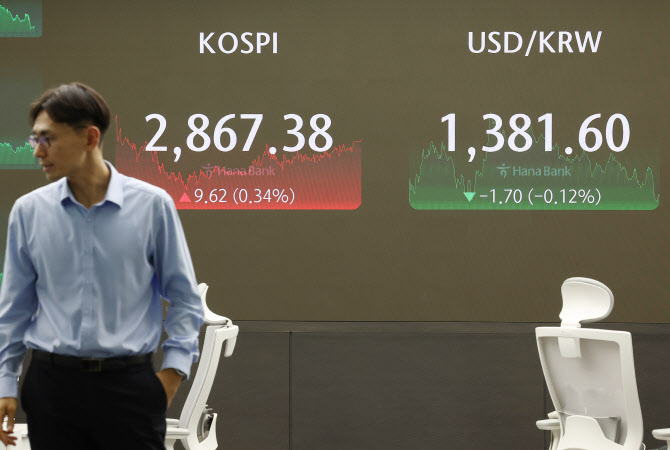
The Fed’s rate hike and hawkish remarks are causing massive tectonic shifts in the global economic landscape. Since high interest rates are likely to persist until inflation is firmly under control, a complete overhaul of personal asset management strategies is necessary. It is wiser to secure cash flow and increase the proportion of safe assets rather than leveraging excessive loans to build assets. The wisdom to check fixed monthly expenses and cut unnecessary consumption is more essential than ever. Rather than reacting emotionally to government and central bank statements, one must read the broader macroeconomic trends and build one’s own defense. One must carefully assess the impact of exchange rate volatility and interest rate changes on household finances and prepare countermeasures. Since the possibility of additional hikes remains open until the end of the year, pausing investments and securing cash should be the top priority. To overcome this crisis wisely, please honestly review your current asset status starting today.
Given the expectation of prolonged high interest rates, individuals should manage debt and focus on safe assets.
Frequently Asked Questions
=