
Cases are emerging where citizens who quickly spotted suspicious financial transactions that are easily overlooked in daily life have successfully prevented fraud, earning them a 1 million won reward from banks. This is bringing warmth to the community. As money-extortion schemes are currently rampant, targeting people of all ages and shaking ordinary lives to their core, close attention from those around us is more essential than ever. Those who received the reward recently noticed unusual signs in their workplaces and daily lives that differed from the norm, immediately contacting law enforcement and financial institutions to prevent significant losses. The courageous actions of citizens who actually blocked crimes, going beyond merely urging caution, resonate deeply in our society. Financial institutions are also making multi-faceted efforts to prevent increasingly sophisticated crimes, including the adoption of artificial intelligence technology. In this article, we will look in detail at the specific situations where voice phishing was prevented and rewards were earned, as well as the essential response methods we must know in our daily lives.
=
We Caught a Voice Phishing Scammer and the Bank Gave Us a 1 Million Won Reward

1. The Miraculous Moment of Preventing Voice Phishing and Receiving a 1 Million Won Reward
The actions of citizens who protected valuable assets in the midst of an ordinary day are making headlines daily. Those who noticed suspicious tactics at bank counters or in everyday settings blocked massive financial losses with quick judgment in just a few minutes. Financial companies expressed their gratitude for this active cooperation by awarding each of them a 1 million won reward. The situations they faced were moments anyone could encounter, but thanks to their usual attentiveness, they were able to save their neighbors from the trap of crime. Their attitude of not being swayed by suspicious phrases or calls from strangers and instead seeking help from those around them played a decisive role. This case clearly demonstrates how important the warm concern of those around us and a prompt reporting spirit are in preventing fraud. It was thanks to the neighbors who reached out during moments when it is easy to worry alone or panic that a large sum of assets could be preserved. Bank officials also expressed deep gratitude for these heroic actions by citizens, stating that they will further strengthen their cooperative relationship in the future.
Citizens’ quick response prevented fraud and earned them a reward from the bank, showcasing the warm solidarity of our society.
2. Increasingly Sophisticated Fraud Variants and Risks in Daily Life

Recent money-extortion crimes have evolved into highly intelligent forms, moving away from the clumsy speech patterns and rough scenarios of the past. Variant methods that can cause even young people or those new to society to lose tens of millions of won in an instant are rampant, emerging as a serious social issue. In addition to impersonating public institutions or financial companies, scammers use cunning psychological tactics, such as staging urgent family situations to cloud judgment. Victims often experience a moment of mental blankness, leading them to make the mistake of transferring money to accounts or handing over cash as instructed by the scammers. These cunning traps are so meticulously crafted that anyone can fall for them if they do not maintain a sense of alertness. Heartbreaking stories of people losing their life savings in an instant while trying to gain a small profit continue to flow through the news. Therefore, it is necessary to develop the habit of not lightly dismissing calls from unknown numbers or internet addresses of unclear origin, but rather to suspect them first.
As criminal methods become more sophisticated, they do not discriminate by age or gender, so one must always maintain strict vigilance.
3. The Financial Sector’s Advanced Defense and the Role of AI

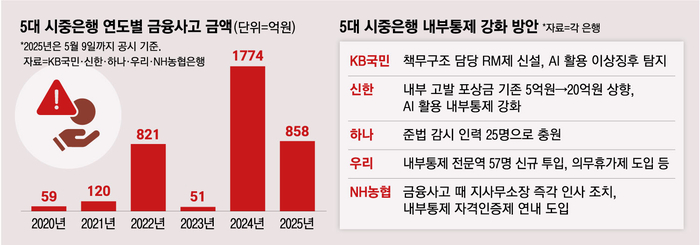
Financial institutions, including banks, are actively adopting artificial intelligence technology to counter increasingly sophisticated fraud crimes, going beyond simple manpower responses. Their abnormal transaction detection systems have been strengthened so that an immediate alert is triggered when attempts at transfers or withdrawals with patterns different from the norm are detected. Counter staff also faithfully perform their role of carefully asking for reasons and intervening when customers try to withdraw large amounts with anxious expressions, through regular training. Thanks to this multi-layered defense network of financial companies, the number of criminal attempts that fail is significantly increasing, and the scale of losses is trending downward. With technical blocks and the warm intervention of on-site staff working together, the space for scammers is gradually shrinking. Financial companies plan to continue investing in cutting-edge technology to safely protect customers’ assets in the future.
Financial institutions are fundamentally blocking fraudulent transactions by combining artificial intelligence with thorough staff training.
4. The Most Effective Action Guidelines for Preventing Damage

To detect fraud attempts early in daily life, it is essential to keep several key response guidelines in mind. If you receive a contact from a stranger demanding money, you must absolutely not transfer funds or provide personal information on the spot. If you receive a contact impersonating a family member or acquaintance, you must always attempt a direct phone call to verify the other party’s identity. If you have already completed a bank transfer or handed over cash to a suspicious person, you must contact the police or the relevant financial company immediately, without a single second of delay, to apply for a payment stop. A prompt payment stop is the most probable method to recover valuable assets, and the longer you wait, the harder it becomes to find the money. It is necessary to foster a culture of sharing information about the latest fraud methods with those around us and offering advice to each other when danger signals are detected.
If you receive a suspicious contact, immediately hang up, verify the identity, and request a payment stop right away.
5. A Crime-Free Society Created by Neighbors’ Concern

The stories of citizens who prevented fraud and received rewards well illustrate how much power a warm gaze toward our surroundings holds. Although the world may feel like a harsh place to live alone, there are still neighbors who are not indifferent and reach out when someone is in danger. The rewards given by banks are not just monetary compensation but evidence of the solid solidarity in our society where we protect each other. The more widely these heartwarming news stories are known, the more people will open their eyes to dealing with crime, and scammers will find it impossible to gain a foothold. Small efforts to look out for our surroundings with the mindset of protecting the assets of our family and neighbors gather to form a massive shield that prevents large-scale crime. We look forward to seeing the continued active roles of such courageous citizens throughout our society in the future.
Warm concern for neighbors and active response are the driving forces for preventing crime and creating a safe society.
6. Our Pledge for a Safe Financial Life

Voice phishing is not simply a matter of blaming individual negligence; it is a serious crime that our entire society must join forces to eradicate. As technology advances, fraud methods will become increasingly sophisticated, but our will to prevent and our ability to respond quickly must grow alongside them. We must pool our hearts to share the various response guidelines and signs we learned today with family and friends, so that not a single victim occurs. Only when the government, financial institutions, and everyday citizens form a triangular alliance can a safe financial environment be truly completed. In the future, if you receive unfamiliar contacts or suspicious transaction requests, please do not panic but respond calmly to firmly protect your valuable assets. The small attentiveness and concern of us all will come together to create a safe tomorrow where no one sheds tears over fraud.
We are creating a safe, fraud-free financial life through strict vigilance and continuous information sharing.
Frequently Asked Questions
=