
To get straight to the point, the timing of when you can start receiving your civil servant pension depends entirely on the year you were first appointed to public office. In the past, it was common to start receiving pension benefits immediately after retirement. However, due to several revisions to the system, it has become increasingly common for individuals to have to wait until they are 65 years old. This is why many people around you are anxiously tapping away at their calculators, wondering, “When exactly will I finally get my hands on my pension?” This is particularly concerning for younger generations who joined the workforce recently, as there may be a gap in income between their retirement date and the actual start of their pension benefits, making thorough preparation essential. In this article, we will carefully examine the eligibility age based on your initial appointment date, whether benefits are reduced when both spouses are recipients, and practical strategies for preparing for retirement. Understanding the precise flow of the system will make your retirement planning much more concrete and less overwhelming.
=
When and How Much Will You Receive from the Civil Servant Pension? A Complete Guide to Eligibility Ages and Calculation Methods by Appointment Date

1. Pension Eligibility Age Varies by Initial Appointment Date

The most absolute criterion for determining when you can start receiving your civil servant pension is your initial appointment year. In the past, as long as you met the required years of service, you could receive your pension regardless of your age. However, due to reform measures aimed at fiscal stability, the eligibility age now varies by generation. For example, those appointed before 1995 are often subject to the old regulations and can frequently start receiving their pension immediately after retirement. In contrast, for civil servants appointed after 1996, the system has shifted to a structure where the pension eligibility age is gradually delayed.
Specifically, those appointed after 2006 can only start receiving their pension once they reach the legally mandated age. This has led to a phenomenon where income is cut off for several years between the retirement age and the pension eligibility age, causing deep concern among retirees. This is also why many civil servants you meet in daily life consider retiring earlier than the mandatory retirement age or choosing voluntary early retirement; they first check this eligibility age. It is essential to accurately remember your appointment date and perform a simulation calculation on the website of the pension fund or relevant agency.
If your initial appointment year is after 1996, the pension eligibility age is gradually delayed, so you should check for any gap between your retirement date and the start of benefits.
2. Are Benefits Reduced if Both Spouses Are Civil Servants or Receive Other Pensions?
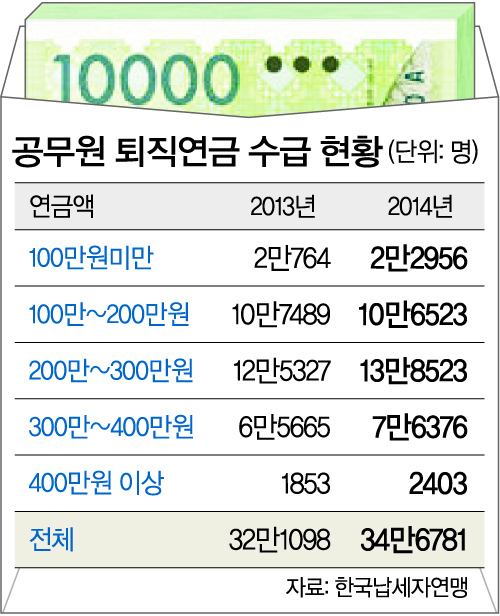
Many people are curious whether their pension benefits will be reduced if there is a couple of civil servants in the family, or if one spouse is a civil servant and the other worked for a private company and receives the National Pension. To answer directly, if both the husband and wife were enrolled in the civil servant pension and have since retired, their benefits are not forcibly reduced simply because they are married; each receives their full amount. Since both contributed independently to the fund, it is a natural principle that their respective rights to benefits are fully recognized.
On the other hand, the situation may be slightly different in cases where one spouse receives the civil servant pension and the other receives the National Pension, a situation linked to public pensions. In the past, there were some adjustments when receiving different public pensions simultaneously, but it is important to understand the current structure where benefits are paid according to their respective legal bases. Rumors circulate among acquaintances that “if you receive both pensions, you pay a lot of tax or get a reduction,” but looking at the actual regulations, this is not necessarily the case. While the criteria for taxes or health insurance premiums may vary depending on the couple’s combined income, the pension amount itself is not halved.
If both spouses receive the civil servant pension, they can receive their full benefits without reduction, and the relationship with other pensions is governed by individual laws.
3. Pension Increases Reflecting Inflation and Actual Living Conditions
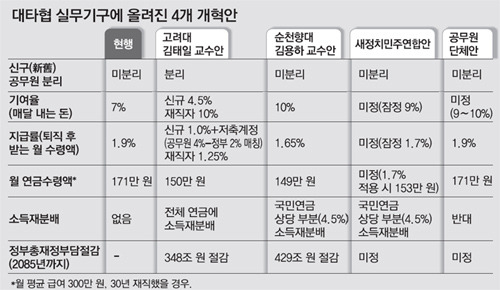
Every year, as prices rise, civil servant pension recipients are highly interested in how much their pension will increase the following year. Typically, the pension amount is adjusted slightly to reflect the previous year’s Consumer Price Index (CPI) increase. According to recent announcements, a slight increase is expected, which provides some relief to household budgets. However, the reaction from retirees who hear about an increase in the late 2% range is often calm or even disappointed. This is because public utility rates and grocery prices feel like they are soaring much more sharply, making it difficult for the pension increase to noticeably improve their actual living circumstances.
For households that rely solely on pension income after retirement, there is a limitation in that the increase reflecting inflation does not fully alleviate the pressure on living expenses. For example, even if the monthly pension increases by a few ten-thousand won, if expenses for medical bills or food increase at a faster rate, people feel that their living conditions have actually become tighter. Therefore, rather than relying solely on pension increases, wisdom is needed to prepare various forms of assets before retirement. While the trend of adjusting pensions to match price fluctuations continues, it is an era where individuals must protect their own financial health.
Pension amounts are adjusted slightly each year based on inflation, but securing additional retirement assets is essential considering the perceived rise in prices.
4. The Impact of Civil Servant Pension Reforms on Young People’s Preference for Public Office
In recent years, news reports have been non-stop about the competition rate for civil service exams among young people not being as high as it used to be. The public sector, once called an “iron rice bowl” and boasting the highest stability, no longer appears as an attractive workplace for the younger generation. At the center of this is the multiple rounds of civil servant pension reform, which, combined with the economic reality of the younger generation, has brought about significant changes. As it becomes unclear whether they will get back what they paid in and the timing of receipt is pushed further back, the sense of deprivation felt by young new hires has grown.
When talking to civil servant friends in their 20s and 30s, I often hear them lament that the biggest weapon, retirement security, has lost its luster since the pension reforms. The wage gap with private companies remains, but it is becoming difficult to expect the generous pension benefits enjoyed by older predecessors, leading to lower job satisfaction than before. These institutional changes not only alter individual career choices but also have a profound impact on the overall manpower supply structure of public institutions. As discussions continue to enhance the sustainability of the pension system, communication with the younger generation and the establishment of supplementary measures remain important tasks.
Worsening pension payment conditions and delayed receipt times are major causes lowering young people’s preference for public office and changing career choice paradigms.
5. Realistic Asset Management Strategies for Preparing for the Income Gap After Retirement
As the pension eligibility age is delayed depending on the appointment date, how to survive the income gap between mandatory retirement and the start of pension payments has become a major challenge. For example, if you leave your job at age 60 due to voluntary early retirement or mandatory retirement, but your pension starts at age 65, you face the precarious situation of having to survive for five years without income. If you face this period unprepared, you may end up in the worst-case scenario of depleting all your savings or having to take on debt in a hurry.
The reason why current civil servant seniors are diligently looking into supplementary means such as personal pensions or reverse mortgages before retirement is precisely to fill this gap. If you rely solely on the civil servant pension and prepare carelessly, you may suffer from financial hardship from the early stages of retirement, so multi-layered retirement planning is essential. You should simulate your cash flow by combining your severance pay, pension fund accumulations, and personally subscribed savings products. Retirement is not an end but a new beginning; those who accurately predict when their income will stop and build a defensive wall are the ones who win.
To overcome the income gap until the pension start date, multi-layered asset preparation such as personal pensions or savings is necessary.
6. Future Outlook for Civil Servant Pension Changes and Wise Countermeasures
The civil servant pension system is highly likely to be reformed even more thoroughly in the future to match national fiscal soundness and the aging population trend. This is because reform discussions to balance the fund’s budget are constantly emerging from the political sphere and various sectors of society. No matter how the system changes, the first thing that public servants and those approaching retirement must do is acquire accurate information quickly. Rather than being swayed by anxious rumors passed around, you need to carefully examine the guidelines from authoritative institutions.
Ultimately, no one will take care of your retirement for you, and the strength to protect your own assets in a changing system comes from thorough interest and preparation. I recommend checking everything meticulously, from your appointment date to your expected benefit amount, and even potential income gaps, as if keeping a detailed ledger. Pension calculations may feel complex and tedious right now, but they will become a sturdy fence protecting your comfortable retirement a few years from now. If you proactively design your finances without being swept away by the waves of change, your post-retirement life can be sufficiently leisurely and happy.
It is important to plan and prepare for retirement independently based on authoritative information to prepare for continuous institutional changes.
Frequently Asked Questions
=