Although the national economic growth rate has risen due to a boom in the semiconductor industry, small self-employed businesses with annual incomes of 12 million won or less have surged by more than 40% in the last four years, revealing severe polarization. According to data from the National Tax Service submitted to the National Assembly, the number of businesses with annual incomes under 12 million won exceeded 8.37 million in 2024, and their share of the total number of businesses continues to grow steadily each year. While more people are starting businesses in local neighborhood markets, fierce competition and sluggish consumer sentiment have led to a situation where actual take-home income often falls below the minimum wage. Mr. Kim, who runs a small snack shop in Mapo-gu, Seoul, sighs, saying that even after working all day, he often ends up in the red after paying rent and ingredient costs. Although macroeconomic indicators for the country as a whole have improved, it is necessary to deeply examine why this warmth is not reaching every corner of the local neighborhood markets. In this article, we will specifically explore the structural problems of the self-employment market, the increasing trend of zero-revenue businesses, and effective countermeasures.
=
Why Self-Employed Businesses with Annual Incomes Under 12 Million Won Increased by 43% in Four Years
1. The Surging Number of Small Self-Employed Workers
The explosive increase in small self-employed businesses with annual incomes under 12 million won over the past few years has raised a red alert for the livelihood of ordinary citizens. According to data submitted by the National Tax Service to the National Assembly, the number of businesses with annual incomes of 12 million won or less reached 8,379,407 in 2024. This represents a sharp increase of over 42% compared to the 5,832,552 recorded in 2020, highlighting how fragile the foundation of the self-employment market has become. The share of these businesses among all businesses also rose from 64.4% in 2020 to 66.8% in 2024, proving that more than two-thirds of all self-employed individuals are in a state where maintaining their livelihood is difficult. Behind this steep rise in small businesses lies the reality that job seekers who cannot find quality employment are being forced into entrepreneurship. Both middle-aged people nearing retirement and young people are pooling their severance pay or taking out loans to open small shops, but surviving in an already saturated market is as difficult as picking stars from the sky. As customers decrease while rent and utility bills steadily rise, a vicious cycle repeats where debts grow the more one works. It has become a daily reality in our society to see owners of local coffee shops or pubs working day and night yet earning less than their part-time employees.
Small self-employed businesses with annual incomes under 12 million won increased by more than 42% in four years, now accounting for more than two-thirds of all self-employed businesses.
2. The Temperature Gap Between Growth Rates and Local Markets
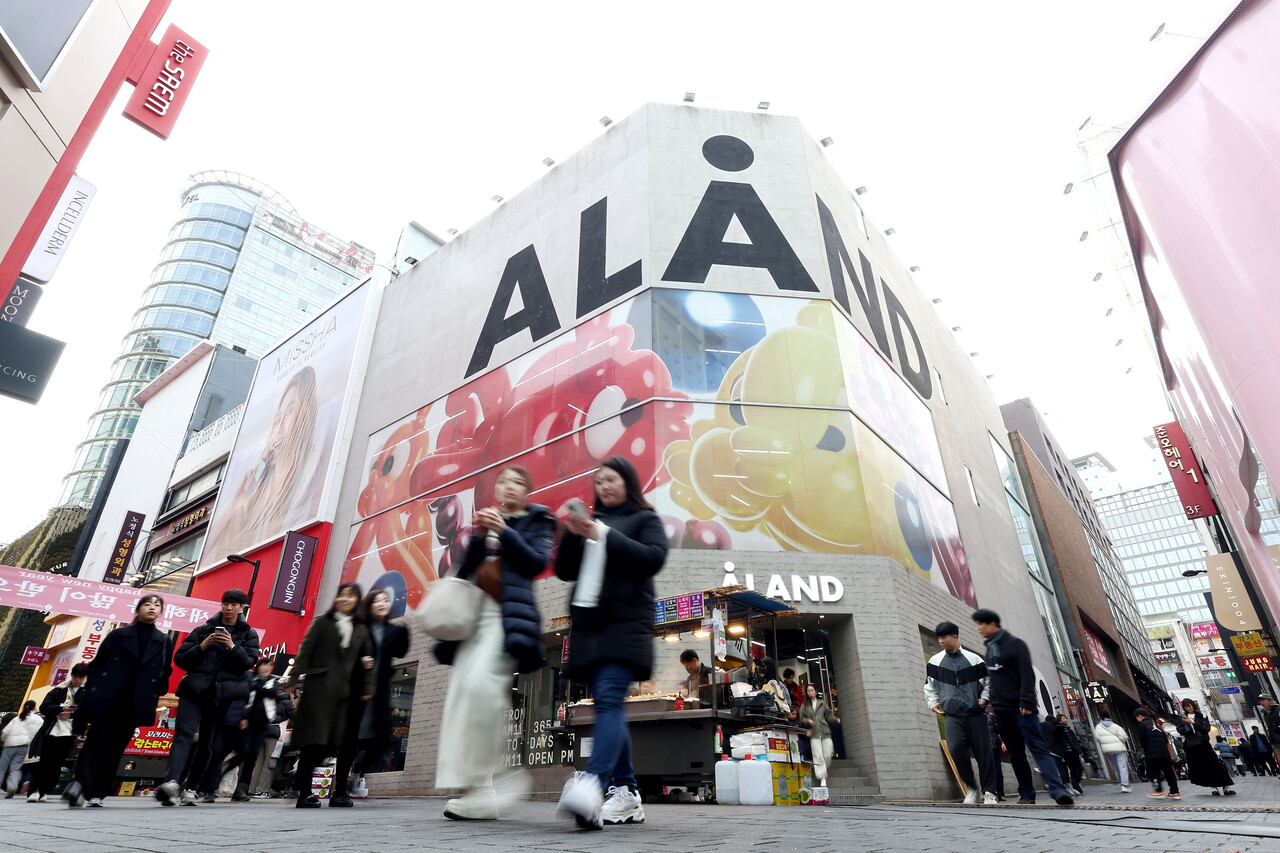
While the national economic growth rate has rebounded due to strong semiconductor exports and improved performance in large corporations, the temperature felt in local neighborhood markets has actually dropped below freezing. It was expected that improved macroeconomic indicators would naturally boost consumption and provide some relief for small business owners, but reality has unfolded quite differently. Growth centered on large corporations has failed to create a virtuous cycle where money flows smoothly into the domestic market, instead further exacerbating the concentration of wealth. In fact, while prices have soared, household real incomes have decreased, causing citizens to first cut back on spending for dining out and grocery shopping. As consumer foot traffic concentrates on large shopping malls and online distribution platforms, sales in local traditional markets and neighborhood shops are collapsing helplessly. Mr. Lee, who used to run a clothing store in Mapo-gu, revealed that he has had no customers for a long time and now works as a designated driver at night to pay his rent. The gap between the government’s release of various economic indicators and the reality felt by ordinary citizens is so vast that the sense of relative deprivation among self-employed workers has reached its peak. Judging that the economy is recovering based solely on statistical figures is premature, as the breath of the local neighborhood markets is extremely thin and precarious.
Despite macroeconomic growth, local neighborhood markets are suffering from a severe downturn due to sluggish domestic demand and the concentration of benefits in large corporations.
3. The Tragedy of Zero-Revenue Businesses

So-called zero-revenue businesses, which open their doors and attempt to operate but generate no sales at all, are also increasing sharply, causing shock. According to National Tax Service data, the number of businesses with zero annual revenue increased significantly from 780,363 in 2020 to 1,107,690 in 2024. The share of zero-revenue businesses among all businesses also rose from 8.5% to 8.8%, indicating that many establishments are effectively closed for business despite having signs up. These businesses maintain their business registration for tax reporting purposes but have no income from actual business activities, making them little more than ghost shops with only names remaining. Since rent and various fixed costs continue to be incurred even without sales, business owners find themselves sitting on a snowballing pile of debt every month. It is not uncommon for owners who want to close their businesses to be unable to do so because they have lost their deposits or cannot afford the costs of dismantling the shop, forcing them to endure. Self-employed individuals who have poured all their retirement funds into their businesses are facing the tragedy of being pushed to the brink of bankruptcy, which also collapses their family finances. Support funds from the government or local governments are merely temporary stopgaps and do not resolve the structural limitations that prevent the generation of fundamental sales.
The number of zero-revenue businesses has exceeded 1.1 million in four years, indicating a sharp increase in small merchants who are effectively closed for business.
4. Establishing Exit Routes Beyond Subsidies

Experts agree that policies simply keeping self-employed workers afloat with loans or subsidies are now hitting their limits. Criticisms continue that this life-support-style support of paying off debt with debt will only plunge self-employed workers into an even deeper quagmire. It is time to move beyond unconditional survival support and help small business owners who can no longer endure to close their shops in a timely manner and start anew. There is an urgent need for effective systems that minimize the burden during the closure process and allow for a one-stop procedure for settling affairs. Assemblyman Moon Jin-seok, a member of the National Assembly’s Committee on Finance and Economic Planning, also pointed out the reality that the warmth of growth does not reach the neighborhoods and emphasized that clear pathways for business closure and re-employment must be opened. There are voices calling for the government to take active steps so that closing a shop can be seen not as a failure but as a bold challenge for a new life. A comprehensive strategy linking closure consulting, support for shop demolition costs, vocational training, and re-employment allowances is urgent. We need a paradigm shift in policy, moving away from the past approach of indiscriminately encouraging entrepreneurship to one that gracefully opens up exit routes.
We must stop unconditional support for self-employed workers to keep struggling and establish practical exit routes that allow for timely business closure and re-employment.
5. Re-employment and Job Security
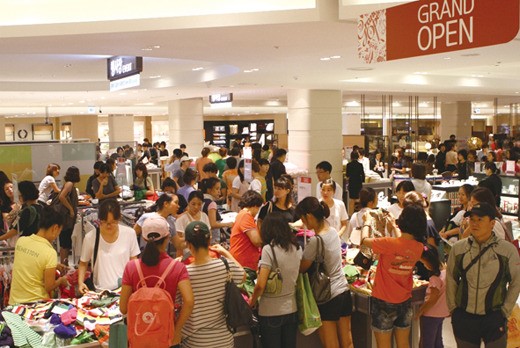
Building a robust employment safety net is paramount to ensuring that the many small business owners exiting the self-employment market can safely land back in society. It is very difficult for those who have worked only in self-employment for decades to suddenly close their shops and re-employ themselves in general corporations. Therefore, the government must significantly expand customized vocational education programs for these individuals and actively encourage their transition to promising professions. We must create stepping stones that allow them to leverage their past experience or acquire new skills to move to jobs with stable salaries. In fact, looking around, Mr. Kim, who closed his chicken shop after running it for several years, says he is now working more peacefully after learning a skill and joining a small and medium-sized enterprise in a production role. He confesses that this life, where his salary arrives on a set day and he can rest on weekends, is much better than the unstable monthly income he used to earn from business. A systematic national-level re-employment support system must be activated so that labor pushed out of self-employment can be reabsorbed as productive labor for the entire society. True economic stability will only arrive when a social environment is created where small business owners do not fear failure and can always rise again.
We must strengthen customized vocational training and employment safety nets to help closed self-employed businesses re-employ in stable jobs.
6. Challenges for an Economy of Mutual Prosperity
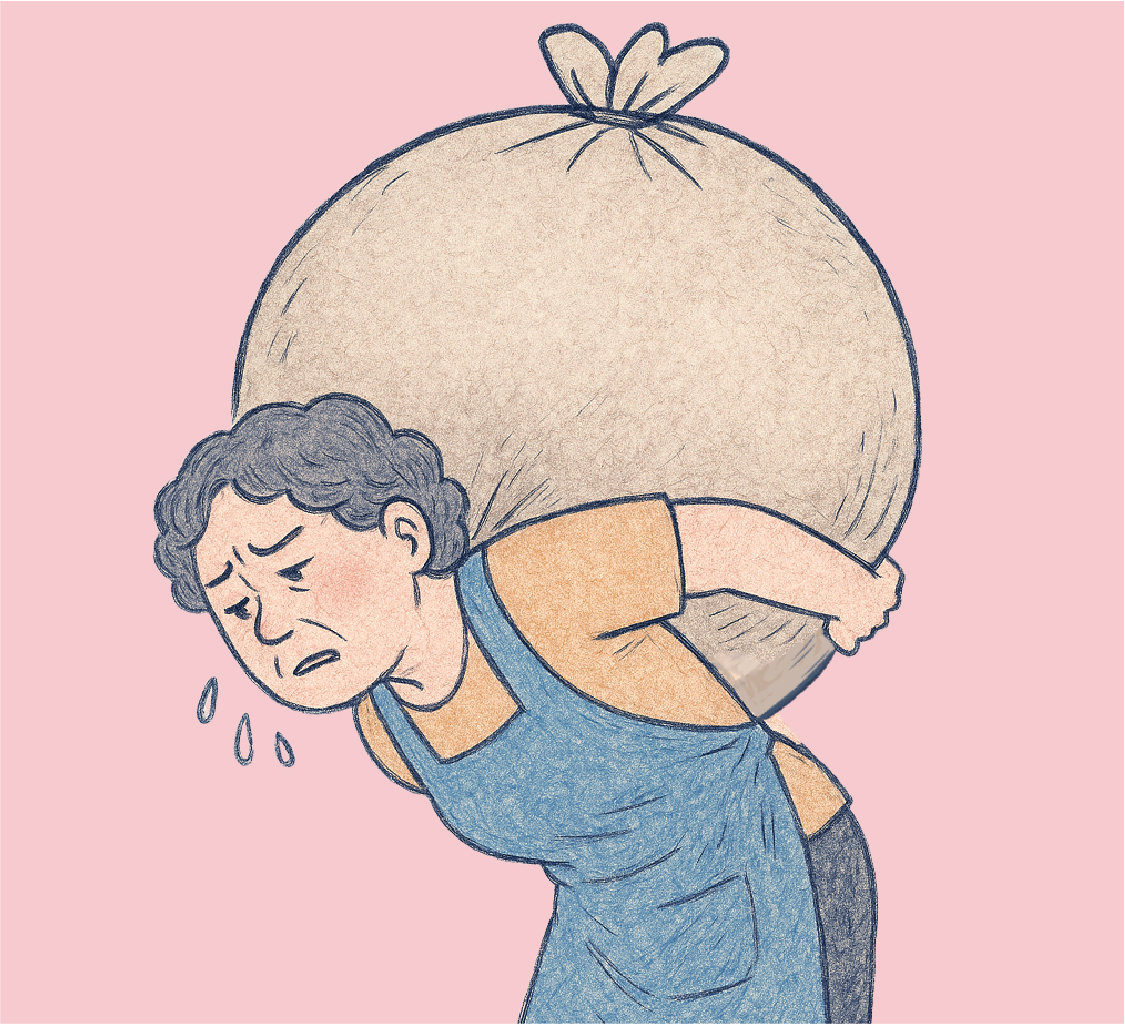
The surge in self-employed individuals with annual incomes under 12 million won is a warning light that goes beyond individual business struggles, revealing structural contradictions in our economy. We must move away from the growth formula centered on large corporations, restore vitality to the domestic market, and establish institutional mechanisms that allow small business owners to compete in a fair environment. Policies for mutual prosperity, such as reducing the burden of rent and correcting unfair trading practices between franchisees and headquarters, must be continuously pursued. Only when we achieve warm economic growth that all citizens can feel will the sighs in the local neighborhood markets finally subside. We ask our readers to pay warm attention to small merchants in their vicinity and participate in small acts of consumption to revitalize local markets. The government and local authorities must also go beyond one-off events and consistently implement long-term and effective measures that reflect the voices of the field. It is time for our entire society to pool its wisdom and extend a hand of solidarity so that small self-employed workers are no longer pushed to the brink. We must closely watch whether the government’s upcoming measures for small business owners will deliver warmth to every corner of the neighborhoods.
We must create an economic structure where self-employed workers can thrive by activating domestic demand and fostering a fair environment of mutual prosperity.
Frequently Asked Questions
=