
The Gyeonggi Province petition homepage has been completely flooded with voices demanding the resignation of Governor Choo Mi-ae, triggering a fierce backlash in the local community. This incident is not merely an internet fiasco; it is a clear indicator that residents’ dissatisfaction with local administration has reached its peak. Residents have directly pushed back against several recently announced policy directions. Let’s examine what exactly has angered so many people. We will take a deep look at how hot the temperature of public sentiment is on the ground. From here, we will thoroughly analyze the essence of this petition flooding incident and the outlook for the political situation ahead.
=
Why the Gyeonggi Province Petition Homepage Was Flooded with Calls for Governor Choo Mi-ae’s Resignation: Analysis of Causes and Impact

1. Voices Demanding Resignation Overwhelm the Petition Board

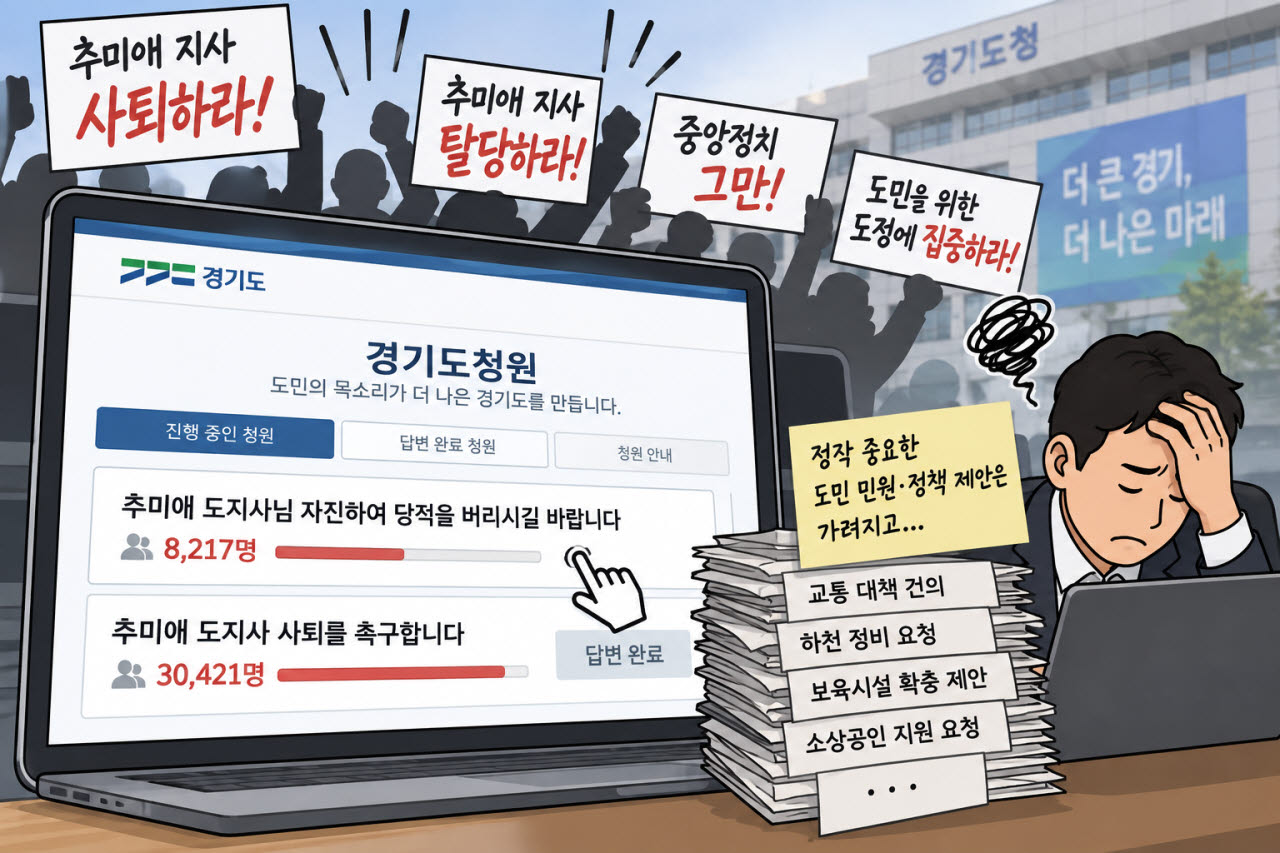
The Gyeonggi Province petition homepage is teeming with dozens of posts per day demanding Governor Choo Mi-ae’s resignation. The posts filling the main screen of the board mostly express strong disappointment with the governor’s actions. A notable characteristic is that residents who are experiencing the side effects of policies in their daily lives have taken up the keyboard, regardless of their specific political leanings. Posts that were once merely complaints from a minority have now surged in the number of endorsements, placing them at the center of public opinion. In fact, if you access the site, you can see new critical posts being registered in real-time. The fact that the online space has instantly turned into a venue for venting frustration is evidence that accumulated dissatisfaction has reached its limit.
Residents are strongly criticizing the administrative leader for focusing solely on personal political moves rather than regional development. The posts appearing daily are filled with the deep sighs of self-employed individuals busy with their livelihoods and ordinary office workers. There is no end to the criticism that the head of the local government is turning a deaf ear to the voices of the residents, and dissatisfaction is widespread that no checks and balances are functioning. One resident revealed in an interview that they were desperate to see the administration’s attention diverted to irrelevant matters while the local commercial district was collapsing. This public opinion is less of an organized movement by a specific group and more of a spontaneous nature. The administrative agency has reached a tipping point where it can no longer ignore the critical voices of the residents.
The Gyeonggi Province petition board is filled with posts from residents demanding Governor Choo Mi-ae’s resignation, showing fierce public resistance.
2. Local Residents Furious Over the Plan to Cut Livelihood Support
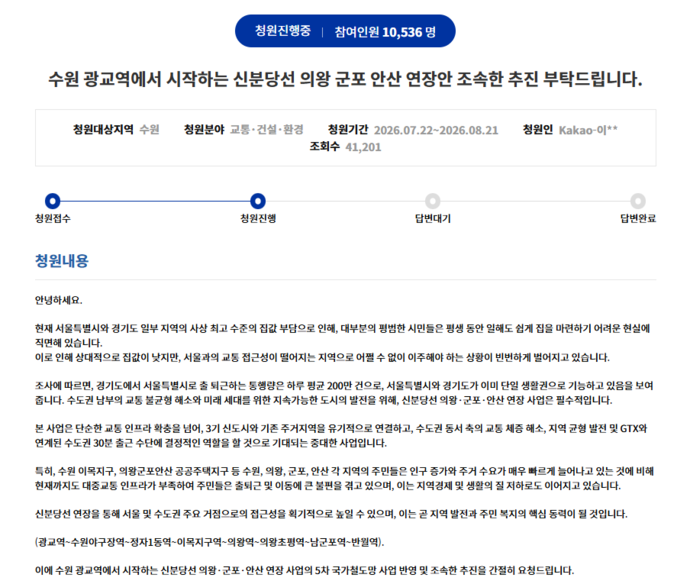
The most direct trigger for this incident is the policy to significantly cut and re-examine the livelihood support budget. For ordinary people living day-to-day in a frozen economy, the reduction in support is news like a bolt from the blue. Small business owners, who are already struggling to pay their shop rent, are on the verge of taking to the streets as the support from the government and local authorities is at risk of disappearing. In fact, a merchant met in a traditional market turned red-eyed, stating that if subsidies are cut while prices soar, many shops will be forced to close. This is why criticism is pouring in that policymakers are cutting budgets based on armchair theories without knowing the realities on the ground.
Vulnerable groups and the younger generation, who have been benefiting from support measures, are also unable to hide their shock and are collectively pushing back. As even the minimal safety net for preparing for the future is shaken, the younger generation is actively participating in the petition movement. Voices questioning who the budget allocation is truly for are growing louder by the day. While the local government explains that this is an unavoidable measure for fiscal soundness, the reaction from residents is cold. There is a barrage of criticism that unnecessary event-based budgets should be cut first before demanding pain sharing from the public. This case clearly proves that policies that ignore people’s livelihoods will ultimately face a massive backlash.
The announcement of the plan to cut livelihood support triggered an explosion of anger among residents facing economic difficulties, leading to their participation in the petition.
3. Scrutiny of Party Affiliation Controversy and Political Moves
In addition to policy-related complaints, controversies regarding the governor’s personal party affiliation have added fuel to the fire in this incident. Demands for the governor to voluntarily resolve their party affiliation or clarify their political stance make up a significant portion of the core content of the petition posts. The criticism is that while holding a position of great responsibility for local issues, the governor is paying more attention to the interests of central politics. Residents, worried that the fairness and neutrality of the administration will be compromised, are not withdrawing their sharp gaze. There is no end to the criticism that the promises made during the election have been pushed aside, and only political slogans are rampant.
A perception has deeply spread among residents that the governor is using local administration as a means to solidify their position as a politician. This distrust is causing even minor administrative processes to be viewed with suspicion. The impression that the provincial administration, which should be transparent, is swayed by specific political interests has left the asset of trust depleted. A reporter covering the local government analyzed that the current atmosphere shows public sentiment is colder than at any time in the past. The party affiliation controversy is not a simple ideological conflict but is directly linked to the actual damage felt by local residents. It leaves the lesson that if a leader loses trust, no matter how good the policies they propose, they cannot win the hearts of the residents.
The governor’s personal party affiliation issues and political moves have fueled residents’ distrust, becoming a major trigger for resignation demands.
4. Concerns Over Administrative Vacuum and Growing Anxiety Among Residents

As critical public opinion has become so intense that the provincial office homepage is on the verge of paralysis, concerns over an administrative vacuum are also growing. Analysis suggests that distrust toward the governor is spreading to the entire civil service organization of the provincial office, weakening the momentum of frontline administration. Residents are watching with worried eyes whether urgent local issues will be properly resolved. If difficulties arise in the execution of various development projects or welfare policies, the damage will fall squarely on the residents. Since organizations with shaken leadership are bound to have weakened internal cohesion, voices of concern are erupting from all sides.
Frontline civil servants are also facing structural limitations where they must look over their shoulders and their concentration on work inevitably drops. Self-mocking sighs are emerging that they cannot carry out the administration truly needed by residents because they are too busy watching their superiors’ reactions. The image of an administrative agency with severed communication channels instills a sense of powerlessness in residents and diminishes the vitality of the entire local community. Economic experts are warning one after another that if this situation persists, it will negatively impact the regional economy as a whole. The essence of administration is the safety and happiness of the residents, but the current state is criticized for being far removed from this essence. This is why residents, feeling anxious, are raising their voices on their own.
The intensifying pressure for resignation and weakened leadership are ultimately leading to an administrative vacuum and increased anxiety among residents.
5. Future Political Outlook and Challenges for Local Government Response
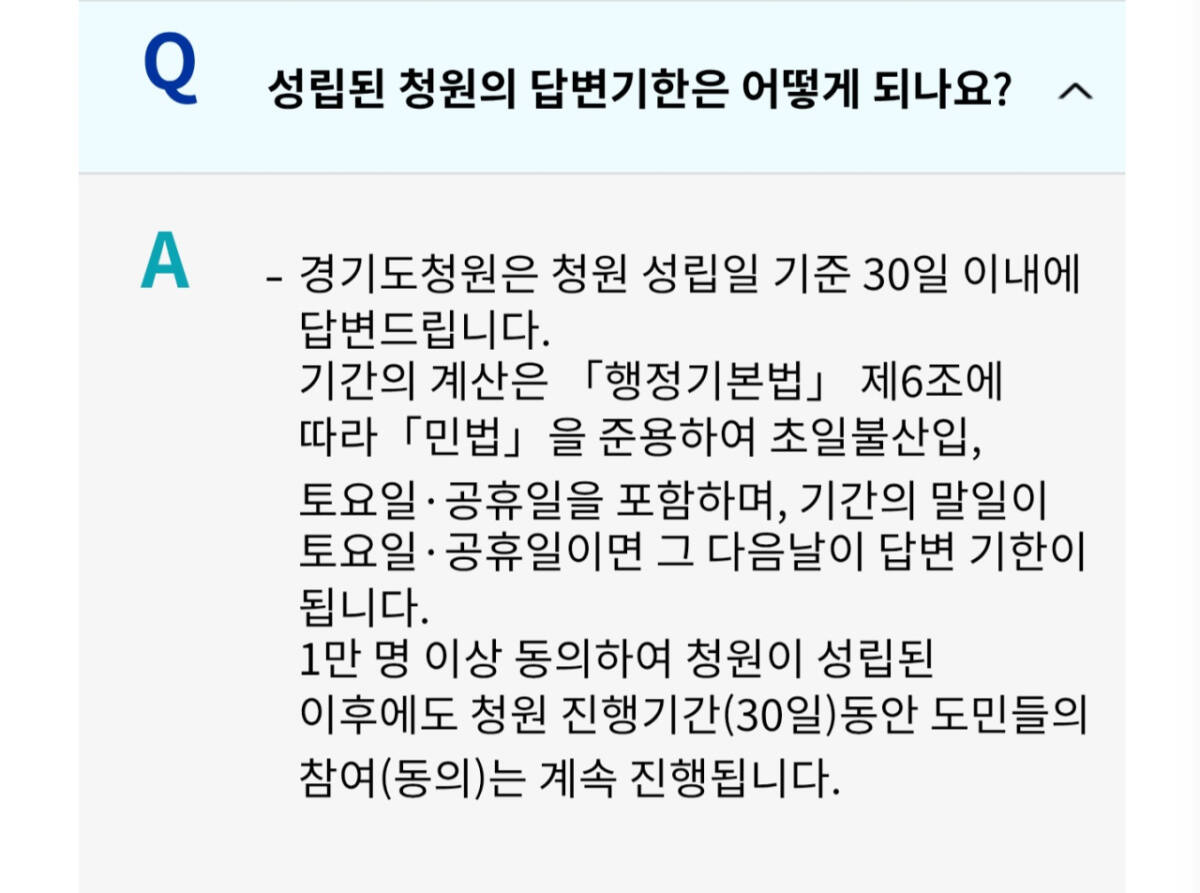
This petition flooding incident is expected to have a considerable impact on the future landscape of local politics. The media and residents are focused on what attitude the head of the local government will take under the fierce pressure of public opinion. If they simply try to cover up the situation, it could provoke even greater backlash, so a proactive change in attitude is urgent. It is absolutely necessary to re-examine livelihood support policies from scratch and engage in sincere communication that listens to the voices of the residents. Otherwise, they may face fierce resistance from residents throughout the remaining term, making normal provincial administration impossible.
The local government should not dismiss this incident as a mere deviant complaint but should use it as an opportunity for painful self-reflection. They must re-prioritize policies and present effective measures that can smooth out the wrinkles in the lives of ordinary people. Widening channels of dialogue with residents and practicing transparent administration is the only way to restore broken trust. Only when they shift to an administration that looks solely at the residents, free from political controversy, will the voices of criticism finally subside. All eyes of the nation are focused on the remedial measures and change in attitude that the local government will show in the coming period.
To restore broken trust, thorough self-reflection and a shift to livelihood-centered policies are absolutely necessary.
6. The Final Crossroads to Calm the Angry Public Sentiment

The voices demanding resignation that have filled the Gyeonggi Province petition homepage are a living lesson showing how terrifying public sentiment can be. A leader’s lack of communication and unilateral policy implementation are bound to return as a boomerang of massive resistance from residents. This is why this incident must serve as a turning point that leads to substantive change, rather than ending as mere noise. Residents have clearly shown their will to no longer endure, and now the ball is in the court of the local government. If they fail to show the courage to offer a sincere apology and correct the direction of policies, the future will inevitably be dark.
We hope that through this incident, readers will deeply reflect once again on the lack of communication in our society and the importance of people’s livelihoods. We must not forget the truth that power that does not listen to the voices of the sovereign people can be judged at any time. We urge you to keep an eye on related news as it is reported and participate in forming a correct public opinion. For the local community to stand healthy, our sharp criticism and continuous attention are essential. We hope to watch with a sense of heavy responsibility and together create a better future for local autonomy.
True communication that listens to the voices of residents is the only way to overcome this crisis and regain trust.
Frequently Asked Questions
=