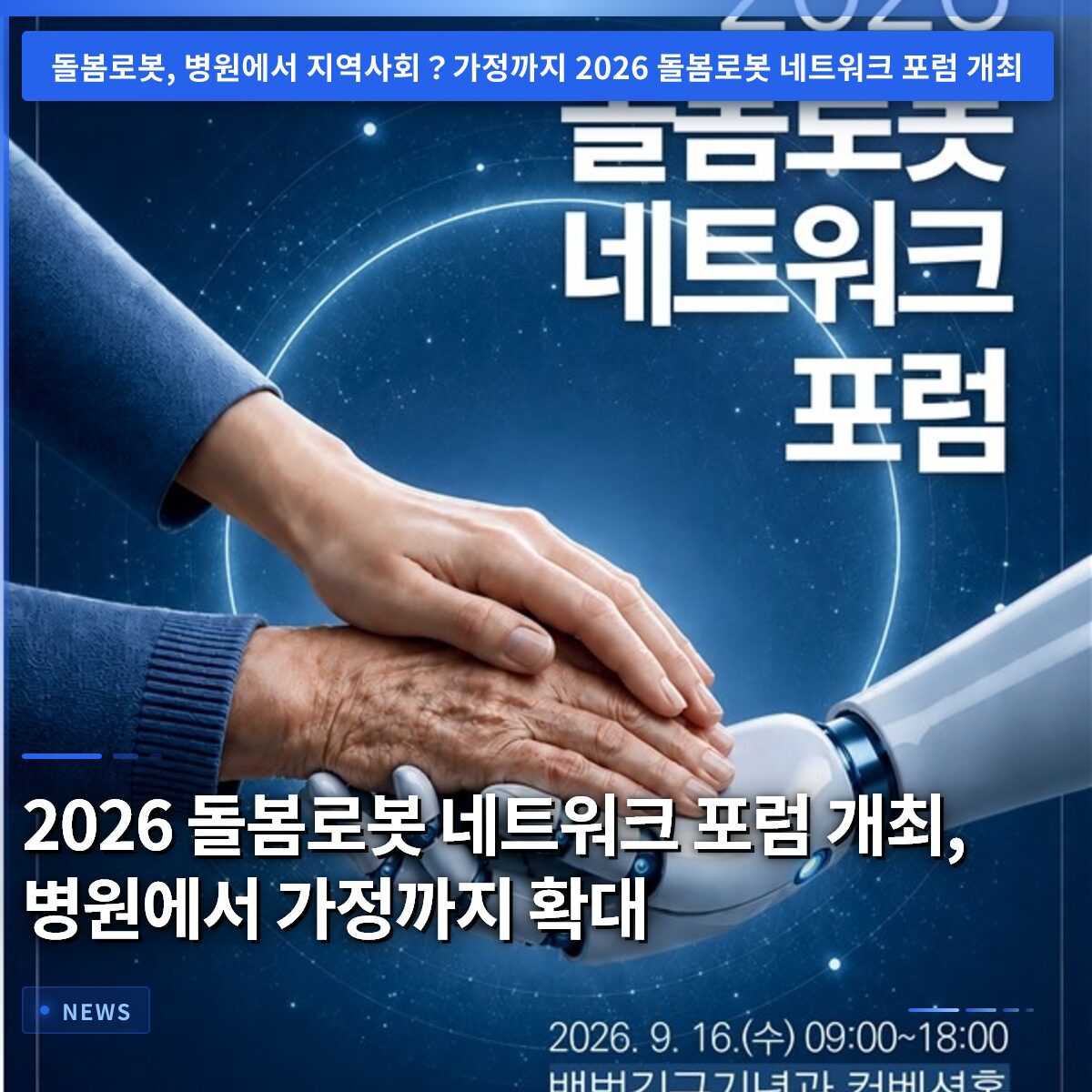
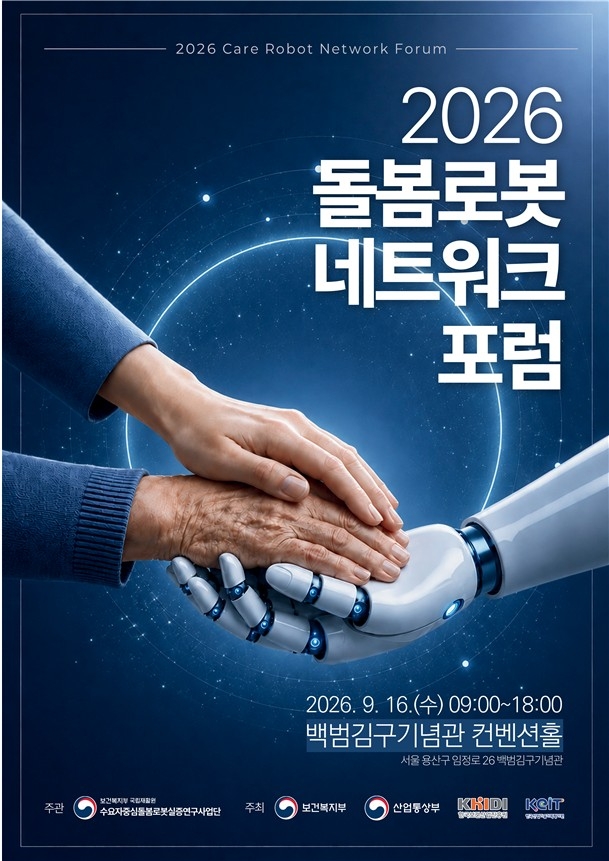
As we enter the super-aged society, caring for patients and the elderly has emerged as the most urgent challenge for our society. The event recently held is expected to provide answers to this pressing issue. Held by the National Rehabilitation Service, an agency under the Ministry of Health and Welfare, at the Seoul Baekbeom Kim Gu Memorial Hall, the event focused on expanding technologies that have been confined to hospital settings into daily life and homes. In particular, solutions that can greatly assist families caring for parents with mobility issues when professional caregivers are insufficient were discussed in depth. Experts present at the venue shared the results of ongoing research and development and brainstormed future directions. This article examines the key highlights of the event and the changes it will bring to our lives. We invite you to see how technology is transforming our daily routines.
=
2026 Care Robot Network Forum Held, Expanding from Hospitals to Homes
1. The Evolution of Care Robots: Beyond Hospitals into the Community
It is true that care-related technologies have largely remained within the limited spaces of hospitals and specialized care facilities. However, they are now penetrating deep into the communities where we actually live and ordinary households. For instance, a general hospital in Seoul demonstrated a positive case where AI-based devices were applied to patients with mobility issues, leading to improved conditions. These technologies serve as reliable allies, reducing the burden on medical staff while helping patients recover their daily independence. In the past, caring for a single patient required the constant attention of multiple caregivers or medical staff, but the situation has changed significantly. Given the rapid pace of technological advancement, the scale of change felt on the ground is growing day by day. In the future, environments will be created where patients discharged from hospitals can return home without becoming isolated and continue their daily lives safely. A structure is being formed where the entire community acts as a massive safety net, meticulously monitoring the health status of the elderly. Various institutions, including the National Rehabilitation Service, are continuously conducting research to establish this organic linkage. It was emphasized that the ultimate destination of technology should not be a specific facility, but the homes where our families breathe. This event proved that this direction is moving from a mere slogan to a concrete reality.
The focus of technology is shifting from hospitals to communities and homes, establishing a patient-centered environment.
2. The Significance of the 2026 Care Robot Network Forum
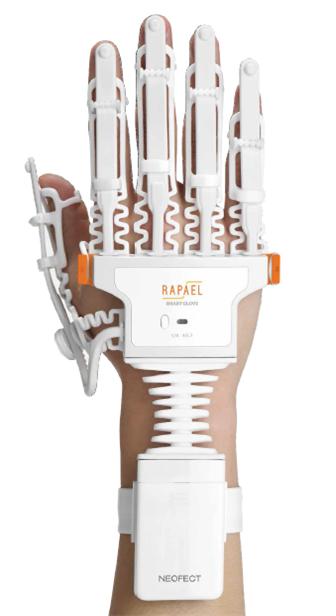
The recently held event was a meaningful occasion that went beyond a simple academic conference, sharing research achievements with the public. Director Kim Dong-ah of the National Rehabilitation Service and other officials attended in large numbers to listen to voices from the field and discuss effective countermeasures. Advanced technology is being highlighted as the key to overcoming the realistic difficulties we face in the face of the massive wave of super-aging. Indeed, various devices were demonstrated at the on-site exhibition booths, capturing the attention of visitors. Equipment designed to safely help elderly individuals with mobility issues stand up or assist them with meals showed remarkable progress. The reason such venues need to be held regularly is that they can bridge the gap between field demands and the perspective of developers. Products created solely in laboratories are often overlooked when deployed in the field, but this event actively incorporated feedback from actual users. A platform for communication was established where patients, caregivers, and professional care workers directly experienced the technology and shared their honest impressions. True commercialization is only possible when the government, private enterprises, and research institutes work together as one. This forum is evaluated as a valuable foundation for strengthening the basic capacity for such cooperation.
A platform for communication was established to share user-centered research results and reflect voices from the field.
3. User-Centric R&D and Demonstration Results
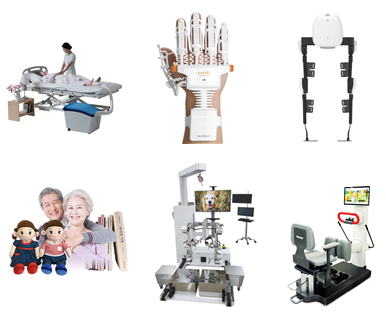
The core of the R&D conducted so far has been the implementation of technology strictly tailored to the perspective of the user, rather than being supplier-centric. Examples include equipment that helps elderly individuals with hand mobility issues eat independently and sensors that prevent falls. The demonstration research results revealed at this event showed concrete figures on how useful these devices are in real-world settings. Satisfaction levels among elderly residents in care facilities increased noticeably, and the physical fatigue of caregivers decreased significantly. This proved a symbiotic relationship where technology complements human labor rather than completely replacing it. Of course, not all research was smooth from the start; it took numerous trials, errors, and field tests to finally bear fruit. Tests were repeatedly conducted in spaces similar to actual home environments, thoroughly preparing for potential unexpected situations. Designs were improved by reducing device weight and simplifying operation methods so that elderly users or novice caregivers could handle them easily. Thanks to these thoughtful considerations, the number of elderly people accepting the technology without resistance is gradually increasing. It is expected that more advanced features will be added based on this demonstration data in the future.
Through field testing and user-centric improvements, substantial satisfaction levels were raised and labor intensity was reduced.
4. A National Challenge in Responding to the Super-Aged Society
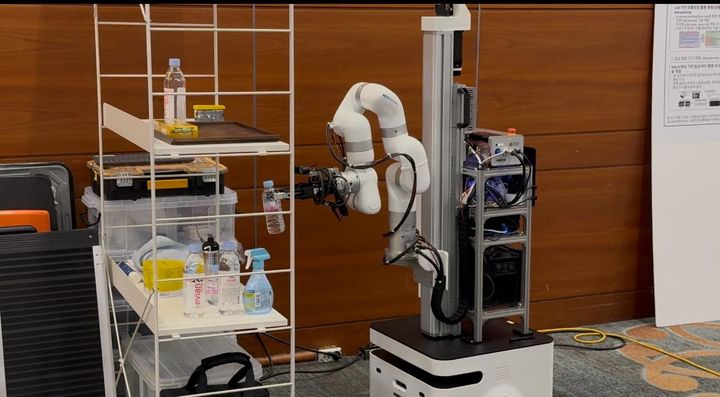
It is now common knowledge that South Korea is among the fastest countries in the world to enter the super-aged society. Consequently, the social costs associated with elderly care are increasing exponentially, and urgent countermeasures are needed. This is why the government, local authorities, and the private sector are all betting on building a welfare ecosystem utilizing advanced technology. This forum provided direction on how national welfare policies should align with technology, going beyond simple technology introductions. It is required to refine the delivery system to ensure efficient budget execution and the distribution of appropriate equipment to households in need. In particular, institutional support is essential to ensure that elderly individuals from economically vulnerable groups can enjoy these benefits without financial burden. Options such as expanding the scope of health insurance coverage or utilizing voucher systems to increase adoption rates were discussed in depth. Experts present at the venue unanimously emphasized that an era has arrived where technology itself becomes welfare. In a reality where it is difficult to manage the retirement of the entire population with limited manpower, technology has become a matter of survival rather than choice. This is why the state must take the lead in supporting R&D and encouraging field deployment.
To respond to rapid aging, advanced technology must be combined with welfare policies and its distribution expanded.
5. Vivid Changes and Challenges Encountered in the Field

We must not forget that no matter how good the technology is, unexpected difficulties often arise when applying it to the field. For example, elderly people encountering advanced equipment for the first time may feel fear of the machine or complain about the difficulty of operation. During the discussion session of this event, the importance of user education was heavily emphasized to reflect these voices from the field. The prevailing opinion was that it is urgent to assign dedicated personnel who not only sell the devices but also kindly explain how to use them. Additionally, an after-sales service (AS) system capable of providing rapid repairs must be established densely across the country. Cost is also one of the biggest barriers felt in the field, and it is time to pool wisdom to solve it. Since it is a burden for individuals to purchase high-priced equipment entirely on their own, reasonable options such as rental or sharing systems need to be activated. Equal distribution must be ensured not only in major cities like Seoul but also in small towns and rural areas to prevent anyone from being left behind. It is also necessary to create an atmosphere where field welfare workers master the usage of the devices and can naturally recommend them to the elderly. Only by resolving these small issues one by one can technology truly become a partner in our lives.
Field challenges such as device operation education, establishing repair systems, and reducing cost burdens must be resolved.
6. Future Outlook and the Path We Must Take
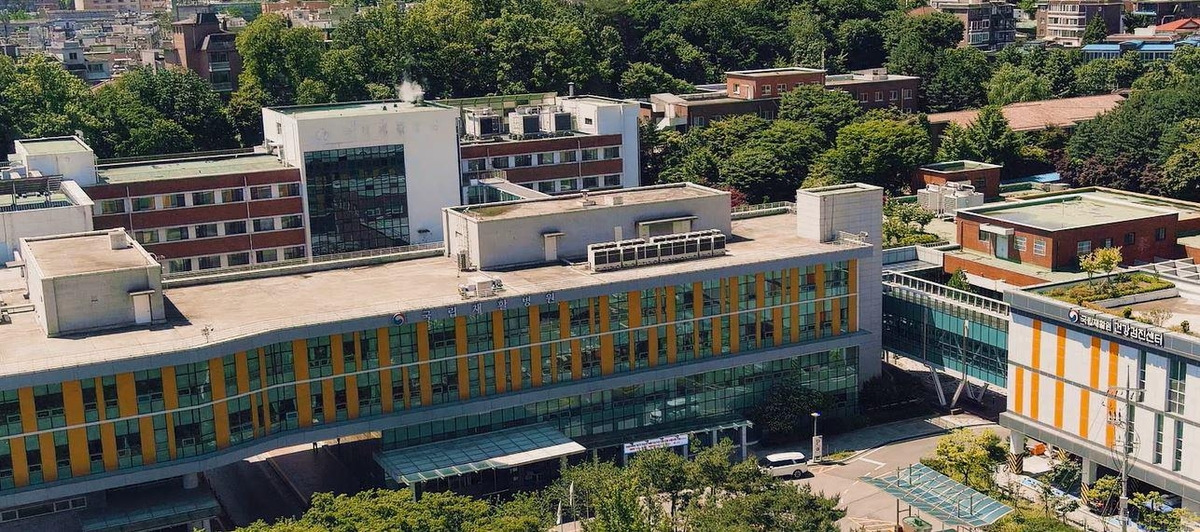
Technology deeply entering our daily lives is now an unstoppable massive trend that will benefit our lives. Just as small research started in hospitals has extended to communities and homes, it is expected to expand into even more areas in the future. If you have someone with mobility issues around you, it is advisable to look into these government support programs and related information in advance. Technology not only serves as our hands and feet but also reduces conflicts within families and provides the leisure to engage in complete emotional exchange. We all need to pay attention to creating a warm world where technology and humans coexist harmoniously in the future society. The 2026 Care Robot Network Forum served as a precious first step and a reliable milestone toward that future. We must continue to watch what additional achievements related institutions, including the National Rehabilitation Service, will present. For our society to leap to a more mature welfare state, it must be supported by an open mind and active acceptance of advanced technology. We hope you will also cast a warm gaze upon the technologies that will develop for the peaceful retirement of our parents. Based on what we have learned today, we encourage you to share stories with your neighbors and collectively gather wisdom for the aging era.
Continuous interest from readers and institutional support are needed for a warm future where technology and humans coexist.
Frequently Asked Questions
=