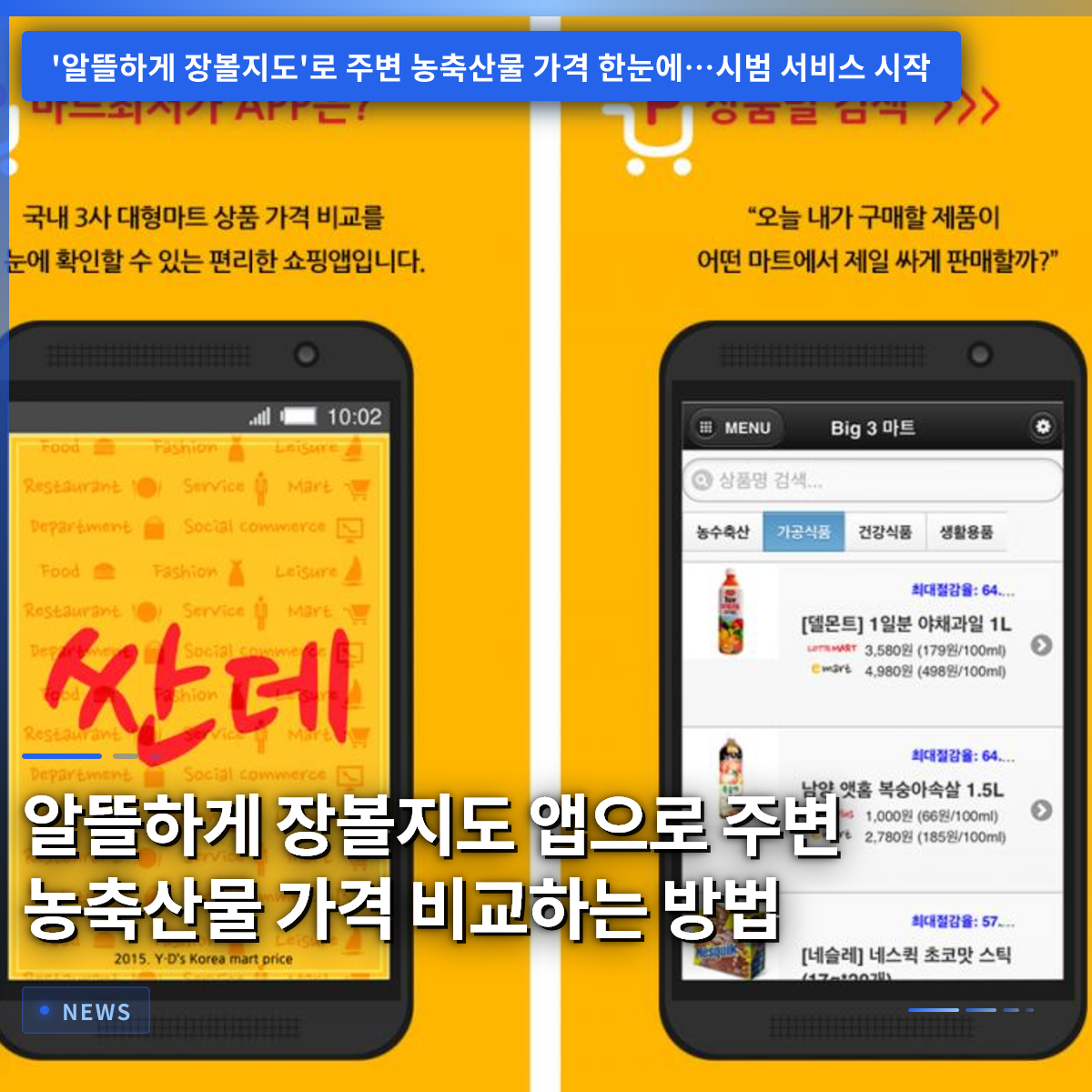
A grocery shopping application that allows consumers to compare prices and discount information for agricultural and livestock products at nearby stores at a glance has finally entered its pilot operation phase. This is very welcome news for housewives who have always had to physically visit multiple locations to compare prices every time they go shopping. This technology, jointly introduced by the Ministry of Agriculture, Food and Rural Affairs and the Ministry of Science and ICT, is expected to make our daily lives significantly more convenient. In fact, it is now easy to find out which supermarket offers the best price for a bag of onions on the way home from work using just a smartphone. Let’s take a detailed look at how this new tool will change the landscape of our grocery shopping. Please carefully review the upcoming changes in the distribution market and how to utilize this service.
=
How to Compare Local Agricultural and Livestock Product Prices Using the Smart Shopping Map App
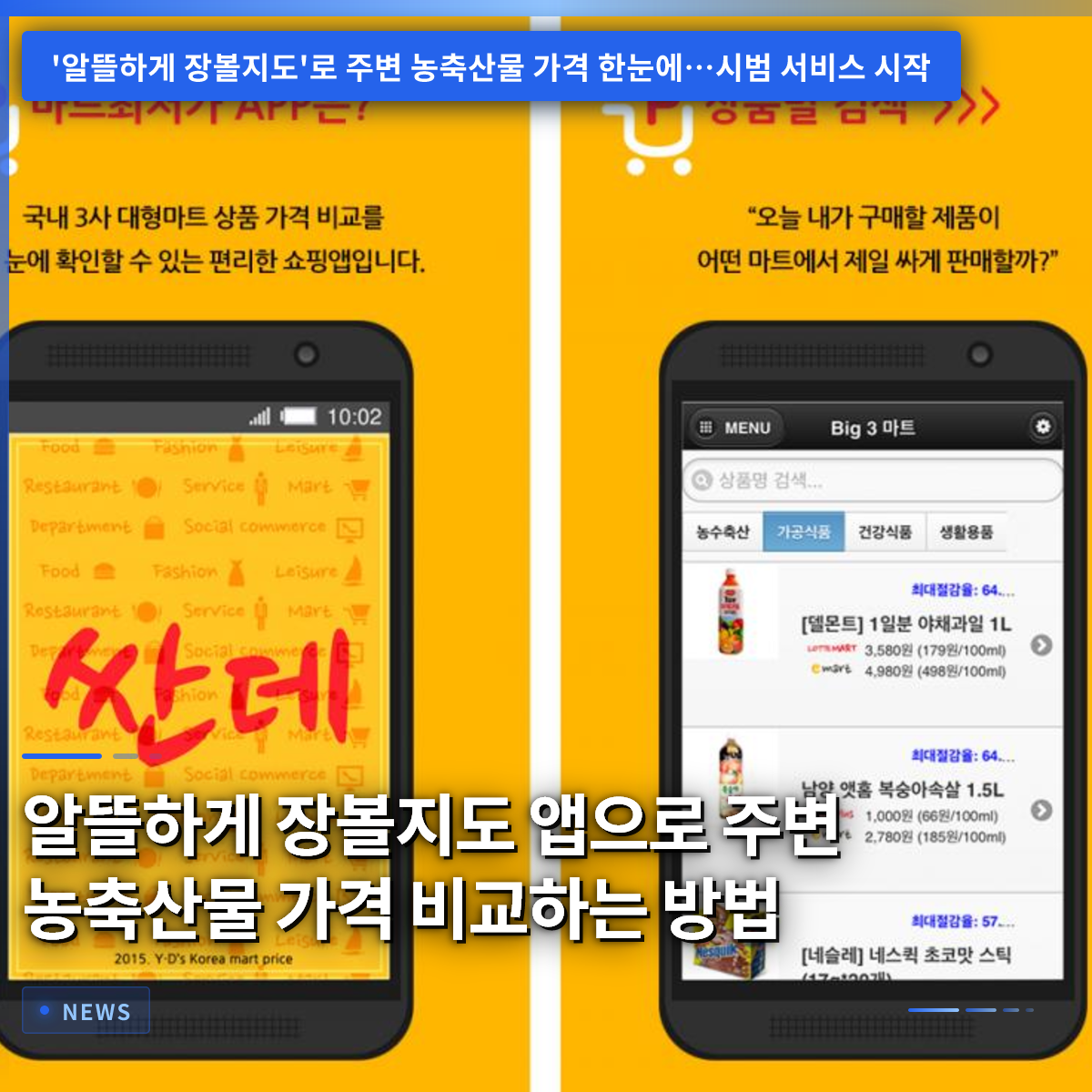
1. The Background of the Smart Shopping Map App

Fresh vegetables and fruits, which we frequently purchase in our daily lives, often vary significantly in price from store to store, frequently making consumers feel they are getting a bad deal. Comparing prices one by one from traditional markets to neighborhood marts is nearly impossible for working professionals. To resolve these everyday inconveniences, the government has decided to actively utilize information and communication technology. This grocery shopping tool was selected as the first project of a livelihood initiative by the Ministry of Science and ICT to introduce artificial intelligence into fields closely related to people’s daily lives. Development is proceeding with a clear goal of reducing the financial burden on households through the combined efforts of various ministries and agencies. It reflects deep consideration to provide essential help in real life, going beyond simply displaying prices.
The tool introduced this time will serve as a model case for creating practical value that citizens can feel every day. In times when rising prices make it daunting to reach into the shopping basket, it will act as a shield to firmly protect household economies. During the development process, the opinions of actual consumers were actively reflected to ensure that anyone can use it easily and intuitively. Without complex registration procedures or difficult screen layouts, users can obtain desired information simply by tapping their smartphone screen a few times. It is expected that such useful technologies will permeate our society even more rapidly in the future.
A government-led, lifestyle-oriented price comparison tool developed to reduce household financial burdens and resolve shopping inconveniences.
2. Pilot Operation Areas and How to Participate
Instead of launching simultaneously in all regions nationwide, this pilot service will initially operate in specific areas. Specifically, five regions—Suwon in Gyeonggi Province, Wonju in Gangwon Province, Cheongju in Chungcheongbuk Province, Jeonju in Jeonbuk Province, and Changwon in Gyeongnam Province—were prioritized and have begun operations. Residents in these areas can immediately download and try the relevant program from their smartphone app stores. Government officials and representatives from related associations have visited the sites to thoroughly check and compare actual selling prices with those displayed on the screen. The plan is to supplement any shortcomings based on the fresh reactions and improvement suggestions from consumers in the pilot operation areas.
Various promotional events are being held simultaneously to help first-time users adapt easily. It is easy to find housewives at marts taking out their smartphones to install the program and take advantage of discounts. One housewife who participated in an event expressed satisfaction, stating that it is very convenient because she no longer needs to call around or visit stores in person. If the pilot operation areas gradually expand or if nationwide commercialization is achieved in the second half of next year, more citizens will be able to enjoy the benefits. Even if you do not currently live in a target area, you can look forward to encountering this service in your neighborhood soon.
Pilot operations have begun in five regions: Suwon, Wonju, Cheongju, Jeonju, and Changwon, accompanied by on-site inspections and promotions.
3. Location-Based Price Comparison Feature

The biggest advantage of this program is that it accurately identifies the user’s current location and displays information from nearby sales outlets in real time. You can compare prices at a glance, from the supermarket in front of your house to large distribution stores a bit further away, eliminating the need to physically visit multiple locations. Even when buying a box of apples, you can see at a glance where sales are being held, allowing you to prevent unnecessary expenses in advance. Smart consumer behavior, where you can find the lowest price while sitting on the sofa without visiting stores directly, has finally become possible. It is wise to turn on the screen and plan your route before heading out by car for weekend shopping.
In practice, you can search for ingredients for a soup for dinner on the subway on your way home and designate the cheapest store. Since you can stop by that store immediately after work to pick up the items, you can save a significant amount of valuable time. From the perspective of merchants, this is a great opportunity to introduce their products to more consumers, creating a symbiotic effect. By removing bubbles in the distribution process and inducing transparent price competition, it is expected to have a positive impact on overall price stability. The ability to transparently compare the prices of fresh food we consume daily is itself a major innovation.
Based on the user’s location, it compares and displays the prices and discount events for fresh food at nearby stores in real time.
4. AI-Based Recipes and Recommendations

A standout feature is that it does not stop at simply comparing prices but combines advanced artificial intelligence technology to maximize convenience. If you enter the ingredients left in your refrigerator or select a specific dish, the AI kindly guides you through the corresponding recipe. It serves as an excellent kitchen helper for housewives who are wondering what to cook for dinner today. Moreover, it smartly recommends nearby sales outlets where you can buy the necessary ingredients for that dish at the lowest price. It resolves both the recipe and where to buy the ingredients at once, allowing even cooking beginners to complete a delicious meal.
This can be seen as a representative scene where technology deeply enters our kitchens to improve the quality of life. Shopping while following the diet suggested by the AI can naturally lead to not only saving on food costs but also achieving nutritional balance. It also increases leisure time by reducing the time wasted worrying about what to buy at the mart. It shows a warm side where advanced technology becomes a reliable partner for our households rather than a cold and difficult entity. As these intelligent functions become more refined in the future, our food life will become much more abundant.
Through AI chat features, you can receive guidance on suitable recipes and recommendations for the most advantageous purchasing locations.
5. Establishment of a Consultative Body and Future Nationwide Commercialization
To ensure the successful establishment of the service, the government has formed a consultative body involving not only the development company but also distribution companies and consumer groups. A structure has been created where related organizations pool their expertise to immediately reflect on-site voices and improve the accuracy of information. This is a strong expression of the will to fundamentally block consumer inconveniences caused by price information differing from reality. Participating distribution companies are also voluntarily entering accurate discount information and cooperating to build trust. Consumer groups are also conducting monitoring from an objective perspective to help the system proceed in the right direction.
The various opinions and data collected during this pilot operation period will become valuable assets in determining the future direction of development. The government plans to promote nationwide commercialization in the second half of next year after going through a thorough verification and function supplementation process. The day when this convenient grocery shopping tool can be freely used in all cities nationwide, including the metropolitan area centered on Seoul, is not far off. If the service expands to small local cities and rural areas, it will also greatly help in resolving the information gap. The efforts of relevant agencies will continue toward the day when all citizens can shop thriftily and wisely.
A consultative body involving distribution companies and consumer groups is being used to improve accuracy, with nationwide commercialization planned for the second half of next year.
6. Future Outlook for Smart Consumer Shopping

The price comparison tool launched this time will be a turning point that changes our society’s consumption culture, going beyond being just an application. A smart era has fully opened where one can obtain transparent price information with just a tap, moving away from the past method of struggling to compare prices physically. The deeper the sighs caused by rising prices, the more this technological assistance serves as a sturdy prop to firmly protect household budgets. As more distribution companies participate and functions are upgraded, consumers’ choices are expected to broaden further. If the service is supported in your area, please be sure to install it once and experience thrifty shopping. Small changes in habits accumulate to save our household budgets and become the driving force for creating a healthy market economy.
The spread of smart shopping tools will expand consumer choices and provide practical help to household economies.
Frequently Asked Questions
=