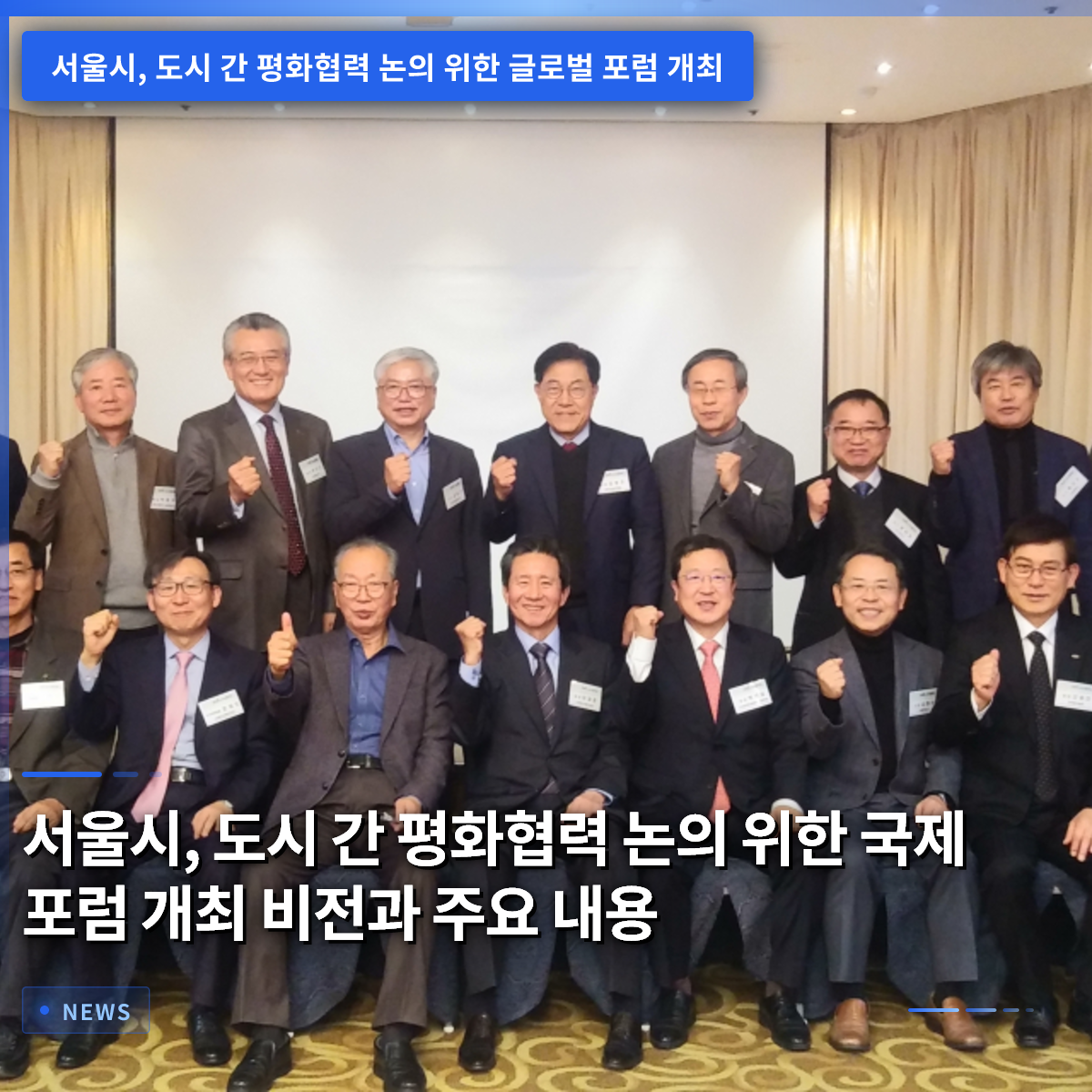
Seoul City held a major international event to strengthen peace cooperation with major cities around the world, marking the International Day of Peace. This event went beyond a simple commemoration, serving as a platform to explore concrete diplomatic strategies for overcoming the unique conflicts on the Korean Peninsula and establishing Seoul as a leading global city. Approximately 300 attendees, including diplomatic envoys stationed in Korea, academic experts, and general citizens, gathered in the Seoul City Hall Multipurpose Hall for heated discussions. Ban Ki-moon, the 8th Secretary-General of the United Nations, delivered the keynote address, highlighting the value of Seoul, a city that has risen from the scars of war. Now, let’s take a closer look at the vision Seoul, the capital of South Korea, is drawing as a hub for global peace, moving beyond its status as merely a megacity. We hope this opportunity allows you to deeply examine how city diplomacy connects to our daily lives.
=
Seoul City Hosts International Forum on Inter-City Peace Cooperation: Vision and Key Highlights
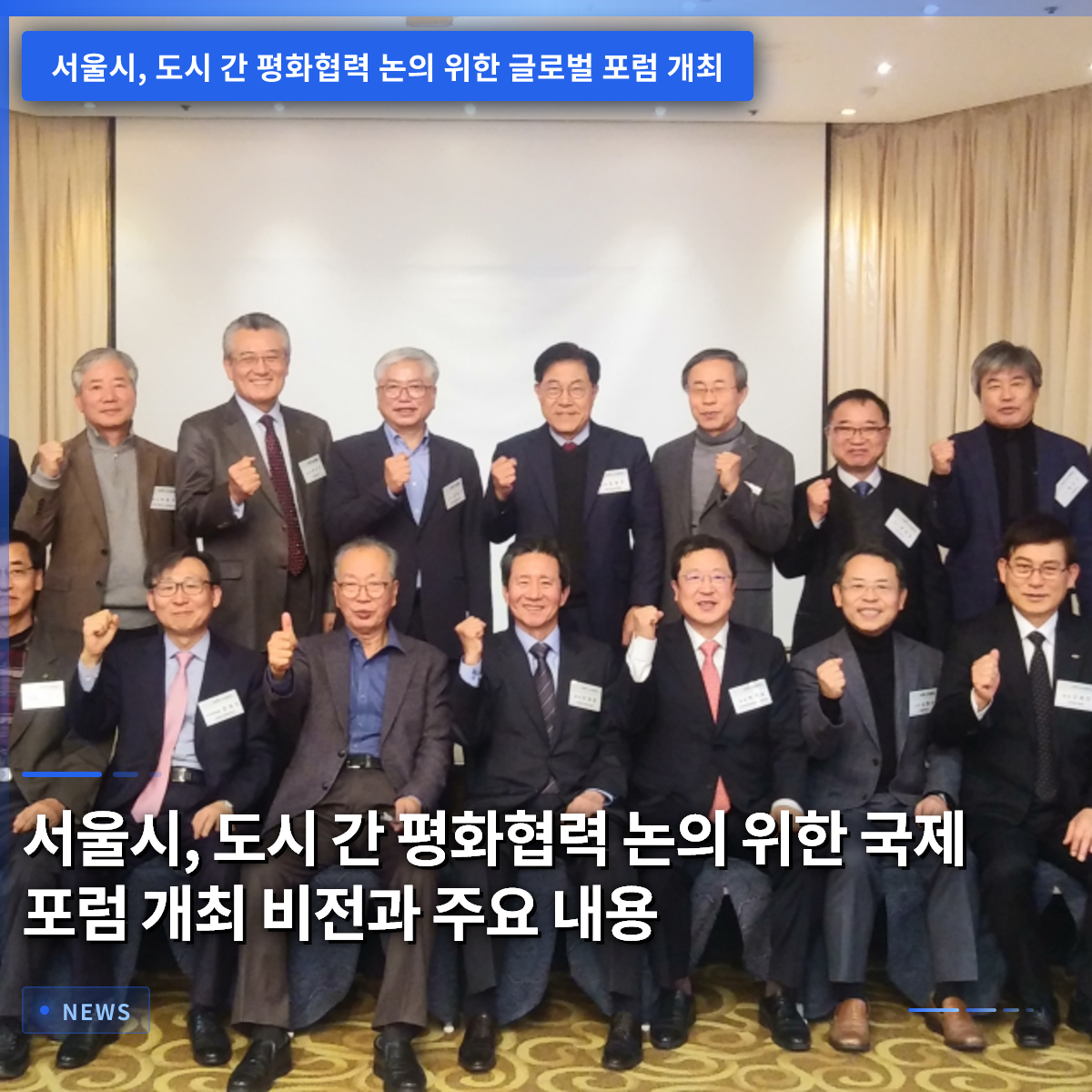
1. Seoul’s Grand Leap on the International Day of Peace
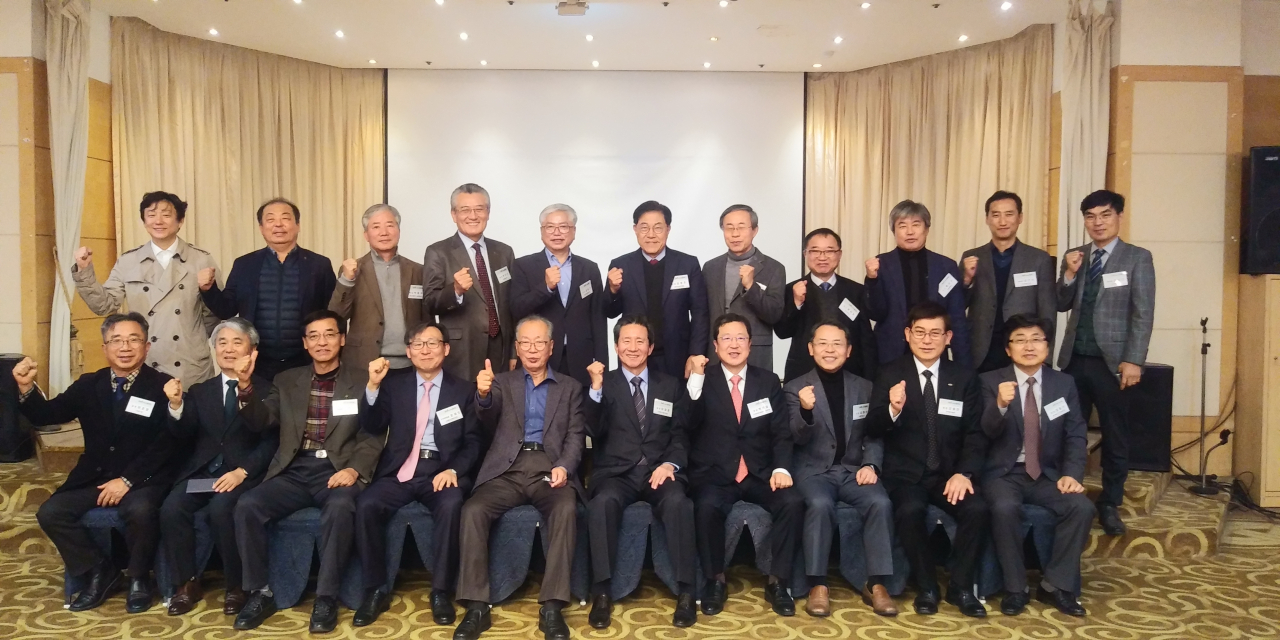
Seoul City’s decision to bring together ambassadors stationed in Korea and international relations experts is a significant step to strengthen diplomatic capabilities at the city level. Every September 21st is a day when the international community reflects on the values of peace and coexistence, and this year, Seoul organized a meaningful event to coincide with this date. The event was officially named the Seoul Urban Diplomacy Peace Forum, where practical measures to establish Seoul as a leading advanced city in the world were discussed. Ambassadors from major countries, including Germany, Sweden, and Poland, attended in person, adding prestige to the occasion. Additionally, officials from specialized institutions like the Institute for Unification Policy and a large number of university students participated, discussing peace from the perspective of future generations. Participants agreed that Seoul’s history of rapid growth and democratization can serve as a great inspiration for conflict zones around the world. Through this event, Seoul aims to build a system for jointly responding to transnational crises such as disasters and infectious diseases. While diplomacy was previously centered on state-to-state relations, we are now entering an era where cities directly collaborate to solve practical problems. Mayor Oh Se-hoon expressed a strong will to create a model of urban diplomacy that safeguards the lives of citizens. He explained that true peace can only be achieved when cities around the world build trust and form close solidarity. This forum served as an opportunity to realize how closely the peace and security we had vaguely considered are connected to our lives. It is a highly anticipated moment to see what results Seoul’s peace efforts on the global stage will yield.
Seoul City successfully hosted a large-scale international forum to discuss inter-city cooperation and peace visions on the International Day of Peace.
2. In-Depth Keynote Address by Former UN Secretary-General Ban Ki-moon
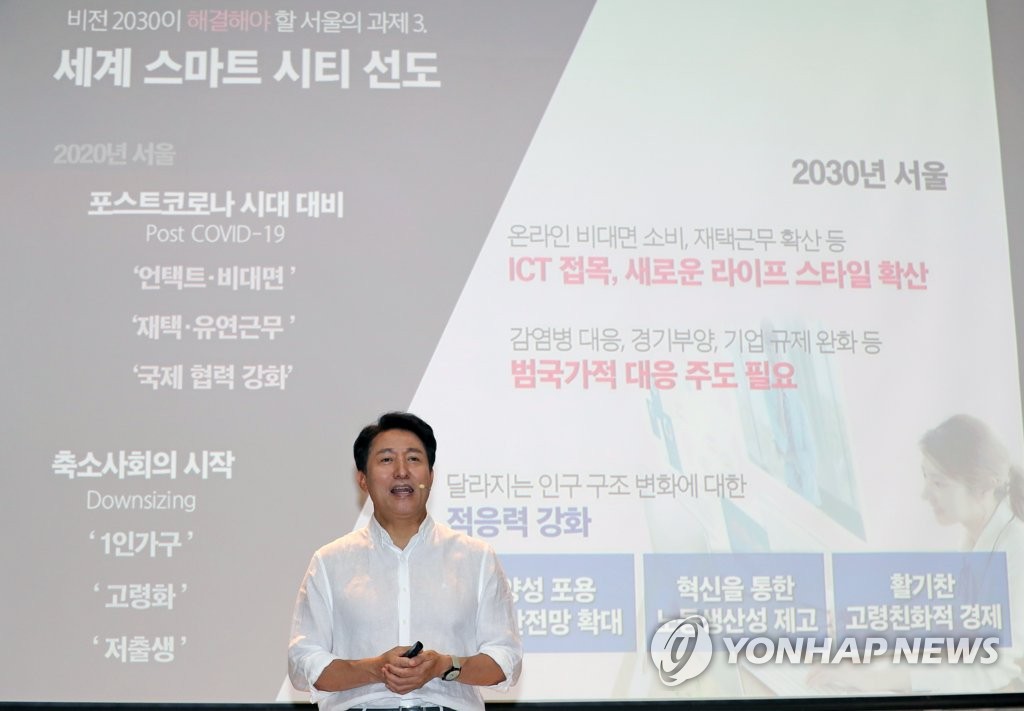
The highlight of this forum was undoubtedly the keynote address delivered by Ban Ki-moon, the 8th Secretary-General of the United Nations. He diagnosed the security situation on the Korean Peninsula at a time when the international order is rapidly changing and presented the direction for urban diplomacy. Former Secretary-General Ban emphasized that Seoul possesses a vivid historical experience of achieving miraculous development from the ruins of past wars. This experience is not just an asset for us alone but can serve as a message of hope for cities suffering from conflicts around the world. In particular, he repeatedly urged that Seoul must contribute to global peace as a de facto capital of peace on the Korean Peninsula. The audience deeply empathized with his speech and responded with loud applause. Former Secretary-General Ban argued that to resolve the various conflicts faced by the international community, practical actions connected to citizens’ lives are more important than grand discourses. Diplomacy led by local governments is a powerful weapon that can complement the fine details that central governments may overlook. For Seoul to build trust by sharing culture and human resources with cities from various countries is the most certain way to maintain peace. University students who attended the event also expressed a sense of responsibility, stating that they felt the need to participate in peacebuilding as members of the international community. Thus, advice from prominent international figures serves as a reliable compass for Seoul’s peace policies. Expectations are rising for the resonance Seoul’s urban diplomacy will create on the global stage.
Former Secretary-General Ban emphasized in his keynote address that Seoul must rise from the pain of war to become a central city for global peace.
3. Berlin’s Integration and Cooperation: Insights from the German Ambassador to Korea
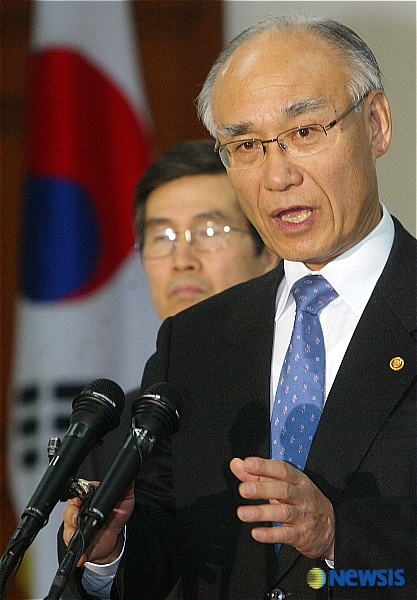
The roundtable discussion, chaired by Nam Seong-wook, Chairman of the Seoul Peace and Unification Foundation Committee, featured the sharing of vivid experiences from around the world. Georg Schmidt, the German Ambassador to Korea, spoke first, using the example of Berlin’s past to explain the importance of practical cooperation. Berlin experienced intense confrontation on the front lines of the East-West Cold War, yet it never stopped practicing measures to improve the lives of its residents. The lesson is that the more confrontational the situation, the more essential it is to maintain administrative exchanges and practical contact to reduce citizens’ suffering. Ambassador Schmidt stated that Berlin achieved true integration by embracing social diversity and expanding its international network. This German experience offers significant implications for Seoul, which is experiencing the pain of division between North and South. The higher the barriers of political ideology, the more civil exchanges in culture, arts, and economics must serve as a buffer. For Seoul to form networks with global cities in various fields can be an excellent rehearsal for the future era of unification. Small cooperations to protect the daily lives of residents ultimately accumulate into the power to break down the massive barriers of peace. Experts participating in the discussion carefully reviewed specific practical tasks Seoul should undertake, based on the German case. The wisdom of a senior city that has overcome division will be a valuable foundation for Seoul’s leap to becoming a capital of peace.
German Ambassador Georg Schmidt emphasized the value of practical cooperation based on Berlin’s experience in overcoming division.
4. Crisis Management and Resilience: Proposals from Sweden and Poland
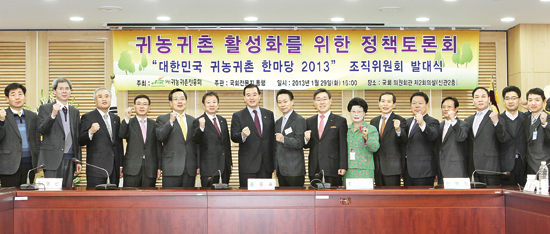
Carl-Ulve Andersson, the Swedish Ambassador to Korea, argued that security and dialogue do not exclude each other but rather reinforce one another. Sweden possesses rich diplomatic know-how, having served as a peace mediator in the international community for a long time as a neutral country. Ambassador Andersson advised that Seoul should build close networks with cities worldwide to enhance its crisis management capabilities. He particularly emphasized that humanitarian aid and active cultural exchanges between young generations are the fastest way to build trust between cities. Cross-border encounters among youth can become a strong lifeline that positively guides bilateral relations in the future. Bartosz Wisniewski, the Polish Ambassador to Korea, who spoke next, focused on the similar histories of Warsaw and Seoul. Warsaw, the capital of Poland, was also completely destroyed by war in the past but was perfectly rebuilt through the tenacious patience of its people. Ambassador Wisniewski evaluated Warsaw and Seoul as symbols of national resilience and models that offer hope to conflict-ridden countries around the world. If these two capitals comfort each other’s pain and establish cooperative relationships, they can send a powerful message of peace to the international community. The vivid advice provided by the ambassadors from these European countries added depth and weight to Seoul’s peace policies. It is a time when the wisdom to adapt best practices from around the world to our reality is needed more than ever.
The ambassadors from Sweden and Poland shared experiences in crisis management and national reconstruction, proposing close solidarity with Seoul.
5. The Future of Practical Urban Diplomacy That Protects Citizens’ Lives
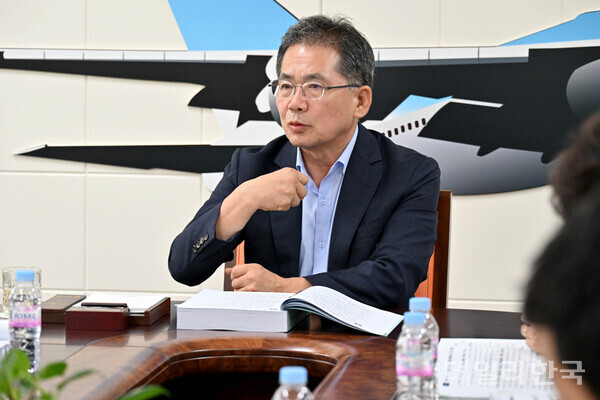
Mayor Oh Se-hoon of Seoul City concluded the significance of the forum by promising to be a solid shield protecting the daily lives of citizens. Today’s world faces new forms of security threats, including climate change and the spread of infectious diseases, in addition to war. In such complex crisis situations, it is impossible for individual cities to survive on their own, and close information sharing is essential. Seoul is ready to generously share its advanced administrative systems and disaster response know-how accumulated over the years with cities around the world. Conversely, it will actively adopt excellent policies from other cities to further improve the quality of life for Seoul citizens. This forum was not just a banquet for high-ranking government officials but a place where general citizens and youth could deliberate and communicate together. University students who participated in the event expressed their impressions, stating that they realized peace is not the exclusive domain of politicians but a concrete condition of our lives. Seoul plans to regularize such international events to firmly establish its position as a hub for global peace. Numerous cities around the world are watching Seoul, and the small steps we take are becoming global standards. We ask you to send warm interest and support for the peaceful urban diplomacy being unfolded by Seoul City. Our small concerns can gather to become a massive wave of peace that moves the world.
Mayor Oh Se-hoon promised practical urban diplomacy to protect citizens’ lives against climate crises and new security threats.
6. Seoul’s Blueprint for Leaping to the Center of Global Peace
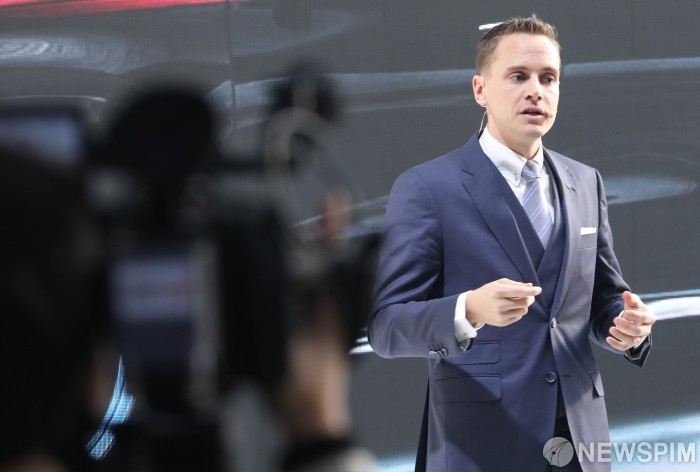
Seoul is now firmly establishing itself as a capital of peace that the world watches, going beyond South Korea. Its efforts to heal past wounds and practice future-oriented cooperation serve as a great example for cities worldwide. This global forum proved that urban diplomacy is not just a slogan but a tool that practically improves the lives of residents. In the future, Seoul will join hands with major cities around the world to solve the common challenges faced by humanity. We ask you to continue paying attention to the steps Seoul is taking toward peace. We must not forget that peace does not start far away but begins in the cities where we live. In this massive current, individual civic consciousness also plays a very important role. Attitudes of consideration for our neighbors and respect for other cultures become the most fundamental foundation of peace diplomacy. It is also a good idea to directly participate in the various international exchange programs prepared by Seoul City to experience their value firsthand. We send our support and encouragement for Seoul’s peace policies to be successfully implemented. Let us all watch the future of Seoul, the capital of peace that shines confidently in the world, with a warm gaze. I end this article with a sincere wish for peace to fill our daily lives.
Seoul City will steadily realize its vision as a central city for global peace, using this forum as a stepping stone.
Frequently Asked Questions
=