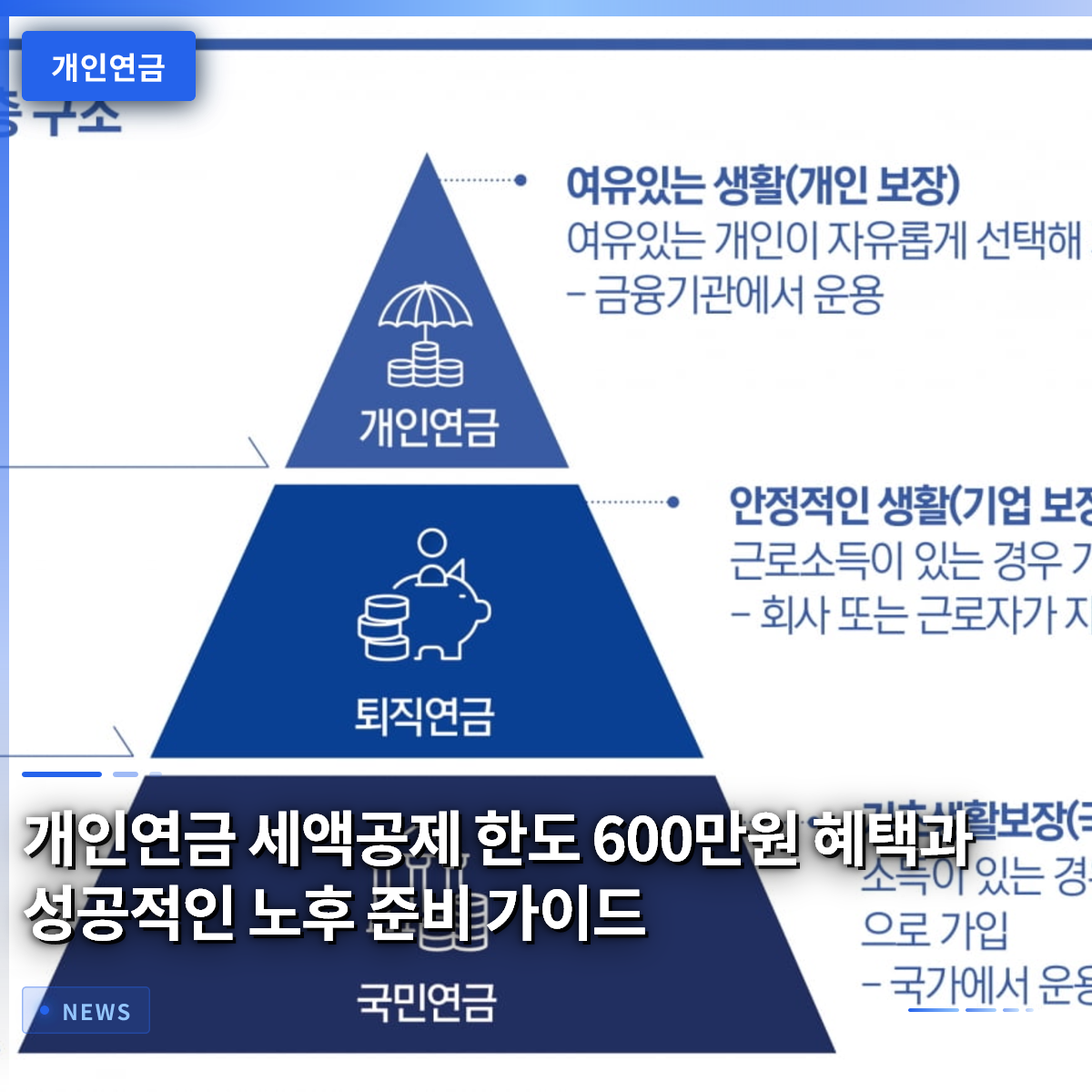
To prepare successfully for retirement, it is essential to accurately understand the personal pension tax deduction limits and the characteristics of each product to secure tangible tax savings during the annual year-end tax settlement. Last year, my colleague, Kim, was surprised when he received his year-end tax refund notice; he got back several hundred thousand won thanks to the personal pension he had been contributing to. In the past, people relied simply on savings, but today, comprehensive financial planning that considers pensions and taxes alongside income and expenses is essential. Many people worry about the loss of a fixed income like a salary after retirement, but by systematically utilizing various pension systems in addition to the National Pension, adequate preparation is possible. In this article, we will take a detailed look at everything employees and those with comprehensive income need to know about personal pensions, along with specific enrollment strategies.
=
Personal Pension Tax Deduction Limit of 6 Million KRW: Benefits and a Guide to Successful Retirement Planning
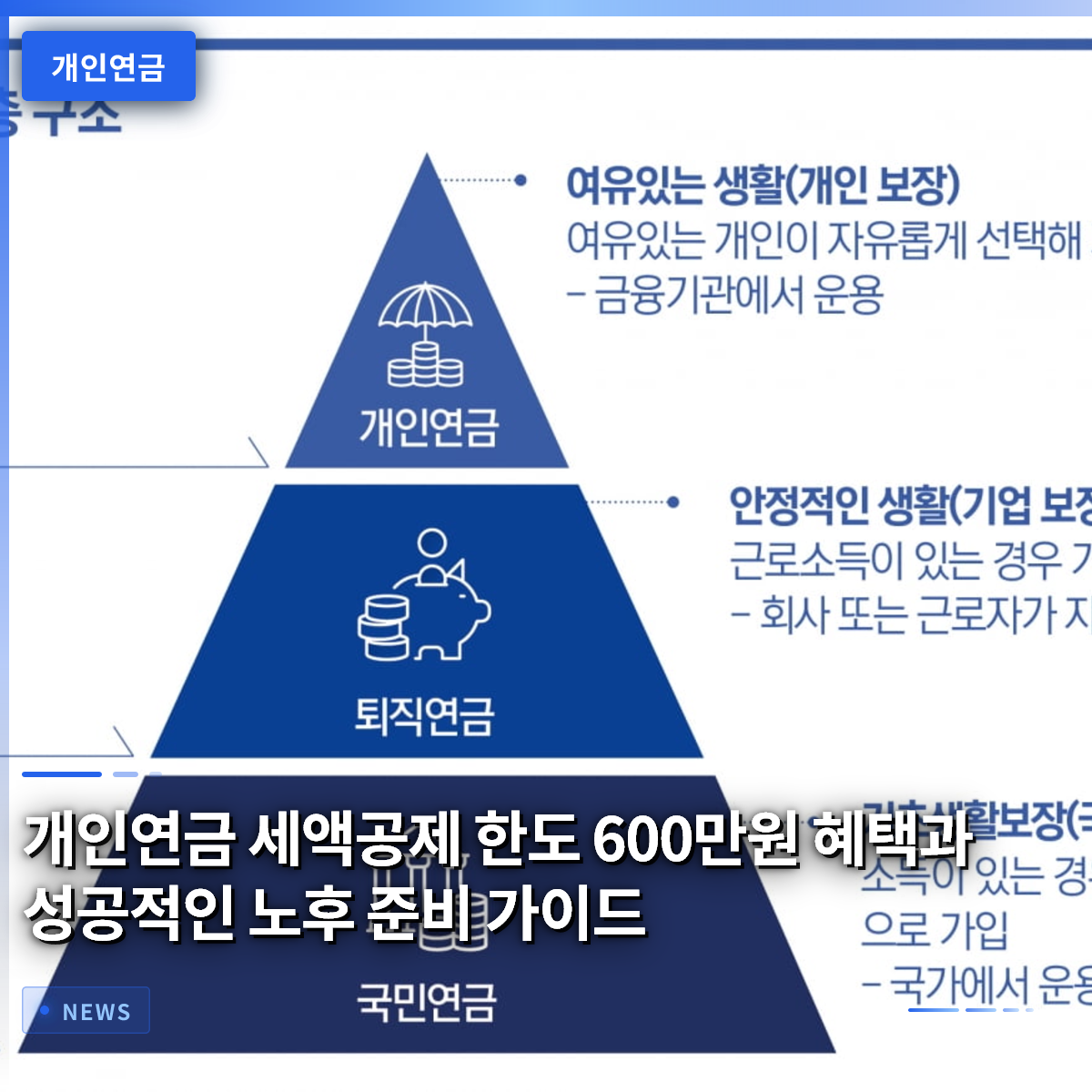
1. The Necessity of Personal Pensions and Recent Financial Planning Trends
In the past, people relied on their children or vague savings for life after retirement, but with increasing life expectancy, thorough individual pension preparation has become a matter of survival. While you receive a fixed monthly salary while employed, the cold reality is that it becomes difficult to cover living expenses after retirement without a multi-layered safety net such as the National Pension or personal pensions. Recently, the financial market has shifted focus from simply choosing a product with high returns to customized pension solutions that systematically manage one’s assets. Indeed, the number of people seeking integrated financial planning that considers income, expenses, insurance, and taxes all at once is surging as retirement approaches. In response to these changes, financial institutions are introducing various features to help customers manage their pension assets more conveniently. Ultimately, the success of retirement preparation depends on how quickly one builds and consistently maintains a pension portfolio suited to their needs.
Just as securities firms have actively revamped their trading screens for stock trading, the environment for managing pension assets has also become noticeably more convenient. Now, with just a few taps on a smartphone, you can get an overview of your pension asset status and easily continue systematic investing.
Retirement preparation requires comprehensive financial planning that encompasses pensions and taxes, going beyond simple savings, and utilizing convenient asset management environments.
2. Comparing the Differences Between Pension Savings and Individual Retirement Pensions
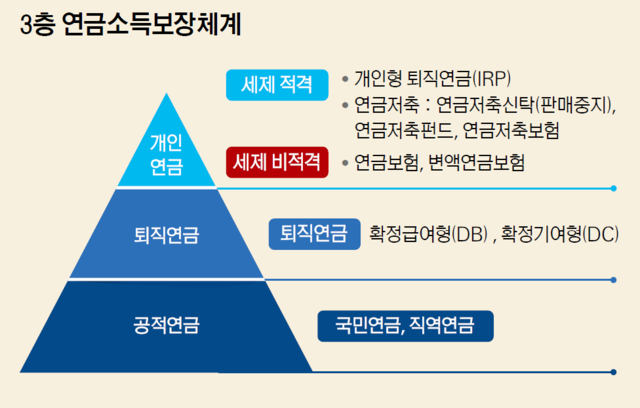
If you are serious about starting a personal pension, the first two choices you will face are pension savings and individual retirement pensions. Pension savings can be enrolled in through bank trusts, insurance company pension savings insurance, or securities company pension savings funds, with the advantage that anyone can enroll. On the other hand, individual retirement pensions are products available to workers with income or self-employed individuals, offering a broader range of investment options. While both products offer tax deduction benefits, there are subtle differences in specific contribution limits and penalties for early termination, so you should choose based on your economic situation. For example, employees who prefer stable interest income may favor pension savings insurance, while those who want to actively boost returns by investing directly in stocks or exchange-traded funds (ETFs) often choose securities company pension savings funds. Therefore, rather than blindly following recommendations, it is wise to carefully compare the unique features of each product with your own investment style.
When managing my husband’s personal pension products, I often see cases where people are caught off guard by late discoveries regarding attachment precautions or different handling methods for each product. Therefore, it is safer to check in advance whether the product is covered by depositor protection or linked to an attachment-proof account before enrolling.
Pension savings and individual retirement pensions differ in enrollment eligibility and management methods, so they should be selected according to your investment style and goals.
3. How to Utilize Tax Deduction Limits for Year-End Tax Settlement
Every year during the year-end tax settlement season, employees are busy carefully calculating tax deduction benefits, hoping for a “13th-month salary.” In the past, the limit for income deduction pension savings was low, but recently, as the tax deduction limit has been raised to 6 million KRW per year, the number of people seeking to maximize tax savings has increased significantly. When combined with contributions to individual retirement pensions, the total tax deduction benefit can reach up to 9 million KRW, making it a top wealth management tool for employees. Workers with an annual total salary of 50 million KRW or less can receive a high deduction rate of 16.5%, resulting in a substantial tax refund of up to 1.485 million KRW. If you miss this benefit and do not utilize your pension account, your annual tax burden will increase accordingly, so it is essential to take advantage of it. My colleague, Park, diligently filled his pension account last year and received the largest refund among his colleagues, even treating everyone to a dinner.
Many people are confused about the difference between income deductions and tax deductions. Pension savings actually return the tax you paid directly, making the effect more tangible. By setting up automatic monthly transfers, you can naturally fill the tax deduction limit without the burden of depositing a lump sum at year-end.
Maximizing the tax deduction limits for pension savings and individual retirement pensions allows you to enjoy significant tax savings during the annual year-end tax settlement.
4. Asset Growth Through Exchange-Traded Funds and Systematic Investing
The most notable investment method in the recent personal pension market is the systematic investment strategy utilizing exchange-traded funds (ETFs). Since bank deposit and savings rates alone are difficult to defend against inflation, many employees are consistently accumulating quality ETFs through securities accounts. By using the feature that automatically buys desired stocks on a set date each month, you can achieve the effect of lowering the average purchase price without being shaken by market fluctuations. For example, Mr. Lee, an employee who consistently invested 300,000 KRW monthly in an ETF tracking global indices, expressed great satisfaction after achieving substantial returns on his principal within a few years. By diversifying investments across various assets within a pension account, you can secure a more robust asset base at the time of retirement. However, if the proportion of equity assets is too high, the risk of principal loss increases during market crashes, so appropriate weight adjustments are necessary based on your age and retirement timing.
The younger the generation with decades until retirement, the more actively they should pursue ETF-centric investments to overcome inflation. With the advanced features of securities firms’ mobile apps, employees can easily check and adjust their portfolios on their smartphones even during lunch breaks.
Consistently accumulating ETFs systematically in a pension account allows you to achieve both long-term asset growth and inflation protection.
5. Combining Various Pension Types and Utilizing Retirement Preparation Services
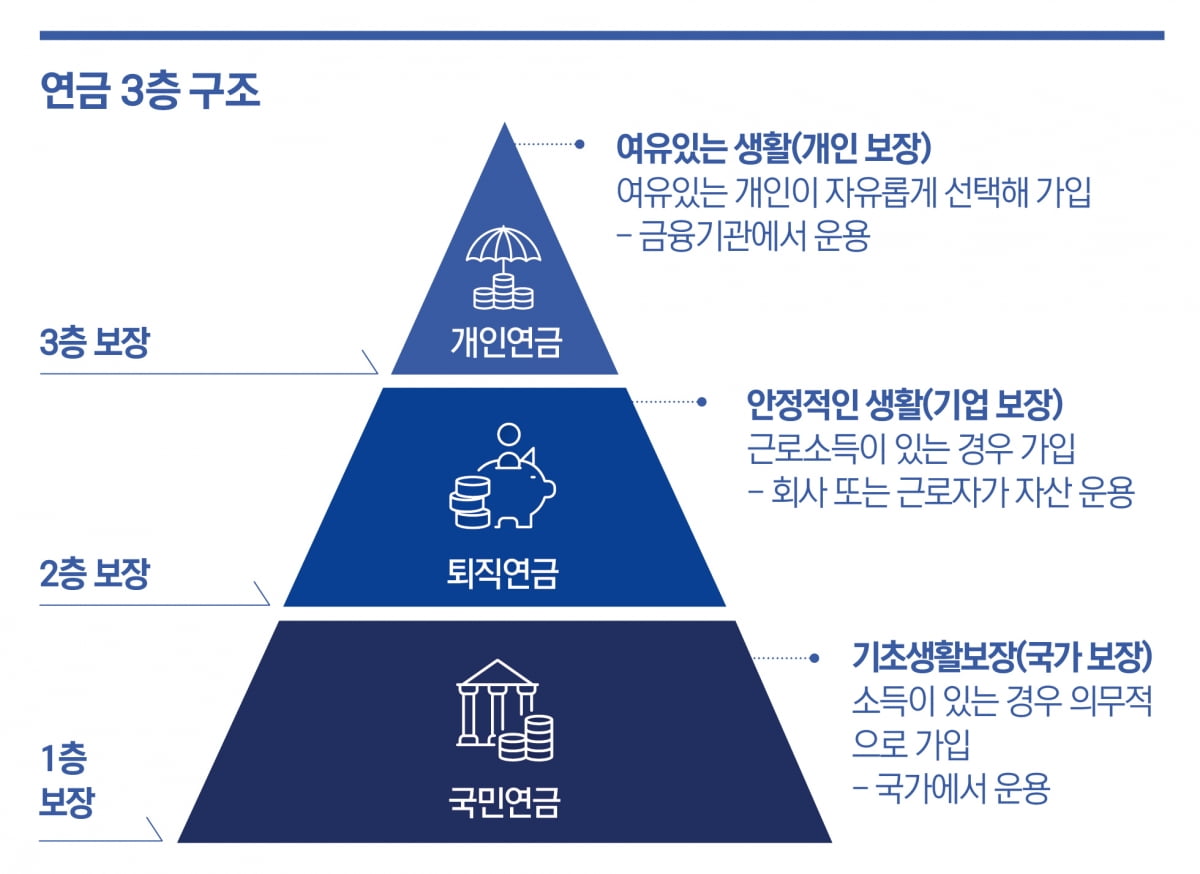
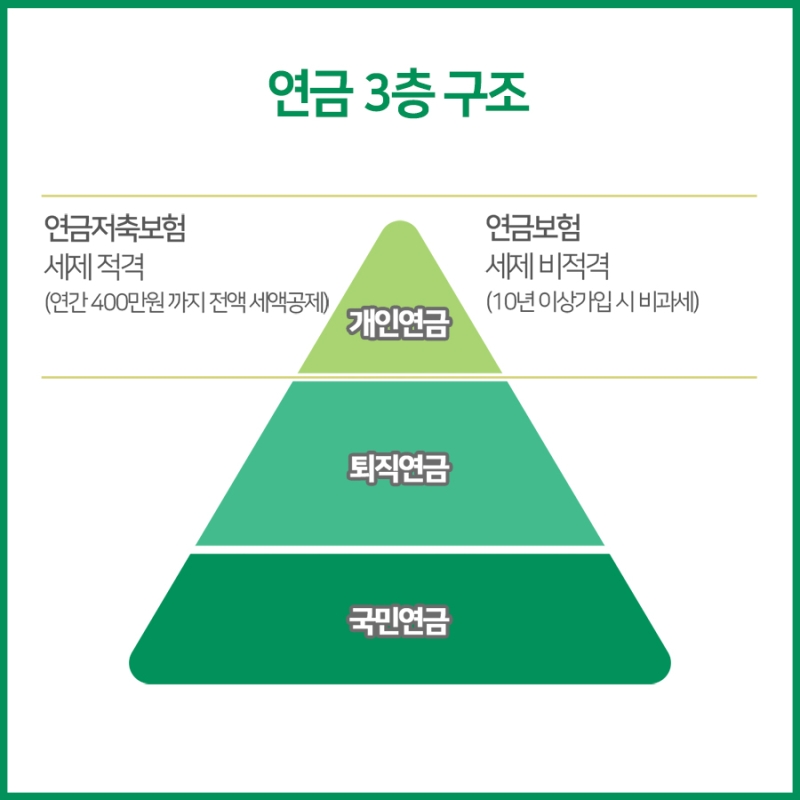
For a successful retirement design, it is wise to harmoniously combine state-operated systems and private pensions rather than relying solely on one personal pension. Using the National Pension, which every citizen in South Korea enrolls in, as the foundation, adding the retirement pension accumulated at work and the personal pension enrolled in individually completes a solid three-tier pension tower. By using official retirement preparation services provided by the National Pension Service, you can check all your prepared pension assets at a glance and diagnose any shortfalls in advance. Additionally, considering the housing pension system, which allows you to receive a pension using your residence as collateral, can significantly reduce the risk of retirement bankruptcy. For example, if a retiree owning an apartment worth 300 million or 500 million KRW enrolls in a housing pension to create a stable monthly cash flow, they can completely free themselves from worries about living expenses. This comprehensive perspective of organically connecting various types of pensions determines the quality of life after retirement.
If you rely only on rent or interest income after retirement, you could face sudden financial difficulties if your cash flow is blocked. Therefore, it is most important to design a pipeline that ensures a regular monthly income by comprehensively combining the National Pension, personal pensions, and housing pensions.
You must create a robust cash flow by comprehensively combining the National Pension, personal pensions, and housing pensions, and utilizing retirement preparation services.
6. Practical Recommendations and Outlook for a Successful Retirement
A personal pension is not a boring process of simply tying up money for the future, but the most certain and warm gift you can send to your future self. The future financial environment will evolve further, combining artificial intelligence and robo-advisor technology to automatically manage pension solutions that perfectly match individual preferences. As the focus has shifted from what to buy to how to manage, we must also change our perspective on pension assets. The small act of setting aside a few hundred thousand KRW each month to enroll in pension savings or an individual retirement pension and setting up automatic transfers can completely change your future in a few years. Only those who remain steadfast, believing in tax deduction benefits and the magic of compound interest, without being swayed by flashy short-term investment rumors, can truly enjoy the leisure of retirement. From this moment, I sincerely encourage you to become a wise retiree who opens your pension account and fills in the gaps.
As the future retirement market becomes more personalized and sophisticated, a posture of quickly grasping and adapting to changing systems is necessary. The small systematic investments you start now will become the most powerful weapon to make your post-retirement life abundant and dignified.
You should check your pension account immediately and practice consistent investing to prepare for a prosperous retirement, adapting to the changing pension management environment.
Frequently Asked Questions
=