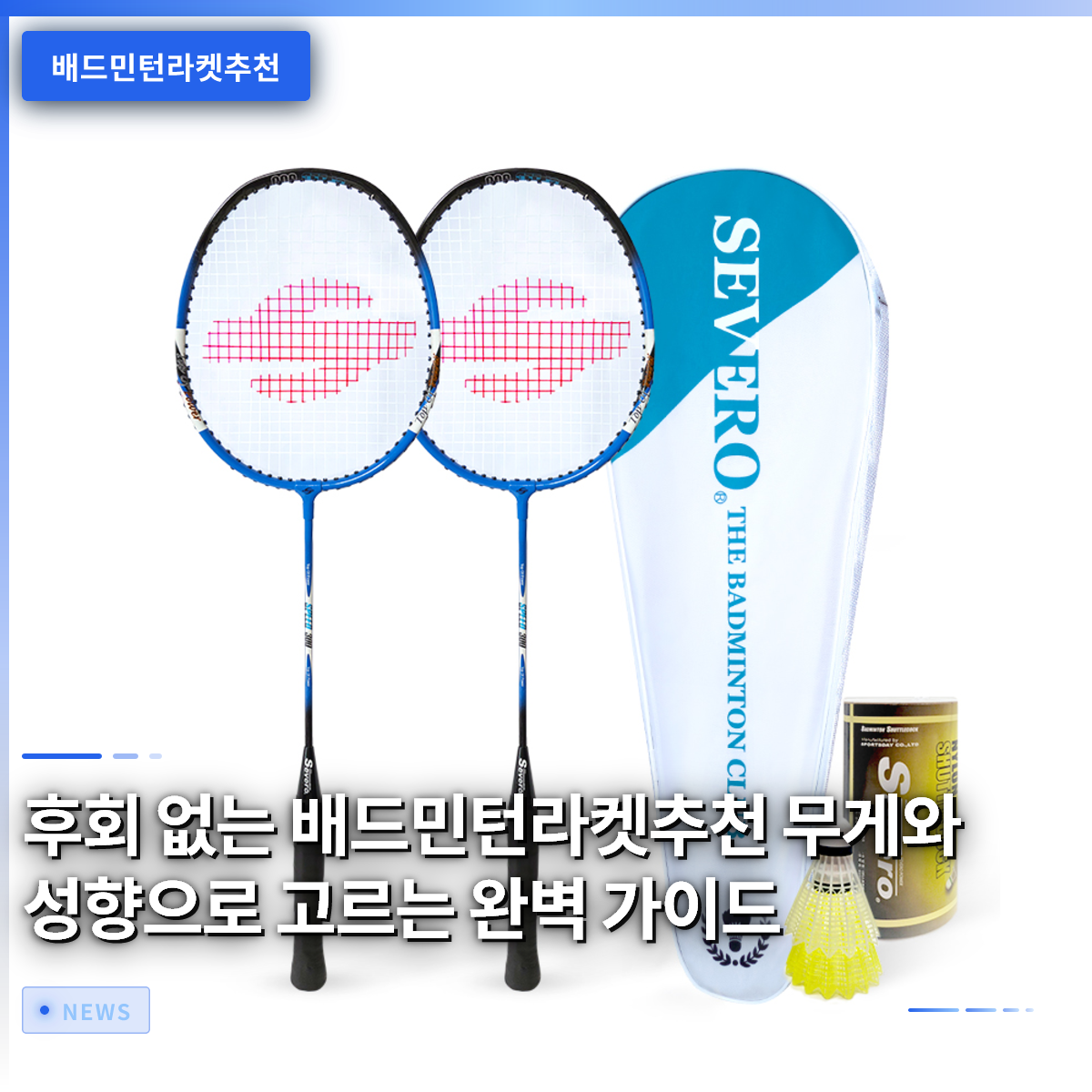
To find the perfect badminton racket for you, it is essential to first assess your own muscle strength and playing style rather than blindly purchasing famous brands. I have seen many beginners suffer from wrist or shoulder strain after impulsively buying equipment based solely on recommendations from peers or simple price tags. In fact, badminton is a sport where choosing the right racket can completely change your shot distance and smash power, so it is crucial to approach your first purchase with caution. One common mistake seen in office worker clubs or gyms is the tendency to look only for the lightest rackets, which can actually be detrimental. In this article, we will thoroughly analyze the characteristics of various products on the market and the differences based on weight, providing a detailed guide to making a smart choice that protects both your wallet and your joints.
=
No-Regrets Badminton Racket Recommendations: The Perfect Guide to Choosing by Weight and Play Style
1. Common Mistakes Made by Beginners and the Importance of Weight Selection

The core element that beginners searching for badminton racket recommendations should check first is the symbol indicating the racket’s weight. Many people mistakenly believe that a larger number, such as 4U or 5U, means a heavier racket, but in reality, a larger number indicates a lighter product. For example, a 4U racket typically weighs between 80 and 84 grams, making it the most popular specification suitable for men, women, and people of all ages. On the other hand, 5U products weigh in the high 70-gram range, making them suitable for women or students with weaker wrist strength, but they may lack stability when hitting powerful smashes. I often see office workers who just started playing pick up the lightest racket without thinking, only to regret it later because the feel is too light and the shuttlecock doesn’t travel far enough. Therefore, choosing an appropriate weight by considering your subjective muscle strength and general athletic ability is the first step in preventing equipment-related injuries.
Buying expensive professional-grade equipment as a beginner is also rarely helpful for improving your skills. The more expensive the racket, the stiffer the shaft and the more sensitive the frame, which increases the risk of wrist injury if you cannot hit the shuttlecock precisely on the sweet spot.
When choosing a badminton racket, you must understand the exact meaning of weight notations like 4U and 5U and select a specification that matches your muscle strength to prevent injuries.
2. Differences Between Offensive and Defensive Styles Based on Head Shape and Balance
When reading badminton racket recommendations, unfamiliar terms like “head heavy” and “head light” often appear, which can be confusing. Head-heavy rackets have their center of gravity shifted toward the head, making them perfect for enthusiasts who prefer powerful smashes and rear-court attacks. Conversely, head-light rackets have their weight concentrated toward the handle, offering advantages in quick defensive transitions and net play. All-around products blend these two characteristics appropriately, resulting in many best-selling models that are versatile and not biased toward one style. In reality, if you mainly play doubles, where defensive rallies and drive battles are frequent, a racket with good maneuverability is far more advantageous than a heavy offensive racket. You should first reflect on whether you tend to lead with attacks on the court or enjoy defense and stable play, and then choose the balance that suits you.
Many people also complain of arm pain as if their arm is falling off after buying offensive equipment based solely on one-sided recommendations from YouTube or communities. If your stamina and swing speed are not sufficient to support a heavy head, swinging it can strain the rotator cuff in your shoulder, so caution is advised.
You must determine whether your playing style is offense-oriented or defense-oriented and carefully decide between head-heavy and head-light balances.
3. The Impact of String Tension and Grip Replacement on Perceived Cost
When choosing a badminton racket, if you only calculate the price of the racket body when setting your budget, you may face a surprising situation later. This is because additional costs for stringing and handle tape arise when purchasing equipment in stores or ordering online. In particular, beginners often do not know which strings to use or how tight to string them, so they use the default settings and end up disappointed. Generally, for beginner equipment, setting the tension too high reduces rebound power and increases shock to the wrist, so a tension of around 22 to 24 pounds is appropriate. You should also wrap a functional overgrip with good sweat absorption over the original bundled tape on the handle to ensure a secure, non-slip swing. You must include these ancillary consumable costs in your budget to prevent stress from unexpected additional expenses.
Unlike tennis or table tennis, badminton is a sport with a strong consumable nature, as strings lose elasticity or break and need to be replaced periodically. Therefore, developing the habit of buying spare strings and grips when purchasing a racket is much more economical in the long run.
In addition to the racket body price, costs for string tension settings and grip replacements will occur, so you should set a generous total budget.
4. Analysis of Popular Models by Brand and Real User Reviews
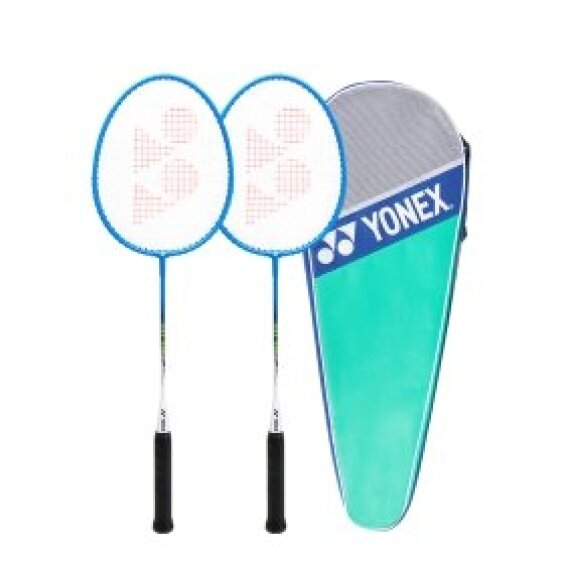
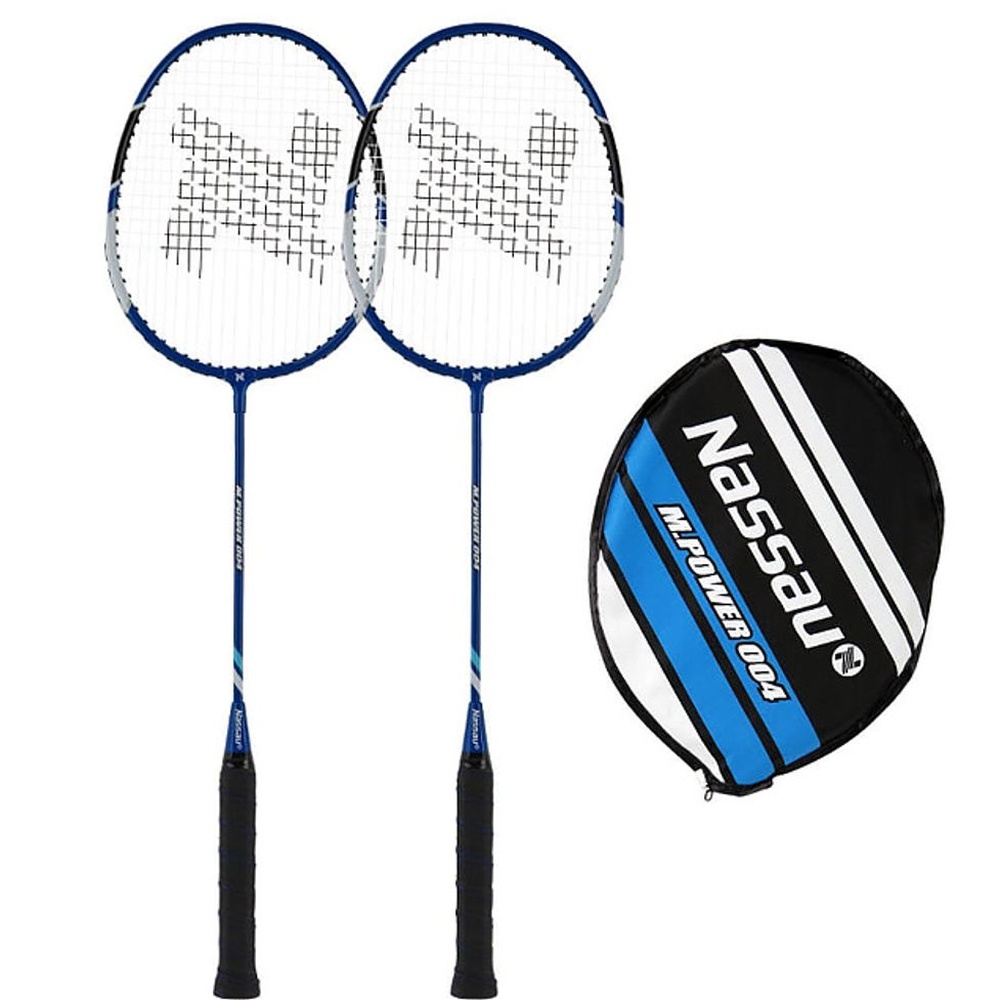
While there are numerous brands on the market, there are good reasons why the product lines of major manufacturers are preferred by the majority of enthusiasts. Yonex, Victor, and various domestic and emerging brands that emphasize cost-effectiveness are showcasing their respective technological capabilities and waiting for consumer choice. For example, certain models with long traditions apply frame designs that minimize air resistance to maximize swing speed. Looking at reviews of the models most used by club members, most receive high marks for rebound power relative to weight and durability. It is wise to find a racket that matches your skill level and club budget rather than blindly chasing expensive professional-grade “legendary” rackets just because others say they are good. It is best to carefully read live purchase reviews from internet blogs or shopping malls to confirm whether people at a similar stage of improvement as you were satisfied with the product.
Sometimes, unfortunate situations occur where unverified low-cost products bend or break the frame after a few powerful smashes. Since sports equipment is directly related to safety, choosing a brand with a certain level of recognition and quality assurance is a shortcut to saving money in the long run.