The filing deadline for the 2026 Comprehensive Real Estate Tax is September 30, and missing this date may result in penalties. In particular, single-household owners of one home and non-resident owners of one home can significantly lower their taxable base by utilizing aggregation exclusions and tax special benefits. Recent news has highlighted ongoing debates regarding the basic deduction amount for non-resident single-home owners, suggesting the possibility of policy changes. Therefore, it is crucial to review the necessary documents and application procedures before the deadline. This article provides a step-by-step guide, from verifying your filing eligibility to a checklist for the actual application. Please prepare immediately after reading to minimize unnecessary tax burdens.
=
2026 Comprehensive Real Estate Tax Filing Deadline and Benefits: A Complete Guide
1. Basic Concepts and Taxable Objects of the Comprehensive Real Estate Tax
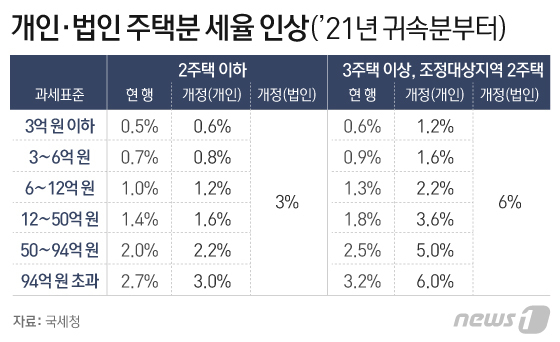
The Comprehensive Real Estate Tax is a holding tax levied on the portion of the aggregated public assessed value of owned residential properties and land that exceeds a certain threshold. Taxable subjects include multi-home owners and owners of high-value homes, excluding single-household owners of one home, with the public assessed value criteria changing annually. As of 2026, a single-household owner of one home becomes subject to the Comprehensive Real Estate Tax if the public assessed value of their home exceeds 1.2 billion KRW. Additionally, separate aggregation land and comprehensive aggregation land are subject to tax based on thresholds of 8 billion KRW and 500 million KRW, respectively. The taxable base is the public assessed value minus the basic deduction, and tax rates are applied on a progressive scale. Understanding this structure allows you to easily determine whether you are subject to the tax.
The Comprehensive Real Estate Tax is levied on the portion of the aggregated public assessed value of homes and land that exceeds the basic deduction, with single-household owners of one home subject to tax if the value exceeds 1.2 billion KRW.
2. 2026 Filing Period and Essential Preparations
The Comprehensive Real Estate Tax filing period runs from May to September each year, with September 30 being the statutory deadline for this year. To file, you must first prepare certificates of the public assessed values for all your real estate holdings. Public assessed values can be viewed on the Ministry of Land, Infrastructure and Transport’s “Real Estate Public Assessed Value Informer” website, and printed copies must be attached. Additionally, you must submit information on household members and documents proving residency. Non-resident owners of one home can increase their chances of applying for aggregation exclusion by providing evidence of reasons such as education, job transfer, overseas stay, or caring for parents. If your preparations are incomplete, your filing may be rejected, resulting in additional taxes, so please verify all details carefully.
You must file by September 30, and it is essential to prepare public assessed value certificates, household information, and documents proving residency reasons in advance.
3. How to Apply for Aggregation Exclusion and Tax Special Benefits
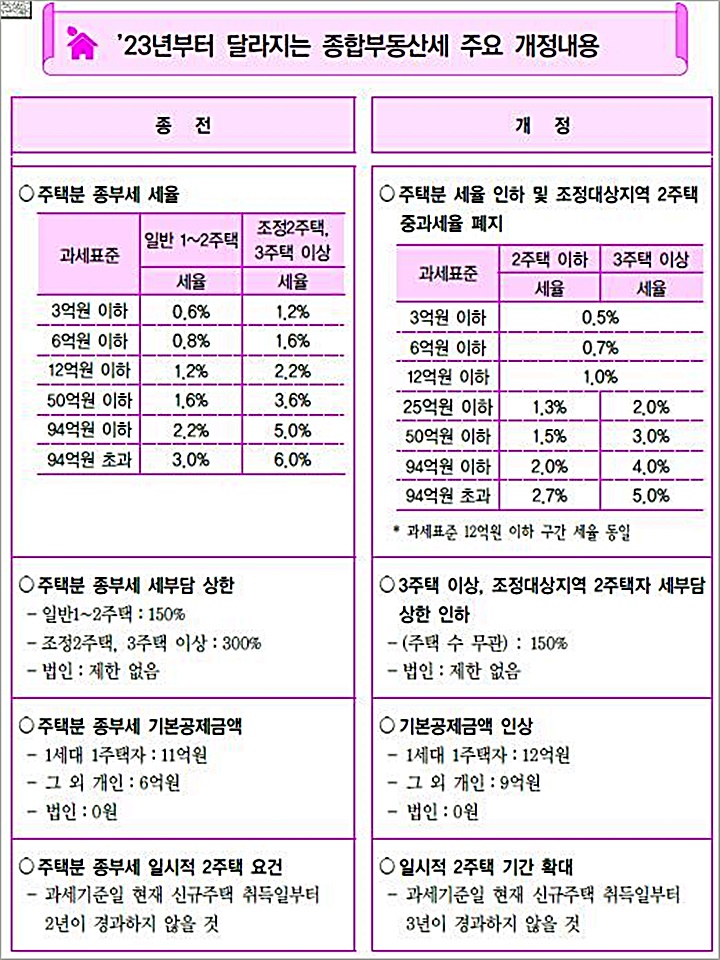
Aggregation exclusion is a system that treats an individual as a single-household owner of one home, even if they do not actually reside in the home, due to specific circumstances. To apply, check the aggregation exclusion box on the Comprehensive Real Estate Tax return, state the reason, and attach relevant supporting documents. Tax special benefits, such as the long-term holding special deduction, allow for a deduction from the taxable base if certain conditions are met. In 2026, the long-term holding special deduction rate has been increased, allowing for additional deductions for holdings of 10 years or more. You can apply by visiting Hometax or a tax office to choose between electronic filing or in-person filing. It is recommended to simulate the calculated tax amount before filing to confirm the expected payment.
Aggregation exclusion and tax special benefits are applied by checking the relevant boxes on the return and attaching supporting documents, with benefits increased due to the expansion of the long-term holding special deduction.
Frequently Asked Questions
=