
When selling real estate, you must always run the numbers using a capital gains tax calculator to avoid unexpected tax bombs. Unlike in the past, frequent tax reforms and the simultaneous increase in both holding and transfer tax burdens have made pre-calculation even more critical. In fact, a friend of mine, Mr. Kim, who owns a home in Seoul, was greatly shocked to learn of the massive tax liability only after signing the sales contract. If you are planning to sell a property, you must calculate the taxes in advance before stamping the contract. In this article, we will cover in detail how to use the Hometax simulation tool and tips for deducting necessary expenses. We have organized various case studies so that anyone can easily follow along, so please read to the end.
=
How to Use the Capital Gains Tax Calculator and a Guide to Tax Savings via Hometax Simulation

1. What is a Capital Gains Tax Calculator?
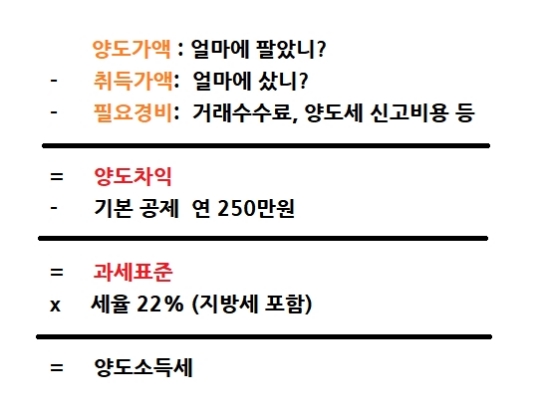
A capital gains tax calculator is a tool that pre-calculates the tax levied on profits generated from the transfer of assets such as real estate or stocks. The basic calculation structure is simple: it starts by determining the capital gain, which is the selling price minus the acquisition cost and necessary expenses. Then, it calculates the final tax amount by applying the tax rate to the taxable base, which is the capital gain minus the long-term holding special deduction and basic deduction. Many people simply think about the difference in the sale price, but in reality, the tax amount varies significantly depending on various deduction items. Therefore, to know the exact tax amount, it is safest to use professional software or the simulation tools provided by the National Tax Service.
When calculating taxes, you must never forget to consider local income tax as well. Adding the local income tax, which is 10% of the capital gains tax, can make the effective tax rate feel much higher. In particular, during periods when surtax rates apply to multi-home owners, the maximum tax rate can become a significant burden. Since tax laws change frequently in response to shifts in the real estate market, you must use a calculator that reflects the latest standards. I have seen countless cases where people proceeded with transactions based on hearsay and later regretted it after receiving unexpected tax notices from the tax office. Therefore, before making a decision to sell, you must carefully run simulations using a reliable calculator.
Capital gains tax is calculated based on the capital gain (selling price minus acquisition cost and necessary expenses), and local income tax must also be considered.
2. How to Use Hometax Simulation

Anyone can perform a precise capital gains tax simulation for free using the National Tax Service’s Hometax website or mobile app. You can easily access it by entering the Tax Filing menu from the main screen, selecting the Capital Gains Tax Filing item, and choosing the Simulation corner. Accurately select the type of real estate you own (whether it is a house or land), and enter the acquisition date, transfer date, and actual sale price. As you follow the on-screen instructions step by step, you can clearly see whether you are eligible for tax exemption or reduction. Detailed calculation formulas appear at each step, allowing even those without tax knowledge to follow along without difficulty.
Dedicated app services are well-established for easy use in mobile environments, allowing you to check from anywhere at any time. You can immediately look up the estimated tax amount on your smartphone while sitting at a real estate office before a contract. You can also determine in advance whether you exceed the 1.2 billion won limit for the one-house-per-household tax exemption criteria using the simulation calculator. However, you must be careful, as occasionally missing an input item can lead to a significant difference from the actual tax amount. Simulation results are estimates, so for accurate filing, you must review them again based on actual supporting documents.
Using the simulation corner on the National Tax Service’s Hometax or mobile app allows you to easily check tax exemption eligibility and estimated tax amounts.
3. Everything About Necessary Expenses and Long-Term Holding Special Deduction

If you want to significantly reduce your tax, the key strategy is to thoroughly manage the necessary expenses and long-term holding special deduction items. Necessary expenses include capital expenditure costs for home repairs, real estate agent fees, and more. For example, if you have collected all receipts for expanding a veranda or completely replacing a boiler, you can greatly reduce your capital gain. It is frequent that people pay the full tax amount because they failed to keep such supporting documents, so you should store them well in advance. Additionally, if you are a single-home owner who has held the property for a long time, you can significantly lower your tax burden by applying the maximum deduction rate through the long-term holding special deduction.
Even when selling farmland or specific types of land, you must carefully consider various benefits such as the self-cultivated farmland reduction limit. If you meet the requirements stipulated in relevant laws, you may be exempt from taxes up to a certain amount, so it is also good to seek expert assistance. However, rather than blindly running the calculator relying solely on reduction benefits, you should comprehensively review the overall holding period and acquisition path. Tax-related documents are only recognized if the expenditure details are clear, so you should leave traces of bank transfers rather than cash transactions. Please remember that a single small receipt can work magic by saving you millions of won in taxes.
You must thoroughly document necessary expenses such as capital expenditure costs and brokerage fees, and utilize the long-term holding special deduction to reduce taxes.
4. Surtax for Multi-Home Owners and Temporary Two-Home Exception
If you are a multi-home owner, you must first check whether the surtax rate applies when using the capital gains tax calculator. This is because measures such as the deferral of surtaxes for multi-home owners are frequently extended or changed depending on the government’s direction for tax reform. If you calculate taxes based on incorrect information, you may receive a large tax notice including additional penalties later. You must also carefully consider whether you meet the tax exemption requirements for temporary two-home ownership due to relocation or job changes. If you miss the deadline for disposing of your previous home by even one day, the tax exemption benefit disappears, potentially resulting in taxes of tens of millions of won.
Capital gains tax often becomes complexly intertwined in real estate transactions between family members or during inheritance and gift processes. For example, if you receive a house as a gift from your parents and sell it immediately, you may face a tax bomb due to the carryover taxation rules in tax law. Therefore, rather than simply comparing gift tax, you must comprehensively calculate the capital gains tax that will arise in the future. It is wise to use official calculation tools rather than relying solely on advice from acquaintances or uncertain online reviews. For complex family relationships or special sales situations, utilizing the tax office’s advance ruling system is also a good method.
You must accurately understand the surtax rate for multi-home owners and the disposal deadline for temporary two-home ownership to avoid unexpected additional penalties.
5. Essential Procedures Before Signing a Real Estate Contract
If you have found a desirable property at a real estate office or have decided to sell your own home, you must run the final calculation before signing the contract. In reality, in the metropolitan area real estate market, both sellers and buyers often maintain a wait-and-see attitude while carefully calculating the numbers. In a situation where tax burdens have increased, proceeding with a transaction blindly can result in no profit or even a loss. One reason for the increase in urgent sale listings in the Gangnam area is that homeowners who can no longer endure the double burden of holding and transfer taxes are putting their properties on the market. You must accurately estimate the tax payable before signing the contract to avoid disruptions in your financial planning.
The tax payment timing is based on the final payment settlement date, so how you set this date can change the year and thus the tax rate. Whether you settle the final payment at the end of the year or the beginning of the year can change the taxable period, resulting in a tax difference of several million won. For this reason, it is necessary to have the habit of running the calculator with various scenarios in advance to adjust these subtle differences. Asset transfers among family members or the use of joint ownership are also important factors that significantly influence the tax amount. Only meticulous preparation and calculation serve as the most reliable shield to protect your valuable assets.
You must coordinate the final payment schedule and calculate the tax amount in advance with various scenarios to safely plan your finances before signing the contract.
6. Attitude for Future Successful Tax Savings
Real estate-related tax systems are highly likely to continue changing in the future according to economic conditions and policy directions. Therefore, you need the ability to periodically check the latest tax amendments and flexibly adjust your asset structure accordingly. Rather than simply trying to avoid taxes, you must formulate a strategy to maximize deduction benefits within the legal framework. If you develop the habit of actively using official tools like the Hometax simulation, you can overcome your fear of taxes. If you combine consultations with tax experts with your own efforts to run the numbers, you can become a master of tax savings. Based on what you have learned today, please calculate the estimated tax amount for your real estate holdings right now.
Maximizing deduction benefits in line with tax law changes and consistently using official calculation tools is the shortcut to successful tax savings.
Frequently Asked Questions
=