The Mid-Autumn Festival is a common holiday in the East Asian Sino-cultural sphere, marking the middle of autumn around the full moon of the eighth lunar month. While it shares deep historical roots with Korea’s Chuseok, each country has developed its own unique cultural traditions. These days, as the autumn wind begins to blow, it is common to see Seoul’s city center and tourist spots bustling with foreign travelers, thanks to the long holidays that often coincide with those of neighboring countries. Some people mistakenly believe that neighboring countries simply copied our culture, but in reality, there are significant differences in their historical backgrounds and core values. Today, we will thoroughly explore exactly what the Mid-Autumn Festival is, from its origins to the diverse holiday scenes in various countries. By the end of this article, you will fully understand the significance of this massive autumn celebration and be able to share interesting stories with those around you. If you are planning a trip for the holiday or have become curious about cultural diversity, pay attention to the informative insights shared below.
=
The Meaning of Mid-Autumn Festival and a Comparison of Asian Holiday Cultures: Differences from Korea’s Chuseok
1. The Meaning and Origins of the Mid-Autumn Festival

The term “Mid-Autumn Festival” literally combines the characters for “autumn” and “middle,” commemorating the middle day of the eighth lunar month. It is an ancient tradition where people expressed gratitude for the full moon, which is at its roundest and brightest around this time when the five grains and hundred fruits are ripening abundantly. They offered sacrifices to heaven and their ancestors. In agricultural societies, this period marked the end of the farming year and the harvest of its fruits, making it a more abundant and meaningful event than any other day. It is also said that the tradition originated from the practice of Zhou Dynasty monarchs performing sacrifices under the cool autumn moonlight. This gratitude for seasonal changes and nature’s blessings naturally spread to neighboring countries across the sea, blending with local folk beliefs.
Over time, the holiday’s landscape evolved to suit each country’s environment and lifestyle, but the essence of making wishes while gazing at the moon and praying for the well-being of family members has remained unchanged. In regions with agrarian lifestyles, the holiday strongly emphasized celebrating the year’s harvest, while in societies centered on the royal family or nobility, it became a venue for leisurely moon-viewing and poetry composition. Even today, the custom of families gathering in front of their homes or going for night walks to see the bright full moon remains intact every year. For busy modern people, this time serves as a precious opportunity to pause, enjoy the beauty of nature, and share warmth with loved ones.
The Mid-Autumn Festival is an ancient East Asian traditional holiday for giving thanks for a bountiful harvest in the middle of autumn and making wishes while viewing the bright full moon.
2. Differences Between Korea’s Chuseok and the Mainland’s Mid-Autumn Festival
While both Korea’s Chuseok and the mainland’s Mid-Autumn Festival commemorate the full moon of the eighth lunar month, there are clear differences in how the festivals are enjoyed and their core objectives. Chuseok during the Silla period was an open and dynamic festival where the entire population would pour into the plaza to dance, sing, and compete in the year’s production. In contrast, the atmosphere of the mainland holiday is quite different. The Mid-Autumn Festival in neighboring countries places the highest importance on families gathering closely to spend intimate time together, often with doors firmly locked. The core objective they value most is the concept of scattered family members gathering in one place, forming a complete circle.
In fact, during this period, highways heading to hometowns turn into massive parking lots due to an enormous scale of national migration, causing severe traffic congestion. Even on days when highway tolls are charged, the determination of countless people to meet their families for the holiday cannot be stopped, filling the roads with cars. On the other hand, Korea’s Chuseok retains a strong communal character, involving traditions such as the whole family gathering for ancestral rites (Charye) and visiting graves, as well as relatives checking on each other’s well-being and sharing food. Although they may look similar on the surface, looking deeper reveals how differently each country approaches the holiday based on its historical background and social atmosphere.
While Korea’s Chuseok has the character of an open production festival, the mainland’s Mid-Autumn Festival prioritizes harmonious gatherings centered on blood relations.
3. Diverse Holiday Scenes in Asian Neighboring Countries

Not only Korea and the mainland, but other Asian countries also enjoy this autumn holiday in their own unique ways, creating beautiful scenes of their own. In nearby Vietnam, the holiday falls on exactly the same day as Korea’s Chuseok, but the atmosphere is much more of a festival where children are the protagonists rather than an event centered on elders. As night falls, children parade through the streets holding colorful, dazzling lanterns and watching lion dances, creating a lively scene throughout the neighborhood. For Vietnamese children, this time is remembered as the ultimate day of play, where they receive toys they have wanted and can eat their fill of sweet treats.
In Taiwan, families also gather closely in front of their homes or in parks during this time to share round, sweet-filled pastries and admire the full moon in the night sky. Traditional markets and streets in areas like Tainan are filled with various decorations that evoke the holiday atmosphere and lively crowds, making it a delightful sight. Although the ways of celebrating vary according to each country’s cultural characteristics, the spirit of looking at the moon while sharing delicious food with family is unified. It is truly wonderful and heartwarming that, despite being in distant countries, people can feel a deep sense of solidarity by looking up at the night sky during the same period, even as they celebrate in different ways.
Vietnam celebrates with a lantern festival centered on children, while Taiwan celebrates with families gathering to share round pastries.
4. The Secrets Behind Representative Holiday Foods: Songpyeon and Mooncakes
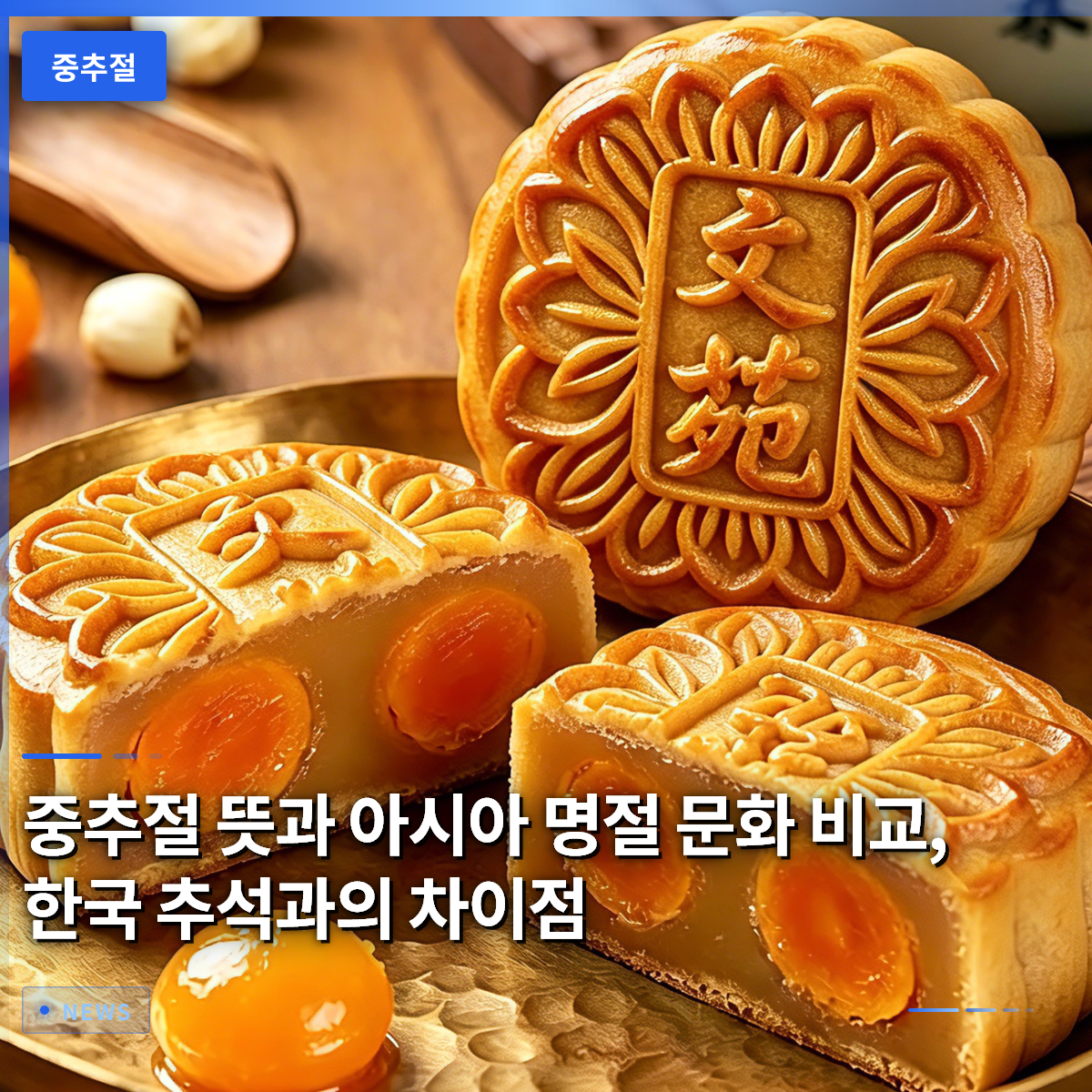
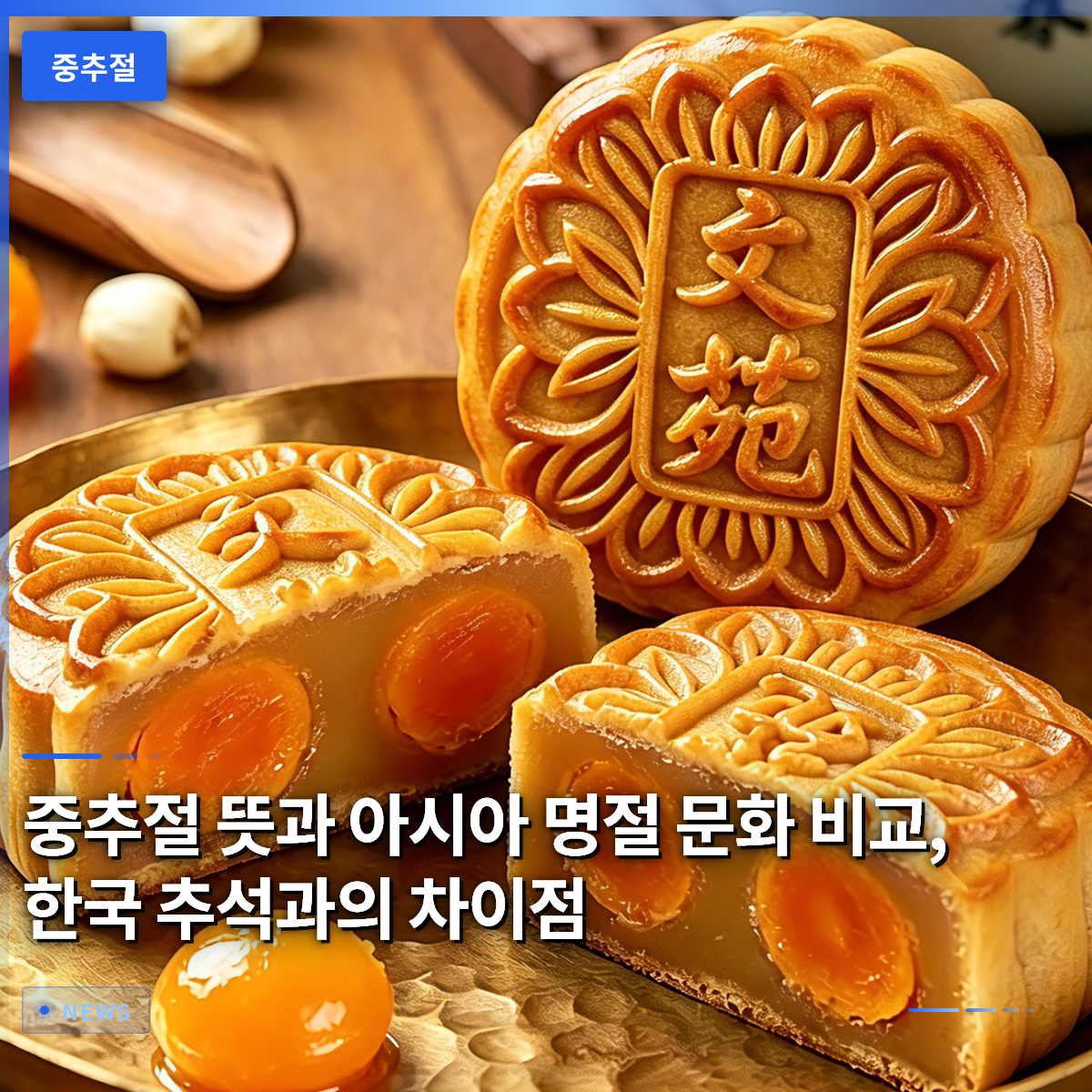
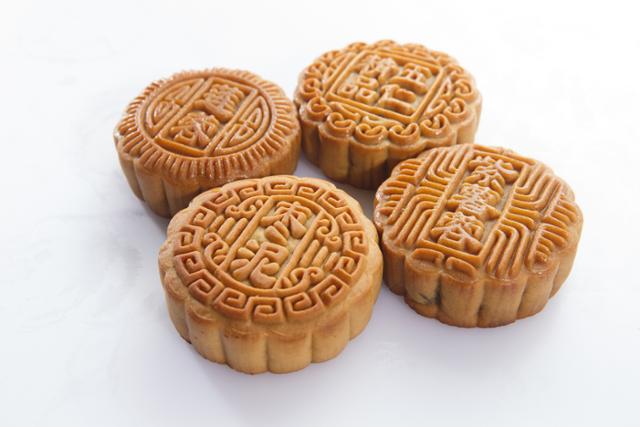
When thinking of autumn holidays, the most representative foods that come to mind are undoubtedly Korea’s Songpyeon and the mainland’s Mooncakes. Korea’s crescent-shaped Songpyeon carries a beautiful story of being molded with hopes for a future that will grow and flourish, offering both the fun of making and the joy of eating. In contrast, Mooncakes, shaped like the round moon, are filled with the wish that families will never be separated and will stay together forever, much like their complete, round shape. Mooncakes, baked in molds with a wheat dough stuffed generously with ingredients like red bean paste, jujubes, and nuts, are renowned for their rich and sweet taste.
In the past, people adhered to an interesting custom of believing that complete fortune would come only if this round bread was cut and shared equally among family members. Nowadays, as times have changed, modern Mooncakes filled with chocolate, ice cream, and even spicy meat have flooded the market, capturing the taste buds of the younger generation. The memory of the whole family sitting around making Songpyeon while listening to the joking blessings of elders that “if you shape Songpyeon beautifully, you will have a beautiful daughter” is a precious memory that everyone has at least one of. Although the shapes and ingredients differ slightly, both foods serve as excellent mediums for gathering with loved ones and sharing warm hearts.
Korea’s crescent-shaped Songpyeon wishes for future development, while the round Mooncake symbolizes the eternal harmony and completeness of the family.
5. Golden Week Holidays and Changes in Urban Landscapes
Every year around this time, as long holidays begin in neighboring countries, the movement of domestic and international travelers explodes, bringing a vibrant energy to the entire city. This autumn, the long holidays of neighboring countries coincided perfectly with the holidays of surrounding nations, causing a massive increase in the number of foreign tourists entering through Incheon Airport. In fact, the departure and arrival halls were so crowded with travelers that there was barely room to stand, with daily average passenger numbers soaring well over several hundred thousand. A significant number of foreign tourists, riding the wave of the K-content boom, intentionally timed their visits to coincide with this golden holiday period to see Korea with their own eyes.
Major urban tourist spots in Seoul, such as Myeongdong and the royal palaces, are seeing far more foreign tourists than usual, who are enjoying their time taking photos and shopping. As the holidays of neighboring countries inject considerable vitality into our economy and tourism industry, the holiday landscape is expanding beyond domestic borders to become a transnational celebration. The footsteps of people returning to their hometowns and the excited expressions of travelers visiting Korea mix together, filling the autumn city air with a consistently cheerful and lively atmosphere. The sight of people from different cultures sharing the same space in the bustling crowds and enjoying the autumn holiday in their own ways is a unique landscape of modern society.
The overlap of long holidays in neighboring countries has brought countless foreign tourists to Korea, filling the city with a lively holiday atmosphere.
6. The Value and Prospects of Asian Holiday Culture
The autumn holiday culture shared by East Asian countries is not just a simple day off; it is a precious cultural heritage and a beautiful asset of humanity that has blossomed from different histories and lifestyles. While some online spaces engage in futile debates over the origins of the culture, deeply understanding the path each country has taken and its aspirations reveals the futility of such disputes. Only by acknowledging and respecting each other’s differences can the true value of each country’s traditions shine, allowing cultural communication to extend to a wider world. In the future, people in various Asian countries will continue to look up at the round moon in the night sky during this time, sincerely praying for the health and peace of their families.
To those reading this article, we hope that on the coming autumn nights, you will look up at the night sky with your loved ones and soak in the energy of the brightly shining full moon. We hope you will take a break from your busy daily lives, share a warm cup of tea, check in on those around you, and spend a cozy time confirming each other’s hearts. The small conversations and delicious foods we share during this special holiday time will become solid memories that give us the strength to live ahead. We sincerely support the hope that in the coming autumn, people everywhere, beyond borders, will bloom with smiles from a place of abundance and happiness.
The autumn holidays of Asian countries possess different histories and traditions, serving as precious cultural assets that convey the values of communication and harmony.
Frequently Asked Questions
=