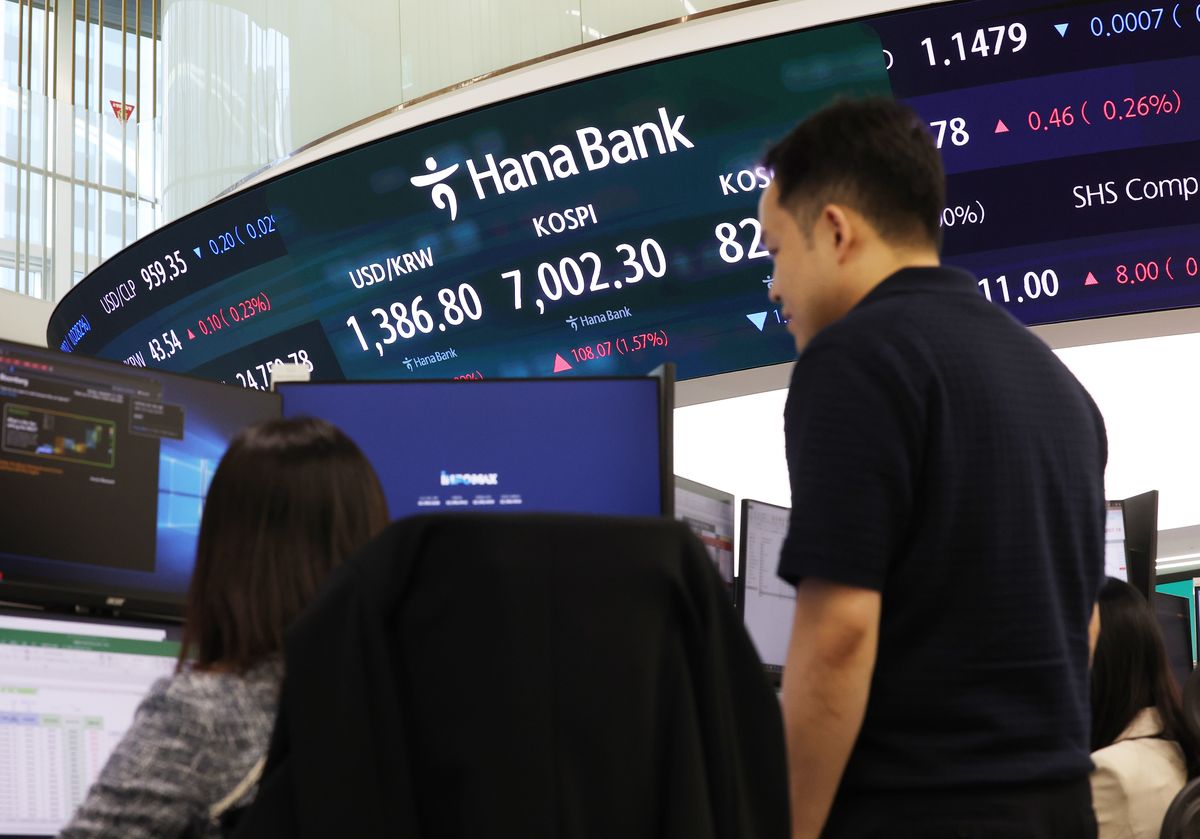
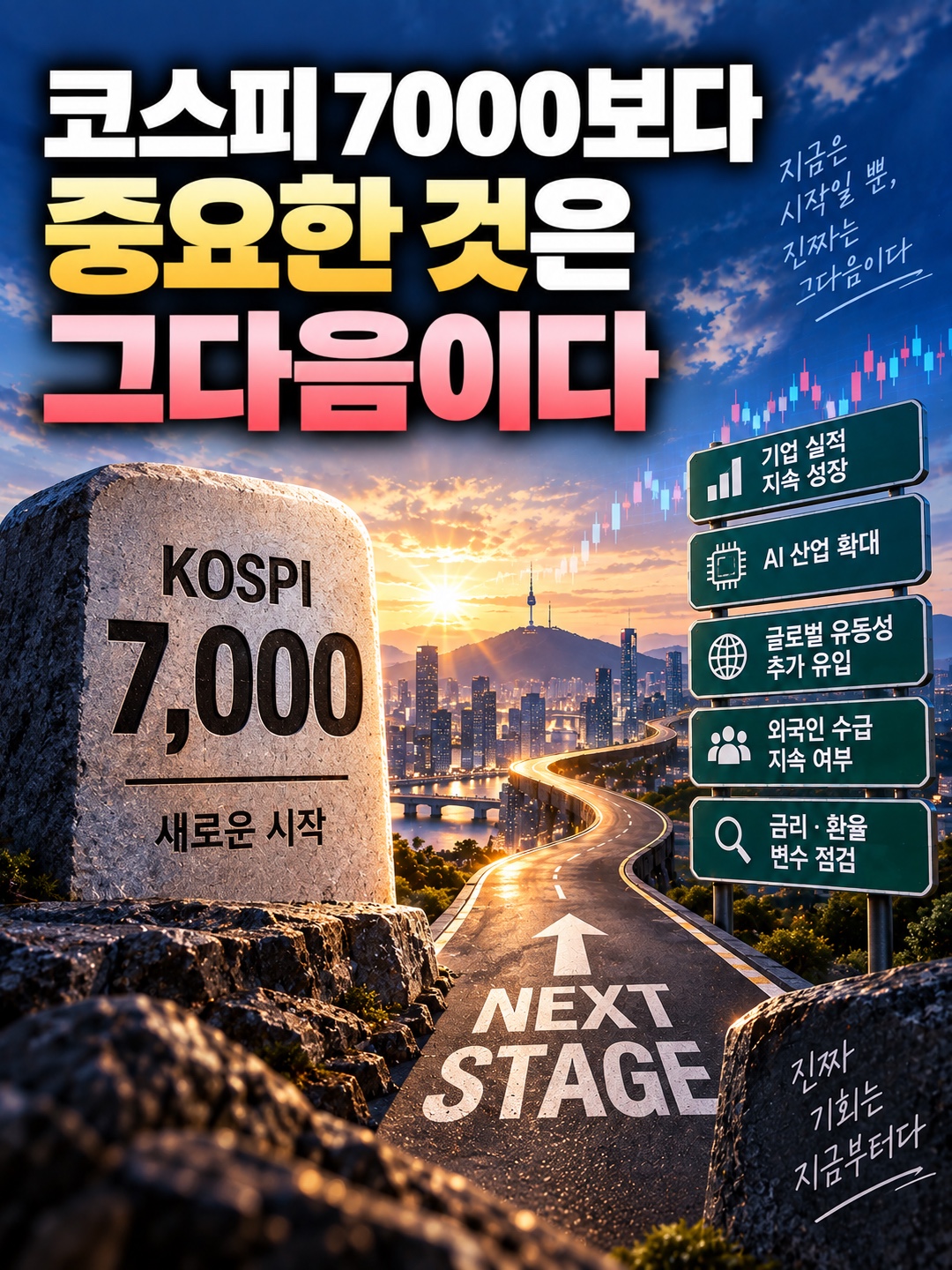
With semiconductor exports hitting an all-time high and Samsung Electronics surging, the KOSPI index finally achieved the feat of breaking through the dream 7,000 mark. According to the Korea Exchange, on the 21st, the KOSPI closed at 7,007.72, up 113.49 points from the previous trading day, writing a new chapter in history. Although fierce battles were fought throughout the session, large-cap semiconductor stocks served as a solid anchor, solidifying the upward trend. The KOSDAQ index, which closed alongside the KOSPI, also recorded 836.27, joining the tailwind. The significance of this stock market surge lies in the fact that it was backed by solid export performance, a real-world indicator, rather than mere expectations. Among investors, expectations are spreading that our stock market has finally entered a new stage of leap. In this article, we will take a detailed look at the specific background of this 7,000 breakthrough, the movements of major stocks, and future stock market outlooks.
=
KOSPI Breaks 7,000 Mark on Semiconductor Tailwinds… Samsung Electronics Closes Up 4.98%
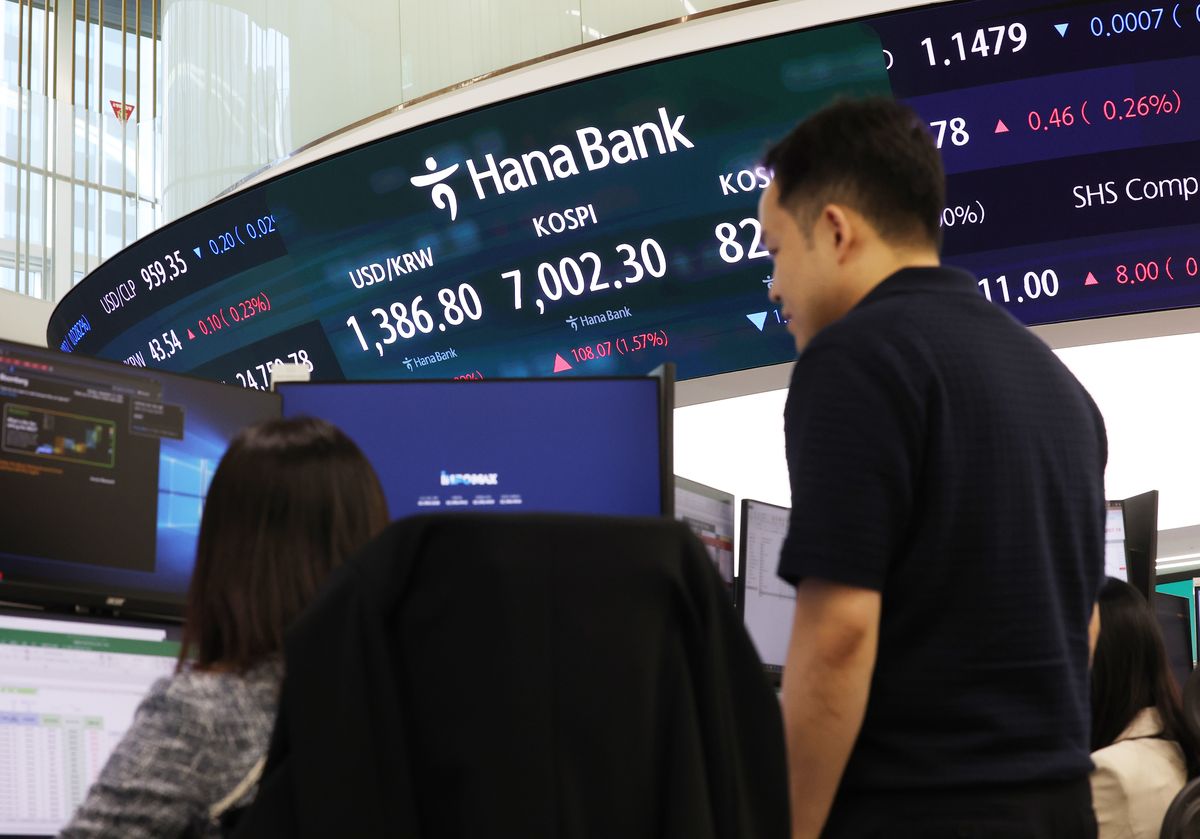
1. The Historic Moment of the KOSPI Breaking 7,000
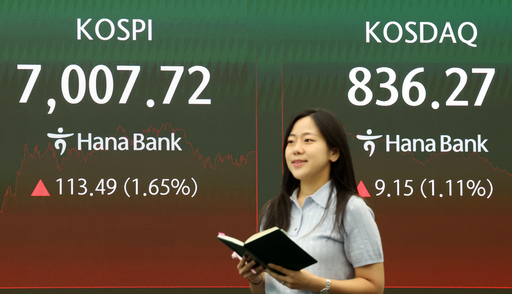
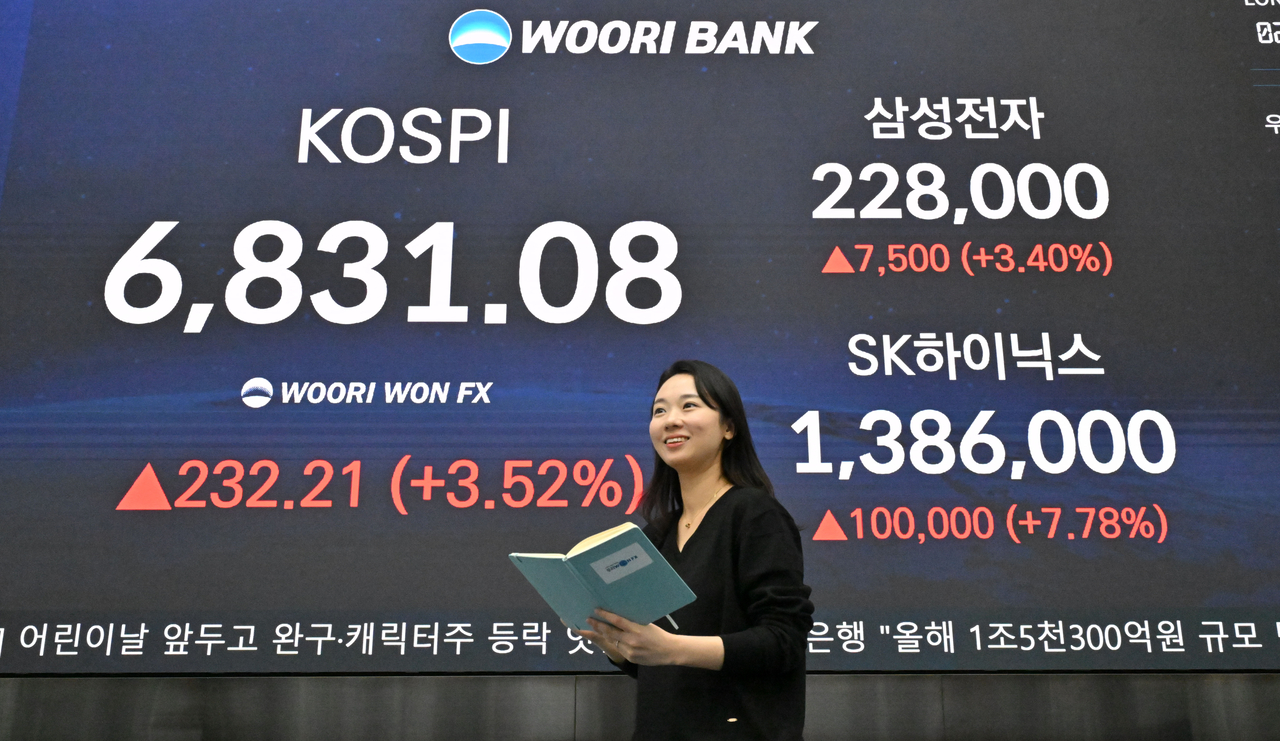
The KOSPI index has finally reached the 7,000 high, opening a new horizon for the South Korean stock market. The index started the day smoothly at 6,938.34 and demonstrated resilience by soaring to 7,027.58 at one point during the session. As the index reached high levels, profit-taking selling poured in, causing a temporary pause in the market. However, with strong buying inflows, it ultimately defended the 7,000 line and closed the session, showcasing its resilience. Market participants expressed surprise, noting that it was difficult to predict the stock market would break through the upper resistance line so quickly. Investors who opened their trading windows cheered as they saw the index, which had been moving sideways for months, turn red all at once. In particular, since the driving force behind the index was not small and mid-cap stocks but solid large-cap stocks, assessments are emerging that the market’s fundamental nature has been completely improved. Securities experts predict that this 7,000 breakthrough will not be a temporary phenomenon but will serve as a strong support line going forward. As the stock market levels up, public interest in the capital market is heating up more than ever.
The KOSPI closed at 7,007.72, breaking the 7,000 mark for the first time in history and proving the improvement in the market’s fundamental nature.
2. Dual Strength of Samsung Electronics and SK Hynix in Semiconductors
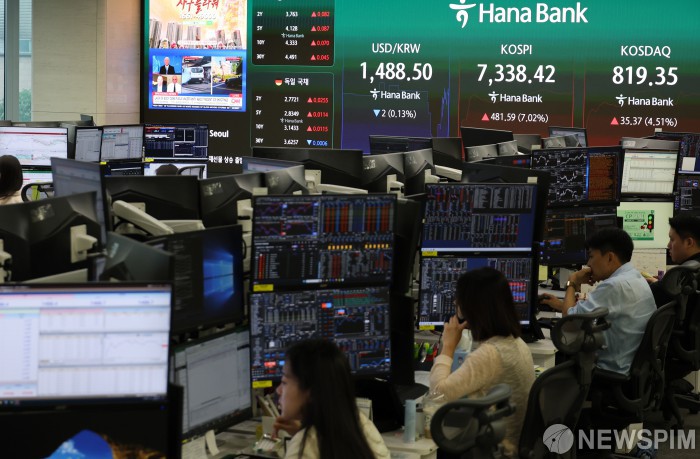
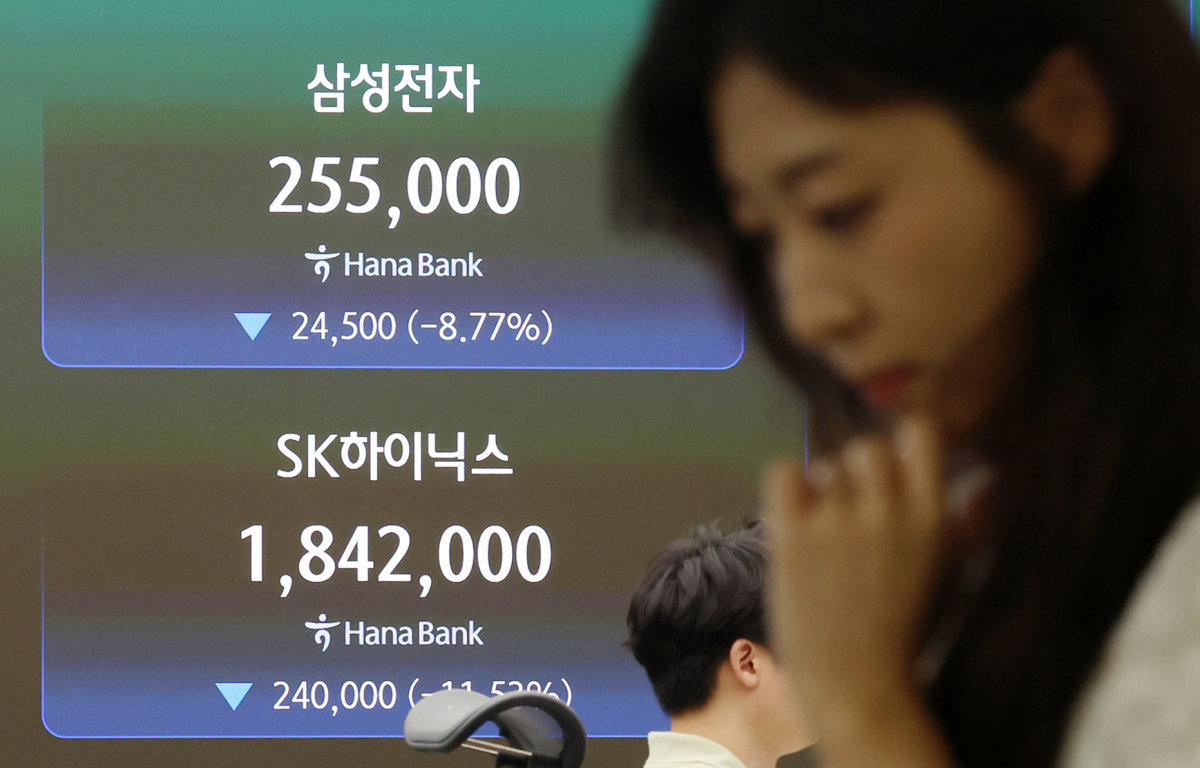
The top contributors to the index surge were undoubtedly Samsung Electronics and SK Hynix, the leading stocks in the domestic market. On this day, Samsung Electronics surged 4.98% from the previous trading day, closing at a high price of 274,000 won. From the early session, concentrated buying by foreigners and institutions drew an unstoppable upward curve in the stock price. SK Hynix also rose slightly by 0.59% to settle at 1,868,000 won, proving the solid standing of large-cap semiconductor stocks. The rise in stock prices for these two companies is not merely due to supply and demand factors but reflects overwhelming expectations for performance in the global market. In stock investment communities, a festive atmosphere continued with news that Samsung Electronics had comfortably escaped its long-standing box range. Mr. Kim, an office worker, smiled, saying he found it hard to focus on work after seeing the return rate in his account, which he checked every morning on his way to work, turn green. Experts analyze that the core driving force behind the stock price increase is the trend of demand for AI-related servers and advanced semiconductors not decreasing but rather exploding. It is widely believed that there is sufficient room for further increases, as the prevailing forecast is that the upward trend in memory semiconductor prices will continue until next year.
Samsung Electronics surged 4.98% and SK Hynix also rose, strongly driving the index upward.
3. Record-Breaking Export Performance and the Real Economy
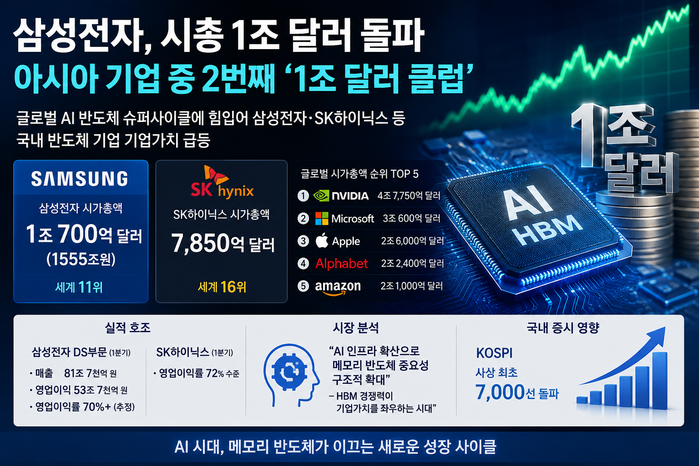
The most fundamental background behind this stock market explosion lies in the remarkable scorecard achieved by South Korea’s exports. Senior Researcher Kang Jin-hyuk of Shinhan Investment Securities stated that South Korea’s export value from September 1 to 20 reached $71.4 billion. This figure, which surged by a whopping 78.3% compared to the same period last year, broke the all-time record. In particular, semiconductor exports alone during this period reached $34.1 billion, recording an enormous growth rate of 259.4% year-on-year. Since semiconductors, a single product category, accounted for nearly half of the total export value, the stock market could not help but react. Such significant achievements in the real economy directly translate into improved corporate performance, acting as the strongest positive factor for stock prices. As factory operating rates rise and inventories are rapidly depleted, corporate operating profit forecasts are being revised upward daily. Even local shopkeepers are expressing expectations, saying that the perceived economy seems to be improving bit by bit as news of strong exports is heard daily on the news. This is a moment where the strength of South Korea, an export-driven nation, has been definitively proven once again in the global trade market.
September semiconductor exports surged by 259%, recording an all-time high performance that served as a solid foundation for the stock price increase.
4. Global Tech Stock Tailwinds and AI Investment Fever
The dazzling sprint of the domestic stock market is not only due to domestic factors but also aligns precisely with the massive trends in the global market. The strong trend in tech stocks centered on the US stock market has directly infused warmth into Korea’s IT large-cap stocks. As the competition to build core chips for AI implementation and high-performance servers intensifies globally, demand for related components remains unceasing. With investments in energy infrastructure to maintain advanced data centers also expanding, buying inflows have spread across the entire related industry. This massive international trend has truly given wings to Korea’s excellent semiconductor manufacturing companies. In the past, the Korean stock market was easily shaken by external negative factors, but it has now established itself as a central axis of the global technology supply chain. Overseas investment banks are also highly evaluating the technological superiority of Korea’s semiconductor ecosystem and have been raising target stock prices one after another. Among investors, voices are growing that it is no longer about seeking short-term price gains but investing with a long-term industrial outlook in mind.
The strength of US tech stocks and the expansion of AI-related infrastructure investments became the decisive trigger for funds to flow into the domestic stock market.
5. Large-Scale Institutional Net Buying and Supply/Demand Analysis
As the stock market broke through the 7,000 line, the movements of supply and demand subjects also showed very interesting patterns. On this day, institutional investors in the Korea Exchange (KOSPI) swept up a whopping 1.4924 trillion won, leading the index rise from the front. The powerful buying by institutions acted as a defensive barrier whenever the index faced corrections, creating a stable upward trend. On the other hand, individual investors net sold 2.9790 trillion won, and foreign investors net sold 160.3 billion won, moving to realize profits. As the stock index surged, individual investors showed movements to organize stocks they had held for a long time or lock in profits. While some investors expressed anxiety, wondering if the rise was too steep, the heavy volume from institutions comfortably absorbed it. The slight selling by foreigners also did not cause a major shock, as the institutional buying was overwhelmingly dominant, failing to break the overall upward trend. Experts analyze that large institutions are highly evaluating the valuation appeal of the Korean stock market from a long-term perspective and are continuously inflowing funds.
Institutions net bought over 1 trillion won to support the index, while individuals and foreigners released profit-taking selling.
6. Outlook for Further Stock Market Rise and Wise Investment Strategies
Now that the era of KOSPI 7,000 has begun, future investment strategies must be completely different from the past. Since the index has reached a high position, volatility may increase, so a strategy of blindly chasing buys can be risky. However, as semiconductor performance remains solid and the global AI investment fever has not subsided, a strategy of buying in installments during corrections is effective. The securities industry advises that restructuring the portfolio centered on high-quality large-cap stocks backed by performance is safe. To protect the return rate in my account, the wisdom to carefully examine corporate fundamentals rather than being shaken by surrounding rumors is needed. All those participating in the stock market should re-examine their own investment principles with this 7,000 breakthrough as an opportunity. If we secure stocks with excellent performance in line with the upcoming earnings season, opportunities will still remain by our side. At this point where the South Korean capital market is leaping powerfully toward higher grounds, please maintain a calm yet strategic approach.
In the 7,000 era, it is wise to prepare for volatility and formulate a strategy of buying in installments centered on high-quality stocks with strong performance.
Frequently Asked Questions
=