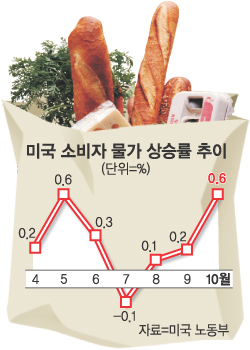
Key figures at the U.S. Federal Reserve have repeatedly warned that inflationary pressures may prove deeper and more persistent than initially anticipated. The prevailing diagnosis is that, despite recent interest rate hikes, it will be difficult for prices to settle stably below the target. Indeed, everyday costs such as grocery bills and dining out show no signs of easing. This is because the current situation goes beyond temporary supply chain shocks; structural changes in the economy itself are fueling price increases. In particular, the simultaneous rise of technological innovation and a manufacturing renaissance is creating a cycle where money flows and demand remains sustained. Let’s take a detailed look at the current economic situation as viewed by Fed officials and the potential impact on our wallets. We will carefully examine the root causes of stubborn inflation and the expected trajectory of interest rates.
=
Fed Issues Inflation Warning: Why AI and Manufacturing Are Driving Up Prices
1. The Fed’s Rate Hikes and Inflation Assessment
The U.S. Federal Reserve recently raised its benchmark interest rate, signaling a renewed tightening of monetary policy. Susan Collins, President of the Federal Reserve Bank of Boston, stated that inflation is highly likely to remain significantly above the 2% target for a considerable period. This suggests that higher interest rates must be maintained for a longer duration to achieve price stability, rather than this being a transient phenomenon. Given the memory of excessively high inflation over the past five and a half years, policymakers are highly vigilant. They have determined that the economy can withstand further rate hikes because the labor market remains robust and unemployment is low. While economic conditions vary by region and industry, the prevailing assessment is that the overall economic fundamentals are solid.
President Collins emphasized that, considering all available information, the upside risks to inflation are far more pronounced than the downside risks. She argued that now, with a stable labor market foundation, is the optimal time to fully tame inflation. Her remarks reveal a determination to prioritize price stability over concerns about an unnecessary recession. The logic is that the federal funds rate must be kept at a somewhat restrictive level to ensure prices safely return to the target. Although she does not have voting rights this year, her comments reflect the general sentiment within the Federal Reserve. Market participants are using these statements as a gauge for the future direction of monetary policy.
Fed officials emphasize that, based on a robust labor market, price stability must be the top priority, necessitating a continued tightening stance.
2. Upward Price Pressure from AI Investment
One of the most unique factors currently supporting upward price pressure is the massive investment boom in the artificial intelligence sector. Tom Barkin, President of the Federal Reserve Bank of Richmond, diagnosed that the U.S. economy is actually becoming stronger, driven by consumption and diverse growth engines. In the past, traditional factors like manufacturing or energy prices drove inflation, but now high-tech sectors are acting as a variable. Enormous capital and resources are being poured into the market through the construction of AI-related servers and data centers. This leads to a chain reaction of price increases, including rising costs for related components and soaring wages for engineers and technical personnel.
As competition in high-tech fields intensifies, companies find themselves unable to stop investing regardless of the cost. This massive expenditure flows into the real economy, effectively supporting consumer purchasing power. While there is an expectation that technological innovation will boost productivity and lower prices in the long run, it is currently a factor pushing up immediate costs. As the AI ecosystem expands, the resulting surge in jobs and income boosts consumption, eroding the defense line against inflation. Ironically, bold investment in technology has become the main culprit fueling the very price increases the Federal Reserve is most wary of.
Massive capital and investment in the AI sector are causing continuous upward pressure on prices by driving up related costs and increasing incomes.
3. The Impact of Manufacturing Revival and Defense Spending
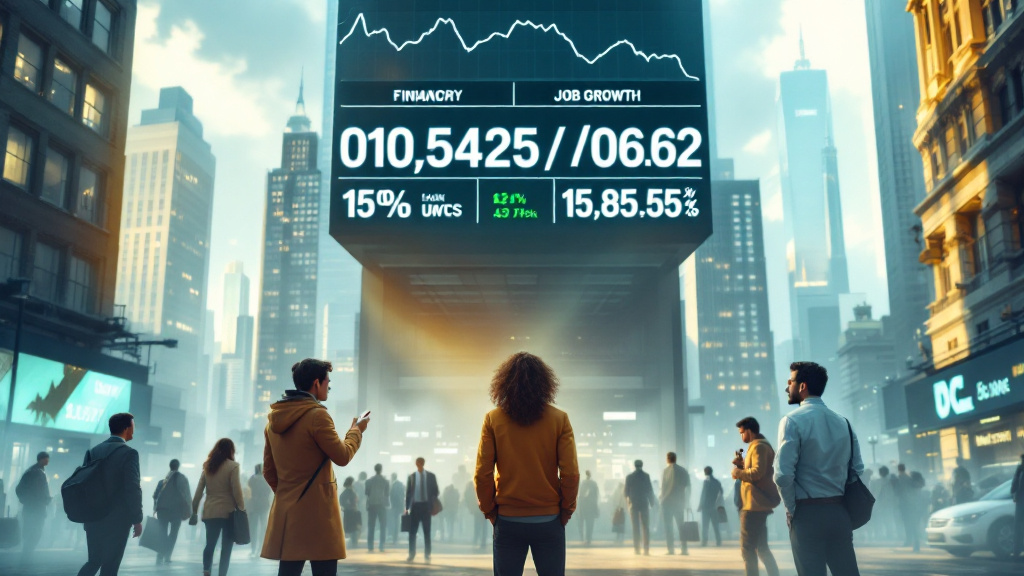
Beyond AI, the boom in traditional manufacturing and the defense sector is acting as another major pillar stimulating prices. The U.S. government has poured enormous funds into building factories and revitalizing manufacturing as part of a policy to bring supply chains back to domestic soil. In this process, wages for skilled construction workers and factory laborers have risen sharply, which is fully reflected in overall product prices. Additionally, with international tensions rising, defense-related budgets and orders for weapons production have surged, injecting vitality into the entire related industry.
While running factories and creating jobs are clearly positive signals for economic growth, they pose a significant burden from the perspective of price stability. As more people work and incomes rise, the amount of cash circulating in the economy increases, eliminating the possibility of prices falling. This is a structural change of a different magnitude than temporary shocks caused by high energy prices or tariffs in the past. The process of re-establishing manufacturing plants on U.S. soil itself requires enormous costs, making product price increases inevitable. This is why policymakers find it difficult to expect prices to stabilize naturally once temporary supply shocks pass.
The manufacturing revival and increased defense spending drive job and wage growth, circulating money in the economy and acting as a structural factor pushing up prices.
4. An Economy Supported by Robust Consumer Demand
The fundamental force keeping the U.S. economy from cooling down and instead gaining momentum comes from consumers’ sturdy wallets and strong purchasing power. Despite higher interest rates increasing the burden of loan interest, people continue to dine out, travel, and maintain their spending levels. It is easy to observe that while people grumble about rising prices, popular shopping districts and restaurants remain crowded. The reason companies can relatively easily pass cost increases on to product prices is precisely due to this unyielding consumption.
Because consumer demand remains robust, companies do not feel the need to lower prices to maintain profits and instead implement price hikes. Even though the Federal Reserve has raised rates multiple times, unemployment remains low and wages are rising, so consumer spending power is not easily exhausted. This phenomenon is cited as a primary cause neutralizing the effects of monetary policy, causing deep concern among central bank officials. To tame inflation, the economy needs to cool somewhat, but consumption is so strong that no signs of recession are visible. Ultimately, while strong consumption is good for the economy, it is the biggest obstacle to achieving the goal of price stability.
Consumers’ strong purchasing power, which remains unbroken despite high interest rates, enables companies to pass on costs, serving as a driving force that keeps prices high.
5. Uncertainty in Future Monetary Policy and Interest Rate Trajectories
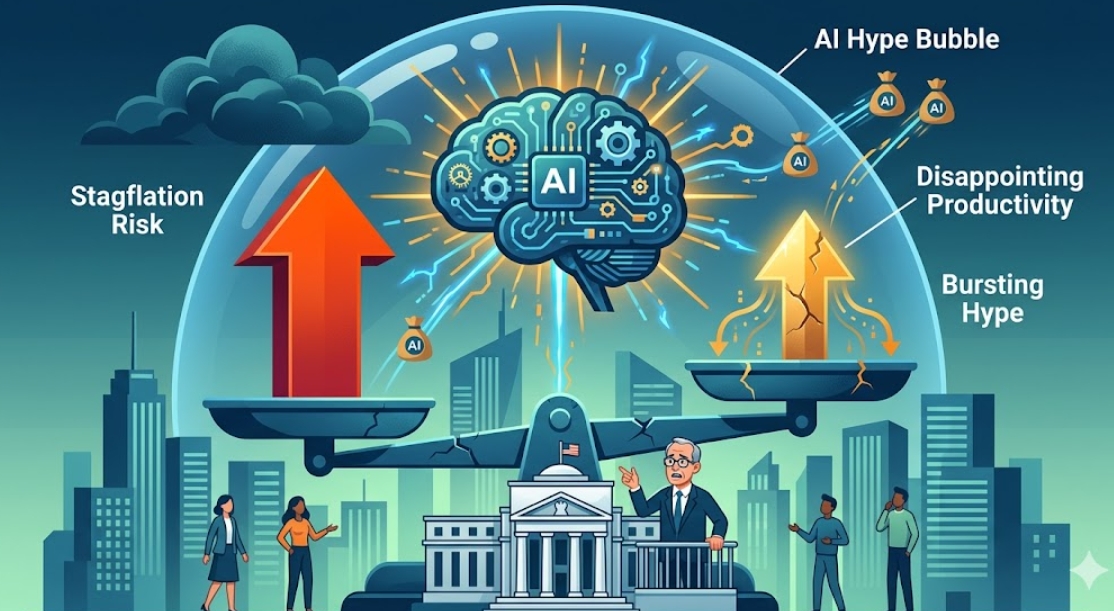
Since the Federal Reserve finally raised its benchmark interest rate after a long period of holding it steady, the possibility of further hikes has become the biggest topic in financial markets. Policy makers’ long-term interest rate projections include a scenario where rates could be raised once more within the year. However, the leadership, including the Chair, is maintaining a stance of strict watchfulness without giving clear signals about the future interest rate path. The reason the market reacts sensitively every time inflation and employment data are released is precisely due to this lack of clarity.
Investors and market analysts are busy trying to predict when the Federal Reserve will stop raising rates and how long it will maintain high rates. Voices arguing that inflation risks remain and that stronger measures are needed to prevent an overheating economy are in a tense standoff. If additional rate hikes are implemented, the shock to asset prices in the stock and real estate markets is bound to be significant. However, there is also a fear that failing to tame inflation and responding ambiguously could lead to paying a heavier price later. Ultimately, future monetary policy is highly likely to unfold in a data-dependent manner, relying entirely on the numbers shown by economic indicators.
As the Fed leadership gives no clear signals on future rate hikes, the market is swinging wildly in response to economic indicators.
6. Survival Strategies for Economic Actors

As warned by Fed officials, if inflationary pressures do not ease quickly, individuals and companies must prepare thoroughly. It is more essential than ever to exercise wisdom in reviewing asset portfolios, keeping in mind the possibility that prices may remain fixed at high levels. If you are using variable-rate loans, you should switch to fixed rates or reduce debt levels to prepare for further rate increases. It is also a good strategy to pay attention to real assets that can withstand inflation or stocks of high-quality companies with pricing power.
Companies must also seriously consider how to overcome rising cost pressures, focusing on cost reduction and productivity improvement. To survive, they need to adopt AI and advanced technologies to improve work efficiency and optimize labor management. Rather than viewing policy changes by the government and central bank as someone else’s business, we must calculate in advance the impact on our wallets and businesses. The new economic environment dominated by high inflation and high interest rates demands rigorous asset management. Only those who accurately read the changing trends and respond one step ahead will be able to safely navigate this uncertain period.
To prepare for prolonged high inflation and high interest rates, individuals should manage their debt, and companies should boost productivity to thoroughly prepare for upcoming economic changes.
Frequently Asked Questions
=