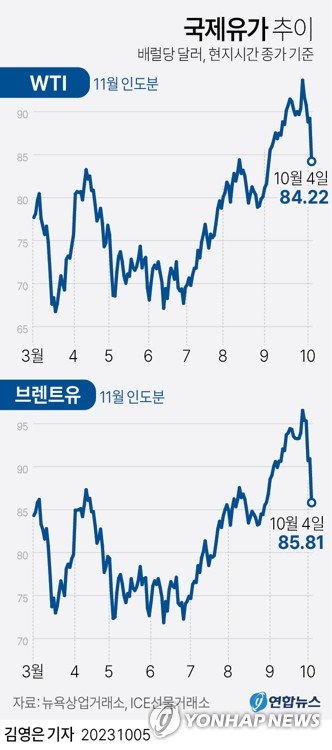
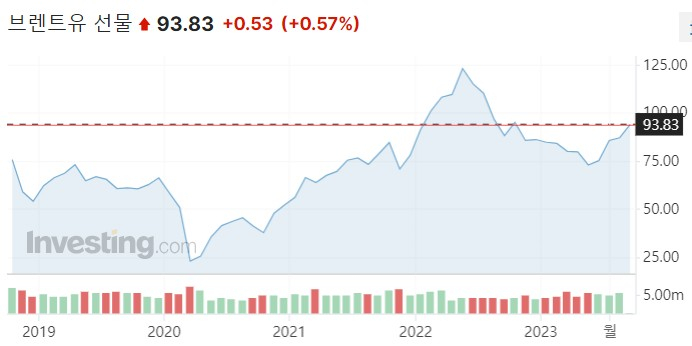
International oil prices have surged past $100 per barrel, fueling global inflation and increasing the likelihood of further interest rate hikes by the U.S. Federal Reserve. The situation has reached a critical point regarding oil supply and demand instability, driven by overlapping military tensions in the Middle East surrounding Saudi Arabia and Iran, along with supply chain disruptions. Consequently, financial markets are experiencing a severe shock, with U.S. Treasury yields exceeding 5%, and this is directly impacting our wallets. This is why more people are sighing at the soaring gas prices at the pump on their way to work. Let’s closely examine the connection between rising oil prices and how they translate into higher loan interest rates and inflation. In this article, we will carefully look at the background of the international oil price spike and its ripple effects on the real economy.
=
International Oil Prices Surpass $100: Analyzing the Chain Reaction of Inflation and Interest Rate Hikes
1. Middle East Instability and Oil Supply Disruptions
With ongoing operational disruptions to Saudi Arabia’s pipelines and continued offensives by the Houthi rebels, global oil supply is facing a sharp decline. The halt in oil exports via the Red Sea has further amplified market participants’ anxiety. As signs indicate that the conflict in the Middle East may become prolonged, concerns about damage to oil production facilities are pushing prices higher. Indeed, in a port city in southern France, fishermen outraged by soaring fuel prices have even staged protests by occupying fuel depots. Voices protesting the energy price surge are erupting everywhere in the world, from Europe to Asia. Thus, geopolitical risks are no longer just stories on the news screen but have become a reality threatening our daily lives.
Every time a geopolitical conflict occurs, the oil market is the first to react sensitively and fluctuate wildly. When oil supply lines are blocked, it takes considerable time to find alternative routes, leading to sustained upward pressure on prices. Experts unanimously warn that the current supply disruptions are unlikely to be resolved in the short term. Consequently, with growing concerns over energy security, governments and corporations worldwide are struggling to prepare emergency response measures. It is a moment that makes us keenly feel how vulnerable the energy we consume daily is, given its reliance on fragile supply chains.
Military tensions and supply chain disruptions in the Middle East are threatening oil supply and pushing up international oil prices.
2. U.S. Inflation Indicators and Pressure for Interest Rate Hikes
Rising international oil prices immediately drive up the Consumer Price Index (CPI), placing an enormous burden on central bank monetary policy. Due to inflation indicators coming in stronger than expected, the prevailing view is that the U.S. Federal Reserve will raise benchmark interest rates further. In fact, market surveys indicate a very high probability of a rate hike at the upcoming meeting. With inflation failing to subside and oil prices rising, central banks have no choice but to raise interest rates to cool the economy. In this process, financial market volatility is increasing, with the U.S. 10-year Treasury yield breaking through 5%.
When interest rates rise, liquidity in the market dries up, and companies face significant difficulties in securing funding. As investment sentiment freezes, foreign capital flows out of the stock market, putting downward pressure on indices. Common loan interest rates also rise in a chain reaction, causing household interest burdens to snowball. Many people are experiencing suffocating financial strain as their mortgage interest payments increase. The fear of a complex stagflation, where both inflation and interest rates rise simultaneously, is becoming a reality.
Inflationary pressure from the oil price surge is increasing the probability of further interest rate hikes by the U.S. Federal Reserve.
3. Shock to Global Financial Markets and the New York Stock Exchange
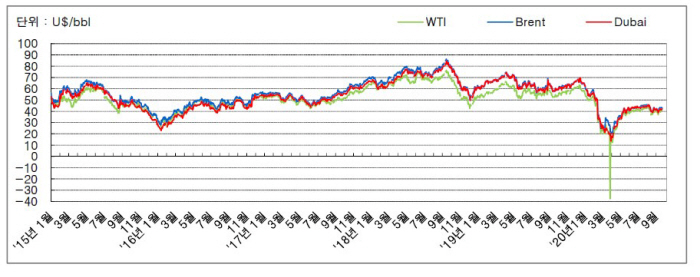
The news of international oil prices surpassing $100 immediately froze major global financial markets, including the New York Stock Exchange. This is due to spreading concerns that rising energy costs will erode corporate operating profits. Investors are turning to safe-haven assets and dumping risky assets like stocks in large numbers. In the bond market as well, continued selling by investors is fueling a vicious cycle of rising interest rates. Sighs from investors whose stock account balances shrank overnight are filling online communities.
This shock from overseas markets is transmitted directly to the domestic stock and foreign exchange markets, causing anxiety among investors. In the KOSPI market, foreign investors are selling stocks in large quantities, preventing the stock index from escaping weakness. The exchange rate is also showing unstable trends, creating a side effect of further pushing up import prices. Given that our economy relies entirely on imported oil, rising international oil prices are inevitably a fatal blow. As corporate production costs rise and product prices become more expensive, consumers’ wallets will eventually close.
The combination of rising oil prices and surging Treasury yields is causing a chain reaction of downward shocks to the New York Stock Exchange and domestic financial markets.
4. Real Economy and Decline in Household Disposable Income
When gas prices rise, it is not just the cost at the gas station that increases; prices across daily life soar. Rising logistics costs put pressure on price hikes for everything from groceries at the supermarket to public transportation fares. While salaries remain the same, expenses increase, significantly reducing household disposable income. This is why housewives are sighing more deeply as they cut back on dining out and carefully check their shopping lists. The burden of living costs is snowballing to a point where the livelihoods of ordinary citizens are struggling to cope.
Companies are also facing a double burden of deteriorating profitability because they cannot fully pass on rising raw material costs to product prices. As more companies cut jobs or postpone investments, job stability itself may be shaken. Self-employed individuals are pushed to the brink by the double blow of rising ingredient and electricity costs and a decrease in customers. The sight of a small restaurant owner near us worrying about whether to close their business is not someone else’s problem. We are witnessing firsthand how changes in macroeconomic indicators can destroy the livelihoods of small business owners.
Soaring oil prices drive up overall inflation, reducing household real income and threatening the livelihoods of self-employed individuals.
5. The Iran Conflict and Trump’s Political Variables
Military conflicts surrounding Iran, a Middle Eastern power, are the most powerful political variable manipulating international oil prices. Although President Donald Trump mentioned the possibility of oil prices falling after the end of the dispute with Iran, the market remains anxious. If the war becomes prolonged, massive fiscal spending will occur, which will in turn connect to global inflationary pressure. A scene is unfolding where crude oil futures prices swing wildly like a rollercoaster with every political statement. Unless a diplomatic solution is found, supply instability can resurface at any time.
The international community is making every effort to prevent the Iran conflict from escalating, but the situation is not easy. Due to the entangled political interests of oil-producing countries, stabilizing prices through production adjustments is not straightforward. Every time a military clash occurs, the global energy market is enveloped in a tense atmosphere like walking on thin ice. For us living peaceful daily lives, news of wars in distant countries effectively changes the amount on our monthly bills. We are keenly realizing that we have entered an era where geopolitical risks must be managed on a constant basis.
Military conflicts with Iran and political statements are shaking the oil market and maximizing price volatility.
6. Future Outlook and Household Response Strategies
Experts advise that international oil prices are likely to remain at high levels for the time being, making preparation essential. Given the high probability of a continued interest rate hike trend, investments through excessive borrowing should be handled with extreme caution. A wise asset management strategy is needed to reduce household debt and increase cash holdings to prepare for emergencies. It is also important to make efforts to reduce unnecessary energy consumption in daily life, in line with government energy-saving policies. Small practices, such as actively using public transportation for commuting and adjusting the use of heating and cooling appliances, add up to make a big difference.
In times of crisis, one should cultivate the insight to read market trends calmly rather than being swept away by emotional, impulsive investments. Instead of being swayed by news headlines, one should develop the habit of consistently observing trends in interest rate and inflation indicators. Rather than relying on rumors, one should refer to expert analyses and protect assets from a long-term perspective. The lesson this oil price volatility teaches us is ultimately the need to strengthen our economic fundamental fitness. To wisely navigate the coming era of uncertainty, let’s redraw our consumption habits and investment maps right now.
In an era of high oil prices and high interest rates, wise asset management is required to manage debt and reduce energy consumption.
Frequently Asked Questions
=