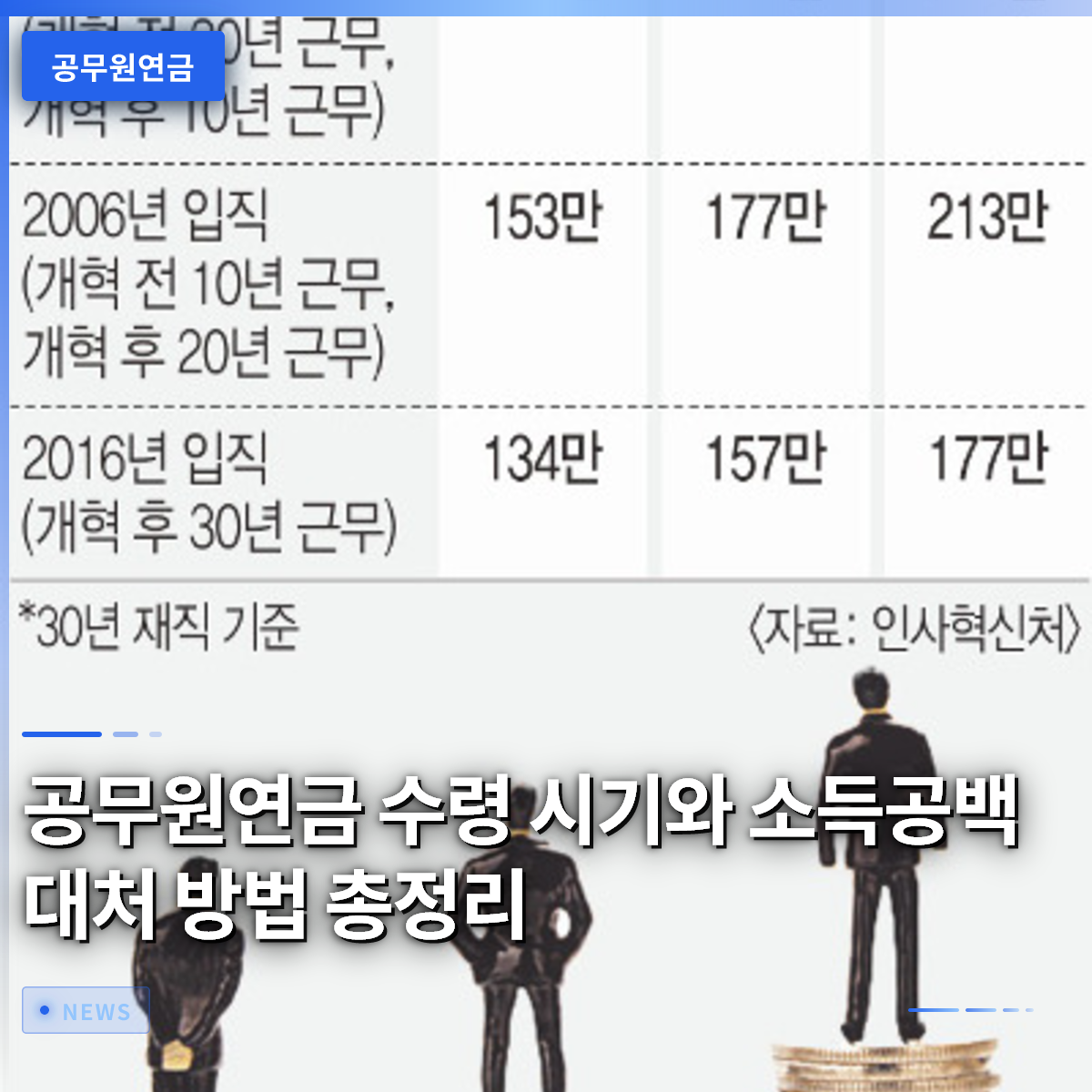
For civil servants appointed after 1996, the pension receipt age is gradually extended up to age 65 depending on the year of retirement. Therefore, it is essential to verify your exact payment schedule in advance. Many people approaching retirement are deeply concerned about the income gap between their mandatory retirement age and the start of pension payments. In fact, it is not uncommon to hear stories from senior civil servants who struggled to make ends meet for several years after retiring due to a lack of income. In this article, we will thoroughly examine the exact pension receipt timing based on the year of appointment, as well as property division issues in the event of divorce. By reading this post to the end, you will fully grasp the core of the complex pension system and be able to prepare your retirement plan wisely. From now on, we will reveal all the hidden details about civil servant pensions that you are most curious about, one by one.
=
A Complete Guide to Civil Servant Pension Receipt Timing and Managing Income Gaps
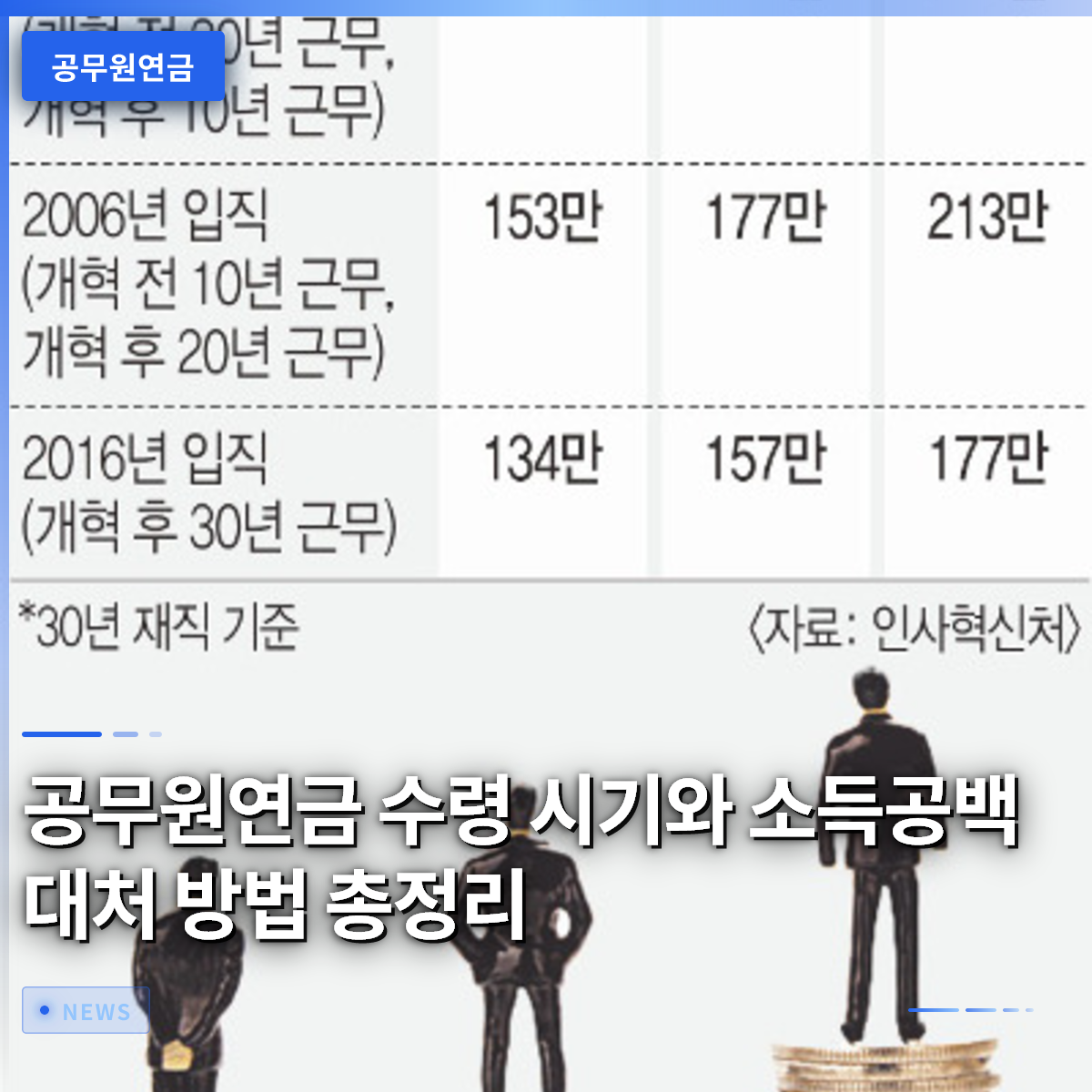
1. Pension Receipt Timing for Civil Servants Appointed After 1996

For civil servants appointed after 1996, there can be a significant time gap between the standard mandatory retirement age and the actual start of pension payments. Unlike in the past, legislative amendments have gradually delayed the pension receipt age, and under current standards, it is being extended in stages up to age 65. For example, if you are approaching voluntary or mandatory retirement, you must carefully calculate exactly at what age you will begin receiving your monthly pension. It is frequently observed that people who left their jobs early are taken aback when they realize their pensions will not start immediately. It is essential to compare your appointment date and length of service against the legal standards designated by the state. You can easily check your expected receipt timing using the Civil Servant Pension Service website or related certified authentication services. Occasionally, it is not difficult to see cases where people face major disruptions to their post-retirement living expense plans because they failed to properly recognize this timing. Therefore, rather than just looking forward to your retirement date, you should mark the exact month and year when the pension will hit your bank account on your calendar in advance.
For civil servants appointed after 1996, the pension receipt age is gradually extended up to 65, so you must verify your exact payment age in advance.
2. Addressing the Reality of Income Gaps Amidst Mandatory Retirement Extension Discussions
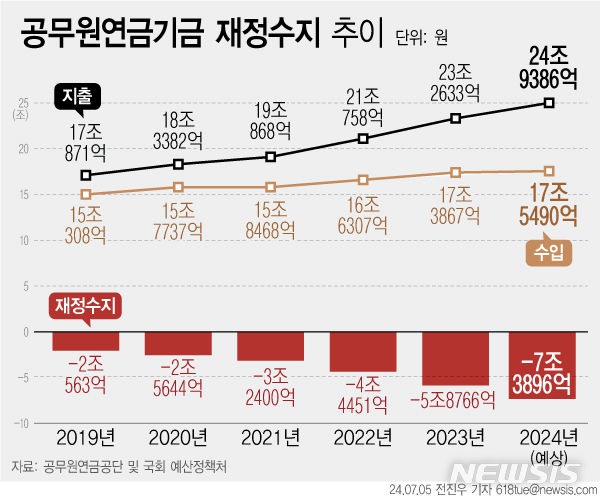
With recent active discussions on extending the mandatory retirement age, concerns about serious income gaps are growing among civil servants of specific birth years, including those born in 1968. Even if the mandatory retirement age is extended, if it does not align with the pension receipt timing, a period of zero income will occur, causing a significant blow to household finances. In reality, many people retiring in their late 50s are knocking on the doors of various side businesses or re-employment opportunities to survive this income gap. Some are re-hired by other public institutions or private companies leveraging their experience, while others boldly attempt to start their own businesses. To wisely manage this income gap, it is essential to prepare a substantial emergency fund while still in active service. You must develop the habit of setting aside a portion of your monthly salary into a dedicated account for post-retirement gap-period living expenses. Additionally, if you have enrolled in both the National Pension and personal pensions, you can coordinate the receipt timings to prevent income interruption. Actively utilizing various re-employment support programs and educational courses provided by the state is also a good method.
Income gaps caused by the difference between mandatory retirement age and pension receipt timing should be prepared for in advance through thorough savings and re-employment planning.
3. Property Division of Civil Servant Pensions in Golden Age Divorce
There is high interest in claims for the division of civil servant pensions among couples who decide on a “golden age divorce” after a long marriage. Legally, the right to claim pension division must be exercised within two years from the date of divorce, so there should be no delay in timing. When the other party is receiving the pension, a certain percentage is divided, though specific requirements may vary depending on the pension law. If there are signs that the other party is hiding or disposing of assets, immediate legal measures such as provisional attachment must be taken. One acquaintance suffered for months during divorce proceedings while calculating the division ratio of the other party’s severance pay and pension. Since civil servant pensions are recognized as assets accumulated jointly by the couple during the marriage, even a stay-at-home spouse can confidently assert their rights. Of course, the division amount varies significantly depending on the length of the marriage and the actual period of cohabitation. Therefore, if you are considering divorce, it is wise to consult with a legal expert to accurately calculate your share.
Claims for the division of civil servant pensions must be filed within two years of divorce, and the length of marriage and legal requirements must be carefully verified.
4. Utilizing Pension Receiving Account Change Events and Financial Benefits
Commercial banks are running various switching events to attract customers receiving the four major pensions, offering substantial financial benefits. Institutions like the Nonghyup Bank offer cash benefits of up to 50,000 won to customers who change their receiving accounts for the four major pensions, including civil servant pensions, to their own accounts. Deciding where to designate your monthly fixed pension account can provide an opportunity to secure a small but valuable side income. Since fixed income is precious after retirement, actively utilizing these financial industry events is very helpful. You can easily complete the account change through a simple procedure by visiting a bank branch or using a mobile app. Even if it is not your primary bank that you have used for a long time, we recommend boldly switching if a bank offers exceptional terms. In addition to the pension amount deposited into your account every month, you can also receive additional benefits such as preferential interest rates and fee waivers. Just as retired seniors compare financial products to save on living expenses, you should manage your pension account smartly.
Changing your pension receiving account to a bank with favorable terms can yield cash benefits of up to 50,000 won and additional financial preferential treatments.
5. Post-Retirement Preparation for Drivers and Various Civil Servant Ranks
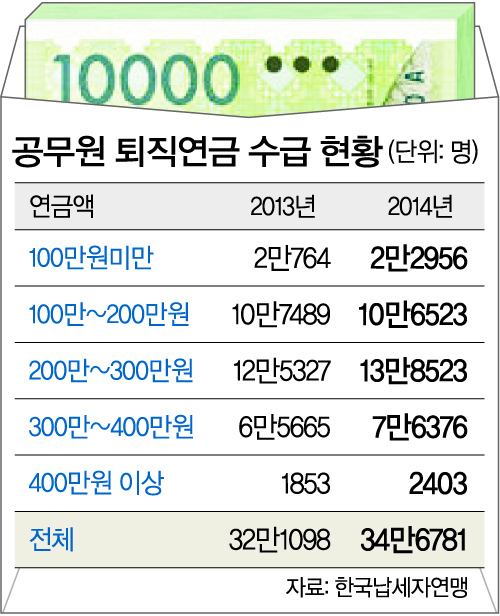
Workers in various active service ranks, including civil servant drivers, can significantly reduce their worries about old age based on a stable pension after retirement. Even as autonomous driving technology develops and society changes rapidly, the specialized driving duties in the public sector have the advantage of consistently requiring personnel. Those who have served diligently in public office for many years enjoy financial stability thanks to the monthly pension after retirement. Looking at retirees around us, having the pension as a sturdy pillar allows them to start their second life with a much more relaxed attitude. Some civil servants actively enjoy hobbies or participate in social contribution activities based on their pension income after retirement. Related institutions such as the Civil Servant Pension Service also operate various eco-friendly educational and leisure programs for retirees, receiving great response. The mere fact that a fixed amount is deposited into the account every month maximizes the psychological stability of looking toward life after retirement. This is why it is said that the pension system, which guarantees old age, is the ultimate reward, even if job stress is high while in active service.
The civil servant pension serves as the strongest economic pillar for post-retirement life and helps design a relaxed second life.
6. Strategies to Defend Civil Servant Pensions Against Attachment in Personal Bankruptcy Crises
Occasionally, retired civil servants undergo personal bankruptcy proceedings due to extreme economic hardship, which is regrettable. If you are in a situation where you need to look into legal procedures due to debt issues, you must first understand how your pension receipt rights are protected. Legally, civil servant pensions have the character of maintaining a minimum livelihood, so they are partially protected from indiscriminate attachment. However, creditors may enforce compulsory execution against cash assets already deposited in the account, so special caution is required. If debts around you have increased to an unmanageable level, do not worry alone; seeking legal advice promptly is the top priority. Before considering bankruptcy filing, you can relieve pressure through debt adjustment systems or personal rehabilitation programs supported by the state. It is most important to maintain transparent and sound asset management habits so that the pension, which is the only means of livelihood after retirement, is not threatened. No matter how the economic environment changes in the future, safely protecting your pension receipt rights is the only way to prevent old-age bankruptcy.
When considering personal bankruptcy due to economic crisis, you must accurately know the legal protection scope of civil servant pensions and respond swiftly.
Frequently Asked Questions
=