
Unichem, a company primarily known for manufacturing automotive leather, is drawing market attention as it secures a next-generation growth driver by recruiting a robotics haptics expert from Stanford University in the US to its board of directors. Through an upcoming extraordinary general meeting of shareholders, the company plans to significantly expand its business objectives to include electronic skin and tactile sensors, accelerating its steps toward the era of physical artificial intelligence. We will explore the fascinating background of how a traditional leather goods manufacturer is transforming into a key player in the cutting-edge robotics industry. The approach of combining traditional manufacturing methods with the latest technology to find new breakthroughs is delivering a fresh shock to many companies. In this article, we will take a detailed look at the specifics of Unichem’s new business initiatives and the upcoming changes in the robotics industry. We hope this will be a valuable time for readers to consider the economic implications of a company’s bold transformation.
=
Unichem Recruits US Robotics Haptics Expert, Enters Physical AI Business

1. Unichem’s Radical Transformation
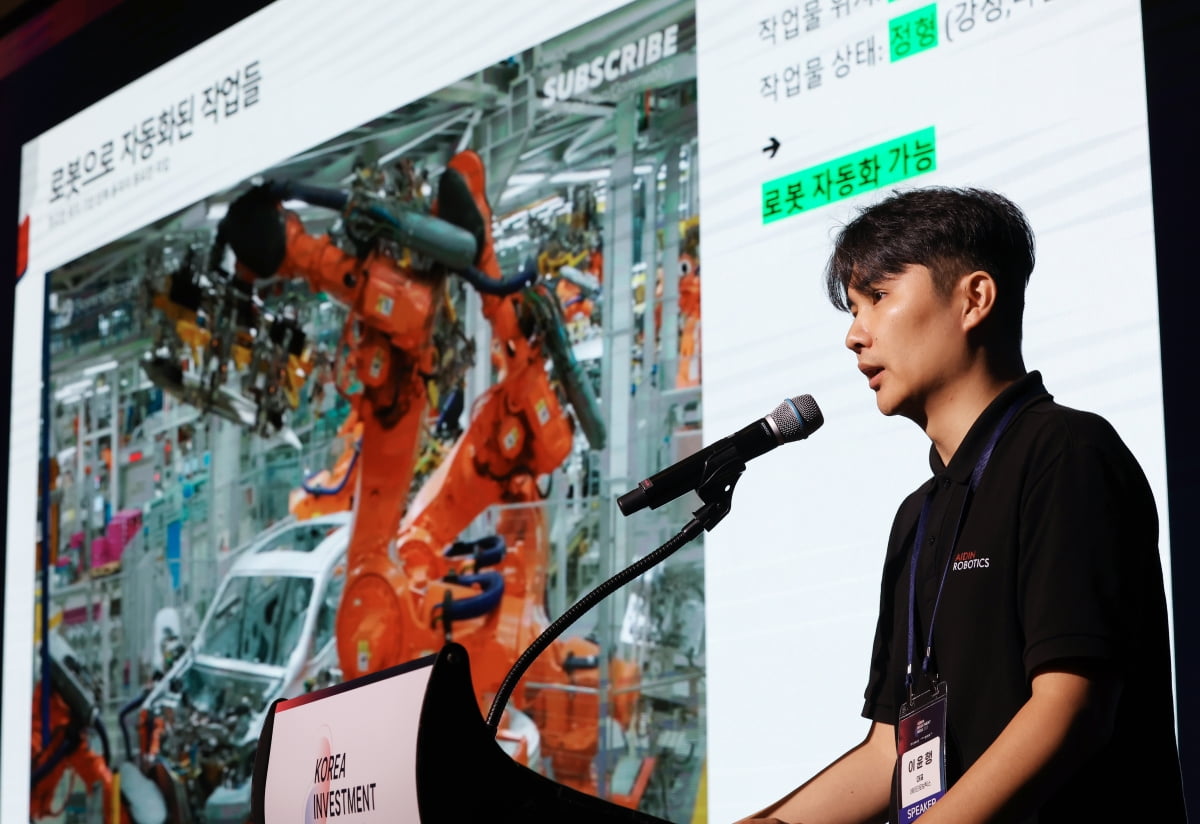
Unichem, which has primarily produced automotive leather, is surprising the public by entering the completely unexpected robotics industry. Rather than resting on its existing business, the company has identified electronic skin (robot skin) and tactile sensors as its new revenue streams. It is refreshing to realize that the automotive interior materials technology we encounter daily can now be utilized as the outer skin of advanced humanoid robots. The company’s effort to break down the boundaries of its traditional domain and attempt fusion with a completely different field is highly encouraging. This bold decision was made based on thorough preparation and analysis and is set to be a crucial turning point in enhancing the company’s value. Unichem’s future moves are likely to serve as a model case of a traditional manufacturing company reinventing itself as a high-tech enterprise.
By nominating a prominent robotics expert from a US university as a board candidate, the company is firmly proving its sincerity toward its new business. Recruiting an individual who researches robotic tactile sensing and precise manipulation at Stanford University demonstrates a strong commitment to securing technological capabilities. The experts expected to join the board are veterans who have researched core technologies that enable robots to touch and sense objects like humans. The strategy is differentiated by involving world-class talent directly in the decision-making structure, rather than simply investing capital. This talent acquisition is expected to play a decisive role in securing technological competitiveness in the global robotics market. If the experts’ deep insights are combined with the company’s manufacturing capabilities, it could generate enormous synergy.
Unichem is boldly expanding its business scope into the advanced robotics industry by recruiting world-class experts in robotics haptics, going beyond automotive leather manufacturing.
2. Background of Recruiting US University Experts
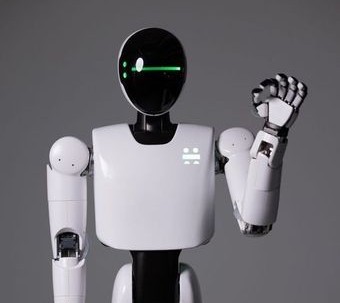
The individuals Unichem aims to appoint as directors at the upcoming extraordinary general meeting are top authorities in the field of tactile sensing, highly regarded in the robotics community. A professor leading a relevant research lab at Stanford University, along with an expert with practical experience at a robotics company, is expected to join the board. They have researched technologies that help robots perceive their surrounding environment and handle objects precisely, similar to a human touch. For robots to interact naturally with humans beyond simple repetitive tasks, tactile functionality to feel the hardness or texture of objects is essential. Unichem plans to further accelerate the pace of its new business initiatives based on the expertise of these professionals. This talent acquisition, bridging the gap between academia and industry, will be a shortcut to rapidly enhancing the company’s technical completeness.
As the center of the robotics industry is concentrated in advanced countries like the US, collaboration with top local experts is an essential element. The individuals listed as board candidates are skilled professionals who have accumulated numerous achievements over a long period in the fields of robot interfaces and product development. Their experience will greatly contribute to reducing trial and error and improving the quality of the mass production process for Unichem’s electronic skin. It is far more efficient for a company to recruit and build a cooperation system with already-verified global experts than to develop technology independently. This strategy is also effectively instilling strong confidence in investors regarding the company’s future growth potential. There is already high anticipation for how the innovative robotic tactile technologies they will create will be applied in actual industrial settings.
By recruiting world-class robotics haptics experts, including a Stanford University professor, to the board, the company is securing technological competitiveness and increasing the likelihood of success for its new business.
3. Laying the Foundation for New Business Through Articles of Incorporation Changes
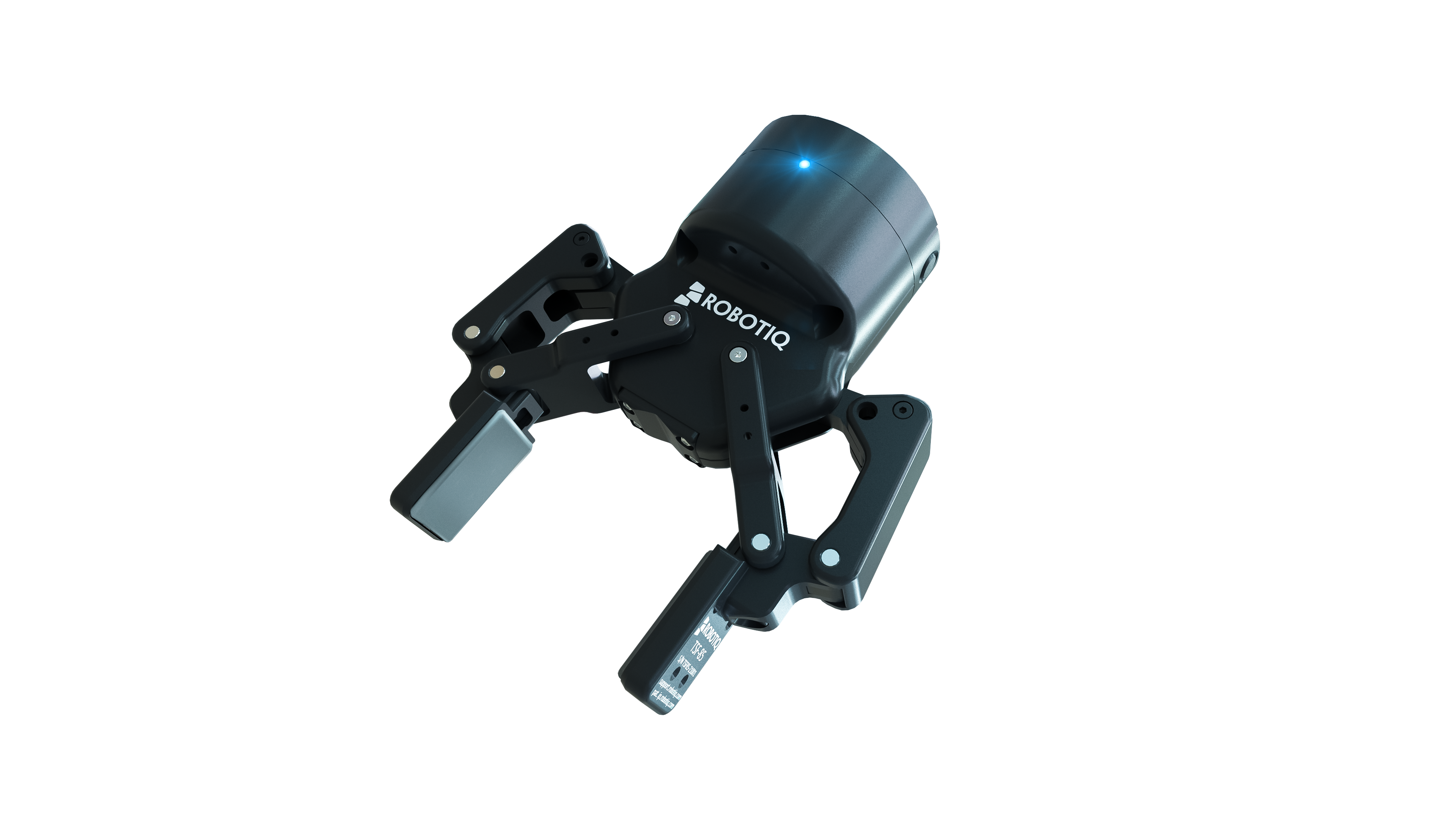
Unichem plans to significantly amend its articles of incorporation through the upcoming extraordinary general meeting to officially add new business areas. The newly added business objectives include the production of electronic skin and outer covers for robots based on humanoid and physical artificial intelligence. It will also cover sensors that precisely detect touch, pressure, and shear force, as well as various haptic interface technologies. This is not merely about filling the company’s articles of incorporation with impressive phrases, but a practical preparation process to actually operate the business. It reflects the will to fuse smart leather, electronic fibers, and flexible electronic deep tech to introduce a completely new form of product to the world.
It is impressive that the business objectives also include the development of devices for collecting massive tactile data required for robot learning and related software. This is because for robots to learn and develop like humans, tactile data felt by the body is essential in addition to visual input. This capability in data collection and analysis will become a core asset for elevating the intelligence of AI robots to the next level. Unichem is steadily building these advanced technologies on top of its existing leather processing and mass production infrastructure. Amending the articles of incorporation is the first official gateway and an important procedural step to lay the legal foundation for realizing this grand blueprint. The management’s determination to completely transform the company’s nature is being conveyed as a positive message to shareholders and the market.
Through amendments to the articles of incorporation, the company has officially secured specific new business areas, including electronic skin for robots, tactile sensors, and data collection devices.
4. Combining Materials and Mass Production Technology
Unichem’s long-accumulated capabilities in automotive leather processing and mass production are its strongest weapon in promoting this new business. No matter how excellent the advanced technology and ideas may be, commercialization will fail if they cannot be produced in large quantities. The company is preparing to stably produce flexible materials for robot skin based on its solid manufacturing infrastructure. The know-how accumulated from handling leather is perfectly suited for creating flexible and durable materials, such as clothing worn by humans or outer covers for robots. The meeting of advanced electronic technology and traditional material processing technology allows for the birth of a new form of smart outer cover that has never existed before.
Companies that possess not only superior materials but also the ability to mass-produce them commercially gain a tremendous advantage in the market. The moment robot skin technology moves from the lab to the factory, where thousands of units are produced, its value as an industrial component explodes. Unichem is aiming to leap forward as a core company supplying essential components to robot manufacturers worldwide by targeting this point. The amazing transformation of using the skills once used to process leather to now create the sensory organs of cutting-edge robots is becoming reality. This manufacturing competitiveness will be a powerful, irreplaceable moat for Unichem that latecomers cannot easily follow. Attention is being paid to what ripple effects the robot smart outer covers mass-produced in factories will have on the global humanoid market.
The company is completing the foundation for the commercialization of robot outer covers by combining its long-established material manufacturing and mass production infrastructure with advanced technology.
5. Pursuing Acquisition of Lumia Technologies
Unichem is actively pursuing the acquisition of Lumia Technologies, a US deep tech company boasting unique technological capabilities in the field of flexible electronics. The strategy is to absorb Lumia’s superior flexible electronic technology and achieve a perfect combination with the company’s material mass production capabilities. Lumia’s technology plays a crucial role in enabling electronic circuits to be implemented on surfaces that bend like fabric or leather. By fully acquiring the company’s shares, Unichem will be able to produce independent, high-value-added products without relying on external technology. This can be called a model case of global cooperation where excellent US technological capabilities and the solid manufacturing capabilities of a Korean company join hands.
This acquisition pursuit serves as an important conclusion for Unichem to leap from a simple parts manufacturer to a global advanced parts solution company. A perfect picture is drawn where US fundamental technology, the research capabilities of Stanford University experts, and Unichem’s mass production capabilities form a trinity. The company’s moves to surpass the limitations of the leather industry and establish itself as a global powerhouse in the robot skin market are instilling great expectations in investors. In the M&A market as well, such bold investments are highly evaluated as the most certain way to secure future growth drivers. If the combination with Lumia is successfully completed, Unichem’s corporate value will leap to a higher level. It is highly anticipated what fruits the glamorous transformation of a traditional manufacturer embracing advanced technology will bear in the global market.
The company is accelerating its assault on the global robot parts market by pursuing the acquisition of a US flexible electronics deep tech company to secure its own fundamental technology.
6. Outlook for the Era of Physical AI

The AI market, which was previously brain-centric, is rapidly entering the era of physical AI, which emphasizes physical interfaces such as hands and skin. As the ability of robots to touch, feel, and act directly, in addition to thinking like humans, becomes important, the value of tactile sensors is soaring. Unichem’s new business in robot skin is evaluated as a very timely choice that precisely meets these era-specific demands. By expanding its existing leather business into the future-oriented field of smart outer covers, the company has perfectly equipped itself with new growth drivers. In the future, we will see countless humanoid robots equipped with Unichem’s components, which resemble human skin, active in various parts of the world.
Readers should also keep a close eye on how companies trapped in the framework of traditional industries meet advanced technology to create new opportunities. Unichem’s case clearly shows that companies that boldly improve their nature to match changing trends of the times become the winners of the future. Try to broaden your insight into investment and economic trends by consistently checking the results of the upcoming extraordinary general meeting and the specific progress of the new business. The world is changing at a much faster pace than we imagine, and innovative challenges are always at its center. We sincerely support the future of robot skin that Unichem is drawing, hoping it will open up new possibilities for Korean manufacturing. We hope you will be a wise investor and reader who captures opportunities amid the waves of change and prepares for the future.
In line with the era where the center of AI is shifting to physical senses, Unichem’s new business will serve as a springboard for a new leap.
Frequently Asked Questions
=