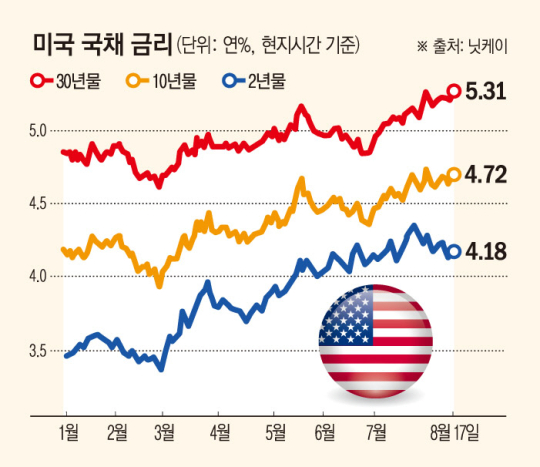
The yield on the 10-year US Treasury bond has surged to its highest level in 19 years, since 2007, triggering a red alert across global financial markets. This situation was triggered simultaneously by international oil prices breaching the $100-per-barrel mark again and comments from Federal Reserve officials hinting at the need for further benchmark interest rate hikes. Much like Mr. Kim, an office worker who recently opened his stock account and was shocked by what he saw, the market is currently groaning under the double burden of high inflation and high interest rates. Fears are spreading that central banks will implement even tighter monetary policies as inflation remains stubbornly high. In particular, concerns are deepening about the negative impact on the real economy as corporate financing costs snowball. Let’s take a detailed look at what ripples this economic crisis will send through our lives and investment portfolios.
=
US Treasury Yields Hit 19-Year High; Oil Prices Surpass $100 Amid Rate Hike Concerns
1. US Treasury Yields Record 19-Year High
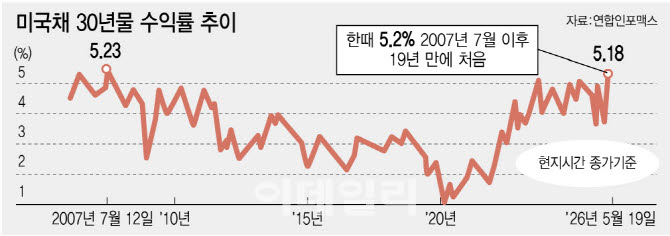
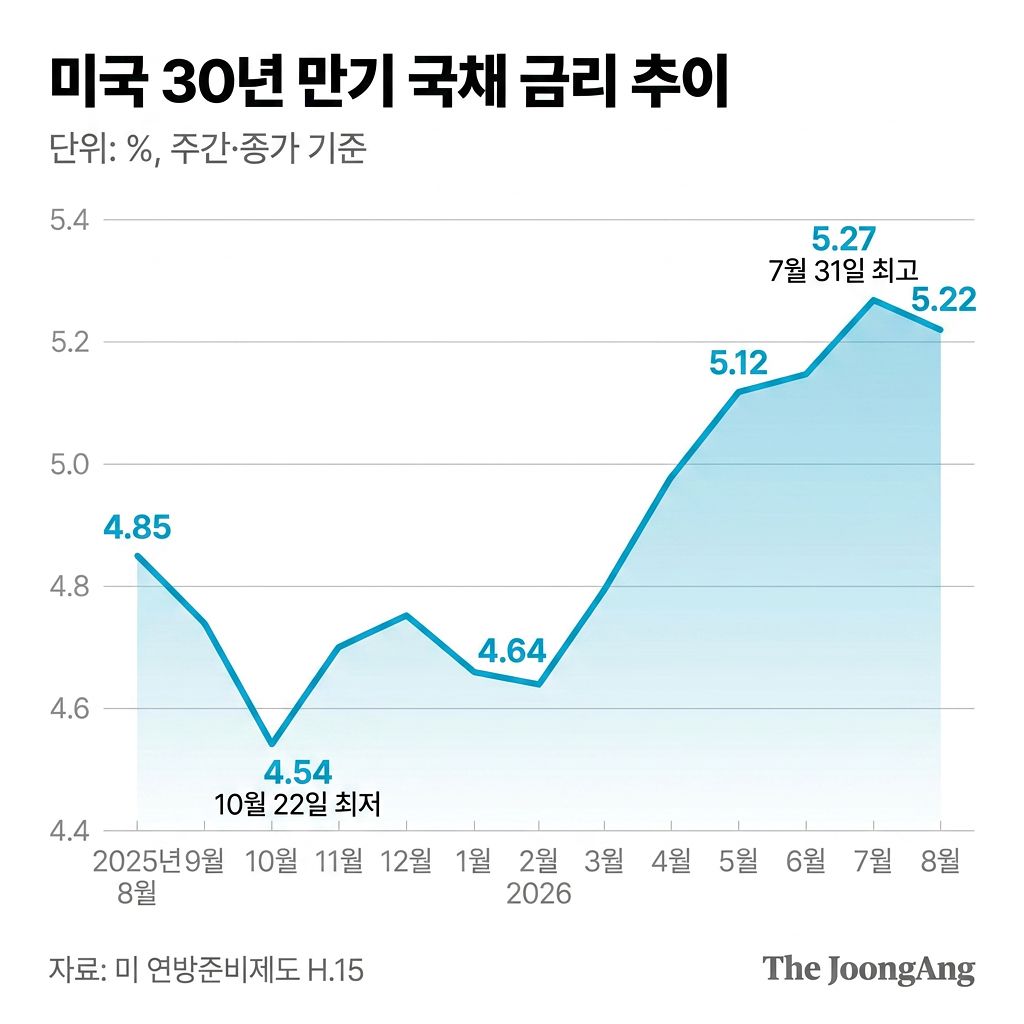
According to recent foreign news reports, the yield on the 10-year US Treasury bond spiked by 0.14 percentage points in a single day to reach 5.09%. This is the highest figure in approximately 19 years, since July 2007 just before the global financial crisis, sending a massive shock to the market. Such a sharp rise in bond yields signifies a crash in bond prices and indicates a shift in the market’s preference for safe assets. Not only ordinary households with tight budgets but also major institutional investors are concealing their bewilderment at the sudden interest rate volatility.
This surge in rates is not a mere temporary phenomenon but stems from structural issues related to prolonged high inflation. Experts analyze that pressure on rising rates has intensified due to supply-demand imbalances in the bond market and the process of absorbing the government’s increased bond issuance. This is precisely why the number of self-employed individuals sighing at the interest rate indicators featured in morning news is increasing. For those running businesses on loans, a fatal situation is unfolding where interest burdens are snowballing.
The 10-year US Treasury yield surpassed 5%, marking a 19-year high and delivering a significant shock to the market.
2. International Oil Prices Breach $100 Again Amid Inflation Fears
As international oil prices have once again crossed the $100-per-barrel threshold, the world is being plunged into oil shock fears once more. Rising crude oil prices are the main culprit immediately driving up production costs across the entire economy, including manufacturing, logistics, and services. The rise in fuel prices felt every time one refills at a local gas station is merely the tip of the iceberg, as the entire industrial sector is suffering a major blow.
Even as corporate production activities contract, price pressures are intensifying, making central bank policy management even more difficult. If inflation is not brought under control, consumers have no choice but to tighten their belts, and companies fall into a vicious cycle of reducing investment due to declining sales. The deepening sighs of housewives shopping at the mart are a direct result of this surge in raw material prices being reflected in final consumer prices. The return of the $100 oil era is acting as a catalyst for overall inflation, going beyond a simple rise in energy prices.
The re-breach of $100 in international oil prices is increasing inflationary pressure and burdening the global economy.
3. Fed Official Hints at Further Rate Hikes
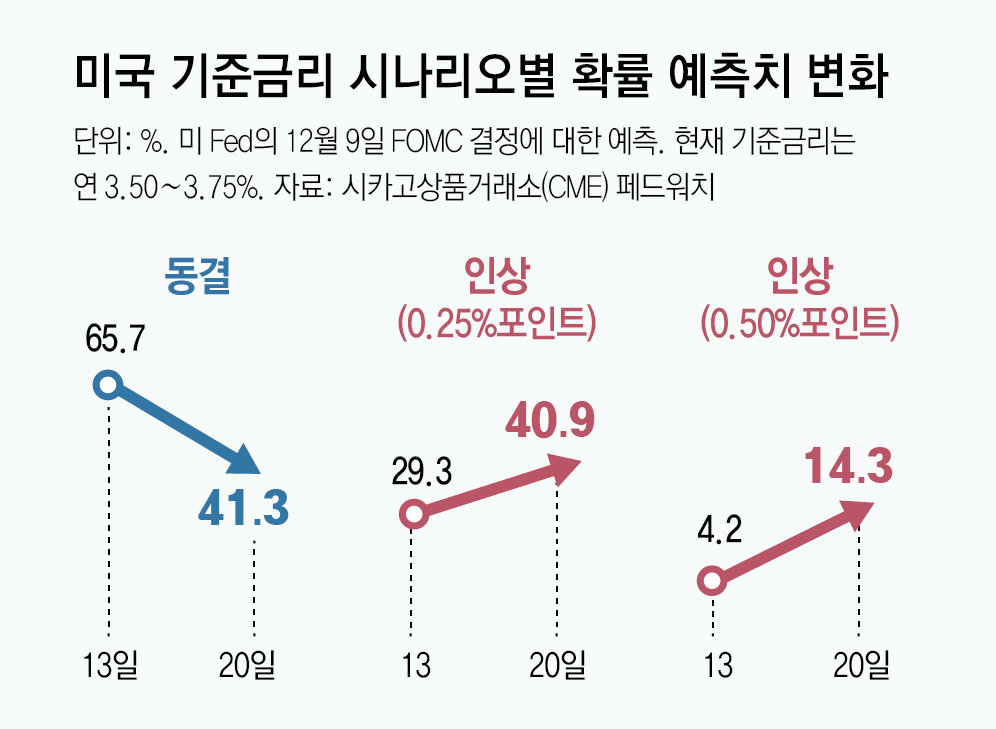
A senior official at the US Federal Reserve publicly stated that additional benchmark interest rate hikes are unavoidable to fully suppress inflation. The market had previously held expectations that the rate-hiking cycle was nearing its end, but those expectations were completely shattered by this remark. This hawkish stance by the central bank is interpreted as a strong signal to tighten liquidity in the market further.
When interest rates rise, borrowers face an interest rate bomb, and asset markets such as real estate and stocks suffer significant hits. It is common to see office workers who bought homes with maximum leverage losing sleep over the monthly increase in interest payments. The central bank has clearly expressed its determination not to loosen the reins of tightening, even if it hampers growth, in order to stabilize prices. Consequently, with the direction of monetary policy becoming uncertain, the need for investors to manage risk has become more important than ever.
The Fed official’s remarks on further rate hikes have further heightened market fears of tightening.
4. NY Stock Market Decline and Global Financial Market Ripples
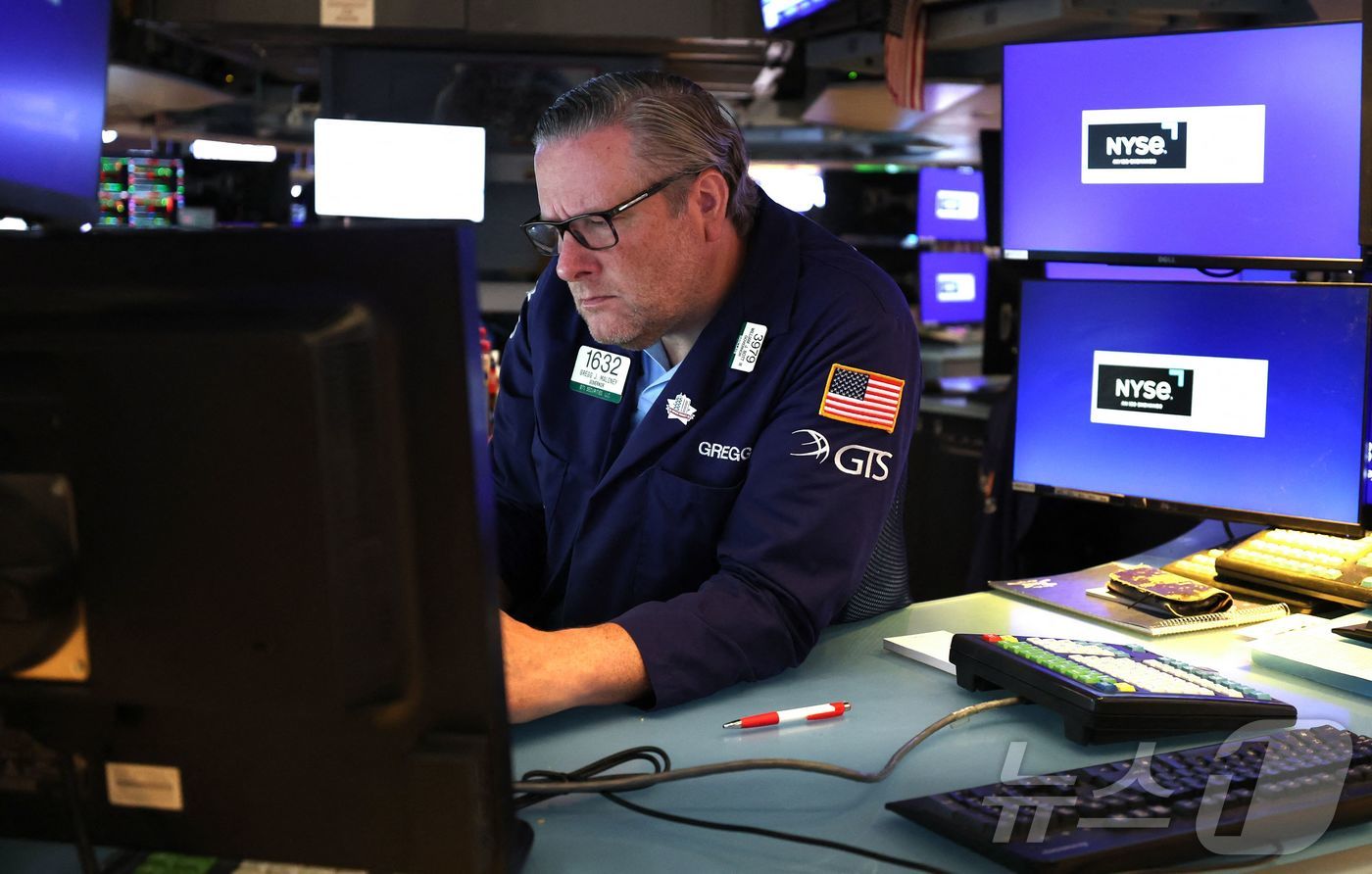
Facing the double whammy of surging Treasury yields and rising oil prices, the New York stock market has been unable to avoid a decline. In particular, the Nasdaq index, which has been leading the market with tech stocks, dropped by more than 1%, driving the overall index correction. One can easily imagine the shock of retirees who have been preparing for retirement through stock investments seeing the value of their portfolios shrink.
As the preference for safe assets becomes distinct, the value of the US dollar has also shown strength, rising significantly against major currencies. Foreign investors are showing movements to withdraw funds from emerging markets and shift them to safe US assets. This acts as a double pressure on emerging economies, including South Korea, in the form of rising exchange rates and capital outflows. With global financial market volatility at its peak, securing cash thoroughly has emerged as the top priority over hasty investments.
The aftermath of rising rates and oil prices has led to a decline in the NY stock market and a rise in the dollar’s value, causing turmoil in global financial markets.
5. Real-World Impact on Domestic Economy and Stock Market
The surge in US Treasury yields and the trend of high oil prices are having a massive impact on our country, which has an export-oriented economic structure. As the won-dollar exchange rate rises, imported raw material prices skyrocket, acting as a major cause of deteriorating profitability for domestic companies. The rising prices of imported fruits and processed foods sold at local marts are also a direct result of these exchange rate and oil price increases.
The domestic stock market is also showing signs of being trapped in a box range or facing strong downward pressure due to concerns over foreign capital outflows. With loan interest rates remaining high, household interest burdens have reached their limit, and domestic consumption is freezing further. The government and the Bank of Korea are closely monitoring changes in US monetary policy and geopolitical instability in the Middle East while reviewing emergency response systems. For both ordinary office workers and self-employed individuals, now is the time for thorough expense management and asset restructuring.
The shock of high US interest rates and oil prices is negatively affecting domestic exchange rates, prices, and domestic consumption overall.
6. Response Strategies for Survival Amid Complex Economic Crisis
In a situation where the massive waves of high interest rates and high oil prices are crashing down, the best strategy for individual investors and ordinary households is to strengthen their defenses. Rather than purchasing assets through excessive borrowing, one should secure safe deposits or cash assets to prepare for upcoming uncertainties. It is a very dangerous action to take on debt for investments just because one is swayed by stories of others making big money in stocks or real estate.
Wisdom is needed to quickly read changes in economic trends by consistently monitoring government policy announcements and global economic indicators. Simply reducing consumption and reviewing unnecessary fixed expenses can create a valuable shield to withstand this storm. Until prices and interest rates stabilize, conservative asset management prioritizing risk management is essential. It is time to coldly review one’s financial status and build the strong foundational fitness needed to take the next step.
Amid the complex economic crisis, securing cash assets and thorough risk management are more important than excessive investment.
Frequently Asked Questions
=