
Rather than simply swiping your credit card for everything, strategically combining payment methods can significantly reduce your monthly fixed costs. I often hear stories from people around me who have canceled their cards because they felt the annual fees were a waste of money. However, by slightly changing how you apply for cards, you can save on costs while still enjoying the benefits. Around this time last year, a friend of mine, Mr. Kim, moved all his cards to his smartphone because he disliked carrying a thick wallet. It turned out that by opting for mobile-only products instead of physical plastic cards, he was able to lower his annual fees and still enjoy substantial discounts. As the times change, the financial environment is evolving rapidly, and we need to adjust our consumption habits accordingly. Today, we will look in detail at everything from saving on annual fees to year-end tax deduction tips, as well as common payment knowledge that we often overlook.
=
How to Use Credit Cards Wisely: From Saving on Annual Fees to Income Deduction Tips

1. Mobile-Only Cards and Saving on Annual Fees

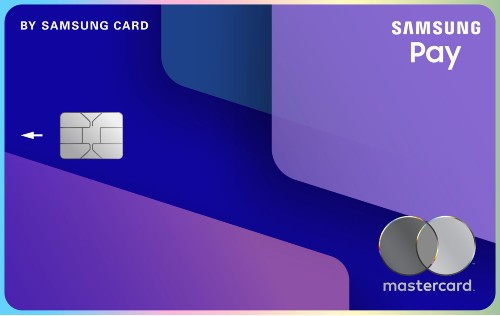
The card industry is increasingly shifting away from physical plastic cards, offering a wide range of mobile-only issuance products that are stored in smartphones. In fact, many major credit cards offer significantly reduced annual fees if issued exclusively for mobile use. The era of carrying a wallet full of cards and swiping them everywhere is becoming a thing of the past. This is wonderful news for those who have found the annual fees to be a quiet but persistent burden. By reducing the unnecessary production of plastic, you can enjoy the dual benefits of protecting the environment and saving money.
Judging by the stories of friends around me, the frequency with which people actually carry their physical cards in their wallets is decreasing. Most people use their cards in conjunction with mobile payment apps, so physical cards often end up sitting unused in a drawer at home. Consequently, the reason to insist on a physical plastic card while paying an annual fee is gradually disappearing. Card companies are reflecting these changing consumer lifestyle patterns by offering exceptional terms for mobile-only products. If you are planning to get a new card, it is wise to first consider whether you need a physical card.
Choosing a mobile-only card allows you to save on annual fees and practice eco-friendly consumption.
2. Payment Strategies to Maximize Year-End Tax Deductions
As the year-end tax settlement season approaches, many office workers find themselves wondering whether they should use credit cards or debit cards. Generally, tax deductions begin on the amount exceeding 25% of your total annual income. It is advantageous to use cards with higher benefits to fill up this initial portion. However, once you exceed a certain amount, switching to a debit card with a higher deduction rate is the shortcut to reducing your tax bill. Mr. Park, a colleague of mine, strictly switches his payment methods based on year-end tax simulations every year. When you actually calculate it, the refund amount can differ by hundreds of thousands of won depending on which card you use first, even if the total spending is the same.
How you manage your spending patterns in the remaining months will determine the amount of money deposited into your account in early next year. Typically, you would use a card with a high point accumulation rate for daily living expenses, but switch to a debit card once you cross the threshold for higher deductions. To implement this strategy, you need to frequently check your spending history using a smartphone household budget app or your card company’s website. If you neglect this out of laziness, you are likely to regret it when you see your year-end tax results. It is best to start preparing now. Never forget that the basics of financial planning stem from the difference in small habits.
It is advantageous to switch to a debit card with a higher deduction rate after meeting the year-end tax settlement threshold.
3. Paying University Dormitory Fees by Card and the Reality of Installments
A wave of change is blowing through the methods of paying dormitory fees, which have been a significant burden for parents of university students. In the past, fees had to be paid in a lump sum in cash, often causing household finances to waver every tuition season. With recent legal changes, it is now possible to pay dormitory fees by credit card and even opt for installment payments. However, when you look at the reality on the ground, not all universities have immediately adopted this system, which is disappointing. In fact, it is reported that the proportion of universities accepting credit card payments for dormitory fees is still only a fraction of the total.
According to an acquaintance who sent their child to a private university in a rural area, many schools still require cash deposits via virtual accounts. The school side is hesitant to introduce credit card payments due to issues such as system construction costs and fees. It seems that even if the government and the National Assembly create good policies, it takes quite some time for them to function properly in the field. For parents and students to feel the change, active participation from universities and administrative support are essential. I hope that more universities will soon allow card payments and installments, providing relief to parents.
Although the bill for card payment of dormitory fees has passed, the actual adoption rate in the field is still low and needs improvement.
4. Holidays, Payment Due Dates, and Common Knowledge on Automatic Debits
When holidays or long breaks begin, office workers may feel excited, but they must carefully check their finances to avoid trouble. In particular, if a credit card payment due date falls during a holiday, it can be confusing when the payment will be deducted, making it easy to receive text messages about insufficient balance. According to guidelines from financial authorities and card companies, payments due during a holiday period are automatically deducted on the first business day after the holiday without late fees. One of my friends narrowly avoided a major issue because he did not check his account balance right before the recent Chuseok holiday. Fortunately, thanks to the system, he got through it without a late payment record, but he says he deeply realized how important it is to have the habit of topping up your balance in advance.
If a loan repayment maturity date or card payment due date coincides with a holiday, not knowing about this grace period can potentially damage your credit score. Of course, you do not have to pay late fees, and the amount is deducted on the next business day, but there is still a risk of it being processed as a late payment if your account balance is insufficient. Therefore, if a long holiday is approaching, it is safe to check in advance whether your main account has sufficient funds for the payment. Banks and card companies also send related notification texts, but they are easily missed among numerous alerts. The wisdom of thoroughly managing your own money is ultimately the most reliable way to protect your valuable credit score.
Card payment due dates falling during holidays are deducted on the next business day without late fees, but checking your balance in advance is essential.
5. Mileage Accumulation Structures and Gift Card Limitations
There are many people around me who diligently use co-branded credit cards to earn airline miles, such as those from Korean Air. Miles earned from flying are credited at a one-to-one ratio, but the amount accumulated through credit card usage is reflected at a reduced ratio, not one-to-one. I often see people who do not know this fact and try to accumulate miles solely through card usage, only to be disappointed later by the smaller-than-expected amount. Additionally, according to policy directions from the Fair Trade Commission and other bodies, the usage and scale of mileage are expected to be adjusted in the future, so it is important to plan your strategy well. On the other hand, there is a growing trend of people buying large quantities of mobile gift cards with credit cards to meet spending requirements.
When buying gift cards with a card, you are likely to face significant problems if you do not carefully consider limit management and installment fee conditions. Card companies assign a total usage limit based on the member’s credit status and repayment ability, so you cannot buy them indefinitely. Moreover, because gift cards have high liquidity, card companies often strictly limit the monthly purchase amount. I remember a friend who filled up their limit buying gift cards and then found themselves unable to pay for essential living expenses, leaving them in a difficult situation. Even if you use gift cards as a financial tool, it is safe to approach them only after accurately understanding your total card limit and cash flow.
You must use your card with a clear understanding of the mileage accumulation ratio and the specific limitations on gift card purchases.
6. The Future of a Cashless Society and Transparent Tax Source Management
Our society is rapidly entering a payment ecosystem centered on smartphones and cards, with cash usage decreasing day by day. Recently, with the rise of personal-to-personal transactions through SNS markets and online group buying, it often happens that formal receipts like credit card sales slips or cash receipts are missing. From the perspective of tax authorities, it is extremely difficult to comprehensively grasp the actual occurrence and exact sales scale of these transactions. This creates blind spots in tax source management, which can also disrupt the order of fair tax payment. It is expected that card payments and electronic receipt systems will penetrate even these informal transaction areas in the future.
As consumers increasingly prefer card payments that leave transparent records, the market environment will naturally become cleaner. A more rigorous tax system will greatly help in preventing tax evasion and establishing a healthy economic order. Readers, too, need to adopt an attitude of actively using transparent payment methods rather than cash in their daily consumption. Please remember that a single small receipt can contribute to the overall transparency of our society. As a more convenient and fair financial environment awaits us in the future, I hope you will cultivate correct consumption habits starting now.
The spread of a cashless society leads to transparent tax source management, laying the foundation for a healthy economic order.
Frequently Asked Questions
=