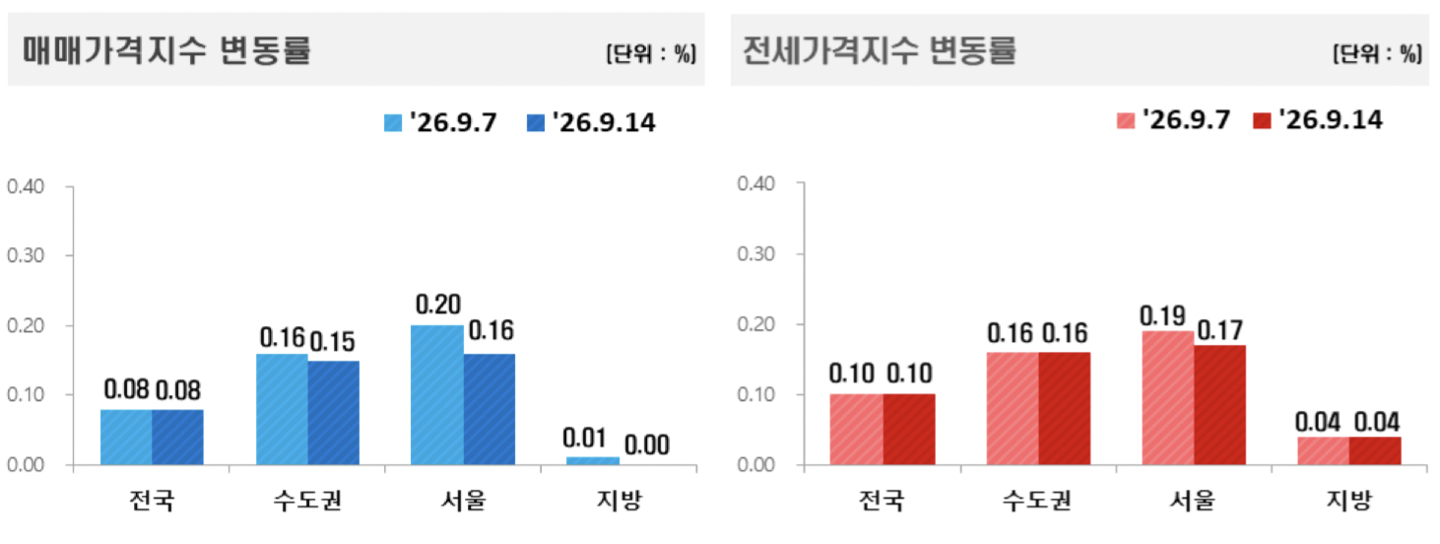
Seoul apartment transaction prices have recorded an upward trend for 85 consecutive weeks, tying the longest rising streak in history. According to recent weekly price trend data released by the Korea Real Estate Board, home prices across Seoul rose by an average of 0.13% compared to the previous week, indicating that the market’s heat remains undiminished. Contrary to common perception, major apartment complexes in Gangnam are actually showing a weak trend with falling prices. However, large-scale complexes near subway stations in relatively affordable areas such as Seodaemun-gu and Dongdaemun-gu are firmly supporting the price increases. Mr. Kim, an office worker who had been confused by news reports of falling home prices, appeared quite surprised after seeing the actual statistics. In this article, we will take a closer look at why the Seoul real estate market is exhibiting such a polarized trend.
=
Seoul Apartment Prices Rise for 85th Week, Tying Record: Hidden Implications and Market Outlook
1. Seoul Home Prices Tied with the Longest Record in History
The continuous rise in Seoul apartment transaction prices has finally tied a historic record, drawing widespread attention. According to last week’s survey results, Seoul apartment prices have risen without a single week of decline since the first week of February last year, marking the 85th consecutive week of gains. This figure exactly matches the longest rising streak on record, which occurred from the second week of June 2020 to the third week of January 2022, during a period of significant real estate market overheating. Recalling the massive price surges of that era makes it clear how long the current upward trend has persisted. Although the overall rate of increase compared to the previous week is gradually slowing, the direction remains firmly upward. The steady flow of actual demand participants in the transaction market is keeping indicators at high levels. While the rate of increase shows a decelerating trend, the fact that prices have risen steadily for 85 weeks without a single downward correction is highly significant. It proves the robust fundamental strength of the Seoul housing market, even amidst numerous external shocks such as interest rate hikes and loan regulations. When gathering with acquaintances, opinions often diverge on whether this record will be broken to set a new all-time high. Looking at the statistical figures alone, breaking the record seems a matter of time, but the atmosphere felt on the ground may be quite different.
Seoul apartment prices have risen for 85 consecutive weeks, tying the previous longest record, although the rate of increase is gradually slowing.
2. Unusual Weakness in Gangnam and the Impact of Tax Burden
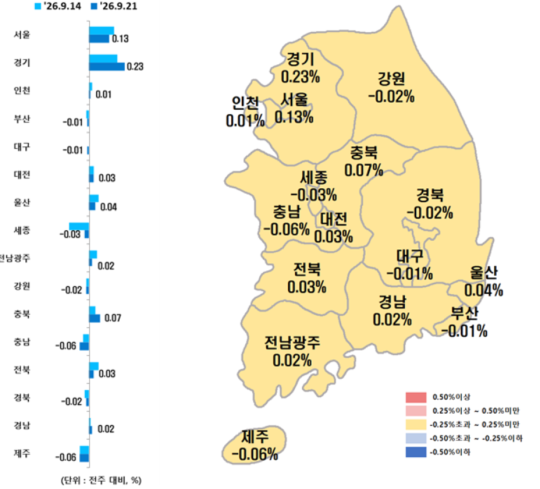
Amidst the overall rise in Seoul home prices, it is unusual that the traditional affluent areas of the “Gangnam Three Districts” are struggling to escape a daily downward trend. Seocho-gu and Gangnam-gu have widened their decline compared to the previous week, recording negative fluctuations for several consecutive weeks, presenting a stark contrast. Songpa-gu is also continuing its downward trend, clearly indicating a cold wind blowing across the entire Gangnam area. The primary reason why apartment prices in the Gangnam region are failing to gain momentum is the burden of property taxes and capital gains taxes due to tax system reforms. Multi-home owners and holders of high-value homes are listing properties or lowering prices out of fear of a “tax bomb,” dragging price indicators down. In fact, owners of famous redevelopment complexes or large units in Gangnam are feeling the burden of strengthened tax standards and are gradually lowering their asking prices. Even wealthy individuals who have long been eyeing Gangnam apartment transactions are now hesitating to sign contracts as they calculate the tax burden. According to local real estate agents, the standoff between buyers and sellers has reached an extreme, with transactions nearly coming to a halt. It is natural to wonder why the overall index continues to rise despite the decline in Gangnam, which should logically pull the Seoul-wide index down. The answer lies in the mid-to-low-priced complexes in Seoul’s outer areas and along the Han River belt, which are aggressively filling the void left by Gangnam.
Apartment prices in the Gangnam Three Districts are falling consecutively due to increased tax burdens, but the overall Seoul market is holding up due to rises in other areas.
3. Unstoppable Surge in Outer Areas and Large Complexes Near Subway Stations
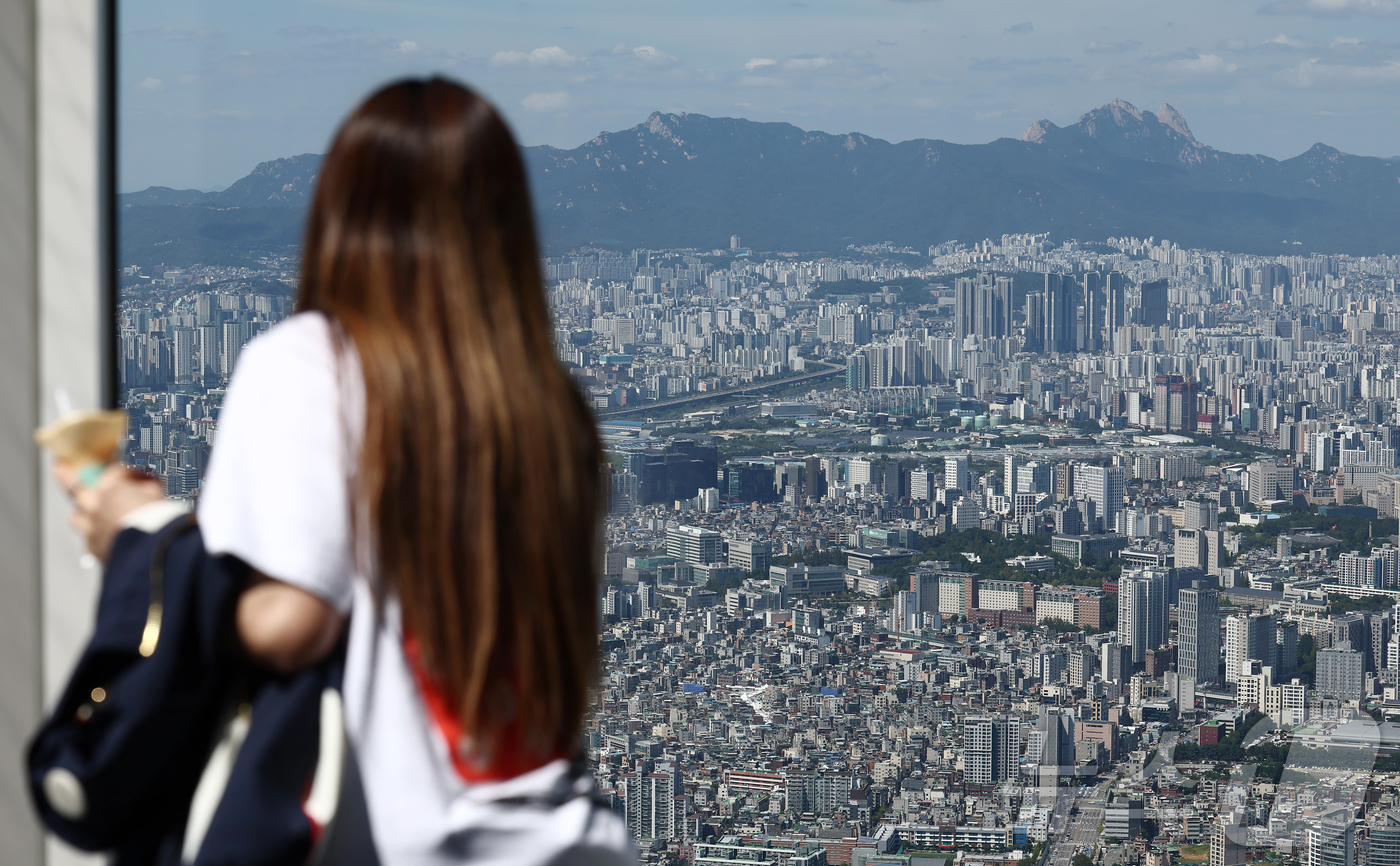
Despite the weakness in the Gangnam area, the decisive driving force keeping Seoul’s overall apartment prices from falling is the solid upward trend in outer areas. Regions such as Seodaemun-gu, Dongdaemun-gu, Seongbuk-gu, Nowon-gu, Jongno-gu, and Gangseo-gu are firmly leading the overall upward flow. These areas have a lower price entry barrier compared to Gangnam, attracting a large influx of actual demand buyers rushing to secure their own homes. In particular, purchase inquiries are consistently flowing toward large-scale complexes or those with excellent living conditions and easy access to subway stations. Small and medium-sized units near subway stations, which offer convenient commutes, are often sold as soon as they are listed. Mr. Park, an ordinary office worker in Seoul, is searching for an older apartment in Nowon-gu instead of Gangnam, visiting properties every weekend. He confessed that while Gangnam is out of reach, he is feeling urgent because prices in outer areas within his budget are rising. Because the layer of actual demand is thick, the decline in some high-priced areas is not enough to collapse the overall statistics. Real estate experts predict that this “de-Gangnam” phenomenon and the preference for outer areas will not fade anytime soon. It is expected that this polarized market, where money flows to areas with good living conditions and convenient transportation regardless of location, will continue for the time being.
Large complexes near subway stations in Seoul’s outer areas, such as Seodaemun, Dongdaemun, and Nowon, are offsetting Gangnam’s sluggishness and driving the overall upward trend.
4. The Booming Heat of the Capital Region’s Semiconductor Belt
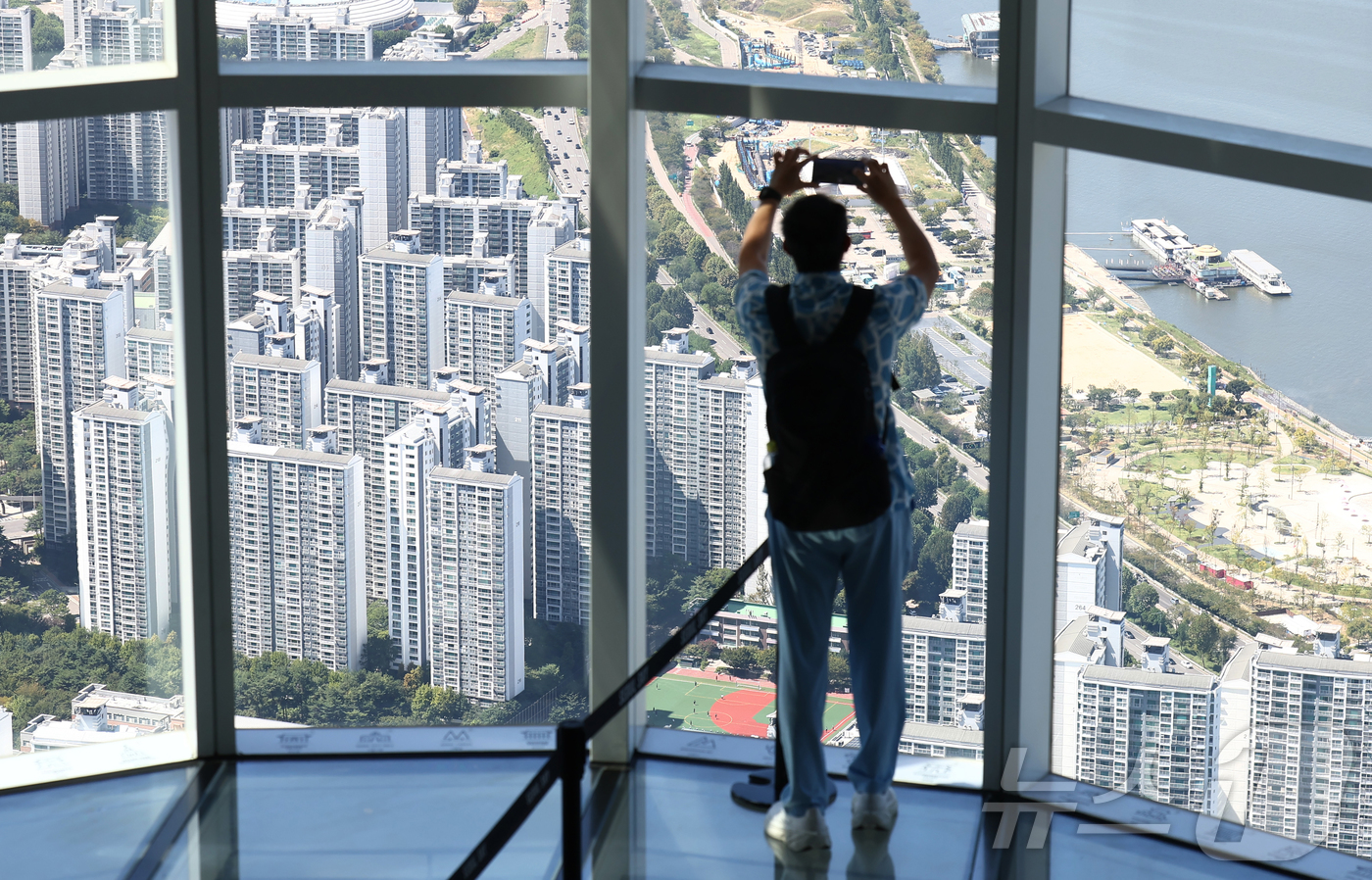
The Seoul real estate boom is not limited to within the city limits but is spreading unchecked to key areas in the neighboring Gyeonggi Province. In particular, Yeongtong-gu and Gwonseon-gu in Suwon City, which are significantly influenced by Samsung Electronics’ internal housing loan system, have recorded remarkable increases. Areas known as the “semiconductor belt,” such as Giheung-gu in Yongin City and Dongtan-gu in Hwaseong City, have also seen sharp rises in transaction prices, expanding the overall upward range. These areas are densely populated with young workers who have high income levels and abundant job opportunities from large corporations, resulting in constant housing demand. Compared to the previous week, the rate of increase in apartment transaction prices across Gyeonggi Province has expanded, representing the overall warmth of the Capital Region. The price gap between areas in Gyeonggi Province with solid job markets and those without is also gradually widening. Apartments near metropolitan transportation networks that allow easy entry into Seoul for commuting are in such high demand that they sell for any price. On the other hand, some local cities with few jobs and inconvenient transportation are facing stagnation or even declines, showing a stark temperature difference by region. While national average figures may suggest stable home prices, the reality is that the real estate thermometers for the Capital Region and local areas are on completely different scales. Residents in local areas are feeling a growing sense of deprivation as news reports highlight that only Capital Region apartment prices are rising, while home prices in their hometowns have remained stagnant for years.
In Gyeonggi Province, the range of transaction price increases is expanding, centered on the semiconductor belt areas such as Suwon and Hwaseong, adding to the overall heat of the Capital Region.
5. The Jeonse Market Also Led by North Seoul and Subway Station Areas
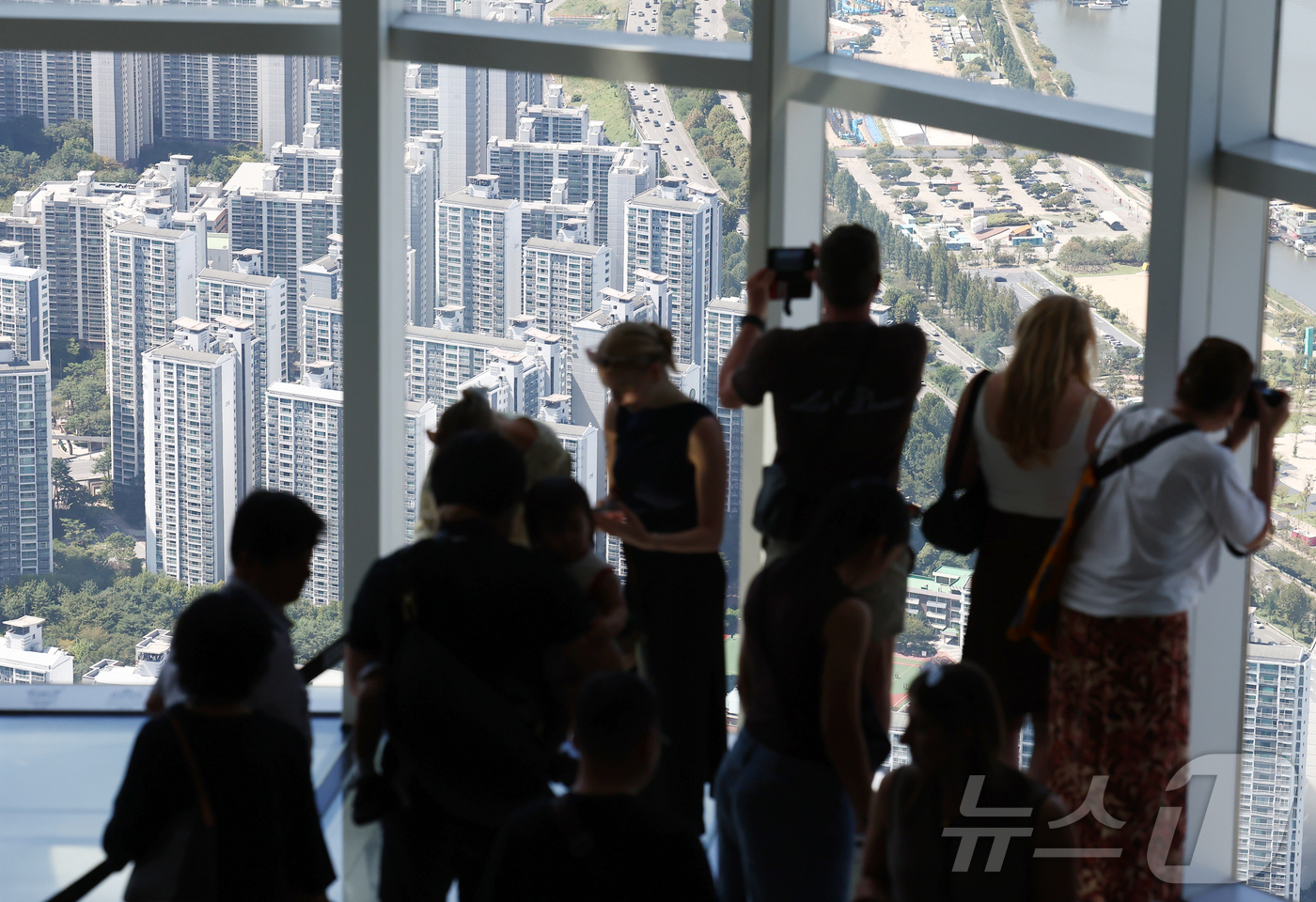
Not only the transaction market but also the jeonse (deposit-based lease) market is fully displaying similar polarization and the “balloon effect” seen in the transaction market. Seoul apartment jeonse prices rose by 0.19% compared to the previous week, continuing to exert significant upward pressure on the market. Similar to the transaction market, areas such as Jamwon-dong and Banpo-dong in Seocho-gu, and Daechi-dong and Yeoksam-dong in Gangnam-gu, recorded declines. This is interpreted as being due to a temporary increase in jeonse supply caused by a simultaneous influx of new move-in units from large complexes. However, despite the decline in jeonse prices in the Gangnam area, North Seoul areas such as Nowon-gu, Seongbuk-gu, and Gangbuk-gu showed tremendous strength. Jeonse apartments in large complexes in North Seoul, which have excellent transportation conditions and are densely populated with schools, are extremely hard to find. Tenants seeking jeonse are being pushed to the outskirts of Seoul or the borders of Gyeonggi Province as they struggle to afford the ever-rising deposits. The continuous rise in jeonse prices is causing an increase in non-homeowners who decide to take out loans to buy a home at this opportunity. This is creating a vicious or virtuous cycle where instability in the rental market stimulates demand in the transaction market. It is widely analyzed that as long as the rental market remains unstable, the transaction market will also find it difficult to return to a stable downward trend.
The Seoul jeonse market fell in parts of the Gangnam area due to the impact of new move-in units, but North Seoul and key transportation hubs are showing strength.
6. Future Real Estate Market Outlook and Home-Buying Strategies
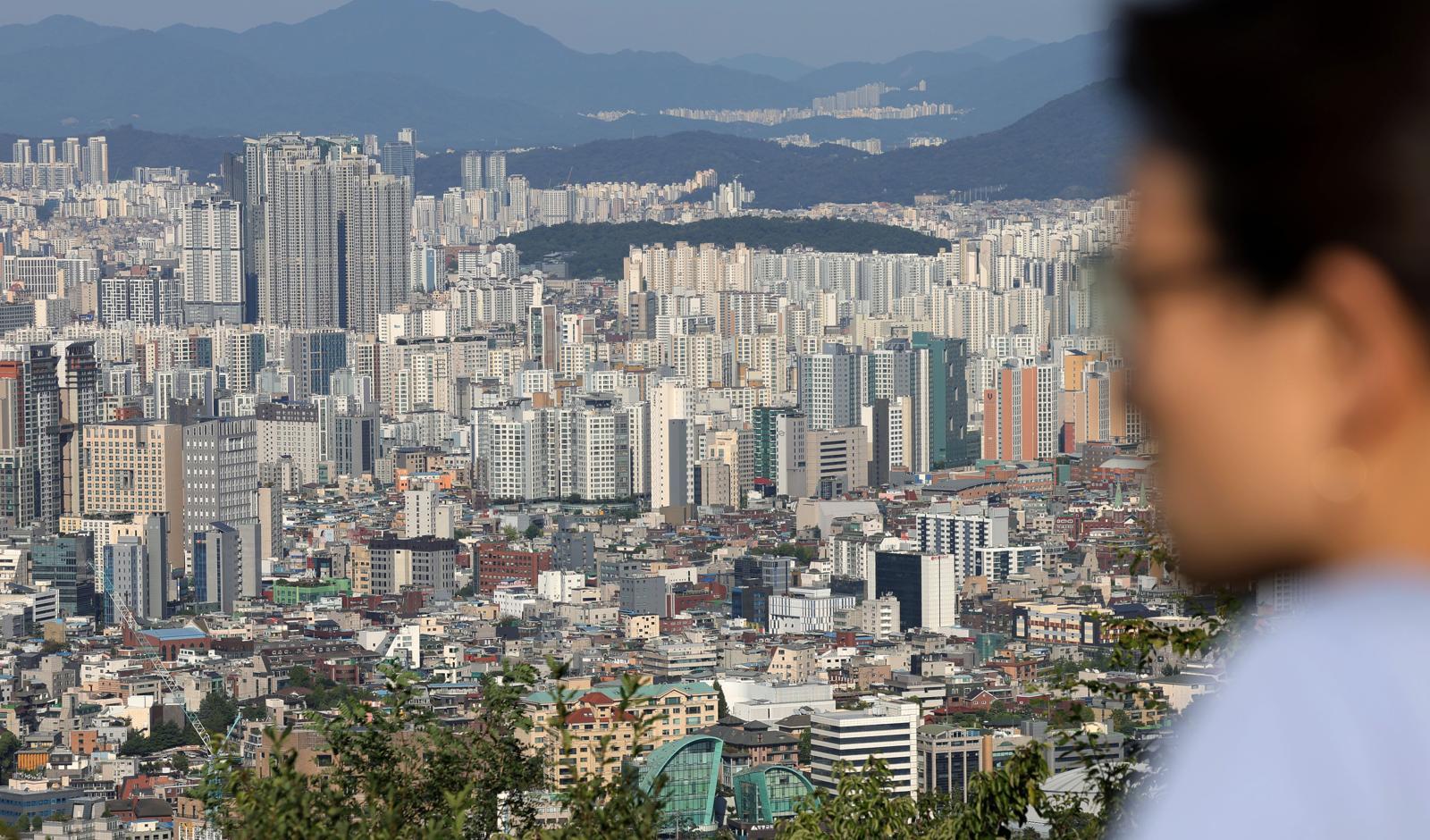
With Seoul apartment prices rising for the 85th week, on the verge of breaking the longest record, how should non-homeowner actual demand buyers respond? While the symbolic significance of tying the past record is important, what matters more is the future direction of interest rates and additional government measures. It is necessary to closely monitor whether the decline in Gangnam will be a temporary adjustment or if the wave of falling prices will spread to all of Seoul. Rather than recklessly taking out loans to chase prices, it is wise to strategically target good complexes near subway stations in outer areas that match one’s financial capacity. One must remember that rushing into a contract just because “everyone else is buying” can lead to significant damage from future interest rate fluctuations. The real estate market is like a living organism that can swing drastically in response to unexpected variables and policy changes. Do not blindly trust the average indicators reported in the media; instead, you must personally visit and verify the actual transaction scene in the neighborhood you wish to live in. Visiting real estate agencies to see with your own eyes how quickly recent urgent sale listings are being absorbed is more useful than any analysis. While timing is important for buying a home, the best approach is a conservative one that first considers your own income and repayment ability. I sincerely hope you will build a regret-free housing strategy based on thorough field research and a cool-headed financial plan.
As the real estate market is expected to see deepening polarization, thorough field research and a conservative financial plan are essential.
Frequently Asked Questions
=