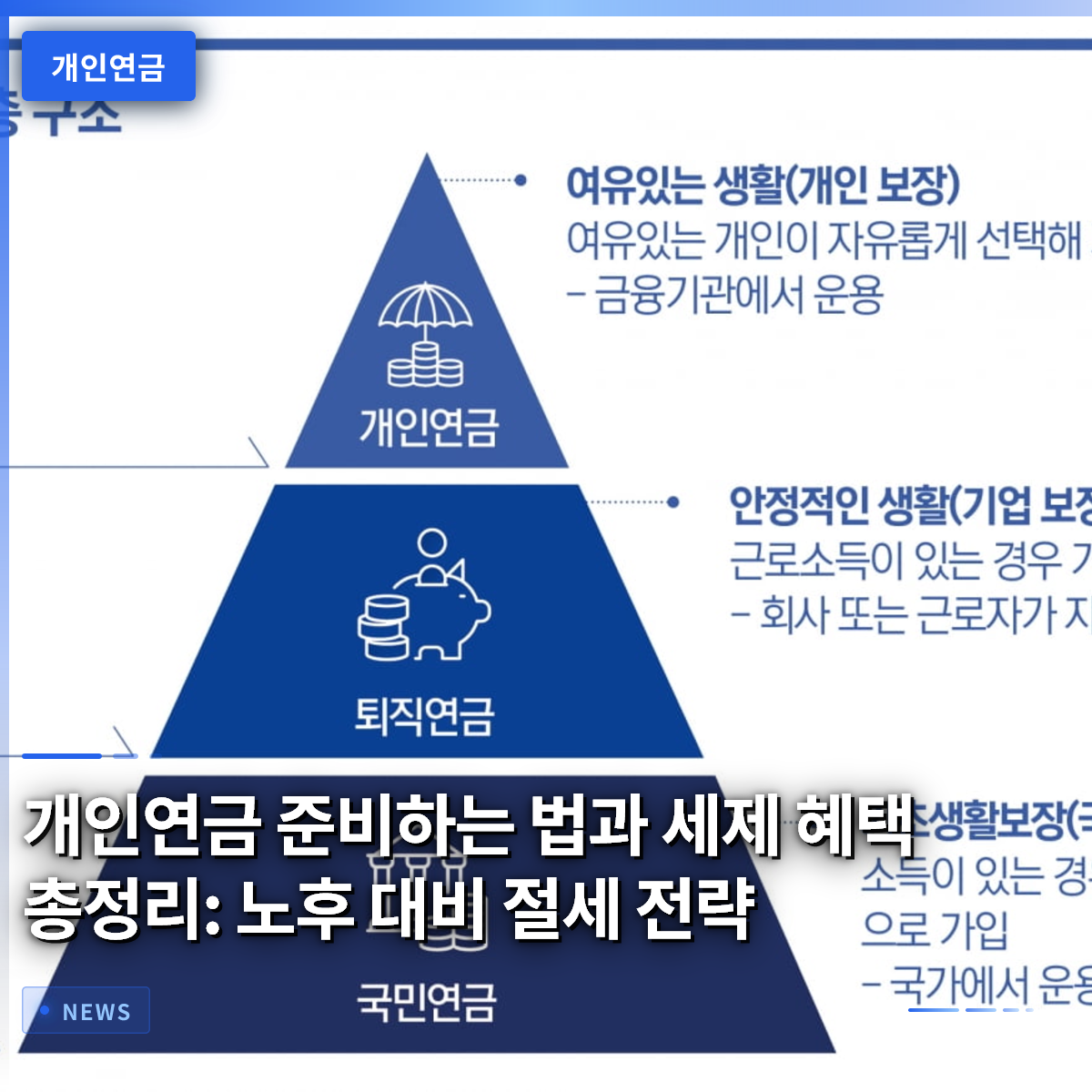
Personal pensions are the most reliable financial product for securing stable retirement income after retirement and receiving substantial tax refunds during the annual year-end tax settlement. Many employees have realized that the National Pension alone is insufficient for their living expenses in old age, and they are growing their valuable assets by enrolling in pension savings or Individual Retirement Pensions (IRP). In particular, transparency in asset management has significantly improved recently, as the Financial Supervisory Service’s Integrated Pension Portal allows users to check the expected benefits of all their enrolled products at a glance. Rather than vaguely worrying about the future, it is most important to set a monthly contribution amount suitable for you and consistently invest funds starting now. In this article, we will detail the changes in tax benefits and efficient account management tips that those starting their retirement preparation are most curious about. After reading this article, readers will have a clear direction for managing their retirement assets, which may have previously seemed complex.
=
How to Prepare for Personal Pensions and a Complete Guide to Tax Benefits: Tax-Saving Strategies for Retirement
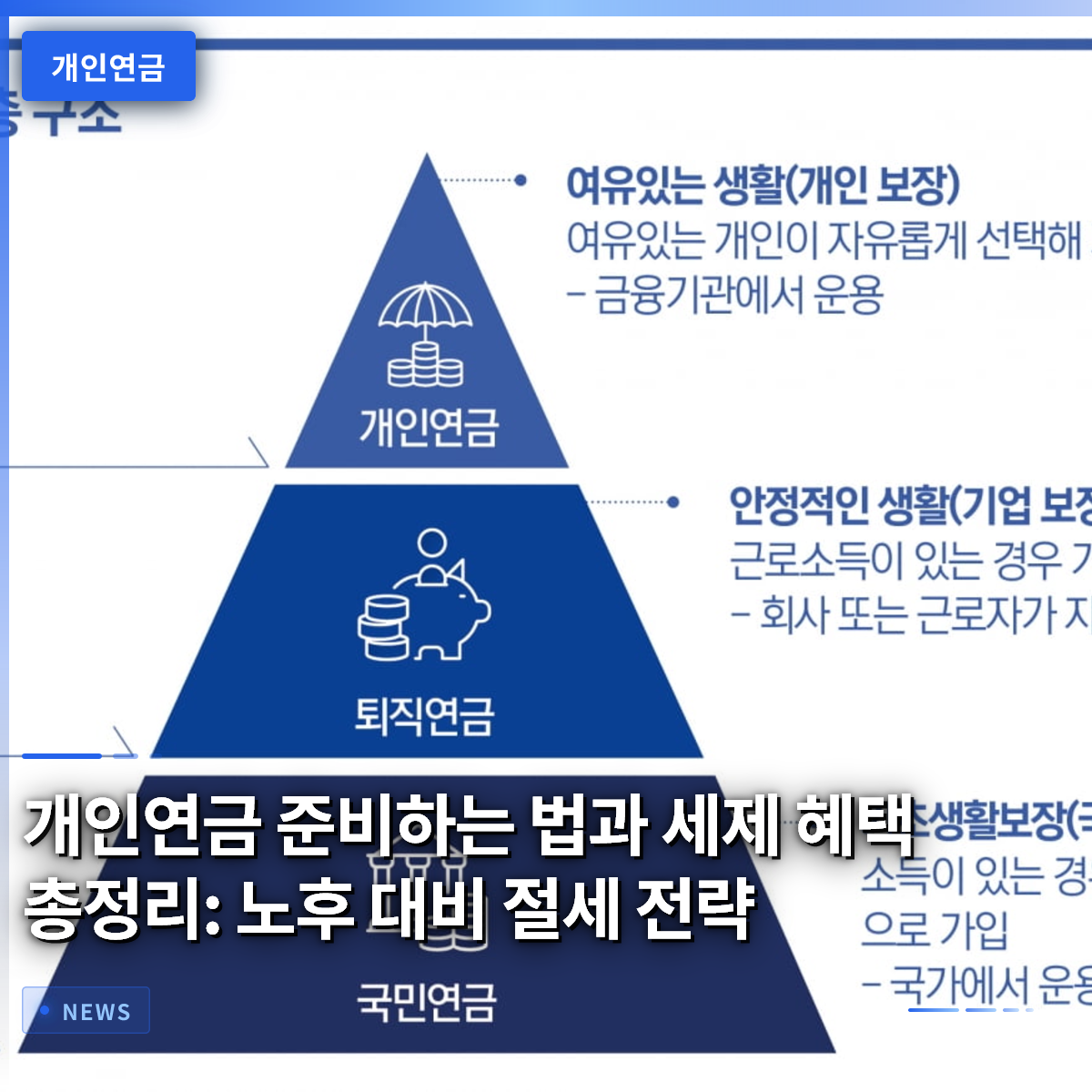
1. Differences Between Pension Savings and IRP
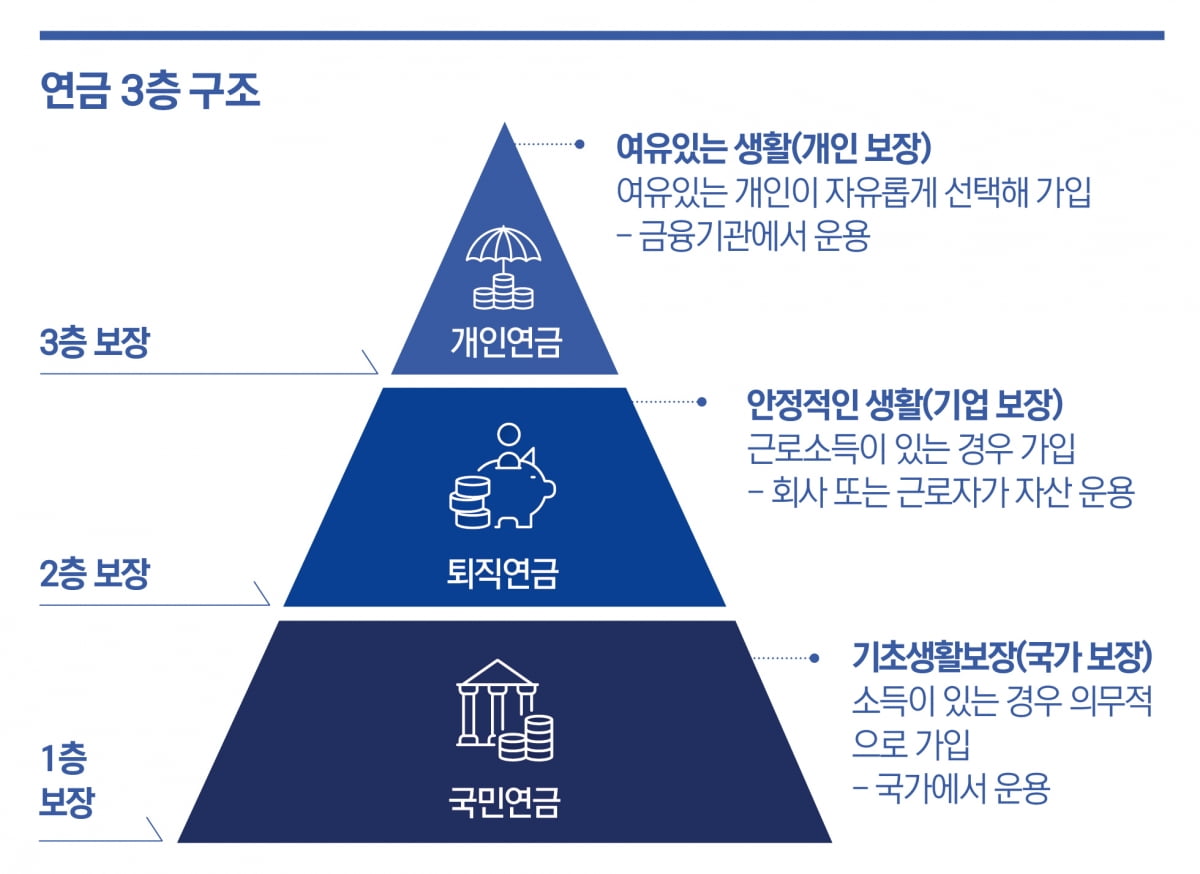
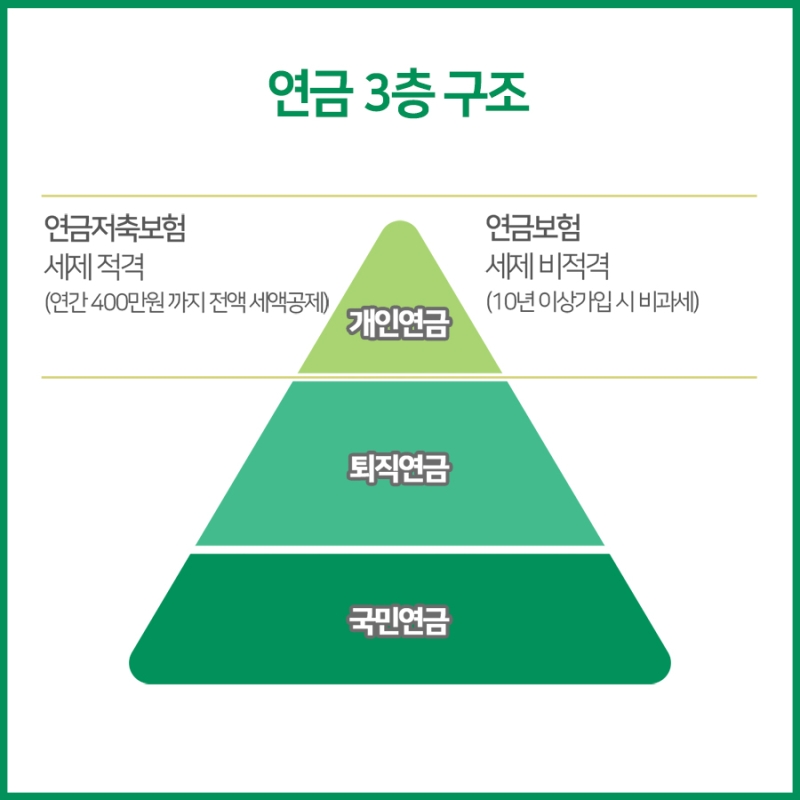
Pension savings accounts are a representative product that anyone can freely enroll in at banks, securities firms, or insurance companies, allowing investment in various assets such as stocks and funds. On the other hand, the Individual Retirement Pension (IRP) is a retirement asset management account available only to employees or business owners with income, and it requires maintaining a certain level of relatively safe assets. While both accounts offer tax deduction benefits during the year-end tax settlement, there are subtle differences in detailed operational regulations and fund withdrawal conditions. For example, pension savings allow for relatively free partial withdrawals, primarily of the principal portion that did not receive tax deductions, when urgent funds are needed. However, since early withdrawal from an IRP is very difficult unless there are statutory reasons, it should be approached cautiously from a long-term perspective.
In practice, Mr. Kim, an office worker, adopted a strategy of first depositing the maximum limit into his pension savings to maximize his year-end tax refund, and then making additional contributions to his IRP account when he had surplus funds. Utilizing both accounts simultaneously has the advantage of maximizing the deduction limit while allocating assets according to investment purposes. Hearing stories from colleagues, one often sees cases where people enroll based solely on recommendations without proper consideration and end up suffering losses by terminating the contract midway. Therefore, one must predict their monthly income level and future cash flow in advance to decide which of the two products to prioritize. If you go through a thorough comparison process, you can reduce unnecessary tax burdens and diligently grow your retirement assets.
You must understand the characteristics of pension savings and IRPs and allocate them appropriately according to your income to maximize tax benefits.
2. Tax Law Revisions and How to Utilize Tax-Saving Accounts
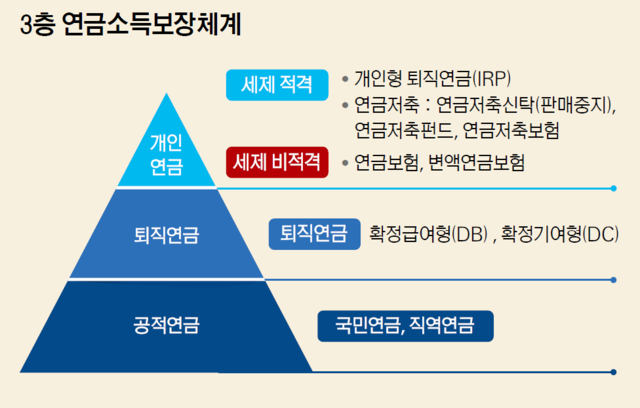
The tax law revisions announced every year are a core variable that determines the success of our asset management, so they must always be examined carefully. Recently, in the financial market, methods to proactively respond to upcoming tax law changes and enjoy tax-saving effects are being actively shared through seminars and other channels. In particular, the method of utilizing pension accounts and Individual Comprehensive Asset Management Accounts (ISA) together has already become an essential wealth management technique among office workers. Through these accounts, a portion of financial income may be excluded from comprehensive taxation, or one can enjoy tax deferral benefits, significantly improving the actual rate of return.
Looking at acquaintances who are savvy about wealth management, they do not just show fleeting interest during the year-end tax settlement season but check tax law trends regularly throughout the year. For example, when selecting fund products eligible for tax benefits, using a pension account as the channel instead of a general account allows you to defer dividend income tax until you receive the pension. Since the reduced tax amount allows the money to grow further through compound interest, a significant gap in asset size emerges over time. Actively utilizing the legal tax-saving framework provided by the state is the shortcut for ordinary office workers to accumulate wealth. Therefore, you should pay attention to materials from related seminars hosted by financial institutions or refer to expert advice to establish a contribution strategy favorable to yourself.
You must grasp the changing tax laws in advance and link pension accounts with Comprehensive Asset Management Accounts to maximize the tax deferral effect.
3. Asset Inquiry Using the Integrated Pension Portal
To objectively assess your retirement preparation status, it is very convenient to actively utilize the Integrated Pension Portal service operated by the Financial Supervisory Service. By accessing this system and completing identity verification, you can check the contribution history of the National Pension, retirement pensions, and all products you have enrolled in at a glance. In the past, it was extremely cumbersome to grasp the total asset size because you had to call each financial company separately or visit their websites. However, now that the integrated inquiry function calculates expected benefits in real time, planning for retirement has become much easier.
Recently, Mr. Park, an office worker, was surprised after accessing the Integrated Pension Portal, discovering that the accumulated amount in an unnamed insurance product he had enrolled in the past was surprisingly substantial. By finding this forgotten asset and reorganizing his entire portfolio, his expected monthly pension income for retirement increased noticeably. This process of gathering and checking fragmented assets in one place is the first gate and an essential procedure for successful retirement planning. You should access the portal periodically to carefully check if there are any products with low returns and attempt to switch to other superior products if necessary. The fact that you can control all your retirement assets with just a smartphone or computer screen, without the need to dig through complex enrollment documents, is a great blessing for modern people.
You should visit the Integrated Pension Portal periodically to grasp your scattered pension assets at a glance and check the total expected benefits.
4. Income Criteria for Health Insurance Dependent Status
One of the realistic obstacles that must be considered when receiving a pension after retirement is the condition for maintaining dependent status for health insurance premiums. If the combined amount of the National Pension, retirement pension, and personal pension income exceeds a certain annual standard, dependent status is lost. In this case, parents who had been saving on medical expenses by being dependents of their children’s employer-based insurance suddenly become regional insured members and must bear a considerable monthly health insurance premium. It is very common for many retirees to be caught off guard by an unexpected health insurance premium bomb after receiving pensions while only considering tax benefits.
In reality, Mr. Lee, who recently retired, was happy about the increase in his monthly pension, but the loss of his dependent status resulted in health insurance premiums that offset the increase in pension income. Therefore, wisdom is needed to manage the total annual income so that it does not exceed the standard line by adjusting the pension start date or appropriately dispersing the ratio with other financial income. Since interest, dividend income, and rental income are all added to pension income for calculation, comprehensive asset portfolio design must be done in advance. Retirement experts advise carefully considering the correlation between tax-saving effects and future health insurance premiums to determine the year of benefit commencement. A seemingly minor criterion can have a significant impact on the retirement household economy, so related laws and standards must be thoroughly understood in advance.
You must strictly manage the combined amount of pension income and other financial income to ensure it does not exceed the health insurance dependent criteria.
5. Automatic Check Services and Fund Management
Recently, major banks have introduced asset management systems incorporating artificial intelligence technology, offering services that automatically diagnose the status of funds enrolled by customers. However, products within tax-benefited pension savings, IRPs, and Comprehensive Asset Management Accounts are often excluded from these general automatic checks. This is a measure reflecting the long-term investment nature of tax-benefited products and complex tax law regulations, so enrollees must directly check returns periodically. Even if you refer to the notification functions or asset diagnosis screens provided by bank apps, it is essential to personally pay attention to and examine your pension accounts.
Observing successful investors around you, even if automated programs are well-established, they directly access their pension accounts on a set date each month to grasp the status. In particular, when purchasing Exchange-Traded Funds (ETFs) that track global indices through securities firm apps, they have the habit of carefully checking fees and distribution payment status. No matter how advanced technology becomes, the ultimate responsibility for protecting your retirement assets lies with you, so neglecting them is strictly prohibited. It is wise to regularly check account balances and gradually adjust the asset allocation ratio of the portfolio according to market conditions. When this active management attitude accumulates, you can transform into a solid asset holder who can smile at the time of retirement.
Tax-benefited pension products are excluded from general automatic check services, so you must directly manage returns and assets on a regular basis.
6. Recommendations for a Successful Retirement
As reviewed above, personal pensions are not just simple savings but a core survival strategy that determines the quality of life in old age and the best tax-saving means. The difference in the post-retirement landscape between those who have consistently saved small amounts since their youth and those who have not will inevitably be as vast as the difference between heaven and earth. If you actively utilize the various tax-saving benefits and integrated inquiry systems provided by the government and financial institutions, anyone can welcome a stable retirement. It is important to establish your own clear investment principles so that you are not shaken by upcoming tax law revisions or changes in the economic situation.
Do not be swayed by hearsay from people around you; take the first step by immediately turning on your smartphone app today and directly checking your pension enrollment status. The small practice of saving the cost of a few chickens each month and contributing to a pension account will return as a massive asset decades later, supporting you firmly. It is never too early to prepare for old age, and this very moment is the fastest and most certain timing. If you continue to broaden your knowledge to keep up with changing financial trends and manage your assets wisely, a comfortable and leisurely retirement life will surely become reality. I sincerely hope that all readers will welcome an economically free and happy old age through thorough preparation.
You should check your pension status immediately and prepare for a stable and comfortable retirement through the practice of consistent contributions.
Frequently Asked Questions
=