Actively utilizing an Individual Retirement Pension (IRP) account can result in tax refunds ranging from several hundred thousand to several million won during your annual tax settlement. While these accounts were once viewed merely as a storage place for company-provided severance pay, they have recently established themselves as an essential tool for asset management. Mr. Kim, an office worker, realized the true value of this system only after filling his IRP account to the annual contribution limit last year and receiving a substantial tax refund. Many people are confused about the differences between IRP and pension savings accounts, but understanding the structure that allows for a combined deduction of up to 9 million won makes for a much more advantageous position. In this article, we will take a detailed look at IRP eligibility, tax deduction benefits, and safe, wise fund management methods for preparing for retirement.
=
IRP Tax Deduction Limits and 2026 Tax-Saving Strategies: A Complete Guide
1. What is an IRP?

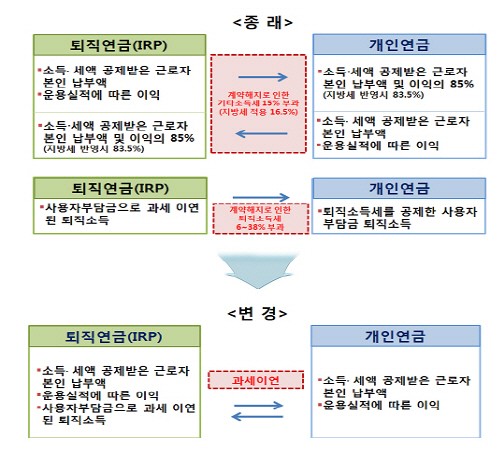
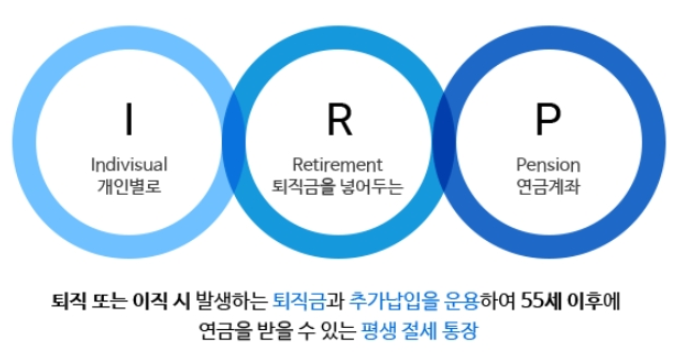
The Individual Retirement Pension (IRP) system is a long-term account that allows employees to voluntarily contribute during their employment or transfer their severance pay upon changing jobs, utilizing these funds for retirement. In the past, many people received their severance pay as a lump sum and consumed it immediately, leading to serious issues with income gaps in old age. To address this, the government strengthened the framework for securing income in old age, placing this system at its core. The eligibility has been expanded so that anyone with income, including self-employed individuals and freelancers, can join. A key feature is the ability to manage both severance pay and personal additional contributions within a single account. It can be easily opened at financial institutions such as banks or securities firms, and funds can be allocated to various products according to one’s investment style. The core advantage of this system is the high level of autonomy it grants participants in managing their funds. Employees enrolled in Defined Benefit (DB) or Defined Contribution (DC) pension plans operated by their employers can also open an individual account to enjoy tax benefits. By contributing a fixed amount each month, like savings, you can alleviate the anxiety of working life while building a solid foundation for the future.
IRP is a dedicated account for retirement preparation that both employees and self-employed individuals can join.
2. Tax Deduction Limits and Differences from Pension Savings
When planning a tax-saving strategy using pension accounts, it is crucial to accurately understand the differences between pension savings and IRP. While pension savings alone offers a tax deduction of up to 6 million won annually, the combined limit with IRP increases to a maximum of 9 million won per year. For example, if an office worker with an annual total salary of 50 million won contributes 3 million won to an IRP and 6 million won to pension savings, they can fully enjoy the tax deduction benefit on the combined limit of 9 million won. The tax deduction rate varies depending on total income: if the total salary is 55 million won or less, 15% of the contribution is refunded; if it exceeds this amount, the refund rate is 10%. Mr. Park, an office worker, used to worry about a “tax bomb” every year during the tax settlement season, but since utilizing this account, he has come to enjoy the benefit of receiving refunds. However, the two products show slight differences in the nature of assets they can manage and specific regulations. Pension savings offers relatively high autonomy in asset management, but IRP requires that at least 30% of the total accumulated funds be allocated to safe assets due to legal regulations. Investment in risky assets, such as equity products or index funds, is limited to a maximum of 70%. Therefore, those with an aggressive investment style should familiarize themselves with these ratio restrictions in advance when constructing their portfolio.
Combining pension savings and IRP allows you to maximize tax deduction benefits up to 9 million won.
3. Allocation Strategies for Risky and Safe Assets
The most challenging aspect of managing retirement funds is balancing profitability and stability. Legally, 70% of IRP funds can be invested in risky assets like equity products, while the remaining 30% must be allocated to safe assets such as deposits or bond funds. While some may find this rule restrictive, from the perspective of long-term retirement savings, it actually serves as a safety device that prevents excessive losses. Mr. Choi, an office worker, invests 70% in high-quality domestic and international index products and puts 30% in deposits with stable interest rates, allowing him to grow his assets with peace of mind. Even if the market crashes, safe assets act as a support, preventing emotional, hasty trading. Additionally, financial institutions are now actively assisting customers with asset allocation tailored to their preferences by introducing AI or expert consultation systems. If you find it difficult to select individual stocks yourself, you can utilize the Default Option system to automatically invest your funds in pre-designated products. There are well-established systems that automatically monitor and manage funds that might otherwise see declining returns if left unattended, which is a great help for busy office workers. If you make the effort to periodically check your account status and adjust your holdings according to market conditions, the size of your retirement assets will change noticeably.
You must establish your own investment strategy while adhering to the 70% risky asset and 30% safe asset ratio.
4. Cautions Regarding Early Withdrawal and Cancellation
Since it is a long-term account, situations may arise where you need a large sum of money suddenly and consider early withdrawal or cancellation. However, it is important to remember that general personal contributions cannot be withdrawn early unless specific legal grounds are met. Exceptions are only allowed under strict legal circumstances, such as purchasing a home or securing a deposit for a lease if you are a non-homeowner, bankruptcy of yourself or a family member, or treatment requiring care for more than 6 months. If you cancel the account simply due to a change of mind without any special reason, you must not only return all the tax deduction benefits received but also pay miscellaneous income tax. Mr. Jung, an office worker, has a painful experience of canceling his IRP a few years ago because he needed a lump sum, only to deeply regret it after seeing the taxes he had to pay back during the annual tax settlement. Even if you have deposited your severance pay into the account, withdrawing it midway will cause you to lose the severance income tax reduction benefit and potentially incur taxes at a higher rate. Therefore, it is wise to set your contribution amount within the range of your surplus funds, with the mindset that you will absolutely not break this account until retirement. When you need an emergency fund, use other general accounts and keep this account strictly as a sanctuary for your retirement to fully enjoy the tax-saving effects.
Early cancellation without legal grounds requires returning the tax deduction benefits received, so caution is necessary.
5. Methods and Taxes for Receiving Pension Payments
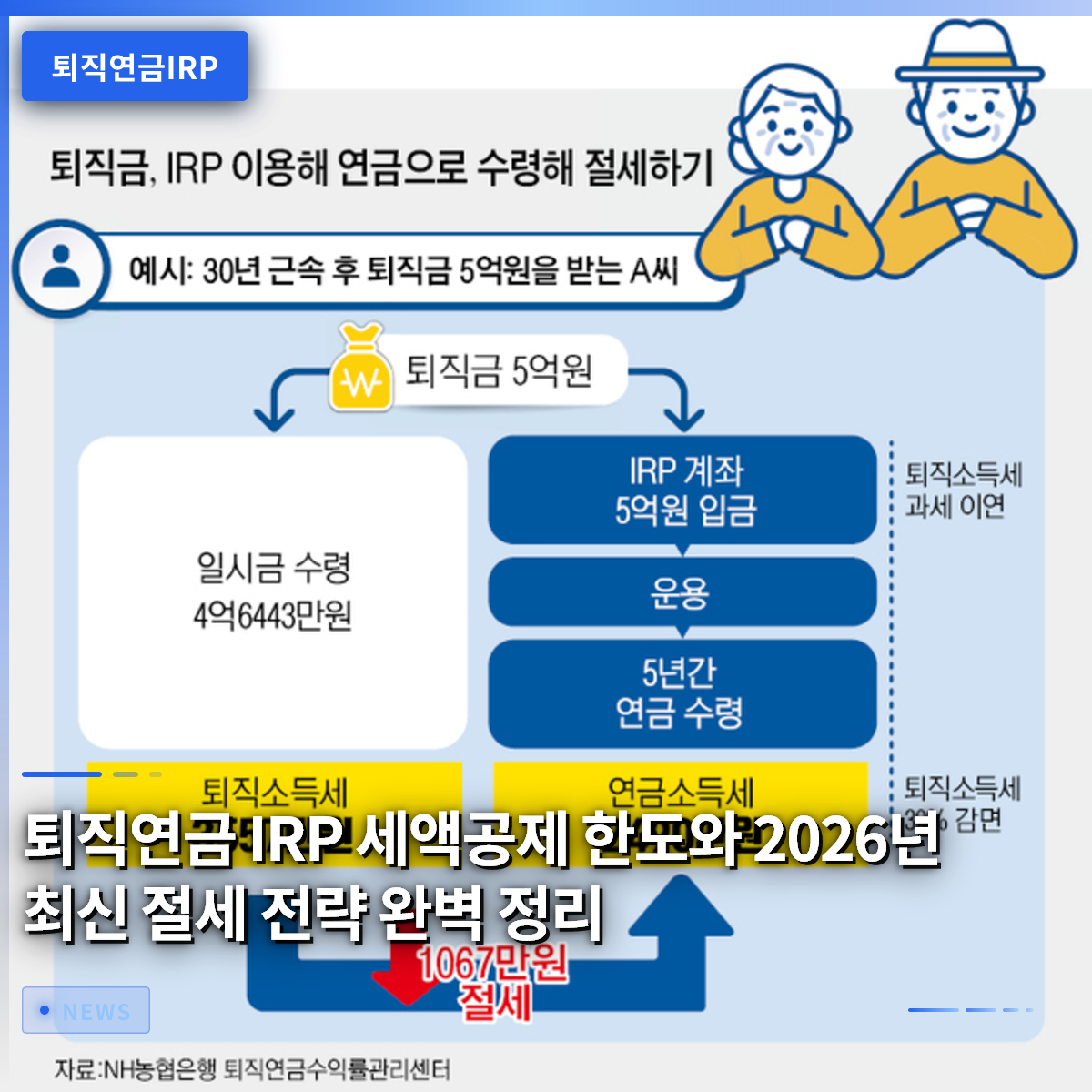
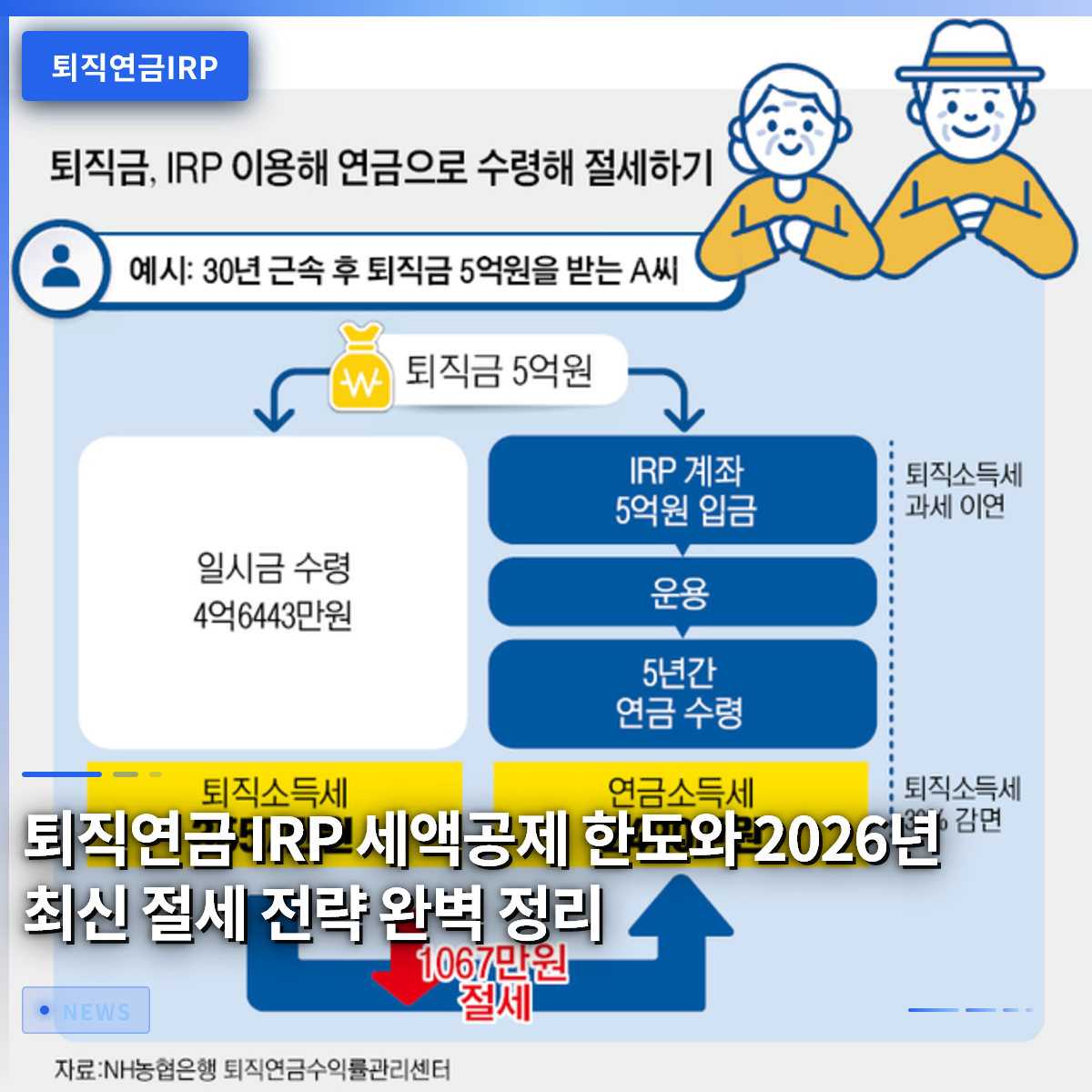
When you reach retirement age and are ready to use your accumulated funds, you must choose whether to receive them as a lump sum or as a pension. Since the account contains a mix of severance pay from your employer and your personal contributions, the tax burden varies significantly depending on the method of receipt. Receiving everything as a lump sum has the advantage of getting a large amount of money at once, but there is a high risk of facing a “tax bomb” in the form of severance income tax or high-rate comprehensive income tax. On the other hand, if you receive the funds as a pension over a period of 10 years or more, the severance income tax can be significantly reduced from 70% to 50%. Mr. Kang, an office worker, chose the pension receipt method after retirement, enjoying a wise retirement life with stable monthly living expenses and minimized tax burdens. Pension receipt is possible from age 55, and the longer the receipt period, the lower the pension income tax rate, making it very advantageous for tax savings. If the annual pension receipt exceeds a certain amount, it may be subject to comprehensive income tax when combined with other income, so a strategy to appropriately distribute the receipt amount is also needed. The most reliable method is to consult with a pension specialist at a financial institution in advance and plan your receipt schedule according to your expected income at retirement. To make life after retirement comfortable, an exit strategy—how to withdraw and use the money—is as important as accumulating assets.
Receiving funds as a pension allows you to save significantly on taxes and secure stable income in old age.
6. Changing Tax Laws in 2026 and Future Outlook
In a rapidly changing economic environment, understanding the newly announced tax law amendments and tax-saving trends each year is fundamental to asset management. Recently, financial institutions have been holding various seminars and lectures to help customers proactively cope with complex tax law changes. Financial companies like Woori Investment & Securities have been hosting webinars on how to utilize tax-saving accounts in line with changing tax laws, receiving great response from customers. Actively participating in such events to obtain the latest information allows you to construct a more advantageous tax-saving portfolio ahead of others. Mr. Oh, an office worker, learned about the changed tax deduction standards through related lectures, revised his contribution plan from the beginning of the year, and maximized the tax-saving effect. In line with the government’s policy direction on securing income in old age, support and benefits for pension accounts are likely to continue to be strengthened. As society ages, individual responsibility grows, and more incentives will be provided to those who prepare their own retirement funds. While it may feel like a loss to reduce immediate expenses, please check your account now to reduce future tax burdens and become a secure pension millionaire. Consistent interest and small practical steps will become the most powerful weapon in determining the abundance of your old age.
You must actively manage your pension assets by paying attention to the changing tax laws and tax-saving trends each year.
Frequently Asked Questions
=