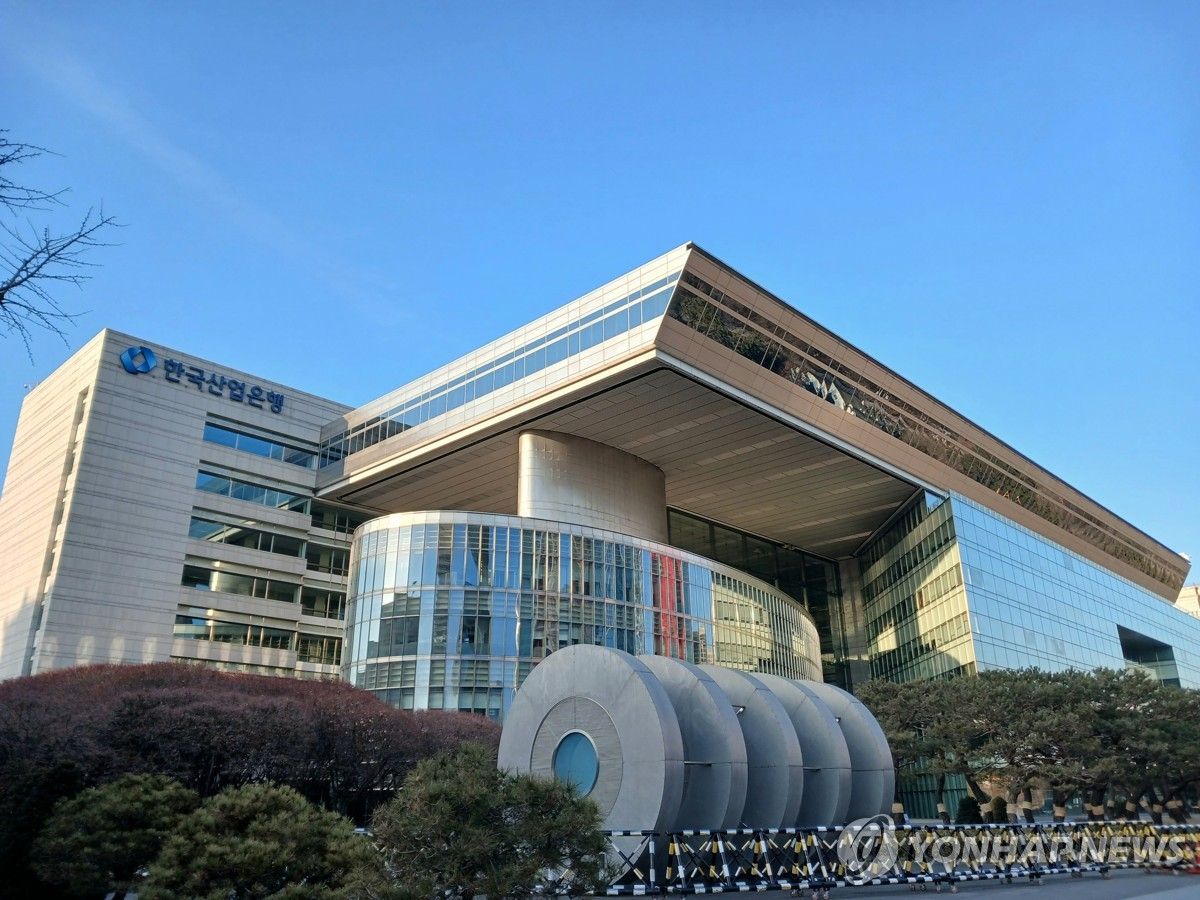
The Korea Development Bank (KDB) and IBK Enterprise Bank have newly established the “KDB-IBKS Next Stage Fund” with a total size of 120 billion won to support promising innovative companies preparing for an IPO. This recently announced financial support initiative is expected to serve as a solid foundation, helping small and medium-sized enterprises (SMEs) and venture companies that struggle with fundraising to settle stably in the capital markets. By joining forces, the state-owned banks are taking on the role of a catalyst to inject vitality into the private investment market. In reality, many promising companies with excellent technological capabilities have unfortunately faced funding difficulties during the IPO process, leading to their failure. The establishment of this large-scale fund is undoubtedly welcome news for such companies. We will take a detailed look at the large-scale funding supply plan that will continue for the next three years and the positive ripple effects it is expected to have on the overall economy.
=
Background and Outlook for the KDB-NK Joint 120 Billion Won Innovation Investment Fund
1. Overview of the Joint Fund Establishment by KDB and IBK
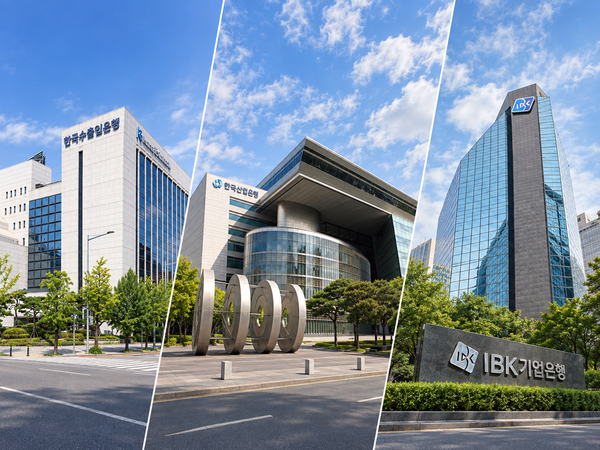
The 120 billion won Next Stage Fund, jointly established by the Korea Development Bank (KDB) and IBK Enterprise Bank, is attracting significant market attention. The two state-owned banks planned this investment to improve the fundamental health of the economy and secure future growth drivers. The initiative aims to identify companies with strong technological potential but limited financial resources and provide them with substantive opportunities for growth. It can be seen as a model case of public institutions faithfully fulfilling their roles in line with the government’s strong push to expand productive finance. Numerous mid-sized and venture companies are welcoming the news of the fund’s launch, expressing that it will alleviate their funding constraints.
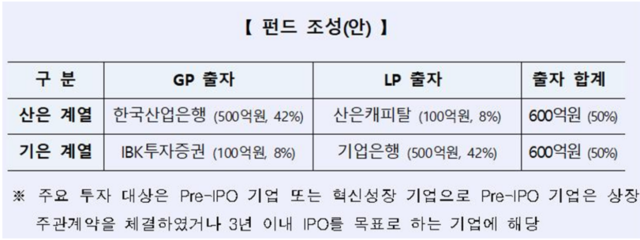
A notable aspect of this fundraising process is the division of roles among the institutions to maximize efficiency. IBK Enterprise Bank and KDB are each contributing 50 billion won, while their affiliates, IBK Investment & Securities and KDB Capital, are each adding 10 billion won, completing the total of 120 billion won. Given this solid financial foundation, the fund is highly evaluated for the stability and transparency of its capital deployment. The strategy is not merely to provide one-off support but to cultivate promising companies under systematic management. They are paying close attention to reflecting on-site feedback to ensure that appropriate funds flow to where they are most needed.
KDB and IBK, along with their affiliates, have contributed a total of 120 billion won to establish an investment fund for innovative companies.
2. Focused Support for Pre-IPO Promising Companies
The most significant feature of this fund is its focus on supporting pre-IPO companies that are on the verge of listing. The primary beneficiaries are companies that have already signed an IPO underwriting agreement or are aiming to list on the KOSDAQ within the next three years. The IPO preparation stage is a very difficult and demanding period for companies, requiring substantial costs and administrative procedures. If adequate funding is not injected during this time, many companies fail to enter the market despite possessing good technology.
In the past, many promising companies had to endure the pain of being eliminated because they could not overcome the hurdle of insufficient funds. However, experts predict that this fund will significantly alleviate such funding shortages. By reducing the financial burden associated with the IPO process, the fund creates an environment where companies can focus solely on technology development and management stability. In fact, a representative of a small and medium-sized enterprise stated that the funding pressure during the IPO preparation process was intense, and this policy support feels like a timely rain in a drought.
Pre-IPO companies that have signed an underwriting agreement or aim to list within three years are the primary targets for support.
3. Joint Management System and Securing Expertise
The management of this fund will be jointly handled by IBK Investment & Securities and KDB, both of which have robust in-house IPO teams. The combination of the two institutions’ extensive financial know-how and company evaluation capabilities has further enhanced the professionalism of the investment review process. Rather than simply lending money, they undergo a process of accurately assessing company value and objectively verifying growth potential. This approach aims to increase the success rate of investments and ensure that public funds or state resources are not wasted through strict management.
The fund is managed by experts who understand market trends visiting companies directly to assess their status and provide tailored advice. A system is in place to provide assistance in various areas, including management consulting and securing follow-on investments, in addition to funding. On-site practitioners unanimously agree that this joint management method is an excellent alternative that reduces administrative procedures while increasing the speed of support. Investee companies also express strong trust and satisfaction, feeling as if they have gained a reliable ally.
IBK Investment & Securities and KDB, which possess in-house IPO teams, will jointly manage the fund.
4. Expansion to 500 Billion Won Over the Next Three Years
The establishment of this 120 billion won fund is just the beginning, with much larger-scale financial support on the horizon. In conjunction with the activities of the KOSDAQ market activation team led by IBK Enterprise Bank, a massive fund totaling 500 billion won is planned to be established over the next three years. This ambitious plan aims to build a comprehensive growth support ecosystem that covers not only the early pre-IPO stage but also the post-listing stage.
As companies progress through different growth stages, the challenges they face change over time, making follow-up funding supply essential. Following the pre-IPO support announced this time, post-listing stage funds centered on listed companies are also planned to be established sequentially. This stage-by-stage support strategy serves as a stepping stone for companies to leap from temporary growth to becoming mid-sized enterprises with global competitiveness. Within the broader vision drawn by the government and state-owned banks, an opportunity is being created to strengthen the backbone of the economy.
In line with the KOSDAQ activation plan, the fund will be expanded to a total of 500 billion won over the next three years.
5. Expansion of Productive Finance and Policy Significance
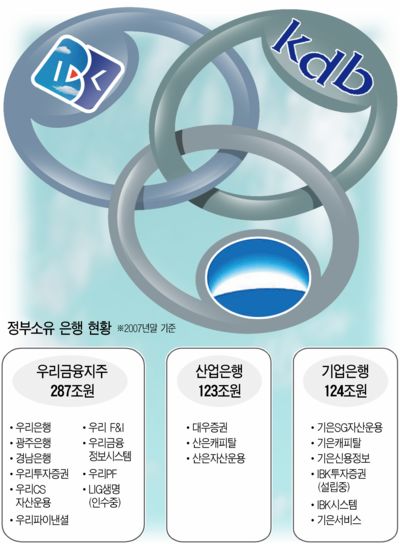
State-owned banks are actively responding to the government-led initiative to expand productive finance, sending a positive message to the market. This is a critical turning point to prevent funds from flowing solely into real estate or safe assets and to guide them toward innovative companies in the real economy. By effectively playing the role of a catalyst to promote private investment, state-owned banks are naturally attracting the participation of private capital.
Whenever concerns about an economic crisis arise, government policy funds have always served as a reliable shield and an engine for growth. This fund is also expected to have a magical effect of enhancing national competitiveness by providing substantive help to the key players achieving technological innovation. On-site business leaders evaluate that this move by state-owned banks demonstrates a firm belief in the future industries of South Korea, going beyond simple funding supply. There is a strong expectation that such policy coordination will be further expanded so that more companies can benefit.
Through collaboration between policy financial institutions, the initiative responds to the productive finance policy and promotes private investment.
6. Vision for Companies with High Growth Potential

Thanks to the bold decisions and systematic support of state-owned banks, promising innovative companies have been given a new opportunity to leap forward. Even amidst pessimistic economic forecasts, companies that have diligently focused on technology development are now ready to take flight. If the companies selected through transparent and professional reviews successfully settle into the KOSDAQ market, it will inject tremendous vitality into the entire economy.
We hope you will keep a close eye on the achievements of the innovative companies that will lead our country in the future. The wisdom to anticipate and prepare for the policy directions of the government and financial institutions is the key to surviving in a rapidly changing economic environment. We promise to continue delivering useful and substantial financial news promptly, and we conclude this article here.
Through thorough support and investment, innovative companies are expected to grow into new key players in the South Korean economy.
Frequently Asked Questions
=