On September 25, 2026, the New York Stock Market opened with a modest 0.3% rise, set against the backdrop of a major political event: a meeting between the leaders of major nations. Market investors are quickly reflecting in stock prices the expectation that this diplomatic negotiation will help ease future trade disputes and contribute to supply chain stability. However, critical views coexist, arguing that specific practical agreements are lacking, making it difficult to predict future stock price trends. Indeed, it is easy to witness office workers checking their stock accounts on their smartphones during their morning commute, expressing both excitement and concern. In this article, we will thoroughly examine the direct background of how the US-China summit has impacted the stock market and the changes in asset markets we should watch for going forward. Let us carefully explore whether this meeting can serve as a stepping stone for a long-term upward trend.
=
New York Stock Market Opens 0.3% Higher on Hopes for US-China Summit
1. US-China Summit and New York Stock Market Reaction
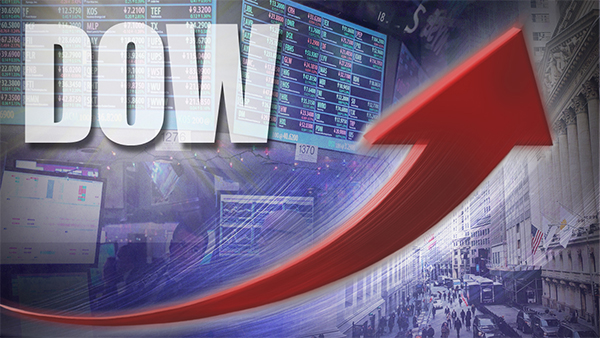
The scenario where the top leaders of the United States and China sit down directly to converse is always the biggest topic capturing the attention of global financial markets. The 0.3% opening rise in the New York Stock Market is clear evidence of how quickly this dramatic dialogue phase between two economic giants melts away investment concerns. Market participants gave high marks to the fact that the leaders of both nations opened the door to dialogue rather than deepening the rift. Recalling the painful memories of stock prices plummeting every time trade wars escalated in the past, this meeting is certainly a source of relief. Investor Kim, who checked the stock market app upon waking up in the morning, said he was able to enjoy a cup of coffee after seeing the index turn red (indicating a rise in the Korean context, though typically green in US contexts, here implying positive movement). As seen here, even just signs of easing political risks prompt the stock market to react nimbly, revealing its instinct to secure downside protection. Experts attribute significance to this summit, noting that it has averted the worst-case scenario, even if it does not lead to substantial tariff reductions. Ultimately, investors are adopting a strategy of gradually shifting funds from safe assets to risky assets while watching the process of uncertainty resolution. Whether this upward trend will continue will ultimately be determined by upcoming economic indicators and the negotiation results of the working-level teams from both countries.
News of the US-China summit boosted investor sentiment, leading the New York Stock Market to open 0.3% higher.
2. Diverging Views on Diplomatic Outcomes
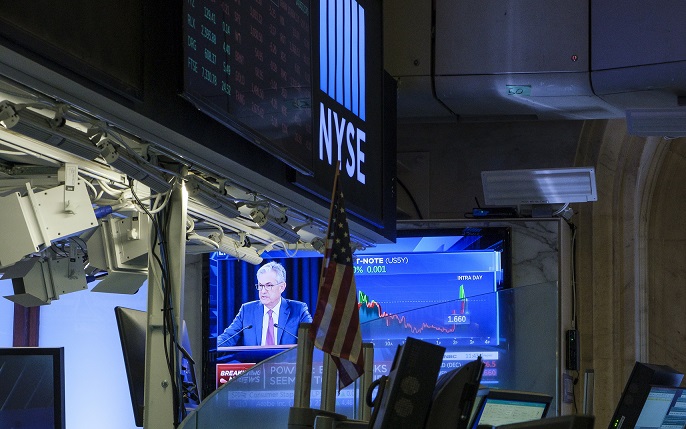
Reactions from Washington politicians and Wall Street to this summit are surprisingly cold and complex. Opposition figures criticize the meeting as merely a showy facade, arguing that there has been no progress on core issues such as removing trade barriers or protecting intellectual property rights. Local media also assessed that while the meeting between the two leaders certainly holds symbolic meaning, it was insufficient to drive substantive policy changes. While ordinary citizens may expect that meetings between presidents will bring significant economic benefits, reality is not that simple. Office worker Park pointed out the cold reality, stating, “The news is buzzing about the leaders meeting, but my bank account balance remains the same.” This political debate and skepticism act as a major factor limiting the upside of the stock market, becoming a spark that increases volatility. Although stock prices opened higher, the index maintained a narrow range throughout the day as these diverging evaluations were digested. This is why investors should focus more on actual corporate earnings and supply chain stability rather than empty diplomatic rhetoric. It is a time when the wisdom to carefully scrutinize the results of practical negotiations hidden behind the grand protocol is more essential than ever.
Despite the grand diplomatic event, criticism continues over the lack of substantive results, spreading a cautious stance in the market.
3. Impact on Global Supply Chains and the Domestic Economy
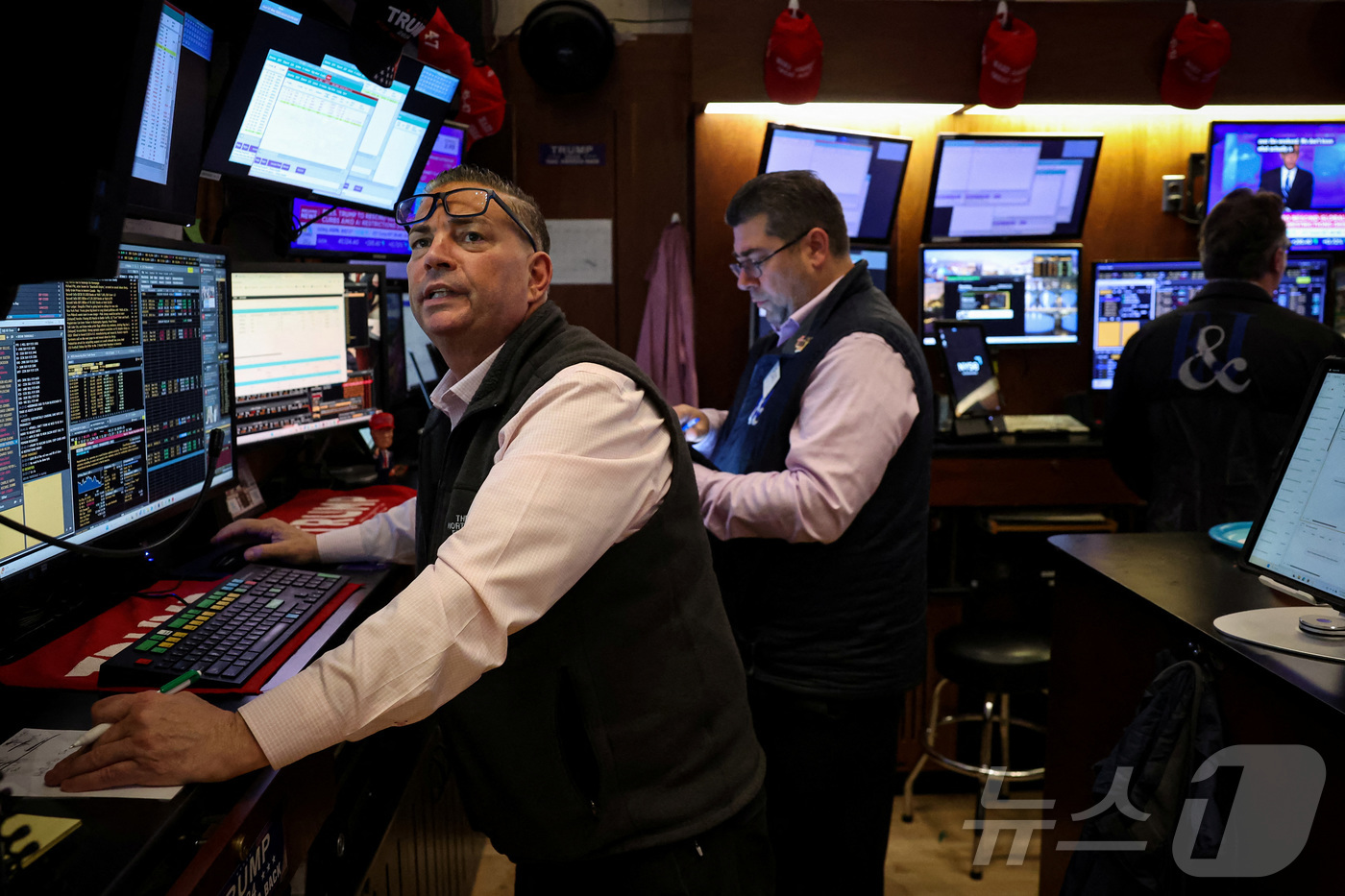
The sight of the top leaders of the US and China shaking hands sends direct and strong ripples to the Korean economy across the Pacific. Our government assessed that the relationship between the two countries moving in a stable direction is very positive for Korea, which has an export-driven economic structure. In fact, if supply chain uncertainty decreases in core industries such as semiconductors and batteries, it will ease the burden on domestic large corporations’ business planning. Lee, a staff member in the planning team of a large corporation who monitors global news every morning, expects that the easing of US-China relations will somewhat alleviate raw material supply instability. However, the fact that diplomatic and security tensions still persist, intertwined with the possibility of North Korean provocations, is a point that cannot be taken lightly. The government is conducting a thorough investigation, keeping open the possibility of North Korean involvement in the mine explosion incident in the Demilitarized Zone (DMZ) while closely coordinating with the United Nations Command. In this complex situation where the two axes of economy and security are intertwined, the domestic financial market is also reacting sensitively. Investors must tighten the reins of risk management while simultaneously watching the massive flow of the global economy and domestic political issues.
Stabilization of US-China relations is positive for Korea’s exports and supply chains, but continuous monitoring is required due to intertwined security risks.
4. Domestic Stock Market and Investor Response Strategies
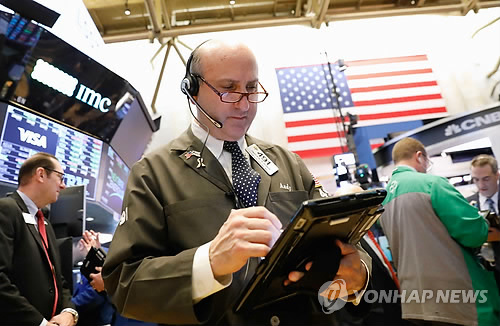
The news of the New York Stock Market’s modest opening rise is expected to bring warmth to the domestic stock market opening the next morning. Individual investors are on high alert, wondering if the KOSPI and KOSDAQ indices will find a foothold for a rebound as overseas variables act positively. Stock communities are flooded with hopeful posts suggesting that since the US market rose, our market might also turn blue (indicating a rise) and rebound today. However, rather than being swept away by unconditional optimism, it is safer to restructure portfolios focusing on high-quality stocks backed by earnings improvements. Veteran investor Choi emphasized a calm response, stating that he has suffered losses more than once by chasing buys when the New York Stock Market rose. Since uncertainty regarding exchange rate volatility and the timing of interest rate cuts has not been fully resolved, maintaining a split-buy strategy is advisable. Only those who remain steadfast in their investment principles, undeterred by external variables, can survive in a volatile market. Securities experts also advise that a box-range market is likely to continue for the time being, so investors should prioritize a long-term perspective over short-term profit-taking. We should not dismiss the New York Stock Market’s opening rise as a temporary event but use it as an opportunity to review our overall asset allocation.
Rather than buying in tandem with the New York Stock Market rise, a cautious split-buy strategy considering corporate earnings and exchange rates is required.
5. Asset Market Landscape Amid the Chuseok Holiday
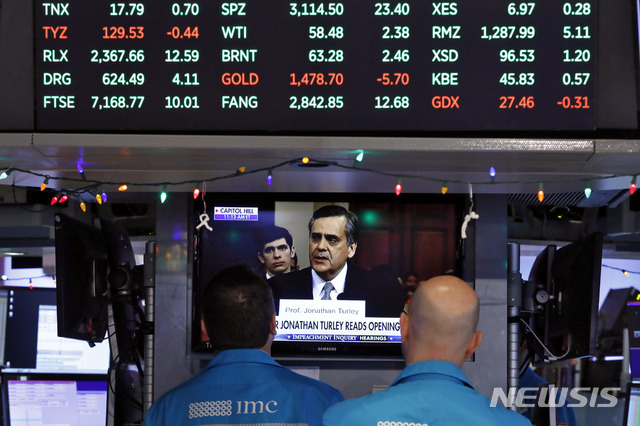
Coinciding with the Chuseok holiday, Korea’s biggest traditional festival, the news of the New York Stock Market’s rise received intense public interest. Travelers returning home, exhausted by traffic jams on the expressways, created a unique scene by stopping at rest areas to check stock market news on their smartphones. Park, a university student sitting in the back seat while his father drove to Busan, started studying stocks with his allowance by clipping economic articles from news apps. Amid the festive atmosphere, the public’s passion for wealth management did not diminish; instead, more people used their free time to read economic news carefully. On the other hand, the fatigue from holiday price hikes and expressway traffic jams compounded, leaving ordinary people’s finances still tight. Conversations among family members often converged on realistic livelihood issues such as soaring apartment prices and retirement preparation. During this holiday period, where grand macroeconomic discourses intersect with the weight of everyday life, economic news was the topic closest to the public. Even a slight rise in the New York Stock Market became a topic at drinking parties with relatives from hometowns, demonstrating how deeply it has penetrated our lives.
Amid the Chuseok holiday landscape, the public showed great interest in the New York Stock Market and economic news, despite concerns about traffic jams and prices.
6. Final Recommendations for Successful Investing
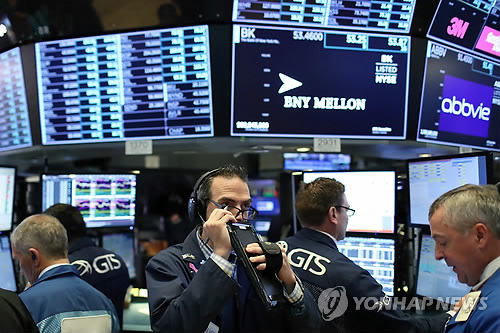
In conclusion, the New York Stock Market’s 0.3% opening rise on September 25, 2026, amidst the US-China summit, was an event that provided a small breathing space for the investment market. However, rather than reacting with short-lived joy or sorrow to a single political event, it is essential to coldly examine the fundamental nature of the economy and the improvement of corporate earnings. To successfully manage assets, one must avoid the mistake of blindly following stocks that everyone else is buying. Office worker Kim says that after suffering losses from investing in a frenzy in the past, he now always conducts his own corporate analysis before deploying funds. The weapons for surviving in the highly volatile global financial market are ultimately thorough information analysis and unshakable mental management. We sincerely hope that this US-China summit will lead to a smoother global supply chain and a tailwind for the domestic economy. Readers, please do not dismiss this stock market news as a one-off article but use it as an opportunity to review your investment assets once more. Wise judgment and consistent learning will be the most reliable shield to protect your assets in an uncertain future.
Do not be swayed by short-term issues; protect your assets through thorough corporate analysis and principle-based investing.
Frequently Asked Questions
=