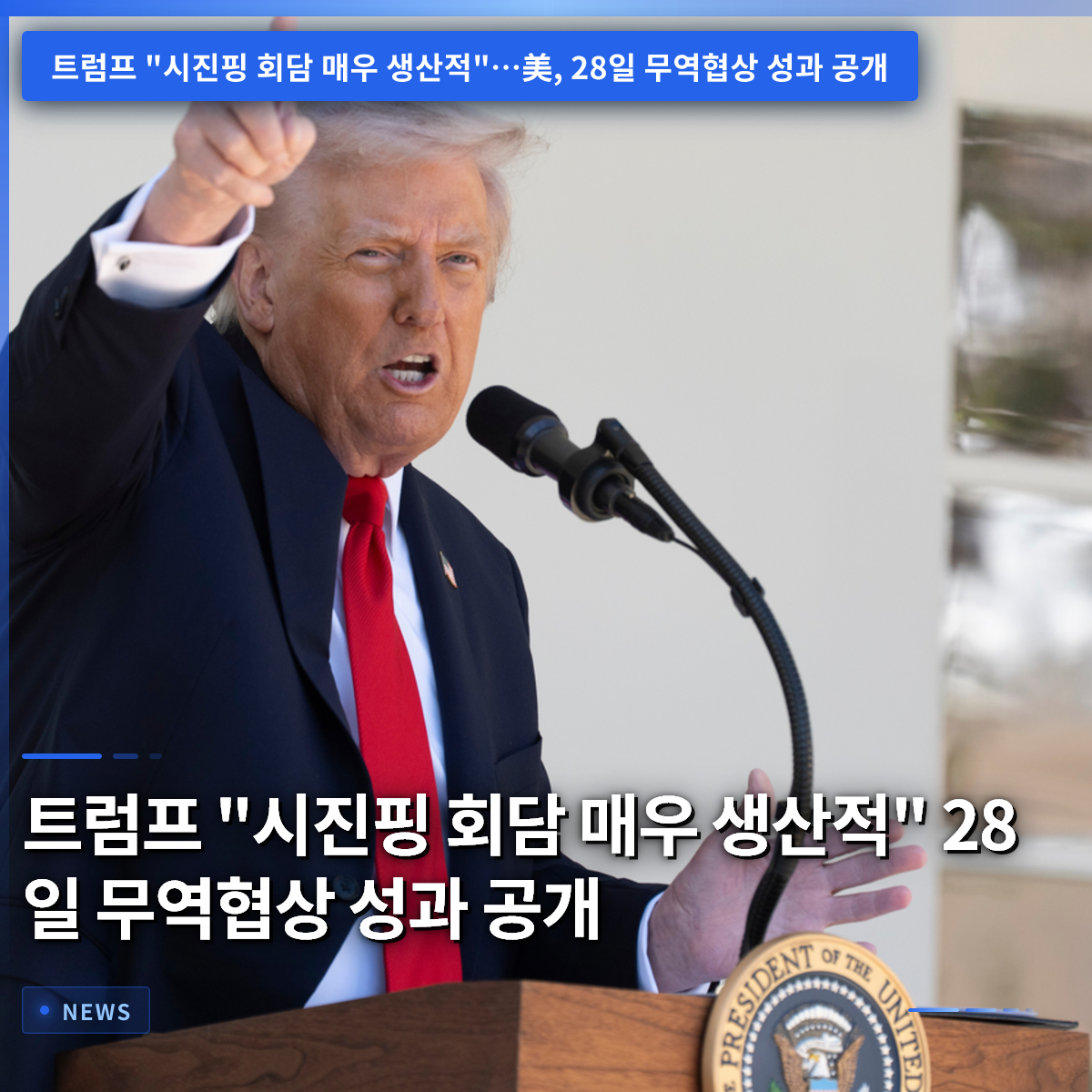
U.S. President Donald Trump directly praised his summit with Chinese President Xi Jinping as “very productive” immediately after the meeting, announcing that he would abruptly release the outcomes of trade negotiations on the upcoming 28th. The two leaders met at the White House, sharing a dinner while candidly discussing major issues that are shaking the global economy. However, the absence of a grand joint statement immediately following the summit has left global markets on edge, closely watching for results. Many are curious whether this meeting will be the decisive turning point in easing U.S.-China trade tensions or merely a temporary patch-up. Since this issue directly or indirectly affects the prices of smartphones and car parts we use daily, it deserves close attention. Depending on the specific agreements announced, exchange rates and prices could fluctuate significantly, so it is wise to grasp the trends in advance.
=
Trump: “Summit with Xi Was Very Productive,” Trade Deal Outcomes to Be Revealed on the 28th
1. Trump and Xi’s White House Meeting
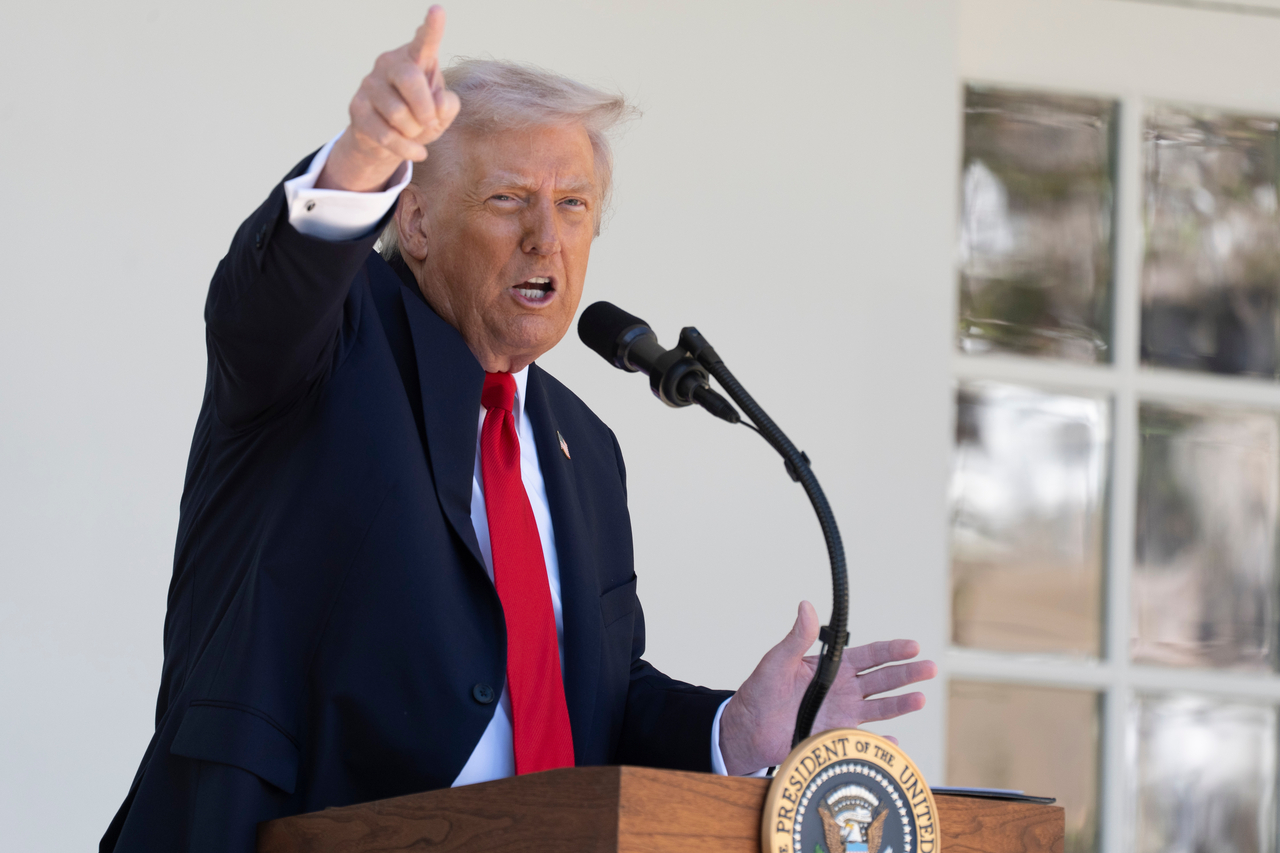
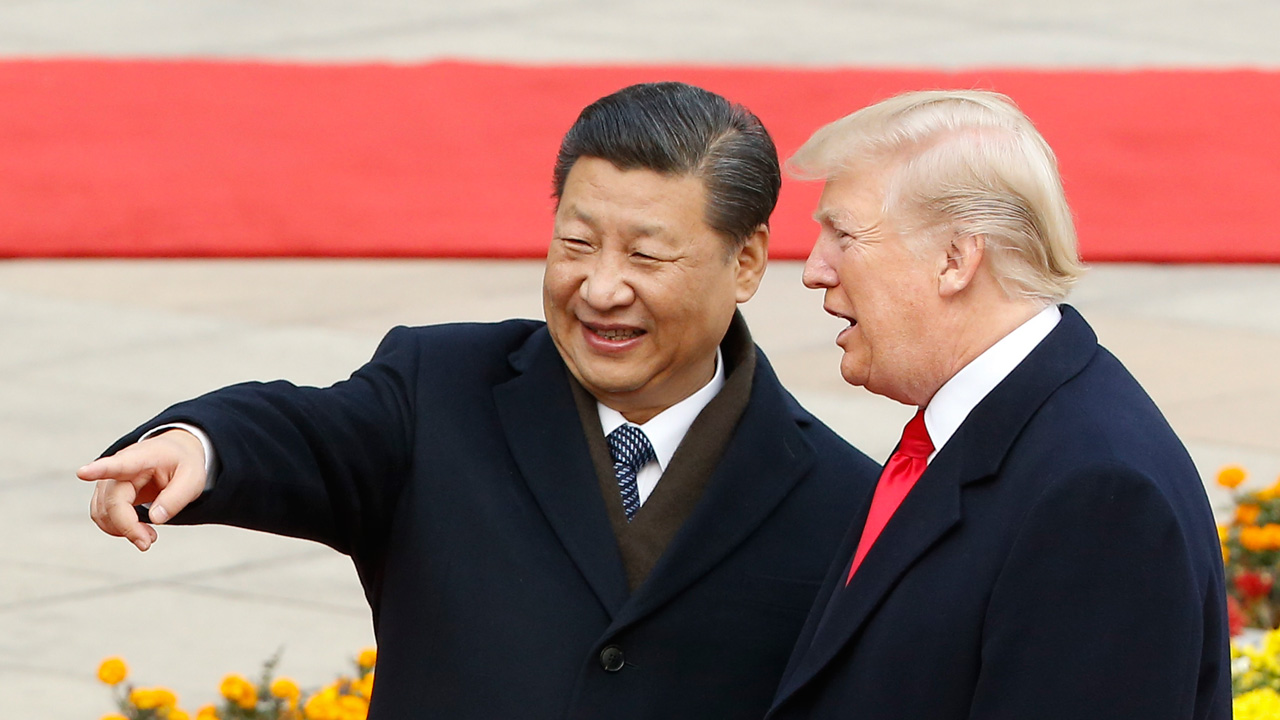
The White House summit between U.S. President Donald Trump and Chinese President Xi Jinping was held to great acclaim, capturing the attention of the entire world. True to their status as leaders of the world’s top two economies, the two leaders continued their dialogue despite the chilly atmosphere, striving to find common ground. The state dinner held the day before the summit appeared to proceed in a soft atmosphere on the surface, but it was a venue where the intense calculations of both sides intersected. Immediately after the meeting ended, President Trump highly praised the summit on the social media platform Truth Social, stating that it was so productive that it would bring tremendous things for both countries. This remark was enough to instill a sense of relief in the market that the worst-case scenario feared before the summit had been averted. From the perspective of ordinary citizens, the meeting between these two giants might seem like a story from a distant land, but it is a critical issue directly linked to grocery prices. For example, it is easy to understand if you recall how the prices of imported home appliances or clothing commonly seen at local supermarkets can rise or fall instantly depending on trade barriers. The fact that the leaders of both countries sat face-to-face and talked means that one major mountain of uncertainty has been overcome. This is precisely why we need to calmly observe how effectively the follow-up measures by the working-level teams will proceed.
The White House summit between Trump and Xi holds great significance in that it reduced global economic uncertainty and opened the door for dialogue.
2. Preview of Trade Negotiation Outcomes to Be Revealed on the 28th

The U.S. Trade Representative (USTR) officially announced that it will reveal in detail the specific achievements gained from trade negotiations with China on the coming Monday, the 28th. USTR Representative Jamieson Greer emphasized on a broadcast that there has been clear progress in the intense negotiations that have been conducted behind the scenes over the past few weeks. President Xi Jinping also sent a positive signal by mentioning in the previous day’s summit that the economic and trade teams of both countries had reached a new joint agreement. The content to be announced this time is highly likely to include the extension of the trade truce period or tariff relief measures for certain items. This is expected to greatly help companies in both countries catch their breath and maintain stable supply chains. Attention is turning to whether the customs clearance difficulties faced by small business owners commonly seen around us when importing Chinese raw materials will be eased by this announcement. If the tariff burden is reduced, it could be a good opportunity to lighten the operational cost burden for domestic self-employed individuals. The government and private companies must carefully analyze the specific wording of the outcomes to be announced on the 28th and prepare to revise their future business strategies. It is necessary to read the changes in the overall trade flow in a three-dimensional manner, rather than relying solely on fragmentary information flowing through the news.
The U.S. Trade Representative will announce the detailed outcomes of trade negotiations with China on the 28th, proposing a trade truce extension and tariff relief plans.
3. Possibilities of Trade Truce Extension and Tariff Relief
One of the most tangible gains from this U.S.-China summit can be seen as the extension of the previously established trade truce. With the trade truce deadline, originally scheduled for early November this year, extended by about two months, the risk of all-out war between the two countries has been temporarily contained. U.S. Treasury Secretary Scott Bessent reported that they are actively considering tariff reduction plans for non-sensitive items and have agreed to exclude them from future disputes. These measures will provide a positive stimulus to increase global trade volume and help breathe life into global economic growth. It can serve as a sturdy shield preventing the sharp price increases of various consumer goods we encounter in our daily lives. For merchants running local clothing stores or those engaged in small-scale trade, news of tariff reductions is like a timely rain in a drought. It can be a ray of hope for those who have felt sorry seeing acquaintances close their businesses due to the overlapping burden of uncertain exchange rate fluctuations and tariffs. Of course, not all items are included in the tariff exemption category, so one must carefully examine whether the items they handle fall under this category. This is a time when the wisdom to calmly verify item-specific exception clauses is required, rather than blindly feeling reassured based on emotions.
The two countries have agreed to extend the trade truce period and lower tariffs on non-sensitive items, enhancing market stability.
4. Tense Standoff in Advanced Semiconductors and Artificial Intelligence
Although a tailwind has blown in the general trade sector, there were still clear differences in opinion regarding export controls on semiconductors, the core of advanced technology. The U.S. side maintained its stance that it cannot easily concede on cutting-edge semiconductor technology, which is its most powerful weapon and the source of future competitiveness. USTR Representative Jamieson Greer clearly drew a line by stating that related dialogues were barely addressed at this negotiation table. On the other hand, an interesting consensus was formed between the two leaders regarding the terminology used to refer to artificial intelligence technology. President Trump announced that President Xi Jinping agreed to use the term “Super Intelligence” instead of the existing name “Artificial Intelligence.” President Xi Jinping also voiced the need for the two countries, as major AI powers, to discuss risks and benefits while competing and to maintain control. The hegemony struggle over advanced technology is still ongoing, but this is interpreted as diplomatic maneuvering to establish at least minimal safety devices. Subtle changes may occur in the prices or accessibility of AI tools that directly affect the lives of ordinary office workers and students. Because the pace of technological development is so rapid, the regulatory moves of major powers will determine the performance of the devices in our hands.
The two countries faced off stiffly on advanced semiconductor export controls, but in the AI field, they shared the need for minimal cooperation along with terminology unification.
5. Seeking Cooperation in Global Situation and Multilateral Meetings

The stage of this summit did not remain limited to the economic field but expanded to sensitive diplomatic issues such as the Middle East situation and the Ukraine war. The two leaders shared the seriousness of conflicts occurring in various parts of the globe and pooled their heads to some extent for peaceful resolution. They also promised to mutually support the successful conduct of the Asia-Pacific Economic Cooperation (APEC) summit and the Group of Twenty (G20) summit to be held this year. This shows that while advocating for national priority, the two countries have no choice but to cooperate in maintaining at least a minimum international order. Since the stability of the global economy is directly linked to their own political achievements, a high-level strategy to reduce unnecessary friction is hidden here. When we travel abroad or invest in global stocks, this diplomatic stability becomes an important indicator for predicting the market. Everyone has probably had the experience of seeing the price of a booked international flight skyrocket due to exchange rate spikes caused by sudden geopolitical risks seen in the news. The more smoothly international behind-the-scenes cooperation proceeds, the more room there is to reduce unnecessary losses in individual economic life. This is also the reason why we need to keep a close eye on what additional agreements are derived from upcoming multilateral meetings.
The two countries discussed global issues such as the Middle East and Ukraine beyond economic problems and promised mutual support at major international meetings.
6. Future Outlook and Wise Response Strategies
This summit between President Trump and President Xi Jinping can be given a passing grade for preventing a breakdown and continuing the dialogue. Depending on the specific content of the trade negotiation outcomes to be announced on the 28th, global stock markets and the domestic economy will once again find a major direction. The general public should refrain from emotional reactions amidst the flood of news and focus on the actual movements of prices and exchange rates. Rather than blindly jumping into exchange rate or stock markets, a calm attitude of managing assets by referring to expert analyses is needed. In times of persistent uncertainty, one must exercise the wisdom to judge coolly based on official government announcements and objective indicators. To protect the precious assets around you, try sharing information by casually discussing the trade negotiation trends learned today with acquaintances. Since economic trends permeate every corner of our lives, continuous interest is the best defense against indifference. Do not miss the news to be announced on the coming Monday, and use it as an opportunity to review your consumption and savings plans. Even amidst the ever-changing international situation, if you maintain your own center and respond wisely, you can sufficiently overcome any economic crisis.
A wise attitude is needed to monitor the trade outcomes to be announced on the 28th and manage personal assets with cool-headed judgment.
Frequently Asked Questions
=