
“There Are No Fish” is not merely a story of natural history, but a work that explores the life of a taxonomist and the human psyche. This non-fiction book by Lulu Miller, published by Gom Publishing in 2021, contains biographical elements of the real-life figure David Starr Jordan. Through a narrative where scientific facts and personal anguish intersect, readers can reconsider the meaning of classification. This article specifically examines the questions the book raises and the insights readers can gain.
Introduction to “There Are No Fish” and Reader Reviews: 2026 Autumn Reading Recommendation

1. Why Say “There Are No Fish”?

The category of “fish” is not biologically clear. Traditionally, fish refers to aquatic creatures with fins and scales, but phylogenetically, species that are far apart are grouped under the same name. In her book, Lulu Miller illustrates this contradiction in classification, pointing out that names do not perfectly reflect actual nature. She describes how Jordan’s effort to organize fish ultimately revealed a sense of futility. Therefore, the title emphasizes that the category of “fish” is a human-centric bias.
The classification of “fish” lacks academic consensus, and the book uses this to show the difference between names and reality.
2. Three Core Lessons
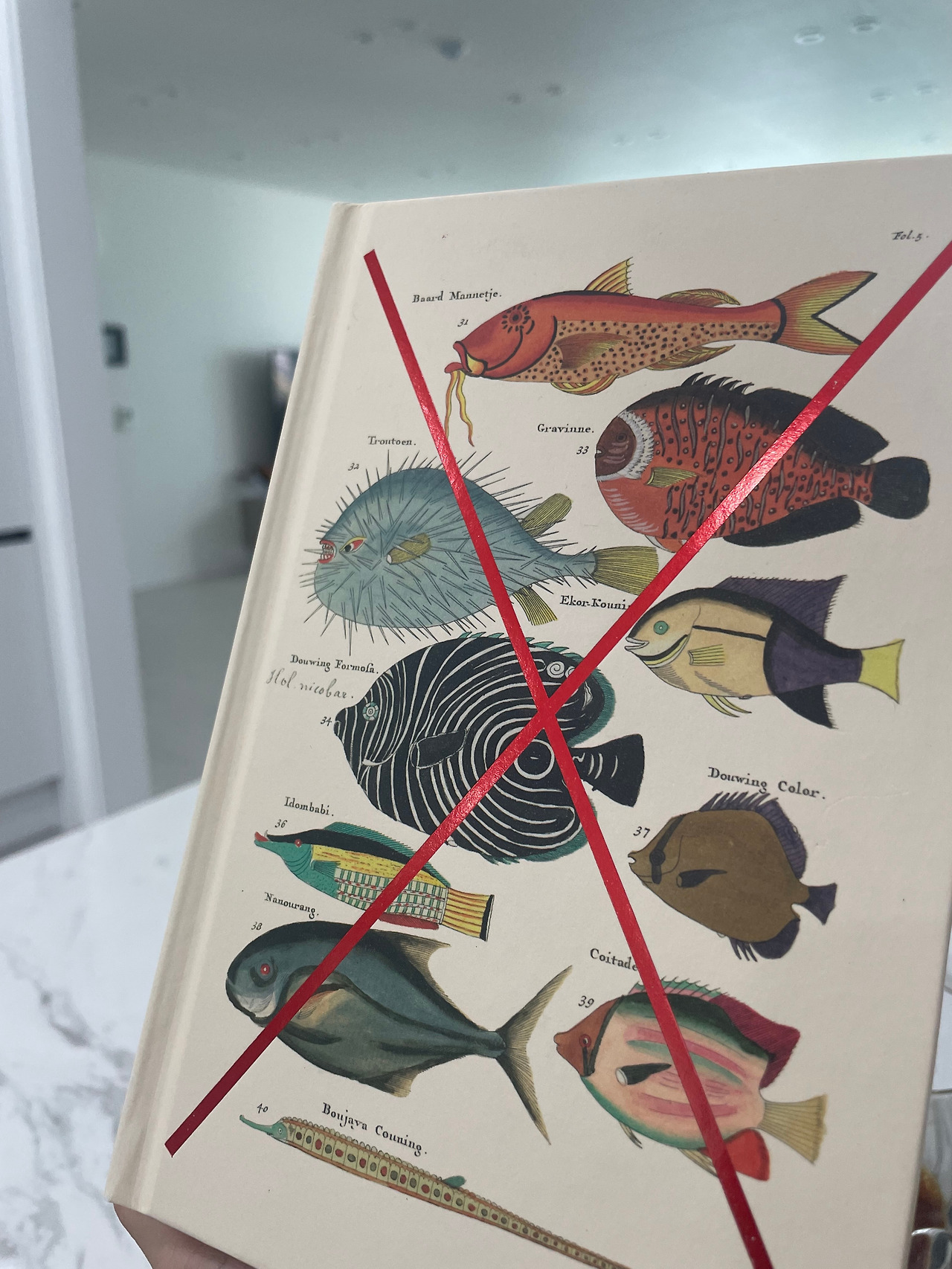
First, scientific classification is a framework created from a human perspective, while nature itself does not follow such boundaries. Second, through Jordan’s life, one can see how personal obsession can bring both achievement and ruin simultaneously. Third, the author explains, connecting it to her own experience, that a new perspective can only be gained after experiencing failure and loss. Each lesson is presented with short episodes, making it easy to understand. Based on this, readers can re-examine their own goals and values.
Three themes run through the entire book: the limits of classification, individual passion and its cost, and growth after failure.
3. Great Conversation Starters for Autumn Book Clubs

The book details the incident where Jordan lost his fish specimens and the subsequent psychological changes. This episode shows how a small loss can trigger a major shift in direction. Additionally, the author’s process of finding her identity creates empathy with readers. In a book club, one could pose the question, “How would I react if something I loved disappeared?” Such conversations allow for a deep discussion of not only the scientific content of the book but also its human aspects.
The themes of loss and identity exploration naturally lead to conversations among readers.
4. What You Can Do Right Now
Interested readers can search for “There Are No Fish” at nearby bookstores or online bookstores. Since it was published in 2021, it is highly likely to be available in most major libraries. If you want to leave a book review, it is also a good idea to post a short impression on an online reading community. However, it is safer to check each institution’s announcements for accurate stock or loan availability. This way, you can hold the book in your hands and gain insights immediately.
The book is easily found in bookstores and libraries, and sharing book reviews is simple.