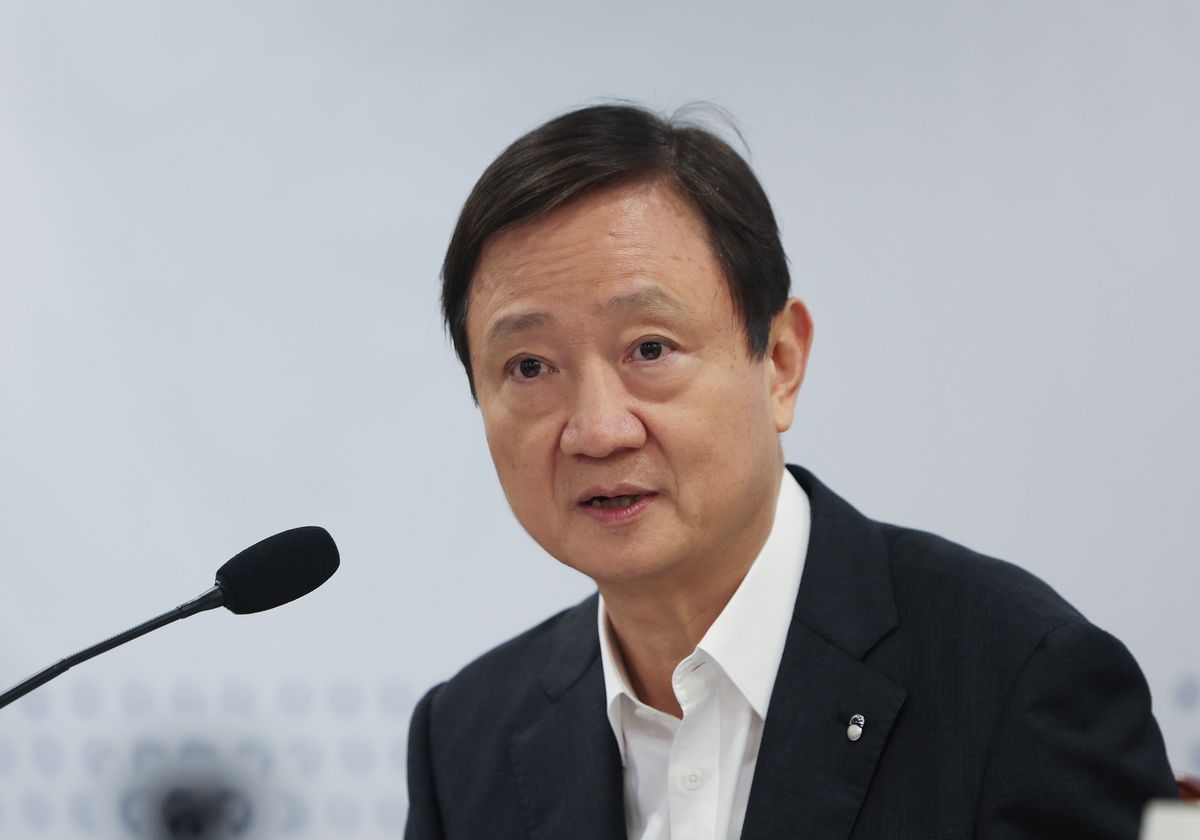
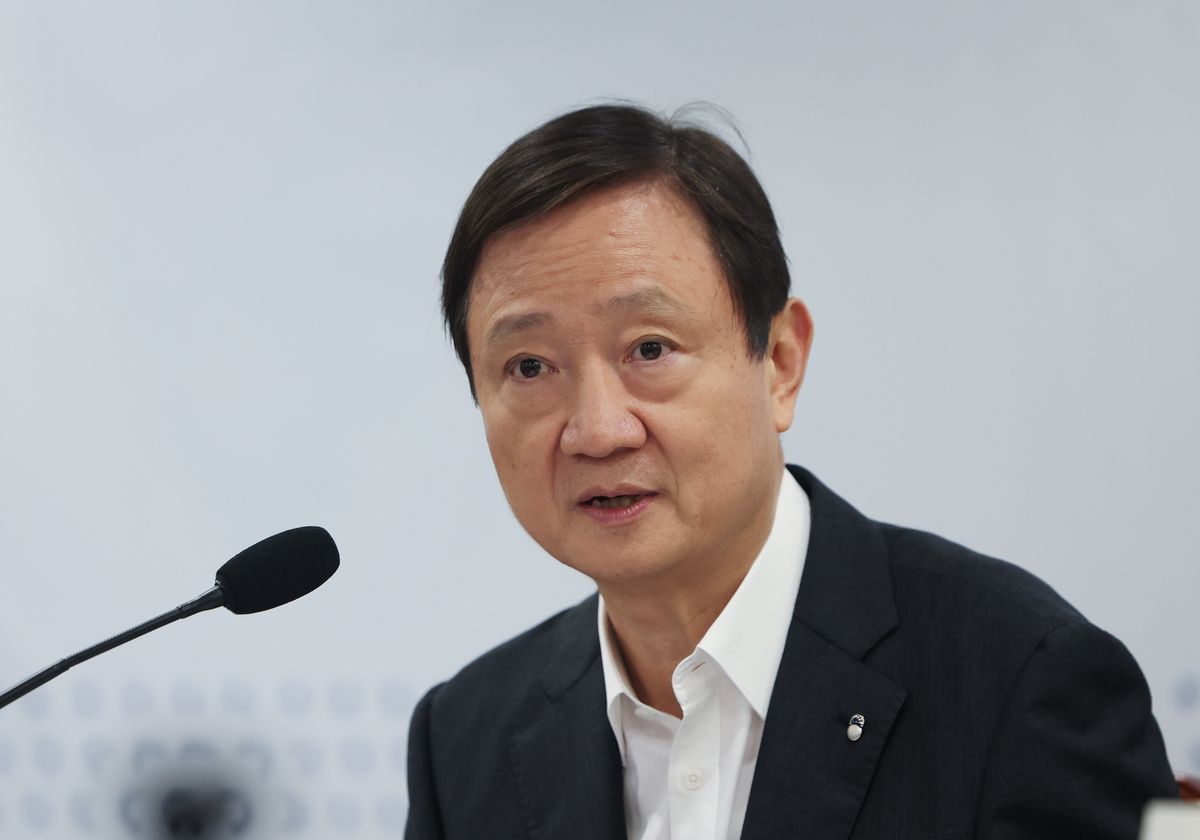
Lee Chan-jin, Chairman of the Financial Services Supervisory Commission (FSS), strongly instructed at a recent financial situation review meeting to thoroughly prepare for the increased volatility in domestic exchange rates and funding markets resulting from the U.S. Federal Reserve’s interest rate hike. This measure is a preemptive step to minimize the ripple effects of the Federal Reserve’s decision to raise its benchmark rate at its Federal Open Market Committee (FOMC) meeting on both domestic and global economies. In fact, Mr. Kim, an office worker residing in Seoul, expressed concern over the recent surge in exchange rates and rising loan interest rates, noting that local small business owners are also in a state of emergency regarding securing funds. Chairman Lee warned of the potential for interest burdens on corporations and households to snowball while closely monitoring domestic capital market trends, including stock prices and exchange rates. Analyses suggest that the market could face significant turbulence due to the convergence of concerns over slowing AI-related investments and the potential outflow of foreign investment funds. This article examines in detail the impact of the U.S. interest rate hike on the domestic financial environment and the response strategies of financial authorities.
=
FSS Chairman Lee Chan-jin Orders Thorough Response to Potential Risks from Interest Rate Hike
1. Background of the U.S. Federal Reserve’s Benchmark Rate Hike
The U.S. Federal Reserve recently held an FOMC meeting and raised its benchmark interest rate by 0.25 percentage points, from 3.50% to 3.75% annually. This decision has sent shockwaves through domestic and global financial markets, as it marks the first rate hike in 3 years and 2 months since July 2023. Fed officials indicated the possibility of another rate hike within the year by projecting the benchmark rate to reach 4.1% by the end of the year. With Japan also highly likely to join the rate-hiking trend, global capital flows are undergoing rapid shifts. Experts unanimously state that these changes in macroeconomic indicators will exert direct and indirect pressure on South Korea, which has an export-driven economic structure. Mr. Park, a representative running a manufacturing business in a local province, confessed that he is losing sleep over the prospect of facing difficulties in securing funds amidst rising raw material import costs.
The U.S. Federal Reserve raised its benchmark interest rate for the first time in 3 years and 2 months, leaving the door open for further hikes within the year.
2. Increased Volatility in Domestic Exchange Rates and Funding Markets
In the aftermath of the U.S. rate hike, the won-dollar exchange rate in the Seoul foreign exchange market has shown a sharp upward trend, burdening import prices and corporate management. As global investment capital flows shift, there are signs of a massive outflow of foreign funds from the domestic stock market, prompting authorities to enter a state of emergency. The FSS is concerned that this increased exchange rate volatility could lead to higher raw material import costs for domestic companies and rising bond issuance rates. Mr. Lee, a representative of a trading company in Mapo-gu, Seoul, stated that he is deeply worried about potential losses in settlements with overseas buyers due to the fluctuating exchange rate. There is a growing call for urgent government-level liquidity supply and monitoring to ensure the smooth functioning of the banking sector’s fund intermediation. Companies are adopting conservative fund management strategies, closely watching for signs of tightness in the short-term funding market while securing cash assets.
Volatility in the domestic funding market has significantly increased due to the sharp rise in exchange rates and concerns over foreign capital outflows.
3. Extension of Stock Market Trading Hours and Investor Protection
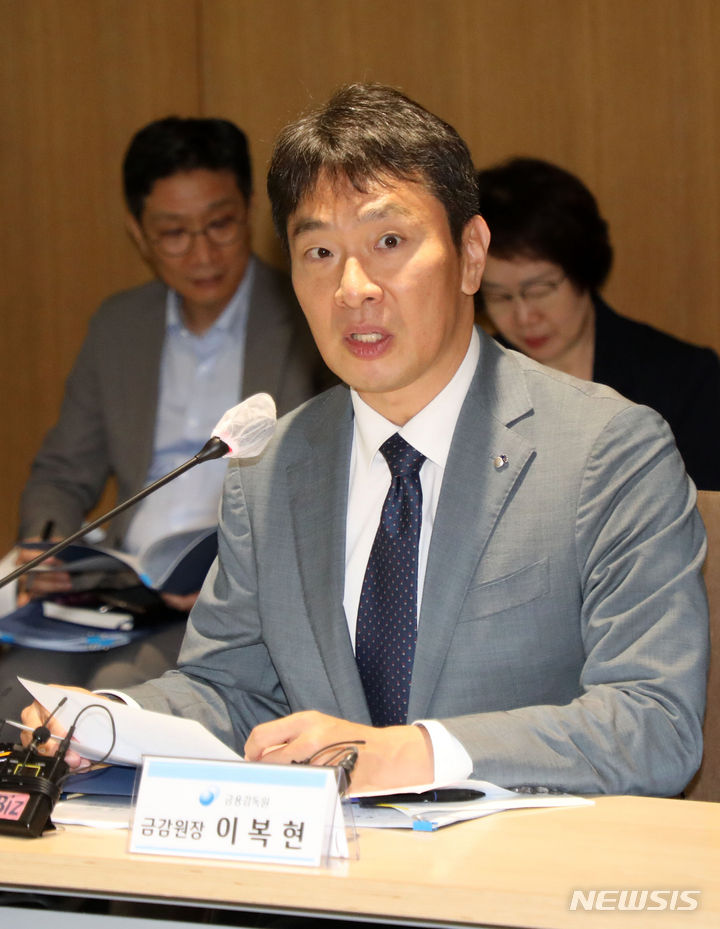
The Korea Exchange has recently drawn attention by launching an after-market session, extending domestic stock market trading hours by four hours from 4:00 PM to 8:00 PM. However, market uncertainty has intensified as the extended trading hours coincide with the U.S. interest rate hike and a cooling of the AI investment boom. FSS Chairman Lee Chan-jin pointed out that these complex factors could encourage retail investors to concentrate on high-risk products. Mr. Choi, an investor in Yeouido, stated that while the longer trading hours allow him to trade after work, he is afraid of suffering significant losses due to market instability. Financial authorities are closely monitoring credit trading trends and strengthening enforcement to ensure that so-called “debt investing” does not threaten household economies. It is widely advised that individual investors should refrain from investing in leveraged products or high-risk derivatives in highly volatile market conditions.
With the extension of stock market trading hours, scrutiny is being intensified regarding retail investors’ concentration on high-risk products and credit trading trends.
4. Concerns Over Increased Financial Burden on Households and Corporations
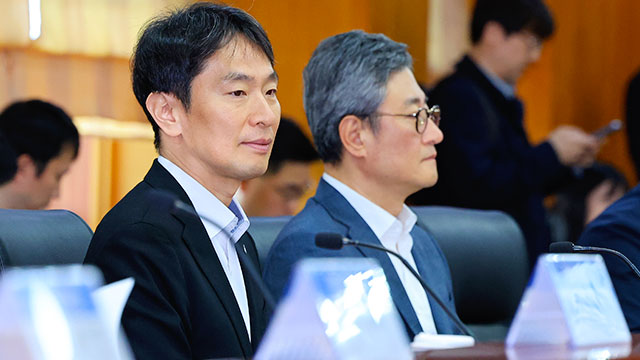
The repercussions of the benchmark rate hike are heavily weighing on the shoulders of “max-out” borrowers and general households carrying loans. Low-income earners using mortgage or credit loans are cutting back on consumption and tightening their belts as their interest repayment burdens increase. Mrs. Jeong, a housewife residing in Gyeonggi Province, lamented that she is in a situation where she must worry not only about grocery prices but also about her rising monthly mortgage interest payments due to her variable-rate loan. Companies are also struggling to secure funds for new facility investments or R&D as corporate bond issuance rates soar. Banks are raising lending standards to defend soundness indicators, which is a primary cause of deepening funding difficulties for small and medium-sized enterprises and self-employed individuals. The government is reviewing tailored debt adjustment programs to prevent vulnerable borrowers and struggling companies from falling into a chain of defaults.
Rising loan interest rates have caused a sharp increase in interest burdens for households and corporations, bringing a chill to the real economy as a whole.
5. Joint Response Stance of Financial Authorities and the Government
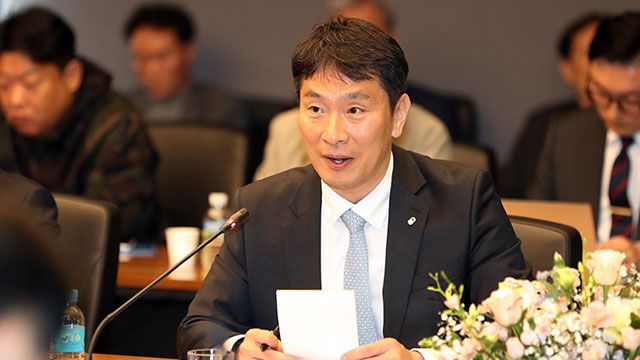
Simultaneously with the FSS’s financial situation review meeting, economic leaders gathered at the Government Seoul Complex to hold a Macro-Economic and Financial Conference. The meeting, chaired by the Deputy Prime Minister and Minister of Finance and Economy, was attended by the Governor of the Bank of Korea, the Chairman of the Financial Services Commission, and the Chairman of the FSS. While they assessed that the impact of the U.S. rate hike on the domestic financial market would be limited, they unanimously agreed that complacency is not an option. Economic experts analyze that the government ministries and monetary authorities acting as a “one team,” sharing market conditions in real-time and responding organically, contributes to market stability. Mr. Kang, a self-employed restaurant owner in Busan, said that seeing the economic leaders gather to discuss countermeasures on the news is reassuring, but he hopes to feel the impact of substantive support measures. The authorities are keeping emergency plans for foreign exchange market supply-demand imbalances and bond market stability in constant operation, making every effort to calm the anxiety of market participants.
Top officials from the Ministry of Finance and Economy, the Bank of Korea, and financial authorities all attended a Macro-Economic and Financial Conference to launch a joint response.
6. Future Market Outlook and the Stance of Economic Actors
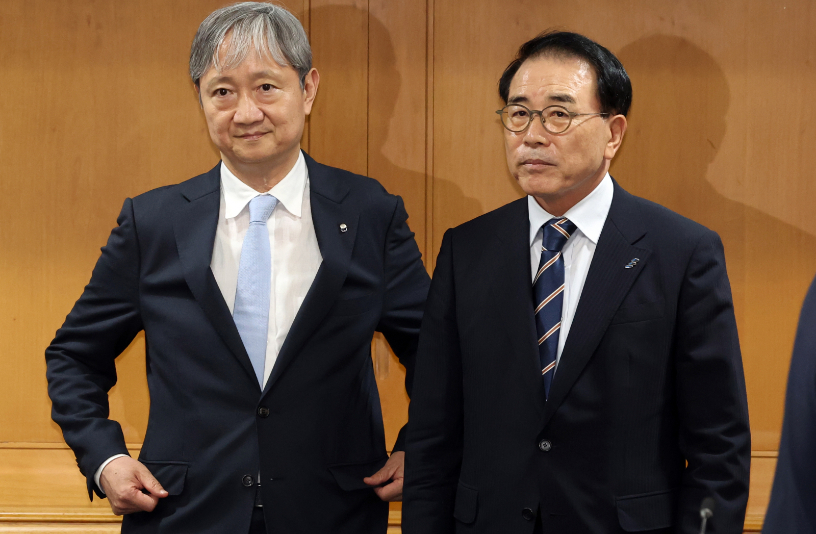
Amid the possibility of further U.S. Federal Reserve rate hikes and a shift in global monetary policy, the domestic financial market is expected to remain in a foggy state of uncertainty for the time being. Experts advise that rather than investing through excessive borrowing, it is essential to focus on solid financial management by securing asset liquidity and reducing debt. A professional who conducts wealth management lectures for office workers emphasized that now is the time for the wisdom to hold cash and confirm the market’s direction rather than aggressively chasing returns. Financial authorities are also operating a constant monitoring system to respond to sudden market risks and plan to strictly punish illegal private finance and market disruption. Readers are advised to periodically check trends in exchange rates and interest rates, review their household debt ratios, and wisely cope with uncertain economic crises. It is recommended to continue safe asset management by paying attention to changes in the government’s macroeconomic policies and announcements from financial authorities.
During times of high uncertainty, one must prepare for potential risks through thorough debt management and liquidity securing.
Frequently Asked Questions
=