
The New Leap Fund, a representative government debt restructuring program, has achieved the remarkable feat of clearing the debts of over 970,000 people as it approaches its first anniversary. For those who found it difficult to get back on their feet economically due to old debts, this is truly a godsend. The program operates by having the Korea Asset Management Corporation (KAMCO) directly purchase and eliminate overdue debts of 50 million won or less that have been outstanding for more than seven years. It is easy to find neighbors who are struggling with their daily lives and suffering mentally due to even small debts. Through this opportunity, a path has opened for many to escape the shackles of debt that have weighed them down, allowing them to prepare for a new life. In this article, we will take a detailed look at how the fund is currently being implemented and what challenges remain ahead.
=
New Leap Fund: Key Details on Debt Forgiveness for 970,000 People with Debts Under 50 Million Won Overdue for 7 Years

1. Background of the New Leap Fund’s Launch and Achievements So Far
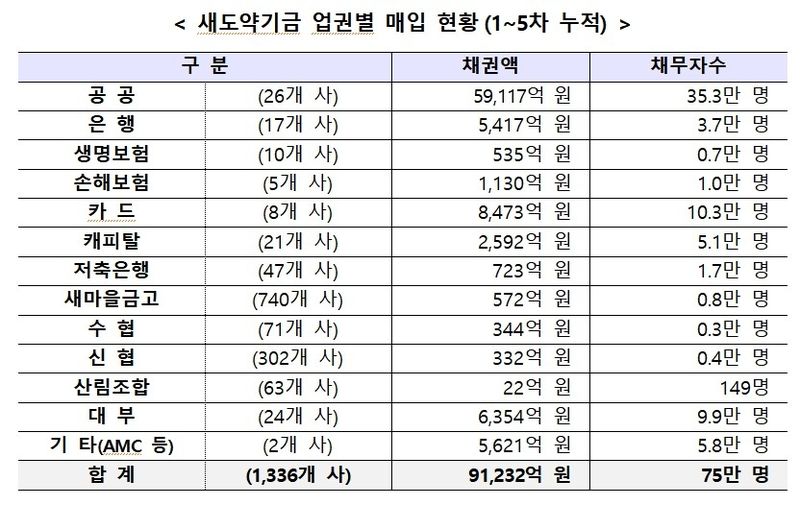
The New Leap Fund was established to relieve long-term delinquents who were unable to recover their credit due to small debts left unpaid for several years. The government made this policy decision to promote economic rehabilitation and has consistently purchased target debts since the program’s launch. According to documents submitted by the Korea Asset Management Corporation to the National Assembly, a significant portion of the targeted total debt amount has already been purchased. In fact, with the number of beneficiaries exceeding 970,000, a strong wave of change is being felt in the real world. In the past, once credit problems arose, a sense of despair dominated, suggesting that one had to live as a debtor for life. However, thanks to the support of this system, a way out is finally emerging. A foundation has been laid for countless people to put down the heavy burden they have carried for years and participate in normal economic activities. The rapid execution of such large-scale debt purchases was possible due to the active cooperation of relevant institutions. Because the state directly took over non-performing debts, the approach is highly rated for its effectiveness.
The New Leap Fund has provided a stepping stone for recovery to over 970,000 people by clearing small debts that have been overdue for more than seven years.
2. The Bright and Dark Sides of Debt Purchase Performance by Industry

A detailed look at debt purchase performance reveals significant differences in progress speed depending on the financial industry. In sectors such as asset management companies and public institutions, where policy cooperation was smooth, purchase rates far exceeded the targets. On the other hand, general financial companies like banks and card companies also showed purchase rates of over 50%, maintaining a relatively cooperative attitude. However, not all sectors progressed smoothly, with some showing notably sluggish performance. In particular, savings banks and loan businesses engaged in a tense tug-of-war with the government during negotiations, citing the possibility of debt recovery. This has caused the overall project schedule to be delayed beyond expectations and has become an obstacle to the full establishment of the system. It is only natural for lenders to want to recover as much as possible, making this conflict a predictable outcome. Nevertheless, organic cooperation from all financial sectors is absolutely essential for the overall success of the policy.
While purchases were active in the public and asset management sectors, savings banks and loan businesses showed relatively low performance.
3. The Reality of the Loan Industry as the Biggest Hurdle
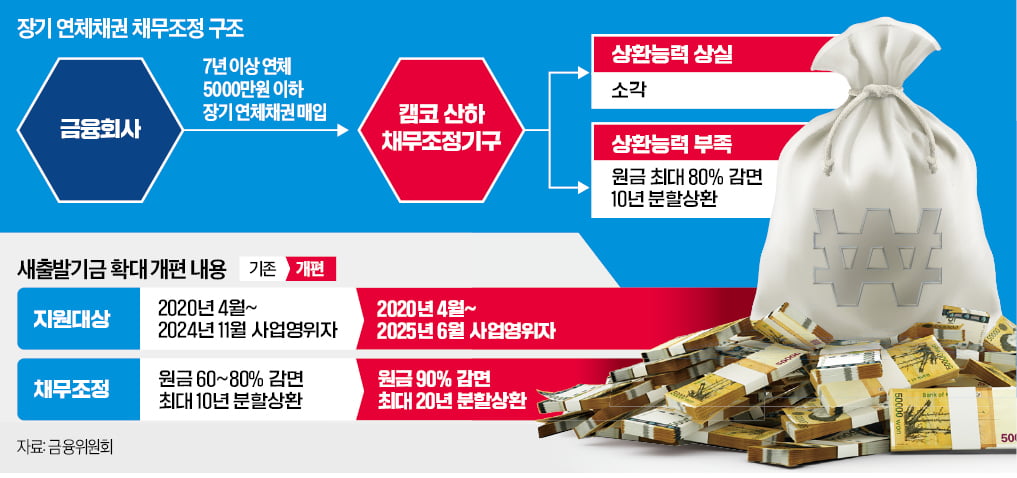
The loan industry has emerged as the biggest challenge in the implementation of the New Leap Fund, holding a significant portion of the target debts. Since a few major loan companies hold the majority of the target debts, complete forgiveness is impossible without their participation. However, loan companies are complaining that the purchase price rate proposed by the government is too low and are demanding additional incentives. From the perspective of financial authorities, it is impossible to simply accommodate all industry demands, so negotiations between the two sides have been in a deadlock for a long time. According to rumors circulating in the market, loan companies want some guarantee of their invested principal, but the authorities are valuing non-performing debts at a low rate. As this gap in perspective remains unresolved, some loan companies are still delaying their participation, causing disruptions to the overall plan. Despite the policy’s good intention of alleviating the suffering of ordinary people, it has failed to achieve complete success due to the barriers of private informal finance. How the government will persuade these companies and find a compromise will be the decisive key to the success or failure of this policy.
Loan companies are dissatisfied with the low purchase price rate and are demanding additional incentives, engaging in a tense negotiation tug-of-war with the government.
4. Future Response Strategies of the Government and Financial Authorities
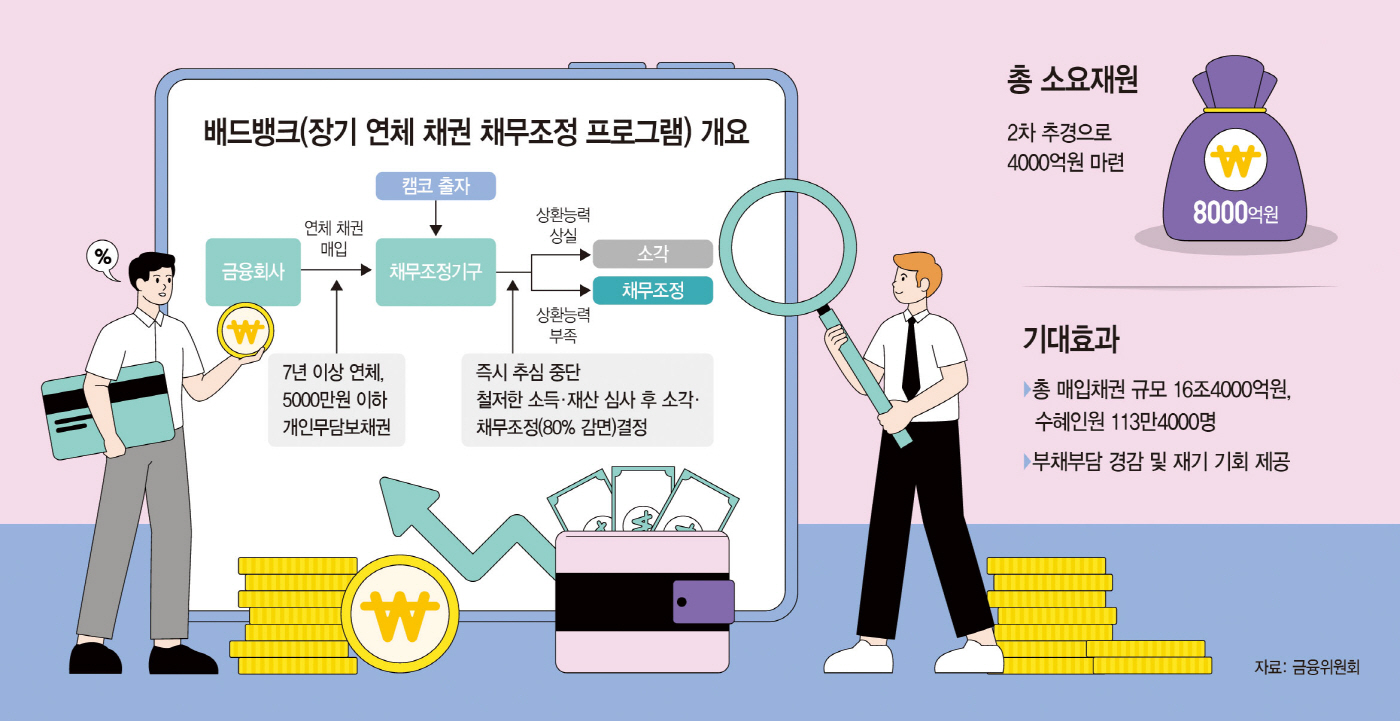
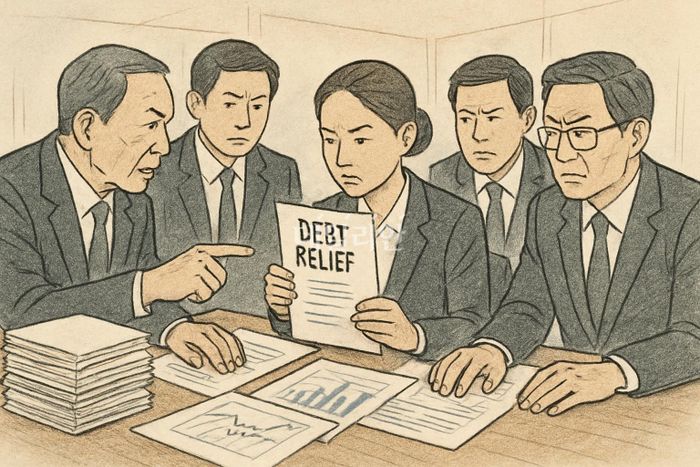
Financial authorities have set an ambitious goal to complete all debt purchase procedures by next month at the latest and have been working with full force. However, due to the difficulties in negotiations with the loan industry, it appears virtually impossible to complete the entire task within the set deadline. According to an official from the authorities, the collection of debts from financial sectors other than loan businesses is mostly complete. Ultimately, the key lies in how to handle the remaining overdue debts from loan companies, and both sides show no sign of easily yielding. The authorities are considering adjusting the purchase price within a reasonable range, but it is not easy to accept market demands. This is because, with public funds being invested, buying non-performing debts at excessively high prices could lead to controversy over special favors. Amid these complex interests, staff from the responsible ministries are holding meetings daily to find common ground. Given the high expectations of the public, the policy is to carefully examine the details and make prudent decisions rather than rushing to shorten the schedule.
The originally scheduled completion of debt purchases by next month is likely to be delayed due to ongoing negotiations with loan companies.
5. Policy Limitations and the Market’s Sharp Gaze
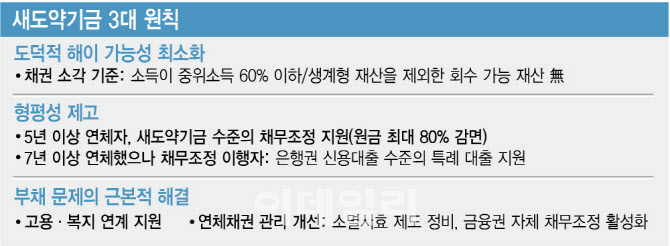
The large-scale debt write-off program led by the government does not receive only positive evaluations; sharp critical voices are also emerging. Among politicians and experts, there are criticisms that it is “show administration” that only boasts of the scale of forgiveness without properly reflecting market realities. In fact, while the sectors of public institutions and asset management companies were easy to control and progressed quickly, the private sector consists of strict profit-seeking groups. Since private creditors who operate according to market logic cannot be forced, critics argue that the policy’s effectiveness is inevitably diminished. Additionally, the issue of fairness compared to the general public who have diligently repaid their debts is consistently raised, leaving a spark for social conflict. This is why voices are emerging asking whether those who worked hard and honestly repaid their debts are being treated as fools. The government humbly accepts these criticisms while arguing that it cannot leave those who have become economically marginalized due to long-term delinquency unattended. As the policy is supplemented in the future, it is most important to strike a balance between the controversy of moral hazard and the proper functioning of the market.
Criticism continues that the policy chased forgiveness results without considering market realities, along with controversy over fairness with diligent repayors.
6. Future Outlook and Advice for Debtors
Although the New Leap Fund may take more time to fully conclude due to the non-cooperation of some private companies, it is a meaningful step in itself. The fact that over 970,000 people have been given the opportunity to design a new life is sufficient proof of the policy’s value. If the remaining debts from the loan industry are resolved smoothly, the chronic non-performing debt problem in the Korean financial market will be significantly alleviated. Those who have suffered due to debt should now find the courage to check their credit status and actively look into relief systems. If they knock on the door of various debt restructuring programs supported by the government, they often find solutions more easily than expected. I sincerely hope that they will not be intimidated by the gazes of others, but will confidently enjoy the benefits of the system and hold onto the hope of standing up again. We must not forget that the economy of the entire nation can only become solid when the ordinary people, the backbone of the Korean economy, recover healthily. I encourage all debtors to use this opportunity as a stepping stone to completely break free from the shackles of debt and regain a happy daily life.
We expect that by properly resolving the remaining tasks, more long-term delinquents will receive substantial benefits and achieve economic rehabilitation.
Frequently Asked Questions
=