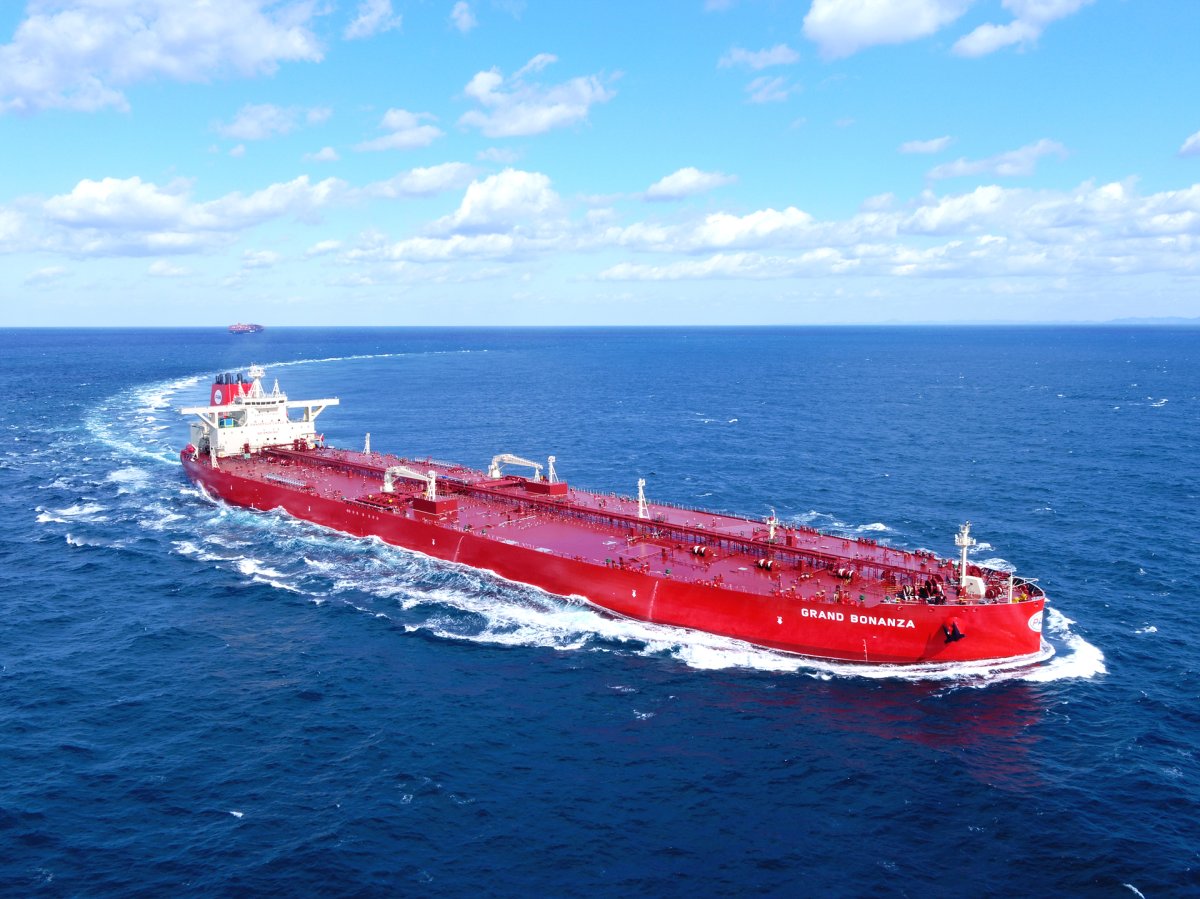
Pan Ocean is entering a phase where its earnings resilience has significantly improved, as it moves beyond its traditional bulk carrier-centric business model to aggressively increase its share in energy transportation, including very large crude carriers (VLCCs) and liquefied natural gas (LNG) carriers. The securities industry evaluates Pan Ocean as having simultaneously secured the inherent stability of bulk carriers and the growth momentum from expanding energy transport, anticipating a re-rating of its performance. Indeed, the company’s annual revenue and operating profit are expected to surge significantly compared to the previous year, drawing intense attention from the shipping industry. It is intriguing to explore the secrets behind its successful diversification of revenue sources, breaking the mold of traditional shipping companies. In this article, we will meticulously examine the background of Pan Ocean’s fleet expansion and the performance contribution of each business segment. Based on specific figures, let us look together at what kind of resilience this company will demonstrate in the future shipping market.
=
Pan Ocean Expands Fleet from 5 to 14 Vessels: Why Its Earnings Resilience Has Improved
1. The Significance of the Major Expansion of the VLCC Fleet
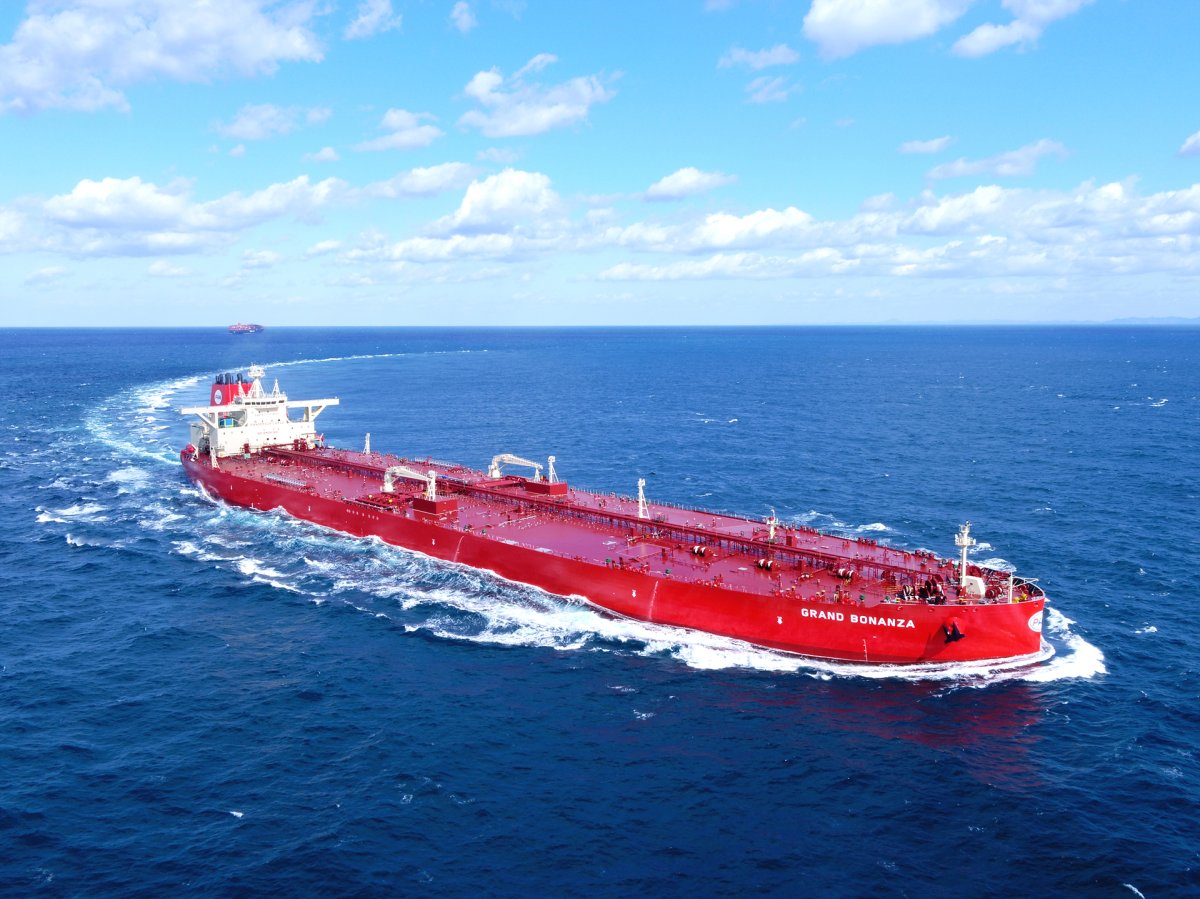
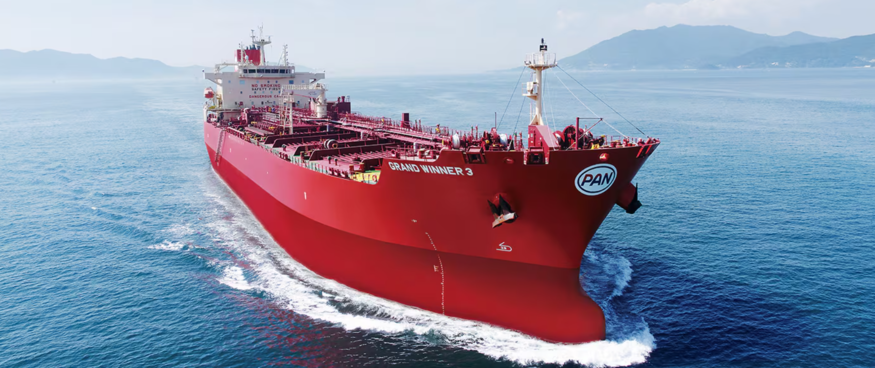
Pan Ocean’s fleet of very large crude carriers (VLCCs) is scheduled to increase substantially from 5 vessels as of the end of the second quarter this year to 14 vessels next year. The scale is expanding rapidly due to the combination of 10 vessels to be acquired from SK Shipping, existing long-term contract volumes with S-Oil, and newly deployed newbuilds. In particular, just the two newbuilds scheduled to enter the spot market in the second half of next year are estimated to provide a significant boost to annual operating profits. It is widely forecast that the operating profit for the entire crude carrier segment will also grow sharply by more than double digits. As the fleet size surges vertically, the company’s overall profit-generating capability has entered a completely different dimension from the past.
Pan Ocean is decisively boosting its earnings resilience by significantly increasing its VLCC fleet from 5 to 14 vessels.
2. Analysis of the Favorable International Crude Oil Logistics Environment
The current international crude oil logistics market is trending very favorably for shipping companies. As geopolitical risks in the Middle East persist, the proportion of crude oil procurement from long-distance regions such as the United States and Africa has naturally increased. As transportation distances lengthen, the burden on vessel supply increases, acting as a key factor driving up freight rates. Additionally, due to the issue of sanctioned “shadow fleets,” the number of effectively operable vessels is limited, creating an atmosphere where strong freight rates are not easily reversed. Since the delivery of newly ordered vessels worldwide is concentrated several years in the future, a supply shortage is expected to continue for the time being.
A favorable business environment has been created as strong VLCC freight rates are maintained due to increased long-distance procurement and supply constraints.
3. The Role of LNG Carriers as a Reliable Cash Cow
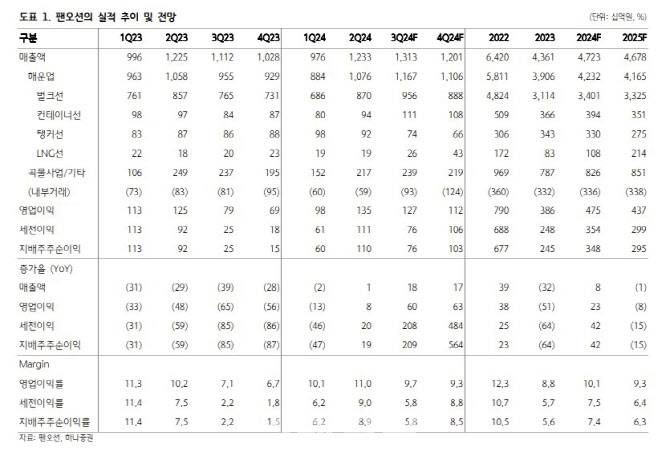
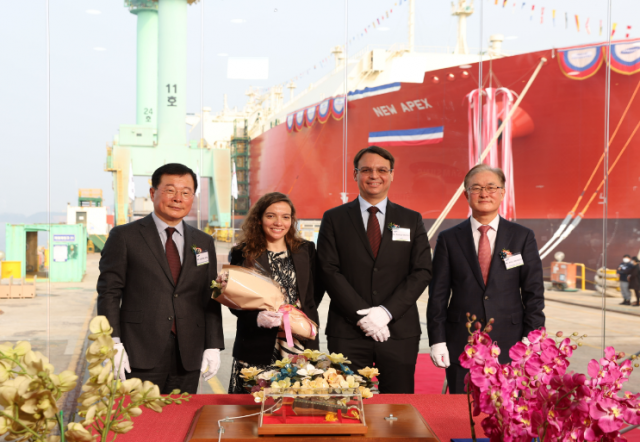
The 13 LNG carriers in Pan Ocean’s fleet are playing a crucial role as a reliable source of cash generation. Since most of these vessels are tied up in long-term time charter contracts, they provide steady profits regardless of market fluctuations. In fact, this segment alone is expected to stably generate annual operating profits of several hundred billion won over the next few years. Notably, the segment boasts exceptional profitability, with operating profit margins easily exceeding 40%. This LNG carrier segment solidly compensates for the weakness of the general shipping industry, which is sensitive to market volatility.
LNG carriers are maximizing performance stability by recording high operating profit margins based on long-term contracts.
4. The Robust Profit Structure of the Core Bulk Carrier Business
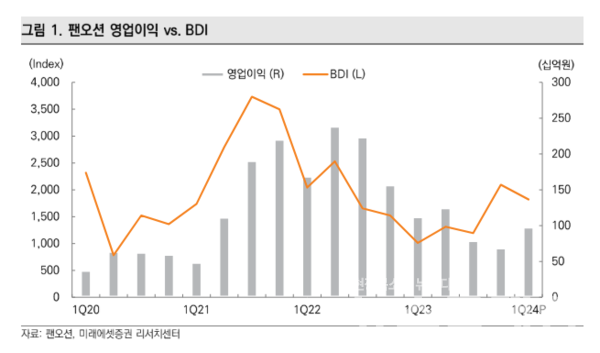
Even as the share of energy transportation grows, the traditional core business of bulk carriers continues to support solid performance without wavering. A significant portion of Pan Ocean’s bulk carrier fleet is engaged in long-term contracts, generating stable profits consistently regardless of market fluctuations. For the remaining spot vessels, the break-even point is set relatively low, meaning that given current shipping freight rates, the structure allows for substantial profits. The company has established a perfect dual structure: generating explosive profits when the market is good, and having long-term contracts act as a shield when the market is poor. As uncertainty in the shipping industry increases, one can feel how powerful this stable portfolio diversification strategy is as a weapon.
The structure of the bulk carrier segment, which supports the downside with long-term contracts and generates high returns with remaining spot vessels, is very robust.
5. This Year’s Annual Performance Outlook and Steep Growth Trend
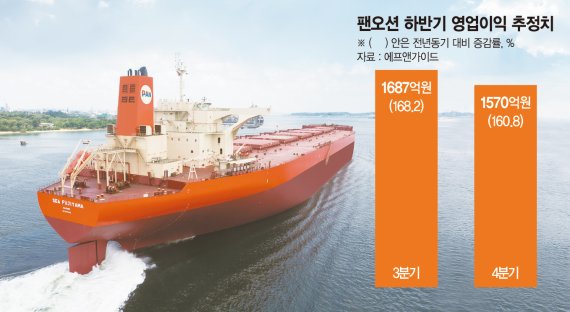
The securities industry, including Eugene Investment Securities, forecasts that Pan Ocean’s annual revenue and operating profit this year will increase by a tremendous margin compared to the previous year. Even if variables from the Middle East are resolved and freight rates normalize somewhat, the increased VLCCs and LNG carriers will firmly support profits. In the past, if the bulk carrier market deteriorated, the company’s overall performance would collapse, but thanks to a complete change in its fundamental structure, the performance benchmark has now risen. As the burden of capital expenditures gradually eases, expanded shareholder return policies and a re-evaluation of corporate value can be expected. For investors, it is time to view the company not as a simple shipping theme stock, but as a high-quality energy transportation company with guaranteed performance.
Revenue and operating profit are expected to increase significantly, and a value re-rating is anticipated due to business portfolio diversification.
6. Future Outlook and Action Guidelines from an Investment Perspective
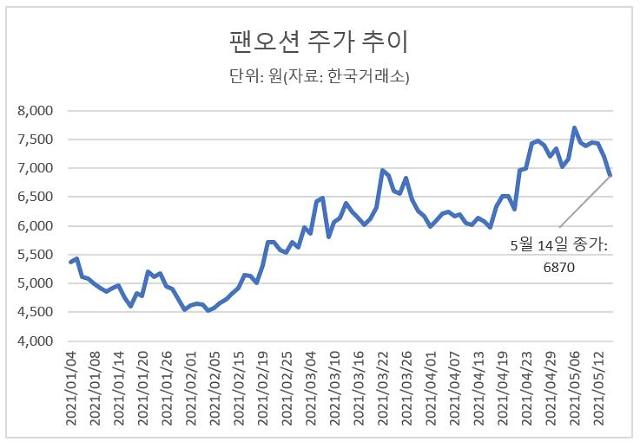
Ultimately, Pan Ocean has successfully transformed from a simple bulk shipping company of the past into a comprehensive energy transportation enterprise. The process of expanding the fleet from five to fourteen vessels signifies a fundamental change in earnings resilience, going beyond mere scale expansion. Investors should focus on the profit generation structure based on long-term contracts rather than reacting emotionally to short-term fluctuations in freight rate indicators. It is advisable to develop the habit of carefully checking quarterly reports to see how the diversified portfolio is proven in performance. Please closely observe how companies that have completed fundamental improvements will perform in terms of stock price trends amid changes in the shipping market. Thorough analysis and a data-driven approach are the only shortcuts to achieving successful investment results in a highly volatile market.
One should approach calmly from a portfolio perspective, trusting in the long-term growth momentum of Pan Ocean, which has successfully improved its fundamentals.
Frequently Asked Questions
=