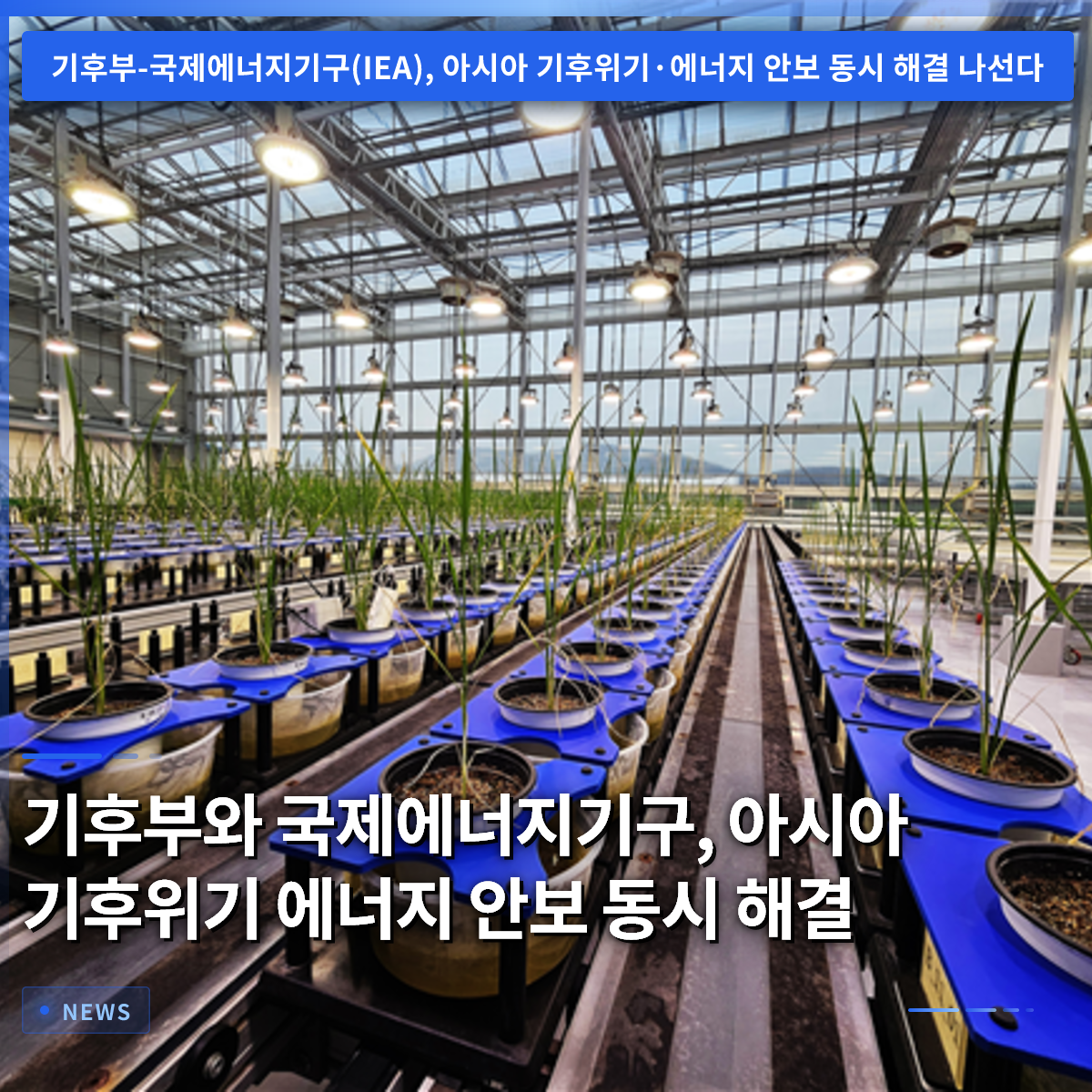
The Ministry of Climate, Energy and Environment signed a Memorandum of Understanding (MOU) with the International Energy Agency (IEA) in Seoul on the 17th to strengthen climate crisis response and energy security in the Asian region. This collaboration represents an innovative step toward overcoming two massive crises simultaneously: energy supply instability stemming from the Middle East and global climate disasters. In fact, as tensions in the Middle East escalate, Asian countries with high dependence on fossil fuels are exposed to the risk of supply chain disruptions that could erupt at any moment. At the same time, the rapid spread of artificial intelligence technology and the construction of data centers have led to an explosive increase in electricity consumption, making the securing of a stable power grid more urgent than ever. As unpredictable climate disasters, such as the massive floods in Nepal, become a daily reality, the need for cross-border joint responses is being emphasized. Therefore, the resilient and integrated Asian energy security cooperation framework being promoted this time is expected to provide practical solutions rather than mere slogans.
=
Ministry of Climate and the IEA to Simultaneously Address Asia’s Climate Crisis and Energy Security
1. Concrete Implementation of International Proposals
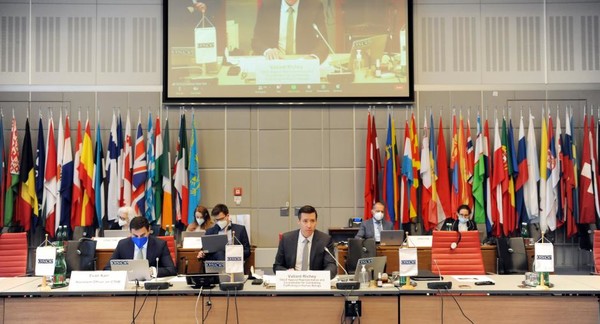
The vision proposed by President Lee Jae-myung at the G7 Summit to strengthen the resilience of energy supply chains in the Asia-Pacific region has finally borne fruit. At the time, the international community expressed strong resonance with Korea’s leading vision, and the signing of this MOU marks a historic moment in fully executing those follow-up measures. This cooperation, realized through deep discussions between Fatih Birol, Executive Director of the IEA, and President Lee Jae-myung, goes beyond mere diplomatic rhetoric. In the rapidly changing international landscape, it will serve as a catalyst for fundamentally restructuring the vulnerable energy structure of the Asian region and building a future-oriented supply chain. By establishing joint response systems, Asian countries will erect a robust defense shield that remains unshaken by external shocks. Consequently, the Republic of Korea is establishing itself as a true model nation leading the international community in climate and energy fields. A exemplary case is being created where visions discussed in various international conferences are directly translated into on-site operations and policies. Field practitioners and experts are meticulously refining detailed implementation plans to ensure this agreement yields substantial results.
The vision for strengthening energy supply chains proposed at the G7 Summit has been concretized through the signing of the MOU.
2. Middle East-Induced Energy Shocks and Vulnerability

Currently, Asian countries face the critical threat of fossil fuel supply disruptions due to political instability in the Middle East. They possess a vulnerable structure where even minor issues in importing oil and gas can paralyze the entire domestic industry. Energy shocks triggered in the Middle East go beyond simply rising oil prices, leading to factory shutdowns and inflation that directly hit the livelihoods of ordinary citizens. In this situation, the limits of individual responses by Asian countries are clear, necessitating the building of a united front in solidarity with international organizations. This joint effort between Korea and the IEA will serve as a sturdy shield preventing crises in specific regions from spreading across all of Asia. Effective measures such as diversifying energy imports and jointly utilizing strategic oil reserves are expected to gain further momentum through this cooperation. From the gas prices felt at the pump to the heating and electricity bills paid by businesses, our entire lives are deeply connected to the movements of the global energy market. Therefore, this joint response is akin to a lifeline that alleviates the livelihood burden on citizens and safeguards the fundamental strength of the national economy.
Close coordination between Asian countries and international organizations is essential to address energy supply instability originating from the Middle East.
3. Surging Power Demand and Electrification
The rapid growth of the artificial intelligence industry has led to the proliferation of data centers that consume massive amounts of electricity, raising concerns about power shortages. An era has arrived where stable and flexible power supply without a single interruption is essential to sustain advanced industries. Consequently, electrification strategies, which involve transitioning from a fossil fuel-centric energy consumption structure to converting all energy into electricity, have emerged as a core task. Korea and the IEA plan to disseminate technologies that enhance power system stability and intelligently manage power grids to Asian countries. Technologies that minimize power loss and efficiently distribute renewable energy are the decisive keys to determining future industrial competitiveness. The construction of a massive transnational network that connects national power grids and allows for power sharing in emergencies is becoming a tangible reality. From the smartphones and computers we use daily to electric vehicles running on the roads, all the driving forces of our society are powered by electricity. If we do not dramatically increase power generation capacity to keep pace with this rate of change, we may face an unprecedented situation of power shortage.
Electrification-centric measures are urgently needed to meet the surging power demand driven by the expansion of AI and advanced industries.
4. Extreme Climate Disasters and Transnational Crises
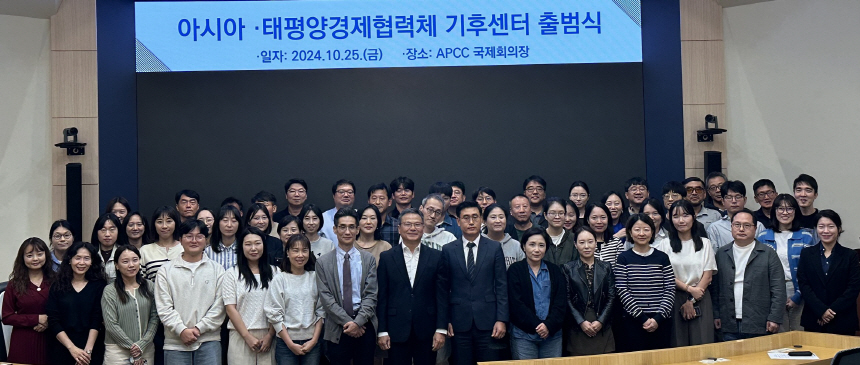
Recently, the entire Asian region is suffering from extreme climate disasters, such as unimaginable floods and droughts, due to the effects of global warming. The climate crisis is a global issue that cannot be solved by the efforts of a single country and brings damage regardless of borders. Like the major flood disaster in Nepal, natural disasters can instantly destroy power plants and transmission towers, plunging millions of citizens into darkness. When energy infrastructure collapses under climate disasters, the entire social function is paralyzed, making the urgent construction of resilient facilities necessary. The Ministry of Climate, Energy and Environment and the IEA view climate crisis response and energy security as two sides of the same coin that cannot be separated. Building a disaster-resilient power grid and accelerating the transition to eco-friendly energy is the only way to solve both problems simultaneously. The sight of houses submerged in water and electricity cut off due to heavy rain, making daily life impossible, is not someone else’s problem for us. As the pace of climate change accelerates, our energy infrastructure must be designed to be more robust and flexible to ensure safety.
Transnational climate crisis response and resilience enhancement are required to counter the destruction of energy infrastructure caused by climate disasters.
5. Asian Energy Security Cooperation Framework
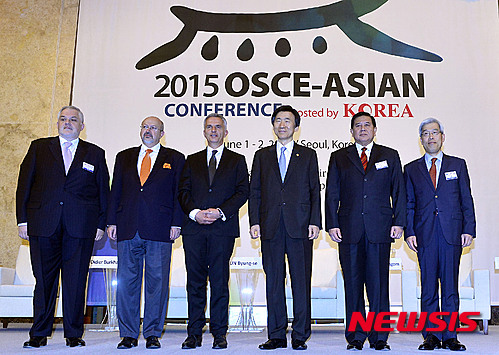
The resilient and integrated Asian energy security cooperation framework being fully promoted this time contains a very systematic roadmap. It comprehensively diagnoses all energy vulnerabilities in the Asian region, from traditional resource supply methods to the stability of the latest power systems. Experts from various countries are pooling their knowledge to build capacity for responding to energy crises and focusing on maximizing the resilience of power grids. Going beyond mere advice, they provide generous technical support and policy consultation that can be applied in real-world settings. They help Asian developing countries cultivate the self-reliance to stably secure their own energy and respond to the climate crisis. The Republic of Korea will generously share its accumulated know-how in smart grids and eco-friendly energy technology with its Asian neighbors. If neighboring countries solidify their energy security, economic stability across all of Asia will be achieved, which will also positively impact the improvement of our country’s export environment. Walking a path of mutual prosperity is the true meaning of diplomatic achievement and a pragmatic diplomatic strategy.
A cooperation framework to enhance Asia-wide energy crisis response capabilities, from traditional resource supply to power grid stability, is being fully launched.
6. A Future of Mutual Prosperity and Practical Tasks
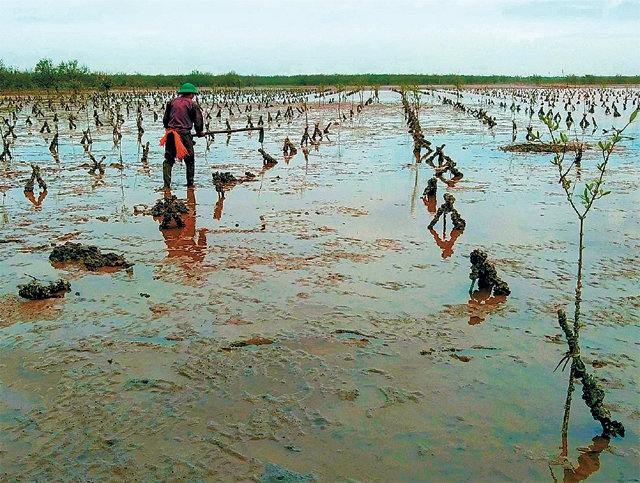
The joint efforts of the Ministry of Climate, Energy and Environment and the IEA will serve as a lighthouse illuminating a sustainable future for Asia. To overcome the massive waves of the climate crisis and energy security, the interest and participation of not only the government and international organizations but also all citizens are needed. Small practices, such as saving energy in daily life and choosing eco-friendly products, can gather to create a wave of great change. The government will continue to do its best to ensure that the people of the Republic of Korea enjoy safe and abundant energy, based on solid cooperation with the international community. Our continuous support is required for this cooperation, which leads to peace and stability in the Asian region, to be successfully established. Thorough preparation must continue so that the words “climate disaster” and “energy shortage” do not threaten us in the coming future. The steps we take now hold immense value for a clean and safe planet where our children will live. We hope that all members of our society will take this as an opportunity to practice energy conservation and an eco-friendly lifestyle in their daily lives, in line with the government’s policy efforts.
Based on the cooperation between the government and international organizations, we are overcoming Asia’s climate crisis and opening a sustainable future.
Frequently Asked Questions
=