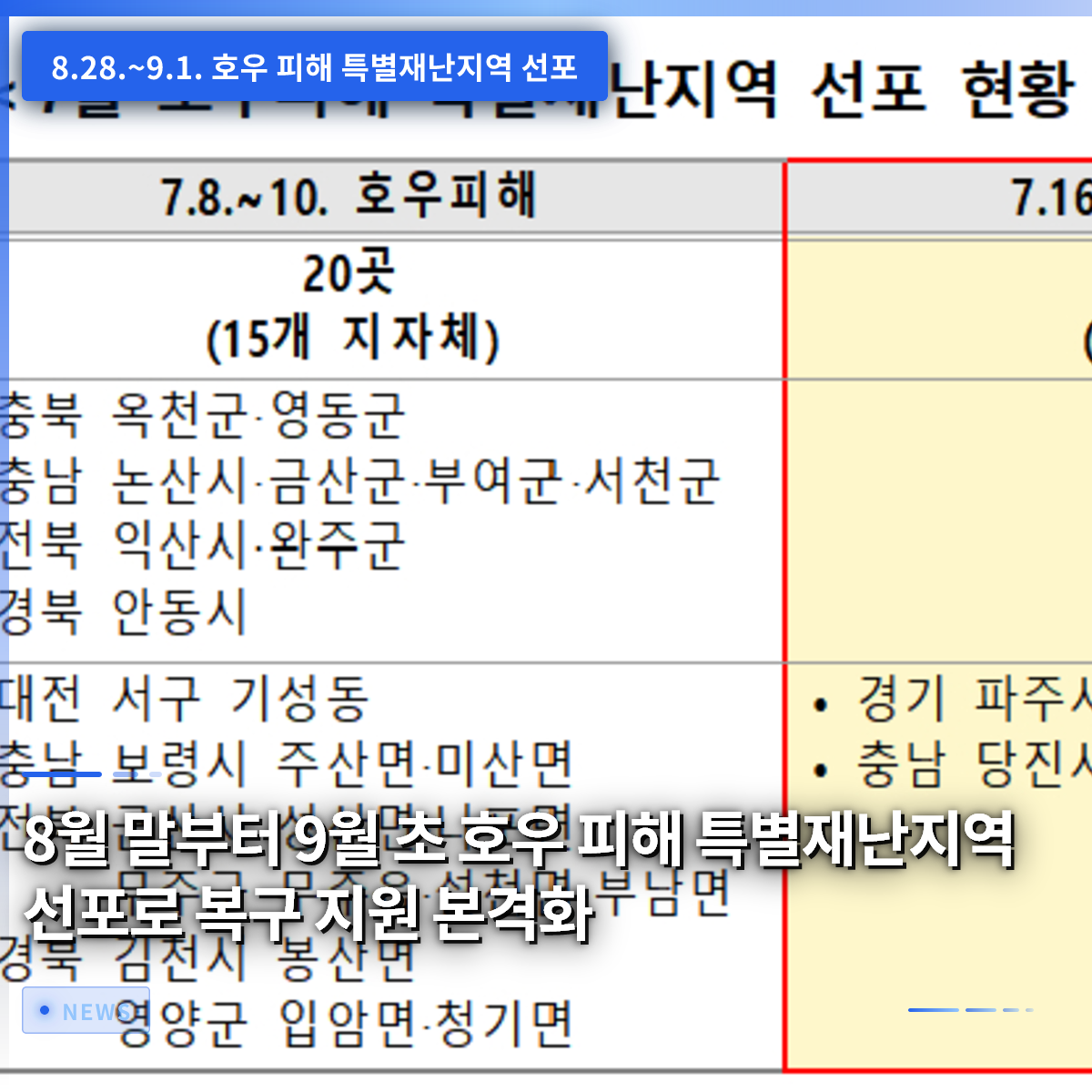
Local governments that suffered significant damage from the heavy rains between late August and early September have been designated as special disaster zones by the government, accelerating support for the restoration of daily life. This measure was established to provide practical assistance to residents who lost their livelihoods due to sudden torrential rains, including house flooding and the loss of farmland. The Ministry of the Interior and Safety promptly investigated the scale of the damage and finalized the target areas after deliberation by the Central Disaster Management Headquarters. Fortunately, this announcement has created the conditions for active national funding to be injected into sites where recovery was daunting using only local government budgets. Therefore, this article will provide a detailed overview of the specific implications of the special disaster zone declaration for this rainfall damage and the upcoming support measures.
=
Full-scale Recovery Support Begins with Special Disaster Zone Declaration for Late August to Early September Rainfall Damage
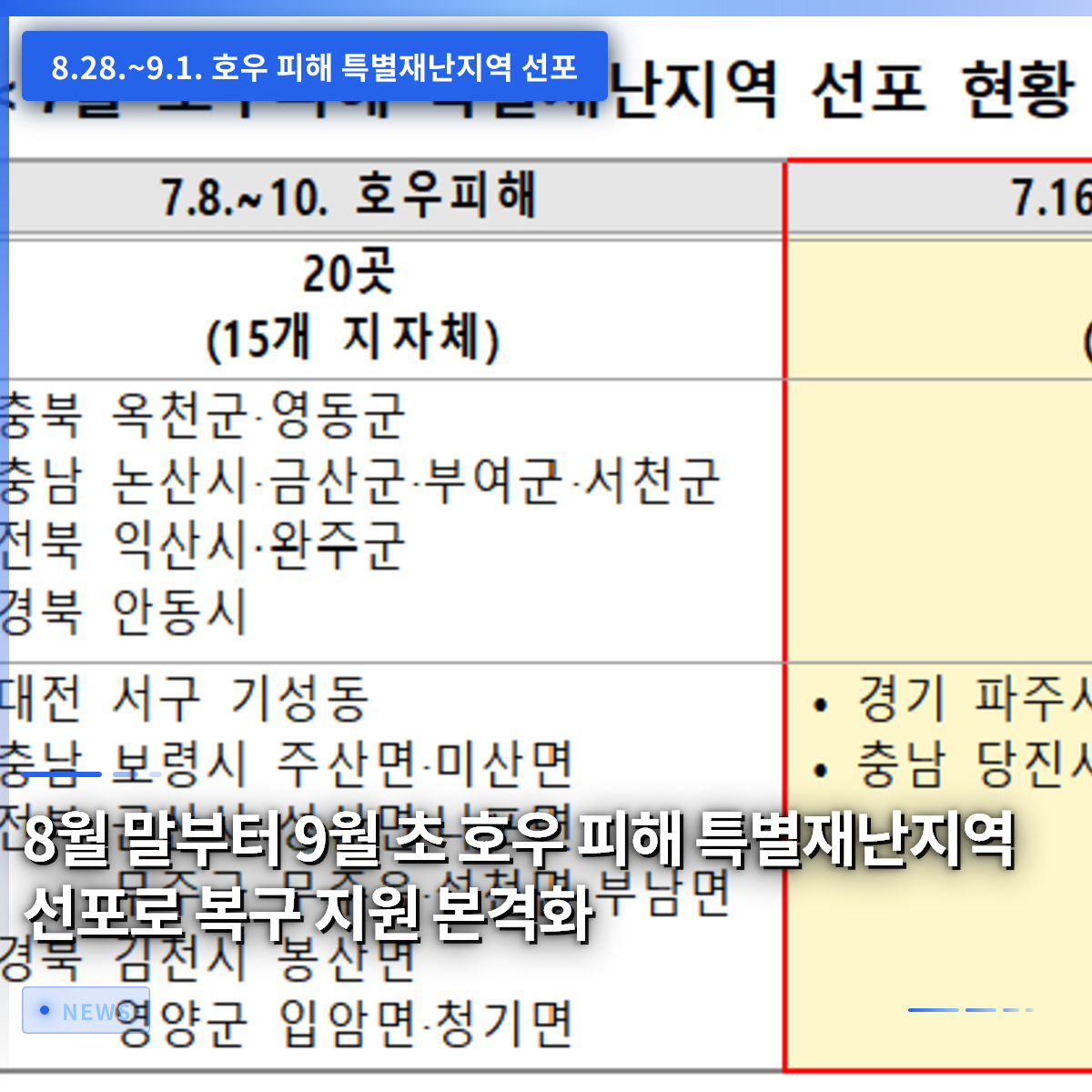
1. The Meaning and Background of the Special Disaster Zone Declaration
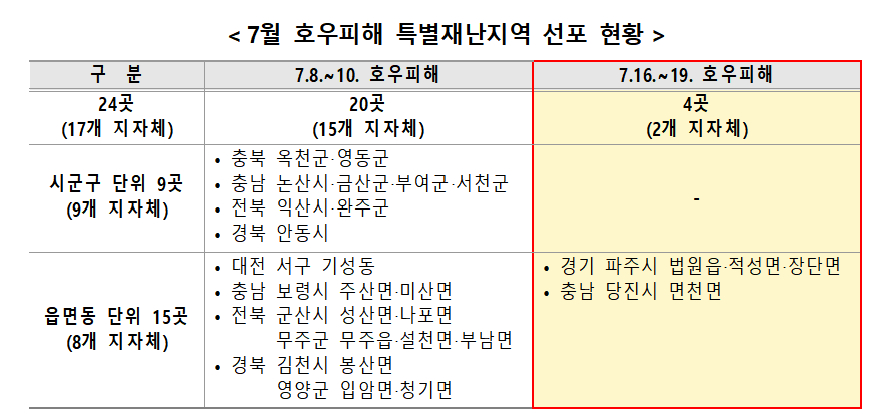
Unprecedented heavy rains swept across the entire Korean Peninsula from late August to early September, causing severe property damage in numerous areas. Rapidly rising waters severed roads, collapsed bridges, and submerged commercial districts and homes, resulting in extreme hardship for residents. The government took this situation seriously and meticulously assessed the conditions of the affected areas based on prompt on-site investigations. As a result, it was determined that recovery efforts were impossible with only the financial capacity of local governments, leading to the decision for national-level support.
The special disaster zone system declared this time is a core national mechanism that goes beyond mere consolation to significantly alleviate financial burdens. It serves as an opportunity for comprehensive administrative and financial support to help affected residents return to their livelihoods as quickly as possible. In particular, it is expected to relieve the financial pressure on local governments that struggled to secure recovery equipment in a timely manner due to budget constraints. Going forward, each local government plans to accelerate recovery work through close cooperation with central government ministries.
A special disaster zone has been declared to provide national-level support for the damage caused by the heavy rains in late August and early September.
2. Practical Support Benefits for Residents

Upon designation as a special disaster zone, affected residents are prioritized for tax benefits such as local tax exemptions or payment deferrals. Alongside this, measures to reduce public utility bills directly related to daily life, such as health insurance premiums, electricity, and communication fees, are also implemented. Livelihood support funds are promptly paid to households whose income was cut off by the sudden disaster, helping them secure immediate food, clothing, and shelter. Additionally, for farmers whose farmland or greenhouses were damaged, measures such as deferring the repayment of agricultural funds and reducing interest rates are being carried out concurrently.
This support is not merely a temporary fix but provides a solid foundation for residents to rebuild. For example, small business owners who suffered flood damage can borrow emergency business stabilization funds at low interest rates to reopen their shops. The government and local authorities are strengthening on-site administrative services to ensure that affected residents do not miss out on support due to complex procedures. The core objective of this support is to meticulously attend to every case, mobilizing all administrative resources to ensure no one is left behind.
Residents in special disaster zones receive various benefits, including tax reductions, public utility bill discounts, and livelihood support funds.
3. Public Facility Recovery and Expansion of National Funding Ratios
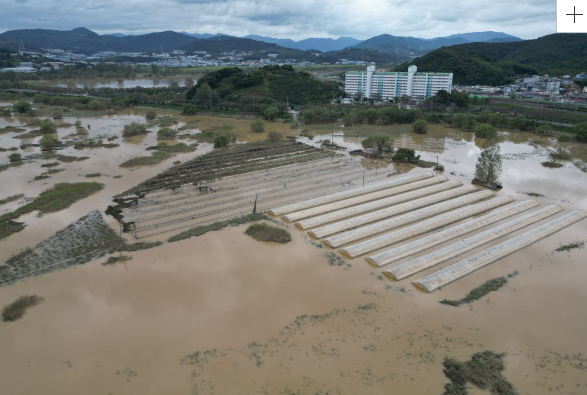
In addition to supporting individual victims, massive national funds are being invested in the recovery of destroyed public facilities such as roads, rivers, and water and sewage systems. Since a significant portion of the recovery costs that local governments would otherwise have to bear is supported by the national treasury, concerns about fiscal bankruptcy are alleviated. For example, at landslide recovery sites, specialized equipment and personnel are deployed in large numbers to swiftly carry out construction work to prevent secondary damage. During this process, the latest construction methods are applied to build robust disaster prevention facilities that can withstand similar heavy rains in the future.
The prompt recovery of public facilities plays a decisive role in normalizing residents’ daily movements and logistics flows. Residents who had to detour due to broken bridges can now safely cross to commute to school and work. Furthermore, the reopening of agricultural product distribution routes helps minimize economic losses for farming households. The government plans to regularly inspect and monitor sites to ensure that recovery projects are not carried out shoddily.
Expanded national funding for the recovery of destroyed public facilities reduces the burden on local governments and enables swift construction.
4. Guide to Damage Reporting and Recovery Application Procedures
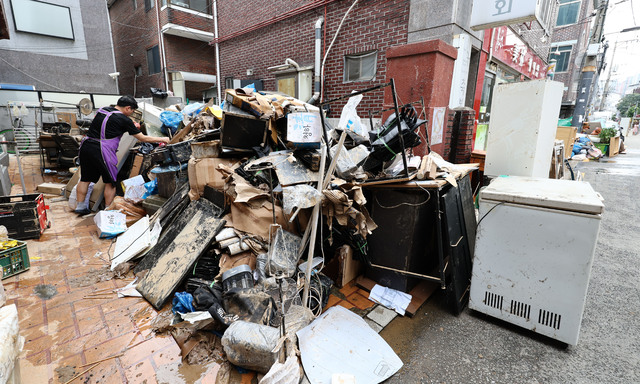
Residents who were affected by this rainfall but have not yet completed their reports should visit their local neighborhood center (eup, myeon, or dong) as soon as possible to file their claims. To accurately prove the damage, it is advisable to prepare photos of the flooded site or a list of damaged items in advance. The Ministry of the Interior and Safety provides detailed guidance on application periods and required document formats through its website and dedicated channels. On-site reporting services are also available where officials visit directly to assist elderly residents or those with mobility difficulties who find it hard to visit in person.
Once a report is filed, the responsible department visits the site to objectively verify and finalize the scale of the damage. Residents must actively cooperate during this process to ensure no details are omitted, which facilitates the smooth receipt of compensation. Occasionally, applications are submitted past the deadline; however, strictly adhering to the designated reporting period is essential to avoid any disadvantages. Local governments are concentrating their administrative resources to complete the review of filed cases swiftly and disburse support funds as quickly as possible.
Affected residents must report the damage and submit necessary documents through their neighborhood center within the designated deadline.
5. Strengthening Future Disaster Response and Prevention Measures

Taking this special disaster zone declaration as an opportunity, the government is not limiting itself to post-disaster recovery but is restructuring the fundamental disaster prevention system. As climate change leads to frequent extreme heavy rains with different characteristics than in the past, corresponding disaster prevention standards are required. Large-scale maintenance projects are being promoted in areas prone to frequent flooding, including the significant expansion of drainage pump stations and the widening of river channels. The real-time alert system for residents is being upgraded to ensure thorough preparation so that the golden hour is not missed in critical situations.
Additionally, repetitive practical training is being conducted for disaster management officials to enhance their on-site response capabilities. Programs to actively promote and educate on safety guidelines are being expanded so that local residents can protect their own safety. A system of close cooperation between the public and private sectors is being established to build a foundation for swift evacuation and recovery when disasters occur. These efforts will collectively serve as a robust shield to safely protect the lives and property of the nation from future natural disasters.
The government is strengthening disaster prevention measures, including maintenance of frequently flooded areas and upgrading the alert system, using this incident as a lesson.
6. Recommendations and Outlook for Successful Recovery
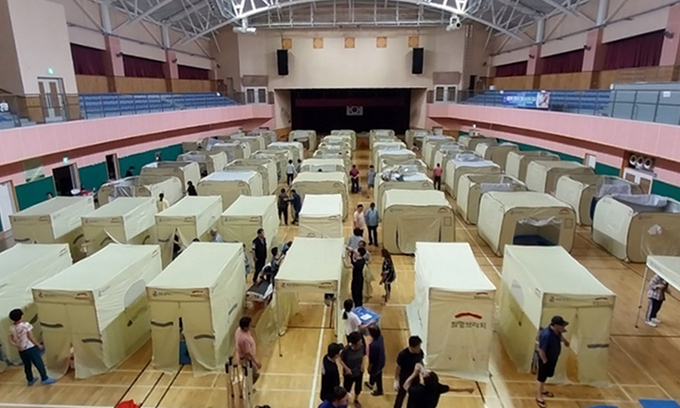
For the areas designated as special disaster zones to overcome their pain and return to their previous vibrant daily lives, the warm attention of the entire nation is needed. When the administrative support of the government and local governments is combined with the efforts of volunteers and fundraising, the speed of recovery increases significantly. A word of warm encouragement from residents can be a great source of strength for the recovery personnel working hard on the ground. We hope that the remaining recovery process proceeds without issue, creating an environment where all displaced residents can live with peace of mind.
We possess the resilience to always help each other and overcome crises, even amidst the natural disasters that recur every year. We can certainly overcome this rainfall damage through thorough recovery and comprehensive prevention measures. We ask our readers to extend a helping hand to neighbors in their vicinity who are facing difficulties. If the government’s meticulous support is combined with the mature solidarity of the citizens, this trial will undoubtedly serve as a stepping stone toward a safer society.
The combination of government support and the warm solidarity of citizens will drive the swift restoration of daily life in the affected areas.
Frequently Asked Questions
=