
Hwang Jong-woo, Minister of the Ministry of Oceans and Fisheries, met with Philip Laporte, the Canadian Ambassador to South Korea, to intensively discuss plans to activate the Northwest Passage, a route crossing Canada’s northern coast. This meeting was arranged to solidify practical cooperation between the two nations in the Arctic region, which is gaining attention as a new logistics route due to global warming. For those who have long been interested in reducing logistics costs and opening new export channels, this news will likely be very welcome. This is because the global logistics map is undergoing a complete transformation as frozen seas, once impassable, are now opening up as new maritime routes. The two officials also agreed to work together not only on route development but also on protecting the marine environment and eradicating illegal fishing. Let’s take a detailed look at how South Korea and Canada plan to expand their maritime pathways.
=
Minister of Oceans and Fisheries Meets Canadian Ambassador to Discuss Cooperation on the Northwest Passage

1. New Possibilities of the Northwest Passage

The most central agenda item in the meeting between Minister Hwang and Ambassador Laporte was undoubtedly the Northwest Passage. This maritime route, which connects the Pacific and Atlantic Oceans via Canada’s northern coast, drastically reduces distance compared to existing shipping lanes. The logistics industry expects that if this route becomes regularly usable in the near future, transportation time and costs will decrease significantly. For example, cargo departing from Busan Port for Europe would find it much more advantageous to pass through the north rather than taking the southern route. Consequently, the two countries have begun preparations to enhance the safety of the route and exchange information necessary for actual operations. A historic moment is approaching where the frozen Arctic seas are transforming into a new trade corridor for humanity.
In fact, if cargo ships regularly utilize this maritime route, the export competitiveness of our companies could be further enhanced. This is precisely why the government is establishing standards for safe navigation and partnering with the counterpart country.
Minister Hwang and the Canadian Ambassador closely discussed bilateral cooperation plans to activate the Northwest Passage.
2. Marine Plastic and Environmental Protection

The voices of both nations regarding the protection of the Arctic environment were also prominently addressed in this meeting. As climate change causes Arctic glaciers to melt rapidly, the conservation of the region’s ecosystem has become a global issue. The two officials explored ways to jointly address the reduction of plastic waste flowing into the sea. They reached a consensus that urgent efforts are needed to prevent the main culprits of ocean pollution, ranging from invisible microplastics to massive discarded fishing nets. To leave a clean ocean for the next generation, close coordination among the international community is essential, in addition to the efforts of individual nations.
South Korea has consistently raised its voice on marine pollution issues and aims to create effective measures through solidarity with Canada. The perception that environmental protection is not a choice but a prerequisite for survival permeated the entire meeting.
The two countries agreed on the necessity of environmental cooperation to reduce marine plastic waste and preserve the Arctic ecosystem.
3. Cooperation to Eradicate Illegal Fishing
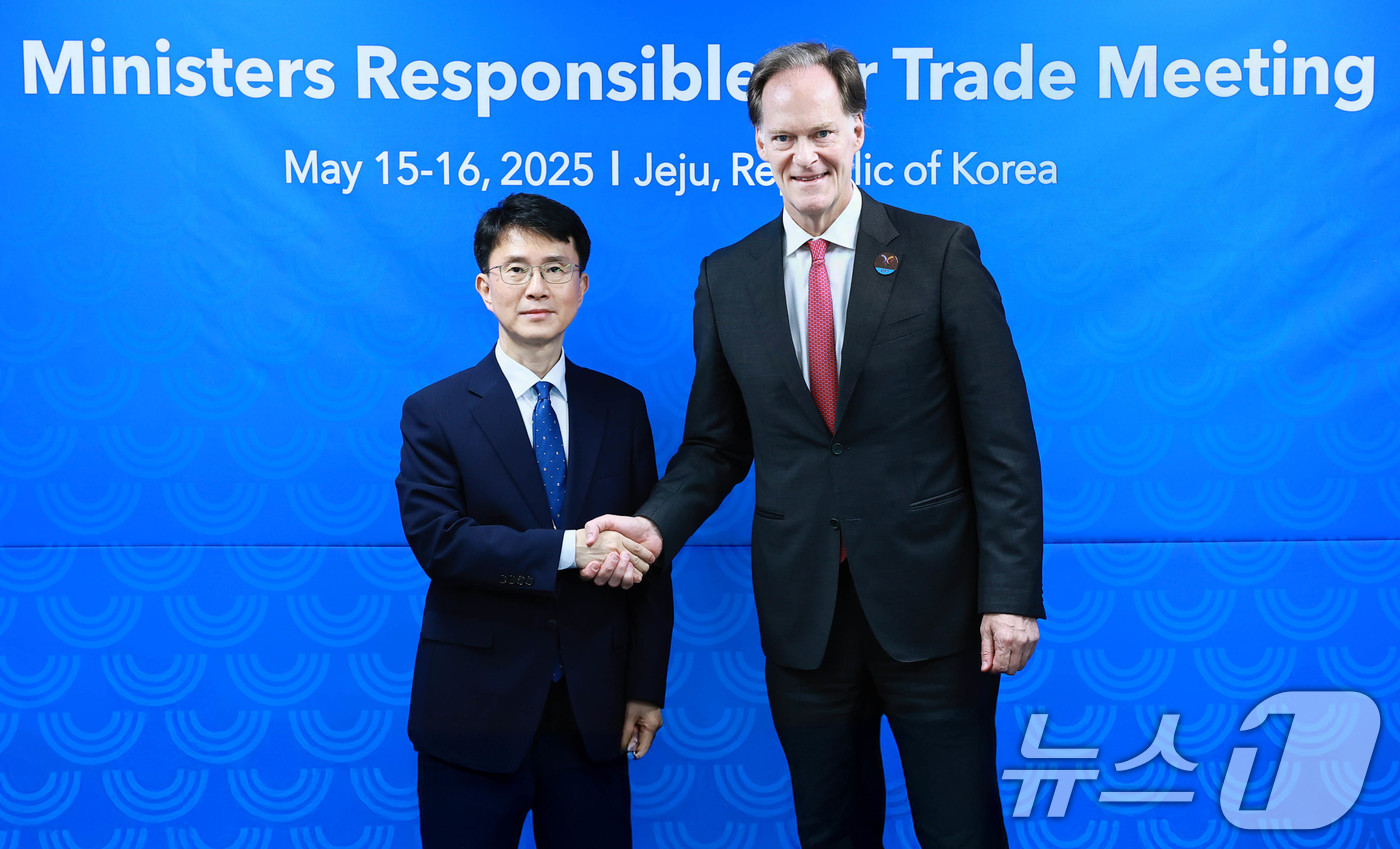
Discussions also continued on how to root out illegal, unreported, and unregulated fishing activities that disrupt maritime order. In a situation where fishery resources are depleting, indiscriminate fishing is dealing a massive blow to the global fishing industry. The two officials expressed deep concern that such illegal fishing hinders fair competition and destroys marine ecosystems. The maritime authorities of both countries agreed to share information to establish a transparent seafood distribution order and prevent illegal fishing at its source. Plans to introduce advanced technology for monitoring illegal activities at sea also naturally became a topic of conversation.
Such enforcement cooperation is essential to protect fishermen who honestly make their living from the sea and to preserve future fishery resources. Following these discussions, the level of joint response to illegal fishing on the international stage is expected to increase significantly.
Both sides agreed to join forces to eradicate illegal fishing for the protection of marine resources and the establishment of fair order.
4. Cooperation for the 4th UN Ocean Conference
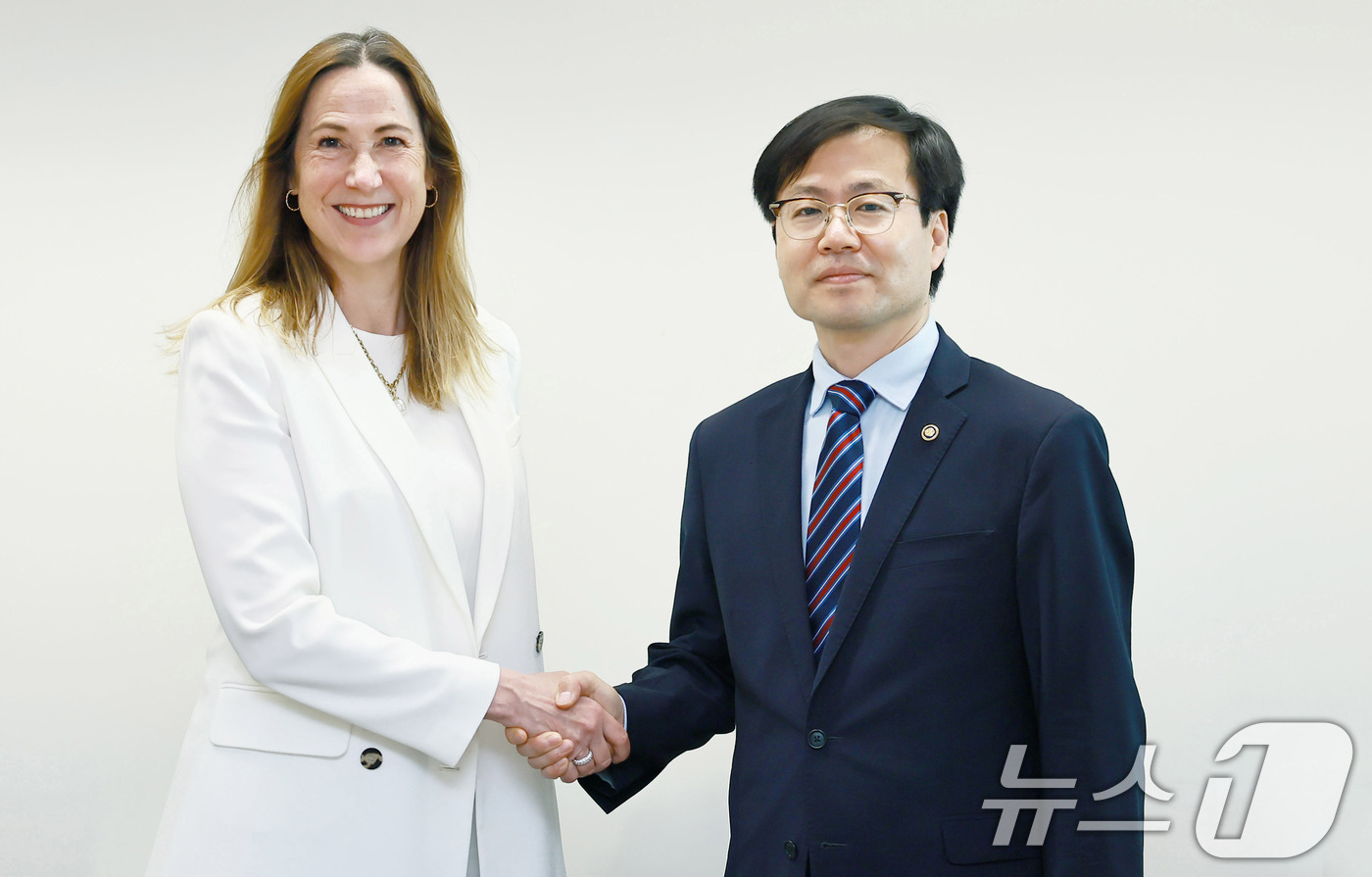
Minister Hwang requested Canada’s support for the successful hosting of the 4th UN Ocean Conference, which is scheduled to be held in South Korea in 2028. This event is a massive stage where marine experts from around the world and government officials from various countries gather to diagnose the crisis facing the Earth’s oceans and discuss countermeasures. Since South Korea has secured this major international event, it is already focusing its diplomatic efforts to ensure its success. Canada, as a maritime power, highly evaluated South Korea’s efforts and hinted that it would lend support in a positive direction. This will be an opportunity to elevate our diplomatic standing in the international community while solidifying our position as a maritime power.
Through this conference, we can re-emphasize the importance of marine environmental protection to the world and derive concrete action guidelines. Solid cooperation with Canada is expected to be a sturdy cornerstone leading to the success of this event.
The Ministry of Oceans and Fisheries requested active support from the Canadian side for the 4th UN Ocean Conference to be held domestically in 2028.
5. Strengthening Maritime Partnership Between the Two Countries
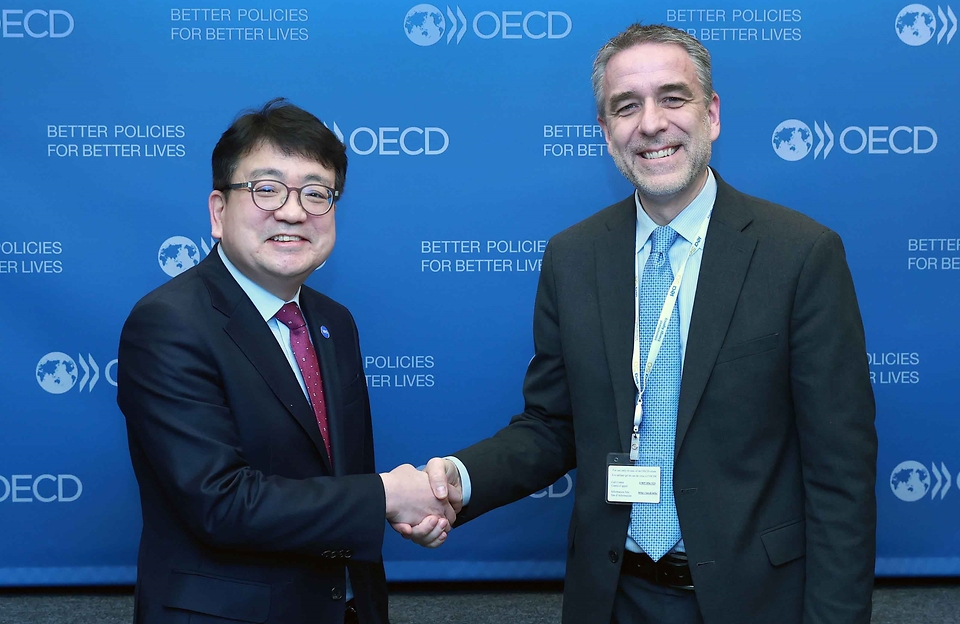
This meeting is evaluated as a starting point for resolving practical maritime issues facing both nations, going beyond mere diplomatic greetings. As a country with a vast Arctic coastline, Canada is a crucial partner with whom we must cooperate in the fields of maritime logistics and environment. If the two countries share their technological capabilities and policy experiences, the synergistic effects they can achieve in the future will be beyond imagination. In particular, options for promoting joint projects in marine science research or exchanging talent are highly likely to be considered in the long term. This diplomatic achievement will also serve as a foundation that opens new doors of opportunity for our companies operating in the maritime sector.
Attention is focused on how much positive impact cross-border maritime cooperation will have on our economy and environment in the future. We hope that continuous communication between the two nations will become the driving force to make the world’s oceans healthier.
Close communication with Canada will generate positive synergy across the maritime industries and environmental policies of both countries in the future.
6. Future Outlook and Response
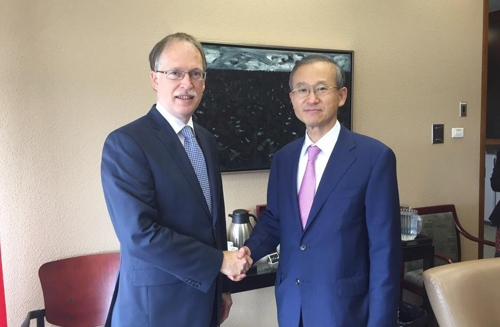
The government’s pace is expected to accelerate as it aims to achieve both the practical development of the Northwest Passage and marine environmental protection. As the speed of climate change increases, competition and cooperation among the international community surrounding the Arctic are expected to become even more intense. South Korea must keep up by diversifying diplomatic channels and refining its Arctic entry strategy through joint government-private sector efforts. We also encourage our readers to maintain a keen interest in the era of new maritime routes and marine environmental issues that lie ahead. In the changing international landscape, we need the wisdom to wisely utilize the infinite possibilities that the sea brings us. Only when the government’s policy efforts and public support come together can we leap forward as a true maritime power.
We will continue to deliver major news regarding the sea quickly, so please keep visiting. Let’s watch together what brilliant achievements South Korea will accomplish in the sea of new challenges and opportunities.
In preparation for the era of the Northwest Passage, the government must strengthen diplomatic cooperation and pursue a future-oriented maritime strategy.
Frequently Asked Questions
=