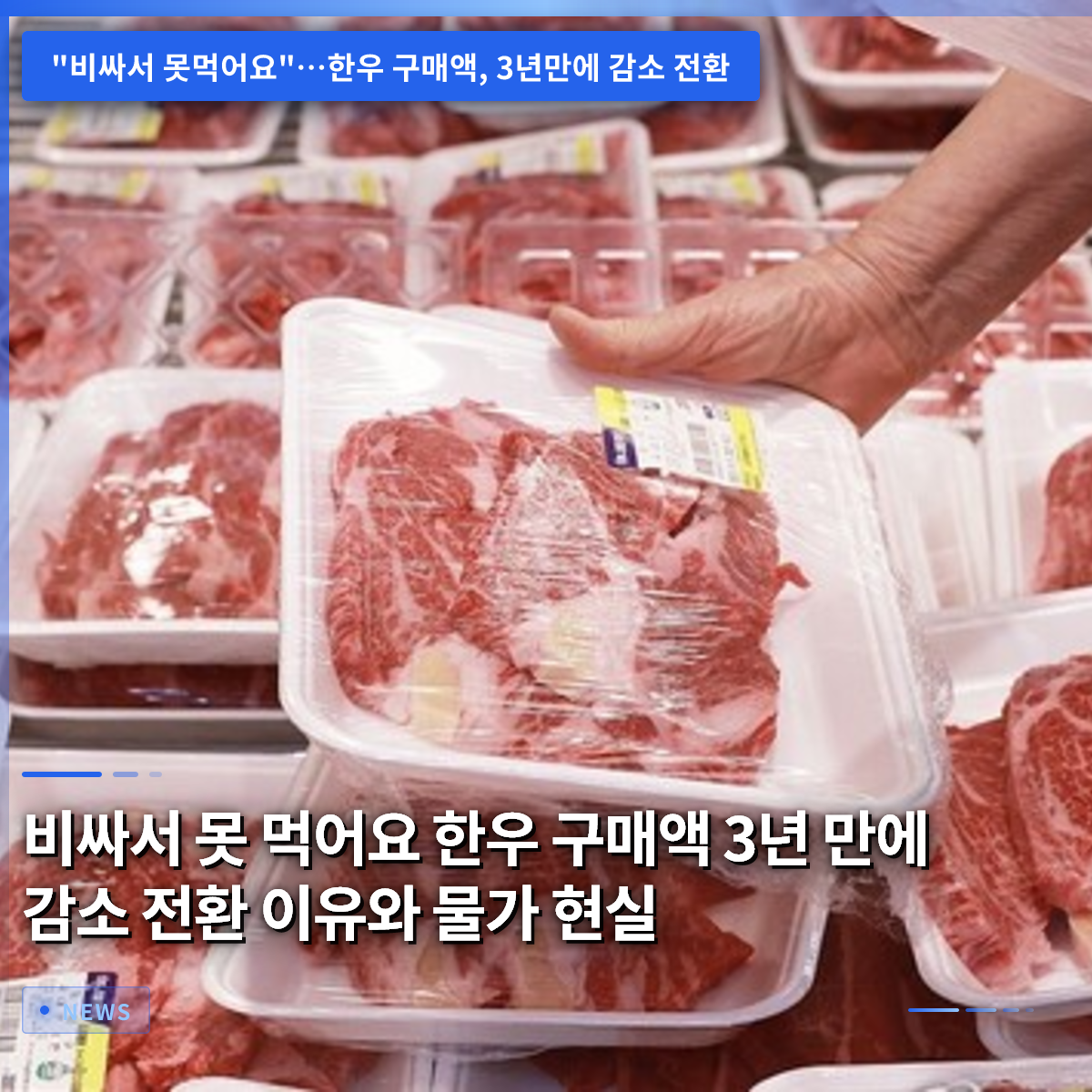
Domestic beef sales have finally turned downward for the first time in three years, unable to withstand the burden of continuously rising prices. It has become common for housewives visiting the meat section of supermarkets to sigh and walk away after seeing the price tags on Hanwoo ribeye or tenderloin. As demand for beef, which used to sell like hotcakes during holiday seasons, declines, a cold wind is blowing through the livestock distribution market. Statistics show that both sales volume and total purchase amounts have decreased noticeably since the beginning of this year. Consumers with thinner wallets are turning their attention to other meats with more stable prices. In this article, we will thoroughly examine why Hanwoo consumption has shrunk so much, along with specific figures and the reality of grocery prices.
=
“Too Expensive to Buy”: Why Hanwoo Purchases Dropped for the First Time in Three Years and the Reality of Inflation
1. Hanwoo Purchases Turn Down After Three Years
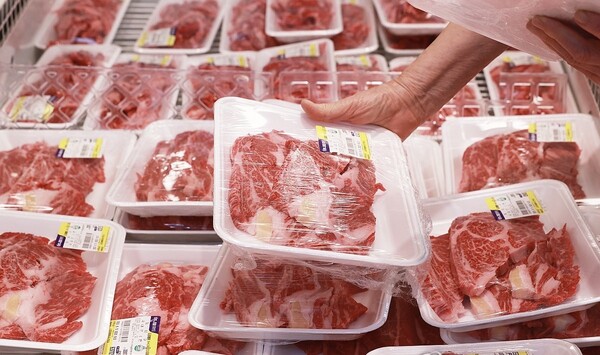
According to livestock distribution information, domestic beef sales at large marts and supermarkets nationwide from January to July this year totaled just over 1 trillion won. This represents a 3.4% decrease compared to the same period last year, putting a brake on the upward trend that had continued for several years. Looking at annual data, sales had consistently shown an upward trajectory in the past, but the atmosphere has completely reversed this year. Even considering the remaining second half of the year and the holiday season, if this trend continues, the annual total is highly likely to record a negative figure for the first time in three years.
Consumers who buy meat directly on the ground report that they have felt the burden for a long time. Beef, which was previously placed on the table only for family dinners or special occasions, has now become an item that shoppers are afraid to put in their carts. Industry insiders also sigh, saying it is difficult to expect the same holiday boom as in the past. Sales volume itself has plummeted by more than 6% compared to the same period last year, proving the contraction in consumer sentiment. Ultimately, the result of consumers closing their wallets after seeing the price tags is directly reflected in these statistics.
Hanwoo sales have turned negative for the first time in three years due to price burdens.
2. Soaring Prices of Beef Tenderloin
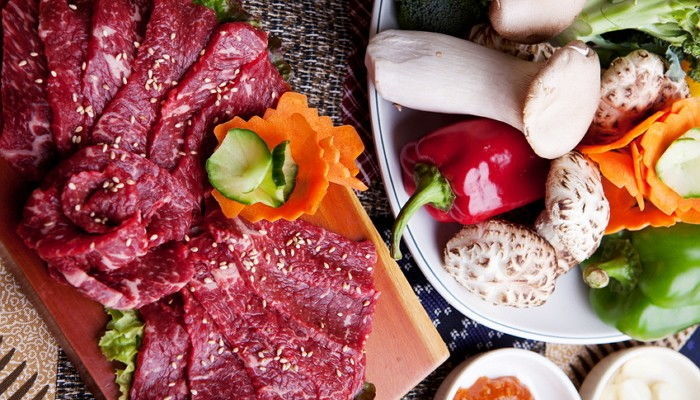
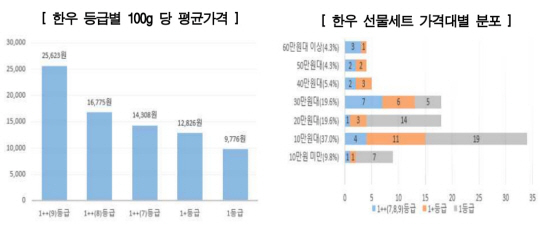
The most decisive reason for the significant drop in domestic beef consumption is the continuously rising price of raw materials. For Grade 1 tenderloin, a cut frequently sought by consumers, prices surged by nearly 10% within a few months from the beginning of this year. Compared to the same time last year, this represents a massive increase of nearly 20%. Even when compared to the average price in normal years, the amount is noticeably higher, reaching a level that is difficult for ordinary households to afford.
Given this situation, it is easy to witness customers standing in front of mart shelves, checking price tags, and then turning around and leaving. It is not uncommon for shoppers to pick up a pack of meat costing close to 10,000 won per 100g and then hesitate at the checkout counter. While various factors such as the farming environment of livestock farms and rising feed costs have contributed, the pain felt by consumers is severe. With dining-out prices rising in tandem, even beef cooked at home has come to feel like a luxury dish.
The price of Grade 1 tenderloin has surged by nearly 20%, increasing the burden on consumers.
3. Emergency Alert on Chuseok Holiday Food Prices

As the upcoming Chuseok holiday approaches, the concerns of housewives preparing for the ancestral rites table are deepening. A survey conducted by a consumer group on the prices of ritual food items at major distribution companies ahead of the holiday showed that fruits and seafood were relatively stable. However, prices for general beef cuts used for sanjig (beef skewers) and yangji (topside) for soup, which are essential for the ritual table, are still on an upward trend.
Although the government and related agencies have introduced various measures to curb prices, the upward trend in meat prices shows no sign of slowing. Since meat accounts for a significant portion of the cost of the ritual table, the perceived burden remains high even if other items become slightly cheaper. The cost of serving beef dishes on the table during the holiday, when the whole family gathers, has increased significantly compared to last year. Merchants also complain that they are not enjoying the busy season because customers are reducing the amount of meat or substituting it with different cuts.
Beef prices for holiday ritual foods are still rising, increasing the burden on the ritual table.
4. Turning to Substitute Items
As Hanwoo prices continue to soar, many consumers are naturally turning their attention to relatively cheaper substitute items. In particular, domestic pork maintains a relatively stable price trend, filling the empty wallets of consumers. In fact, pork sales volume and sales value from the beginning of this year through July both recorded an upward trend compared to the same period last year, proving solid demand.
Popular pork cuts like samgyeopsal (pork belly) and pork neck have much milder price fluctuations than beef. They have become a stress-free alternative for families grilling meat, playing a central role in the livestock product market. In the meat section of marts, far more people are crowding around the pork discount corner than the beef shelves. As consumers put pork in their carts instead of expensive Hanwoo, the dining landscape is gradually shifting towards a more practical approach.
Consumption of pork, which has stable prices, is steadily increasing instead of expensive beef.
5. The Vicious Cycle of Dining Out and Household Economics

Soaring beef prices affect not only grocery prices but also the overall dining-out industry and household economics. Small business owners running meat restaurants or Korean restaurants are resorting to desperate measures such as raising menu prices or reducing portion sizes due to the heavy burden of raw material costs. However, customers are also cutting back on visits, leading to a vicious cycle where sales actually decrease.
There is a clear trend of preferring pork or chicken specialty restaurants over beef specialty restaurants when choosing places for company dinners or gatherings. In a situation where household disposable income is limited, an increase in food expenses inevitably reduces the budget for other cultural activities or savings. If the government’s price stabilization policies fail to be effective, this consumption contraction is expected to continue for a while. The scene of ordinary office workers enjoying beef to their heart’s content at company dinners is becoming a thing of the past.
Rising beef prices are leading to a slump in the dining-out industry and increased household economic burden.
6. Future Livestock Market Outlook and Countermeasures
Experts predict that domestic beef prices will not drop sharply in the near future and advise cautious consumption planning. This is because structural issues on the supply side and changes in the number of livestock are intertwined, making it a problem that cannot be solved in the short term. Consumers also need the wisdom to combine various meats according to their budget rather than stubbornly sticking to expensive items.
The government and the distribution industry must also seek various price stabilization measures, such as issuing discount coupons or operating direct sales markets, ahead of the holidays. Establishing a distribution structure where both producers and consumers can thrive is the most urgent task for the long-term development of the livestock product market. We hope for an environment where people can enjoy high-quality food at reasonable prices, rather than sighing that it is too expensive to eat. We also hope that readers will carefully monitor price trends when shopping and continue to make smart consumption choices.
Since price drops are difficult in the short term, a rational and practical consumption strategy is needed.
Frequently Asked Questions
=