
Recently, as major technology company CEOs have voiced the need to moderate the pace of AI development, the stocks of Samsung Electronics and SK Hynix, the leading semiconductor stocks in South Korea, have fallen sharply. As the big tech companies that have been driving the AI boom take a breather, a bucket of cold water has been poured on semiconductor-related stocks that had been rising steeply. Compounding this, escalating geopolitical tensions in the Middle East have raised concerns about oil supply disruptions, adding a heavy burden to the domestic stock market as a whole. Foreign investors dumped a massive volume of over 4 trillion won in just one day across these two stocks alone, dragging the index down significantly. Investors are watching the future market trends with caution, unable to hide their shock at the chain reaction of sudden external negative factors. In this article, we will examine in detail the impact of the AI slowdown theory and the Middle East situation on the stock prices of these two semiconductor leaders, as well as future response strategies.
=
Outlook for Samsung Electronics and SK Hynix as Big Tech’s AI Slowdown Theories Trigger Stock Declines

1. The Emergence of the AI Development Slowdown Theory
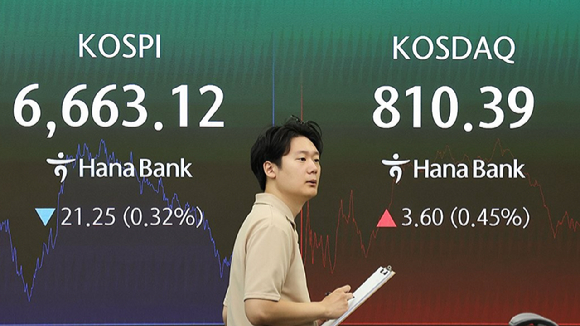
Several tech company leaders, including Sam Altman, CEO of OpenAI, have successively voiced the need to slow down the pace of AI development. Until now, the global market had expected the competition for AI infrastructure investment to continue endlessly, leading to massive purchases of related semiconductor stocks. However, this slowdown theory has been interpreted by investors as a strong signal that the previous aggressive investment stance may change.
Concerns about excessive capital expenditure have surfaced, with points being raised that the timing for monetizing related technologies has become uncertain. Indeed, analyses suggesting that major tech companies are failing to meet revenue expectations relative to the enormous costs of maintaining AI services are gaining traction. As investor sentiment froze rapidly, the stocks of major domestic companies, which are the core suppliers for AI semiconductor demand, took the direct hit first.
Remarks from major tech companies regarding an AI slowdown dampened investor sentiment, serving as the trigger for the decline in semiconductor stock prices.
2. Massive Selling by Foreign Investors
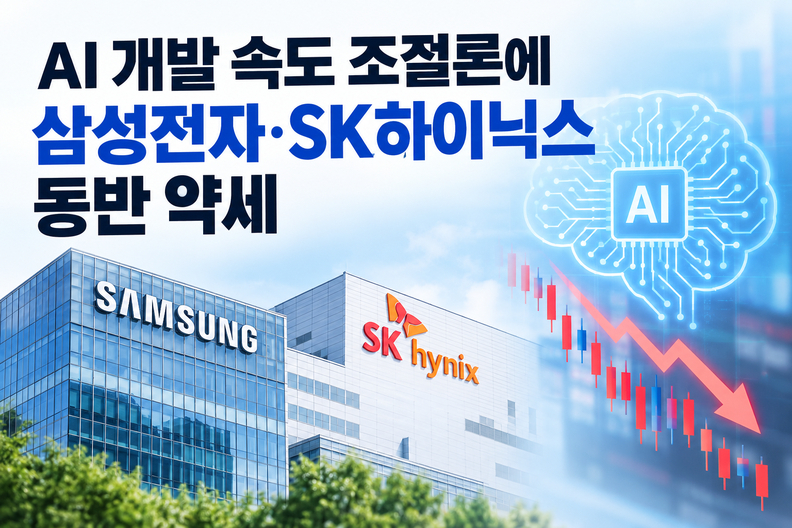
In the previous trading session, the KOSPI index was dragged down significantly by fierce selling pressure from foreign investors. In particular, a massive amount of selling, totaling 4.6 trillion won, was concentrated in just two stocks: Samsung Electronics and SK Hynix. As foreign funds flowed out all at once, the stock prices of the blue-chip stocks that had been propping up the domestic market collapsed helplessly.
Samsung Electronics’ stock price fell by more than 4% in a single day, slipping below the 250,000 won mark. SK Hynix’s decline was even deeper, plunging by more than 6% and failing to hold the 1.7 million won line. The prevailing analysis is that this sudden exodus by foreigners is less about simple profit-taking and more about risk management in the global stock market.
Foreign investors dumped over 4 trillion won worth of shares in a single day, causing a sharp drop in the stock prices of the two semiconductor leaders.
3. Middle East Geopolitical Instability and Oil Price Surge
In addition to AI-related negative factors, a major unexpected variable—the escalation of armed conflict in the Middle East—struck the market. Concerns over oil supply disruptions grew due to political instability in the Middle East, causing international oil prices to spike sharply. Indeed, an incident where major Saudi Arabian pipeline facilities were attacked turned on the emergency lights for the oil transport network.
As a result, West Texas Intermediate (WTI) crude oil prices surged by nearly 3% in a single day, easily breaking the $100-per-barrel mark. Prolonged high oil prices will once again increase inflationary pressures on the global economy and burden the monetary policies of central banks in various countries. With the additional burden of rising energy prices piling onto an already fragile stock market, investor anxiety reached its peak.
Geopolitical conflicts in the Middle East caused a surge in international oil prices, applying complex downward pressure on the domestic stock market.
4. Expert Market Diagnosis and Analysis
Securities industry experts unanimously analyze that this decline is the result of short-term external negative factors overlapping. This is because internal industry concerns regarding the slowdown in AI investment and external conflicts involving Middle East geopolitical risks occurred simultaneously. In particular, with the movements of major Middle Eastern countries, including Iran, being unusual, market volatility is not expected to subside easily for the time being.
Experts cite the stability of oil prices as the most important variable in the current situation. They explain that if international oil prices stabilize quickly, the market can also absorb the shock rapidly and enter a recovery phase. Therefore, investors should calmly monitor the trends in exchange rates and oil prices rather than engaging in reckless bargain hunting.
Experts analyze that this stock price decline is the result of a combination of internal industry concerns and external political instability, and that oil price stability is the key to recovery.
5. Stock Price Outlook for Samsung Electronics and SK Hynix
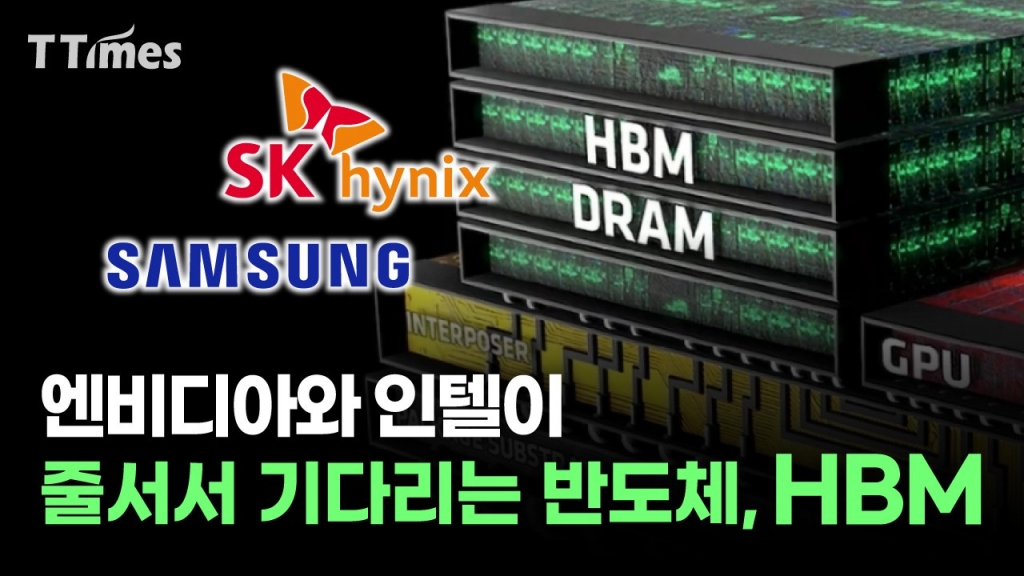
Although investors are worried due to the sharp drop in stock prices, there are also opinions that the medium-to-long-term growth direction of the semiconductor industry has not been completely reversed. Even if AI technology temporarily slows down, the fact that it will eventually establish itself as a core infrastructure for future industries remains unchanged. However, the general consensus is that a short-term correction period is inevitable, given that market expectations were too high.
The stock prices, which had risen steeply, can also be seen as a process of deflating the bubble and building resilience through this opportunity. A cautious approach is needed while checking the companies’ actual earnings reports and the speed of demand recovery in the second half. Rather than selling out of sheer panic, wisdom is required to reconfirm their value as high-quality stocks based on earnings.
While the short-term stock price correction is regrettable, the long-term growth potential of AI infrastructure remains valid, according to evaluations.
6. Wise Investment Strategies Amid Turbulent Markets
The greater the uncertainty surrounding the market, the more important it is to make cool-headed investment judgments without being swayed by emotions. Rather than reacting emotionally to external variables, one should re-examine the essential value and performance of the stocks they hold. Flexibility is also needed to diversify risk through a split-buying strategy and appropriately adjust cash ratios.
One must develop the habit of carefully checking major economic indicators and changes in the Middle East situation daily. Since a crisis can be another name for a new opportunity, one must navigate the market’s waves through thorough preparation. If assets are managed with unwavering principles, this critical moment can be overcome wisely.
Frequently Asked Questions
=