To receive the old-age pension steadily, you must fulfill a minimum enrollment period of 10 years, and it is essential to strategically adjust the timing of your receipt based on your personal circumstances. Seeing people around you preparing for retirement and checking their bank balances can easily make you feel anxious about whether you are falling behind. In reality, Mr. Kim, a 50-year-old office worker living in Seoul, found himself deeply troubled by the unexpectedly low benefit amount as his retirement date approached. In this article, we will thoroughly examine practical methods for fulfilling the enrollment period and specific know-how to dramatically increase your benefit amount. With just a little more attention, the size of your lifetime income can change completely. Let us take this valuable time to review our retirement preparation status step by step.
=
Complete Guide to Old-Age Pension Eligibility, Receiving Age, and How to Increase Your Benefit
1. How to Overcome the 10-Year Minimum Enrollment Barrier

To receive the National Pension old-age pension, you must, in principle, fulfill a minimum enrollment period of 10 years. If you have periods of non-payment due to childcare or unemployment, you can fill these gaps using the retroactive payment system. Surprisingly, many acquaintances have managed to secure eligibility by retroactively filling in periods they missed when they previously quit their jobs. Since it is not simply a matter of reaching a certain age, the first step is to check for yourself how many years you have actually paid. If you have not reached 10 years by the age of 50, you will face the situation of receiving a lump sum of the money you paid, plus interest. However, creating a stable monthly cash flow for life is far more advantageous for retirement survival than receiving a lump sum all at once. By carefully checking your enrollment history on the National Pension Service website, you will begin to see the path forward. You need to assess how many months are missing and realistically evaluate whether you have the financial capacity to make additional payments during the remaining period.
A minimum 10-year enrollment period is mandatory to receive the old-age pension, and you should actively utilize the retroactive payment system.
2. Early Old-Age Pension: Pros and Cons of Receiving It Early

If you have recently lost your job or your income has been cut off, making your livelihood precarious, you may seriously consider receiving the pension up to 5 years earlier than the standard eligibility age. However, the early old-age pension has a painful downside: the benefit amount is reduced by 6% per year for each year you receive it early, and this reduced amount is paid for life. For example, if you receive it 5 years early, you must live with a benefit amount that is 30% lower than what you would have originally received. In reality, Mr. Lee, who applied for early receipt without a proper income source after retirement, deeply regrets seeing his dwindling bank balance every month. Of course, for those who urgently need cash because they are struggling to make ends meet, this system can be a lifesaver. However, rather than hastily applying early out of mere anxiety, you need the wisdom to first examine other financial assets or income sources. It is absolutely important to carefully consider whether receiving it early is beneficial by comprehensively evaluating your health status and life expectancy. You must be careful not to make the mistake of reducing your lifetime income by being blinded by immediate convenience.
The early old-age pension is reduced by 6% for each year it is received early, so a careful decision is required.
3. Dramatically Increase Your Benefit with the Deferred Pension

If you have other income sources after retirement and do not urgently need living expenses, delaying the start of your pension is an excellent strategy. The National Pension deferred pension offers the remarkable benefit of increasing the amount by 7.2% per year, compounded, for each year you delay receipt. Since you can delay it for up to 5 years, utilizing this fully allows you to hold a significantly larger pension for life. Mr. Park, who successfully found re-employment and received a salary after retirement, delayed his pension start and was very satisfied with the much larger amount he eventually received. Many people simply think that receiving it early is beneficial, but in today’s era of increased life expectancy, delaying it can be far more advantageous. Especially if you have sufficient support from children or other surplus funds, you should maximize your pension amount to build a robust safety net for your retirement. If you want to experience the difference in the leading digit of the amount deposited into your account each month, it is wise to actively utilize the deferral system. It can be seen as the most certain cheat code for maximizing lifetime income, especially in case you live a long and healthy life.
The deferred pension increases by 7.2% for each year of delay, making it advantageous from a long-term perspective.
4. Filling Gaps with the Retroactive Payment System
Periods of non-payment due to past unemployment or business downturns can be fully filled up to a maximum of 119 months through the retroactive payment system. By effectively utilizing this system, you can fill in the gaps in your enrollment period at once and dramatically secure your eligibility. For those in their 50s or 60s who are on the verge of retirement and sighing while looking at their bank accounts, this is welcome news. In fact, many middle-aged people in the area have experienced the joy of seeing their expected pension amount jump significantly after saving up funds and applying for retroactive payments. Of course, since you must pay the past unpaid premiums in a lump sum, you should carefully check your current financial status before making a decision. However, when calculating the long-term effect of an increased lifetime pension, it boasts a return on investment that cannot be compared to bank savings. It is best to visit a National Pension Service branch or make a consultation call to accurately compare the expected payment amount with the increased pension amount. This is one of the most proactive and realistic ways to build a sturdy pillar for your retirement.
The retroactive payment system is a powerful tool that fills missed periods and dramatically increases your old-age pension.
5. Understanding the Relationship Between the Basic Pension and the National Pension
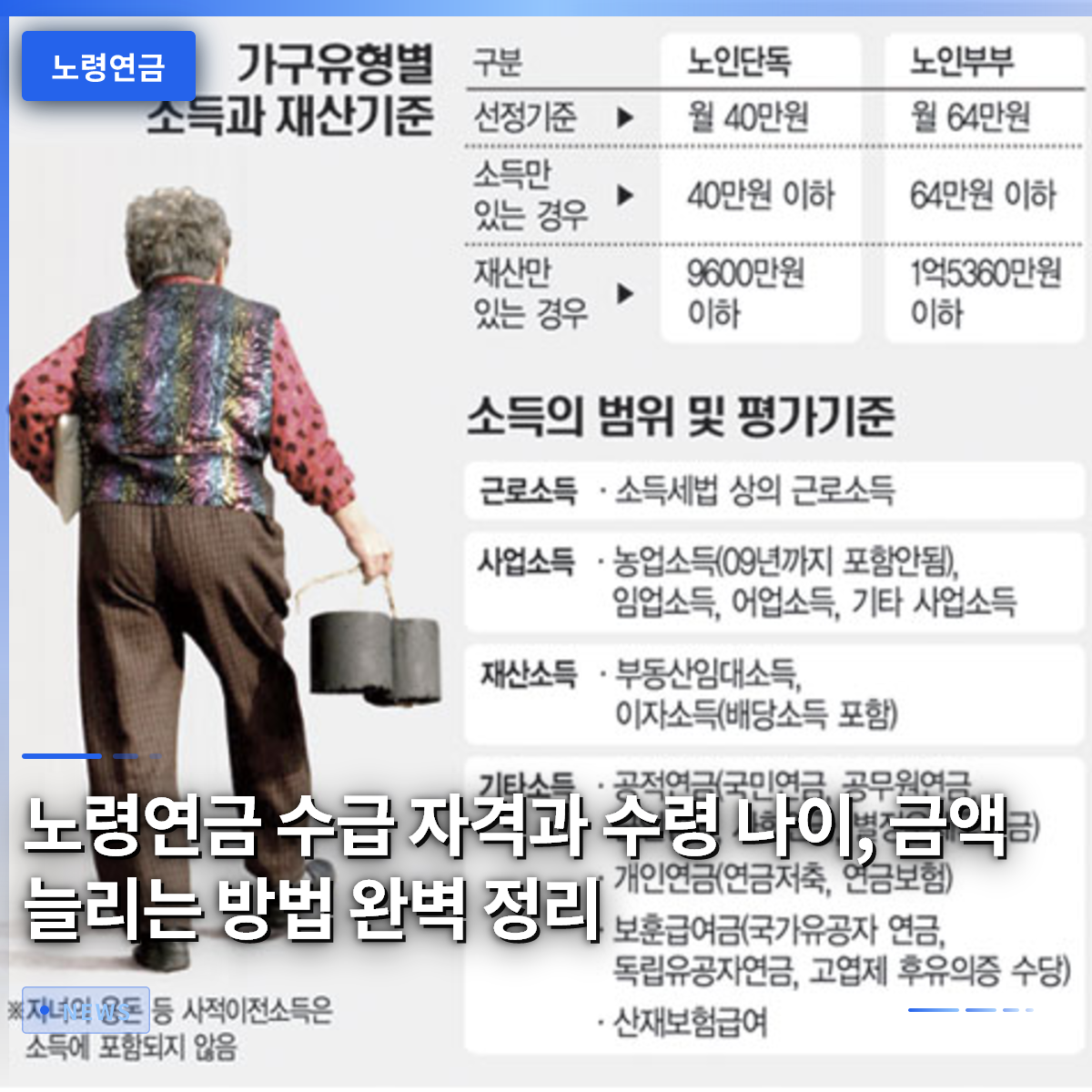
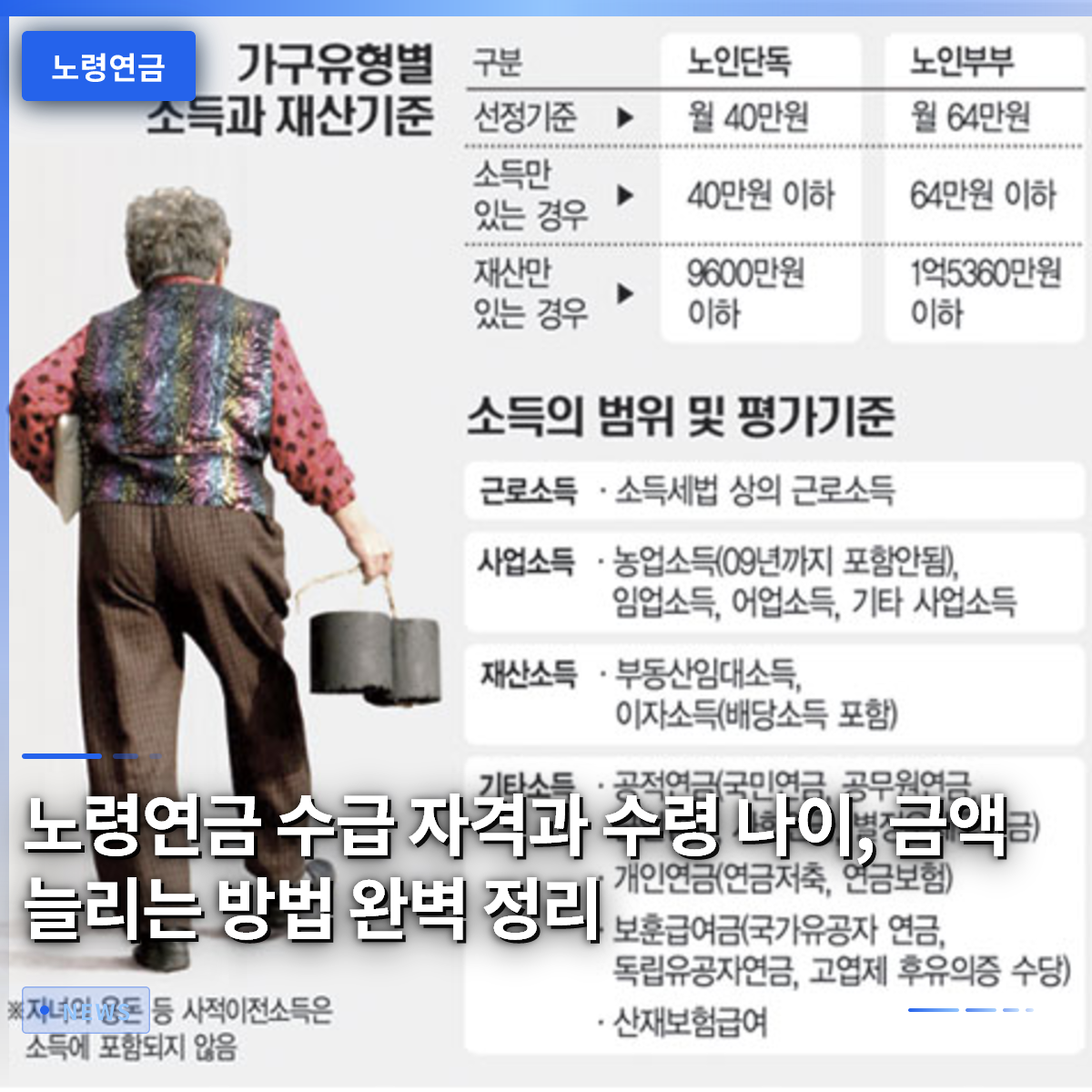
Many people mistakenly believe that receiving the National Pension old-age pension means they cannot receive the Basic Pension or that they will suffer a disadvantage. However, since the Basic Pension calculation is linked to the National Pension receipt amount and involves a partial reduction system, you must accurately understand the criteria for both systems. You need to carefully consider both conditions to prevent unexpected losses when you actually receive the money. In reality, Mr. Choi, who was preparing for retirement, was confused because he did not know if he could receive both pensions simultaneously, but he was reassured after clearly understanding the criteria. The various welfare benefits and pension systems supported by the government are complexly intertwined, making it difficult for ordinary people to fully understand them on their own. Therefore, it is a good method to pay close attention to related policies and changing regulations and to seek expert help. Since Basic Pension eligibility varies based on the recognized income amount, you must accurately report and manage your assets and income. To maintain economic stability in retirement, you need the wisdom to organically combine the various support measures provided by the state.
You must accurately understand the eligibility criteria and linked reduction structure of the Basic Pension and Old-Age Pension to avoid disadvantages.
6. Concrete Action Strategies for a Successful Retirement
Based on the content reviewed so far, you should check your National Pension enrollment status and make a thorough plan tailored to your upcoming retirement date. Instead of being swayed by rumors, start by directly checking your expected pension amount through National Pension Service services. Rather than blindly choosing early receipt just because you need cash now, you must coldly compare the future value and the lifetime receipt amount. Only those who are a little more diligent in finding information and preparing can enjoy a comfortable and stable life in retirement. In the coming era of 100-year lifespans, the strongest and most reliable friend is ultimately the stable cash flow deposited into your account every month. Let us take this time as an opportunity to open the report card of our postponed retirement preparation and find the courage to fill in the gaps one by one. To enjoy a happy and abundant life after retirement with your family, please check your National Pension enrollment history right now. Small acts of attention and practice will come together to create a miracle that completely transforms your retirement.
You must accurately check your enrollment status and make the best choice between early and deferred receipt.
Frequently Asked Questions
=