Former Defense Minister Chung Ho-yong, who was a key power broker in the New Military Faction during the December 12 military coup and the May 18 Democratic Uprising, recently passed away at the age of 94. A classmate of former presidents Chun Doo-hwan and Roh Tae-woo from the 11th class of the Korea Military Academy, Chung played a pivotal role in the military clique known as the “Hana-hoe” (One Association), laying the groundwork for the regime’s establishment. His life, which ended after a period of declining health and hospital treatment, starkly reveals the darkest aspects of modern Korean history. As he passed away without the legal judgment and historical accountability for his past misdeeds being fully resolved, unresolved issues remain in our society. We will carefully examine how his legacy should be recorded in our history. In this article, we will explore the life of former Minister Chung, his role within the New Military Faction, and the historical responsibility he left behind.
=
Background on the Death of Former Defense Minister Chung Ho-yong, a West Point Classmate of Former President Roh Tae-woo
1. Former Minister Chung Ho-yong and the New Military Faction
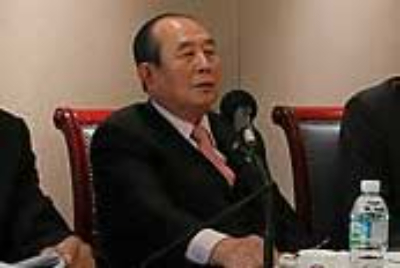
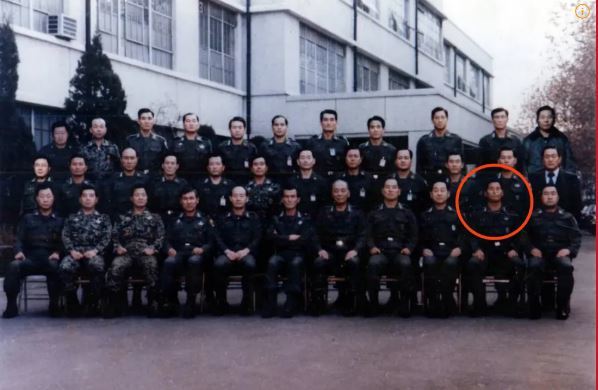
After being commissioned as an army officer in 1955, former Minister Chung formed deep ties with former presidents Chun Doo-hwan and Roh Tae-woo as his Korea Military Academy classmates. Centered around the military clique known as the Hana-hoe, they formed a tight bond and began to wield significant influence within the military. During the December 12 military coup in 1979, he was serving as the commander of the 50th Division and was appointed Commander of the Army Special Warfare Command immediately after the coup’s success. Through this appointment, he entered the core of the New Military Faction’s power structure, emerging as a key figure in the practical operations of seizing power. Their unity serves as a prime example of how an internal military organization could usurp state power.
As his classmates Chun Doo-hwan and Roh Tae-woo rose to the highest positions of power, Chung Ho-yong consistently guarded key strategic positions, serving as a sturdy pillar of support. Throughout their military careers, they supported and pushed each other, successfully consolidating an exclusive power structure within the military. This is why he, too, cannot escape criticism for having privately abused the state’s public authority under the guise of being close friends and comrades. The path they took in the flow of history clearly demonstrates the devastating consequences that arise when the military intervenes in politics. Ultimately, the news of his death brings to mind not just the end of one individual, but the fate of those who were at the center of power during that era.
Chung Ho-yong entered the core of the New Military Faction’s power through the Hana-hoe as a classmate of Chun Doo-hwan and Roh Tae-woo from the 11th class of the Korea Military Academy.
2. His Role During the May 18 Democratic Uprising
He has long been suspected of directly commanding the 3rd, 7th, and 11th Airborne Battalions during the May 1980 Gwangju Democratic Uprising, leading the crackdown operations against citizens. He visited Gwangju multiple times between May 20 and 27 to personally oversee the operational status, making him one of the figures who knew the reality on the ground better than anyone else. In particular, it was later revealed through fact-finding investigations that he actively participated in the distribution of supplies and the command of units ahead of the Sangmu Chungjeong Operation on the 27th. The operations at the time, which aimed weapons at ordinary citizens, resulted in numerous innocent casualties and left a fatal wound on the Gwangju community.
His actions of visiting the scene to encourage military operations and coordinate the command system went far beyond the scope of simple administrative support. Given that he exercised power comparable to the supreme command of the military, thereby facilitating or leading the tragic crackdown, it is difficult to escape historical responsibility. The tragedy that unfolded in Gwangju at the time is remembered as one of the most painful moments in the history of Korean democracy, and he was at its center. Although he passed away as an elderly man with white hair, the weight of the pain he inflicted on the citizens of Gwangju remains heavy. His attitude of maintaining silence while ignoring the truth remains an unhealed wound in the hearts of the victims and their families.
Chung Ho-yong faced serious suspicions of deeply involving himself in crackdown operations by commanding airborne units during the May 18 uprising.
3. Controversy Over Military Command Chain and Chung’s Claims
In his later years, former Minister Chung repeatedly claimed that as the Commander of the Special Warfare Command, his role was limited to logistics and administration rather than substantive command authority. In a petition submitted in 2021, he maintained that he was merely pushed into the role of responsible party due to the urgent political situation and was completely uninvolved in the orders to fire. He attempted to evade responsibility by claiming he was far removed from the command network, but the operational records of the situation room at the time completely contradicted his explanation. The circumstances of the close reporting system between units and real-time situation sharing thoroughly undermined the credibility of his claims.
Given the unique nature of the military organization, it is virtually impossible for large-scale forces to act unilaterally without the tacit approval or orders of the supreme commander. Although he defended himself as an administrator, he could not have been unaware of the weight of the substantive authority held by the title of Commander of the Special Warfare Command at the time. His desperate excuses to evade responsibility became a trigger that further fueled the anger of the public seeking the truth and the victims. Despite having numerous opportunities to confess the truth and seek forgiveness as a witness to history, he ultimately chose silence and denial. The attitude of enjoying all the glory while in power and then passing the buck to subordinates when the time for accountability arrives is not the image of a true leader.
Chung Ho-yong claimed he was an administrator uninvolved in firing orders, but the situation records at the time refute this.
4. Legal Records of Key New Military Faction Figures
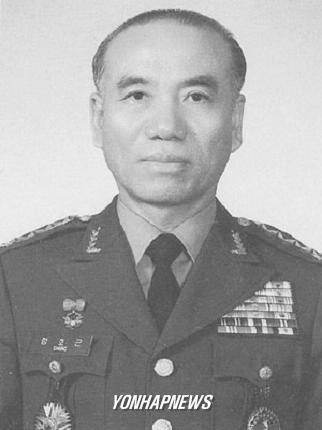
Chung Ho-yong, along with key leaders of the New Military Faction such as Chun Doo-hwan and Roh Tae-woo, finally faced the severe judgment of the judiciary in 1997 for crimes including rebellion and mutiny. Chun was sentenced to life imprisonment, Roh to 17 years in prison, and Chung was also sentenced to seven years in prison for rebellion and other crimes, beginning his incarceration. However, their time in prison was not long, and they were released in December of the same year through a special pardon under the decision of President Kim Young-sam and the pretext of national reconciliation. Having regained their freedom without fully serving their sentences, they returned to society and lived relatively peaceful retirements.
The decision to pardon them is recorded as a bitter aspect of modern history, showing how easily judicial justice can crumble before power. For decades, voices have continued to state that while their crimes were legally pardoned, the historical judgment and national condemnation were never truly over. Criticism has been constant that the price of pardon was too light and hollow compared to the grave crimes committed by those with money and power. Even if they escaped the net of the law, the label of “traitor” will never be erased from their names in history books. History proves that a pardon, in the name of reconciliation, did not bring true harmony but instead left behind the spark of conflict.
Key figures of the New Military Faction were punished for rebellion and other crimes in 1997 but were released through a special pardon.
5. Charges of Homicide for the Purpose of Rebellion and Recent Investigations
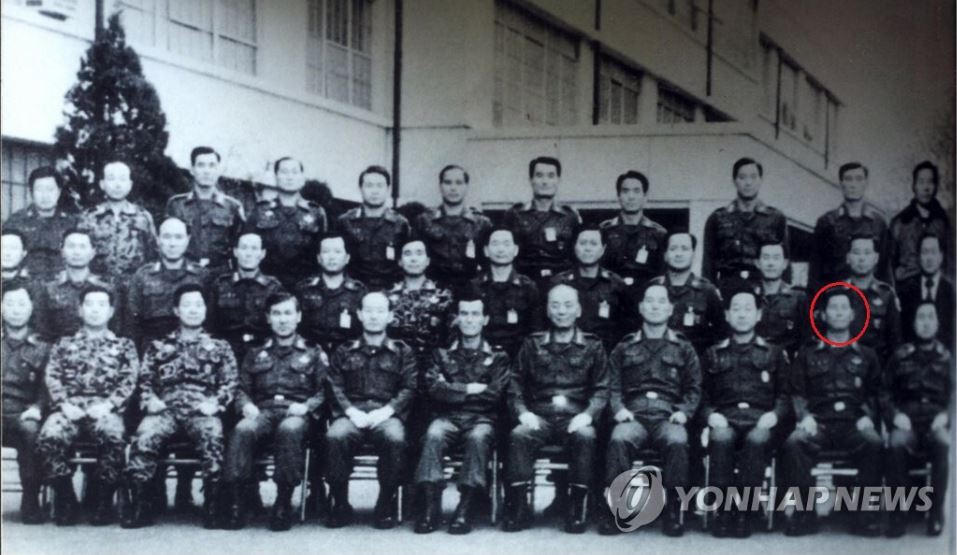
Despite gaining freedom through the 1997 special pardon, the legal net surrounding Chung Ho-yong did not completely lift with the passage of time. In 2024, the Committee for the Investigation of the Truth of the May 18 Democratic Uprising filed a new complaint against him for the crime of homicide for the purpose of rebellion, demonstrating a will to pursue accountability to the end. This procedure was possible because records of additional casualties confirmed during the operations and facts regarding troop mobilization and command became clearer. The fact that he could not completely escape the scrutiny of judicial investigations and social monitoring until just before his death testifies to the weight of his misdeeds.
Although it was difficult to impose substantial additional punishment due to his advanced age and declining health, the complaint itself held significant historical meaning. Efforts to correct the wrongs of the past and restore the honor of those sacrificed to state violence should not stop just because an individual has died. The work of uncovering the truth serves as a compass not only for determining punishability but also for recording the truth and warning against the repetition of tragedy. The legal responsibilities that Chung Ho-yong faced throughout his life demonstrate the truth that even if one tries to cover up the truth, it will eventually surface. While one might claim that death allows one to put down all burdens, the traces of the legal disputes he left behind will remain as valuable records of our society.
The investigation committee re-filed a complaint against Chung Ho-yong based on the confirmation of additional casualties and facts of command.
6. Historical Responsibility and Remaining Tasks
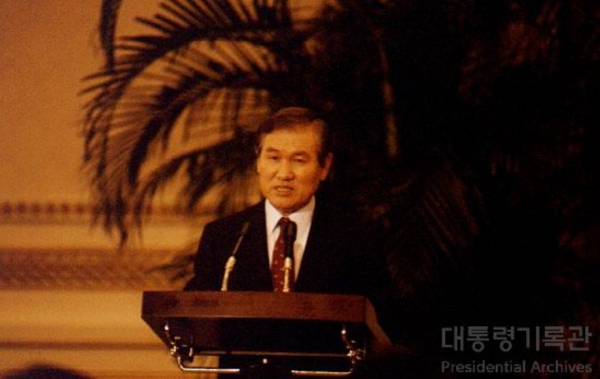
The news of former Minister Chung Ho-yong’s death has once again evoked complex emotions among the victims and their families who lost their lives or have lived with lifelong wounds during the May 18 uprising. Despite legal pardons and the passage of time, the brutality of the operations he directly involved in still lives vividly in numerous records and testimonies. Now that he has passed away, we must coldly reflect on his actions and consider what our society must remember for true reconciliation and the settlement of the past. The judgment of history does not end with the death of a specific individual or the passage of time; it continues eternally through records and memory.
Going forward, we bear the solemn duty to correctly transmit the painful history of the past to the next generation without distorting or forgetting it. Uncovering the truth is not an act that incites conflict, but an essential stepping stone for fundamentally healing wounds and moving toward a better future. We hope that through this article, you will reflect on the painful twists and turns of our modern history and feel once again the preciousness of peace and democracy. We must wisely solve the homework left by the perpetrators of history to build a society where justice lives. Our continuous interest and memory are desperately needed to create a healthy community where no one sheds tears due to state violence.
Chung Ho-yong’s death is not the completion of historical responsibility, but a reminder of the importance of proper settlement of the past and memory.
Frequently Asked Questions
=