Personal pensions are a core asset management tool that you must prioritize to create a stable cash flow after retirement. Many office workers often feel overwhelmed, wondering how to invest their leftover money after their salary is consumed by living expenses. In reality, even if you earn several million won a month, the remaining funds after fixed expenses are often insufficient, leading people to postpone their retirement preparations. However, statistics consistently show that, as stated by the National Pension Service and experts, relying solely on the National Pension and corporate pensions is difficult to sustain a comfortable retirement lifestyle. Therefore, today we will detail realistic strategies for securing retirement funds that both office workers and freelancers can easily implement. If you read this article to the end, you will be able to design a system where money flows into your account every month, much like a warm salary.
=
6 Realistic Strategies for Securing Retirement Funds with Personal Pensions
1. Completing the 3-Tier Pension Structure
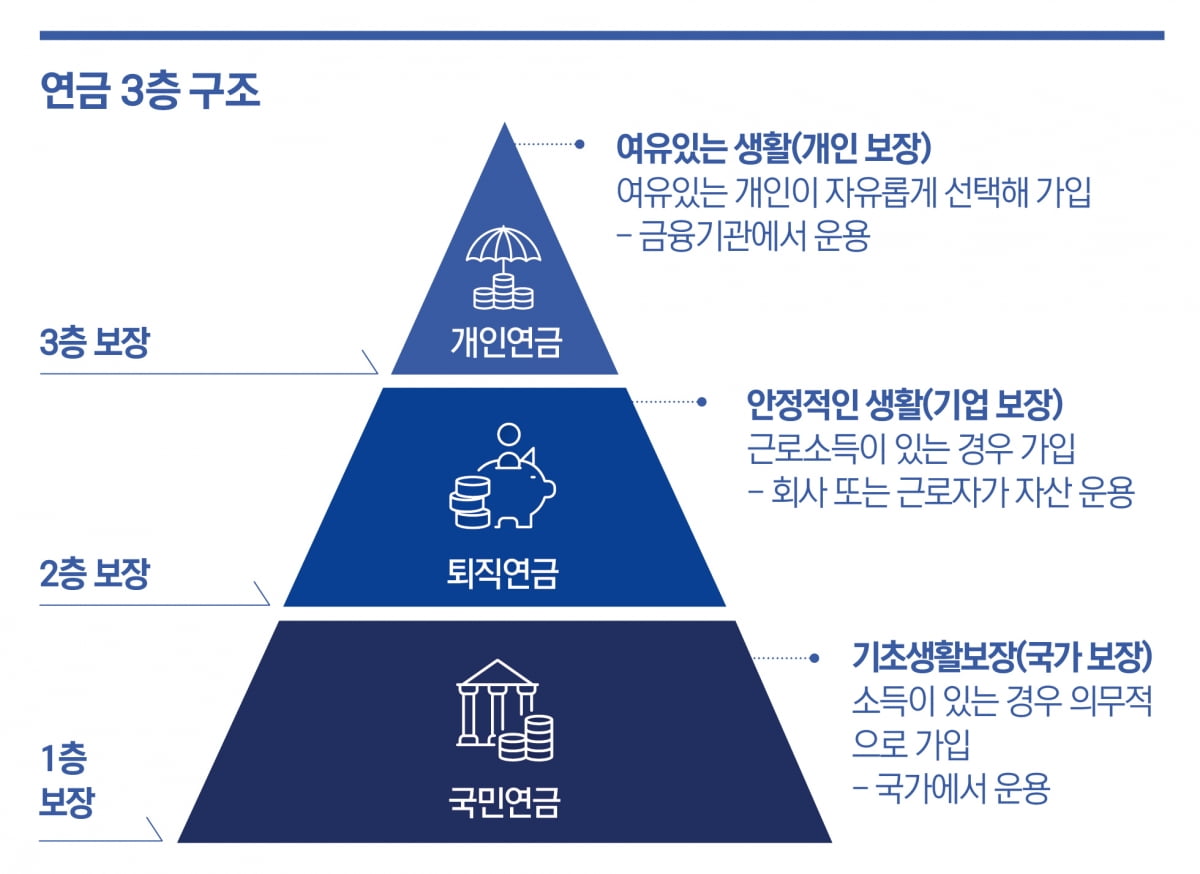
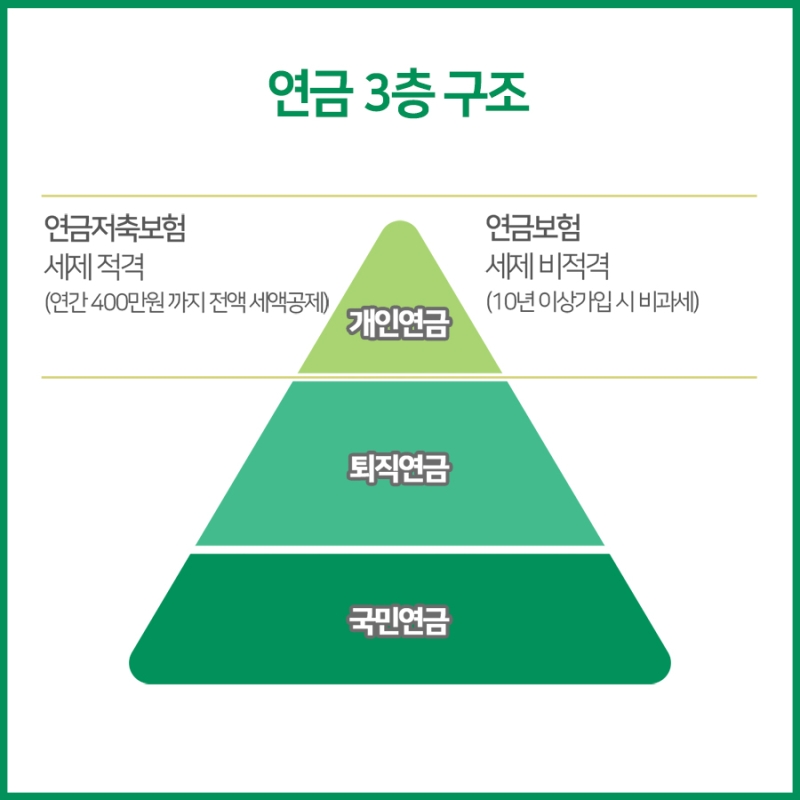
Relying solely on the National Pension and corporate pensions can lead to significant financial difficulties due to insufficient living expenses after retirement. Public institutions and private experts strongly recommend a three-tier structure consisting of the National Pension, corporate pensions, and personal pensions for retirement preparation. The first tier, the National Pension, is guaranteed by the state, but it may fall short of fully keeping up with inflation. The second tier, corporate pensions, is also prone to fragmentation through intermediate settlements when changing jobs, making it difficult to preserve as a complete retirement fund.
This is where the final tier, the personal pension, plays a decisive role in perfectly filling the gap in retirement living expenses. In fact, hearing from retirees around us, they say that government support alone is far from enough to cover medical bills or leisure expenses. Therefore, the habit of consistently paying a fixed amount each month, tailored to your income level, is paramount. Starting with even a small amount now is the starting point that creates a difference of tens of millions of won in a few years.
Personal pensions are not an option but a necessity to complement the limitations of the National Pension and corporate pensions.
2. Tax Benefits and Tax-Saving Effects
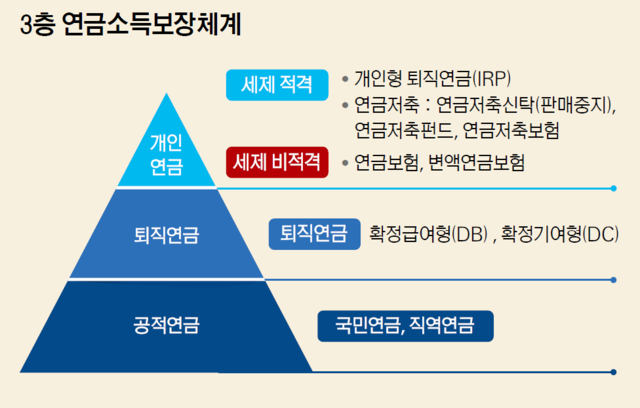
One of the biggest reasons to enroll in pension savings products is the generous tax deduction benefit received during the year-end tax settlement. Busy office workers often seek various financial products to avoid the “13th-month bomb” of tax bills, but few products are as beneficial as pension accounts. Since a certain percentage of the contributed amount is directly deducted from taxes, you can enjoy the effect of maximizing your real rate of return. For example, if you consistently deposit a fixed amount into your account every month, you will experience the joy of seeing cash return to your bank account during the year-end tax settlement.
Additionally, when you later receive these accumulated funds in the form of a pension, they are subject to a much lower tax rate compared to general financial income. This significantly reduces the tax burden after retirement, resulting in a substantial increase in real retirement income. However, there are often regrettable cases where people enroll solely for the tax benefits, only to cancel mid-way and incur losses. Therefore, you should accurately assess your monthly income and fixed expenses and set your contributions within a manageable limit.
Year-end tax deductions and low withdrawal tax rates are powerful weapons unique to personal pensions.
3. How to Utilize Exchange-Traded Funds (ETFs)
In the recent wealth management market, the most notable investment destination is undoubtedly Exchange-Traded Funds (ETFs) that track various indices. In the past, deposits and savings accounts at banks were the only options, but now equity asset investments are possible even within pension accounts. In particular, combining high-dividend products that pay dividends regularly with stable bond assets can create a monthly cash flow. In fact, many investors are investing in equity assets that trend upward long-term, using a systematic investment plan (SIP) to avoid being swayed by stock price volatility.
Pension accounts opened through securities firms or banks allow you to directly select quality stocks, offering a high degree of investment freedom. If you set up automatic purchases on a fixed date each month, you can grow your assets without worrying about them amidst your busy daily life. However, it is strictly forbidden to sell based on emotions when market conditions change rapidly; a posture of silently adhering to principles is required. Wisdom is needed to build a robust portfolio by evenly including products that deliver excellent performance across various investment sectors.
Utilizing ETFs within pension accounts allows you to capture both asset growth and cash flow simultaneously.
4. Preparation for Freelancers and Self-Employed Individuals
For freelancers and self-employed individuals without a fixed salary, preparing for retirement is an urgent issue that cannot be postponed. Seeing news about freelancers with fluctuating monthly incomes facing personal rehabilitation or bankruptcy makes life after retirement feel even more daunting. Since retirement funds do not accumulate automatically like they do for office workers, you need the resolve to set aside funds yourself. Fortunately, many flexible products that allow people with irregular incomes to enroll have recently been launched, broadening the range of choices.
You must develop the habit of transferring a certain percentage of your monthly income to your pension account first, treating it like a fixed expense. You can operate flexibly by reducing contributions in months with low income and making additional contributions in months with surplus. If you focus only on immediate operating profits or short-term funds, you may face a significant financial crisis at retirement. From now on, you should continue saving consistently with the mindset of sending a salary to your future self, little by little, every month.
Voluntary personal pension contributions are essential, especially for freelancers and self-employed individuals without fixed income.
5. The Power of Automation and Long-Term Investing
The easiest way to succeed in wealth management is to automate the process through a system rather than relying on human willpower. If you set up automatic transfers to your pension account on payday, you won’t have the chance to spend the money, and it will accumulate naturally. Since humans tend to increase unnecessary spending when they see a high balance, it is wise to block access to the money from the start. In fact, office workers who practice this method are often surprised to see the massive accumulated funds in their accounts after just a few years.
Believing in the power of time and investing long-term is the most certain way to maximize the effect of compound interest. Most people who try to make big money in the short term by checking the stock market daily end up stressed and failing. On the other hand, if you consistently invest in assets that trend upward for over ten years, they will naturally recover even during economic crises. You should approach this with the mindset of diligently laying bricks day by day toward the distant goal of retirement.
You must continue long-term investing using an automatic transfer system to fully enjoy the benefits of compound interest.
6. Outlook for Successful Retirement Planning
Personal pensions are a core element that determines quality of life, going beyond simply solving the problem of eating and surviving in old age. As average life expectancy continues to increase, life after retirement will be much longer and more diverse than in the past. Only those who prepare steadily from a young age can enjoy economic freedom and a leisurely life in their old age. Do not be swayed by others’ stories; please open a pension account suitable for you starting today. A small practical step will become the key to a miracle that completely changes your retirement in a few decades.
Securing retirement funds yields the greatest effect when started not tomorrow, but right now. We encourage you to become a wise financial consumer who invests in your future self with the mindset of saving the cost of one cup of coffee each month.
Only thorough preparation and consistent practice can complete a retirement salary that never runs dry.
Frequently Asked Questions
=