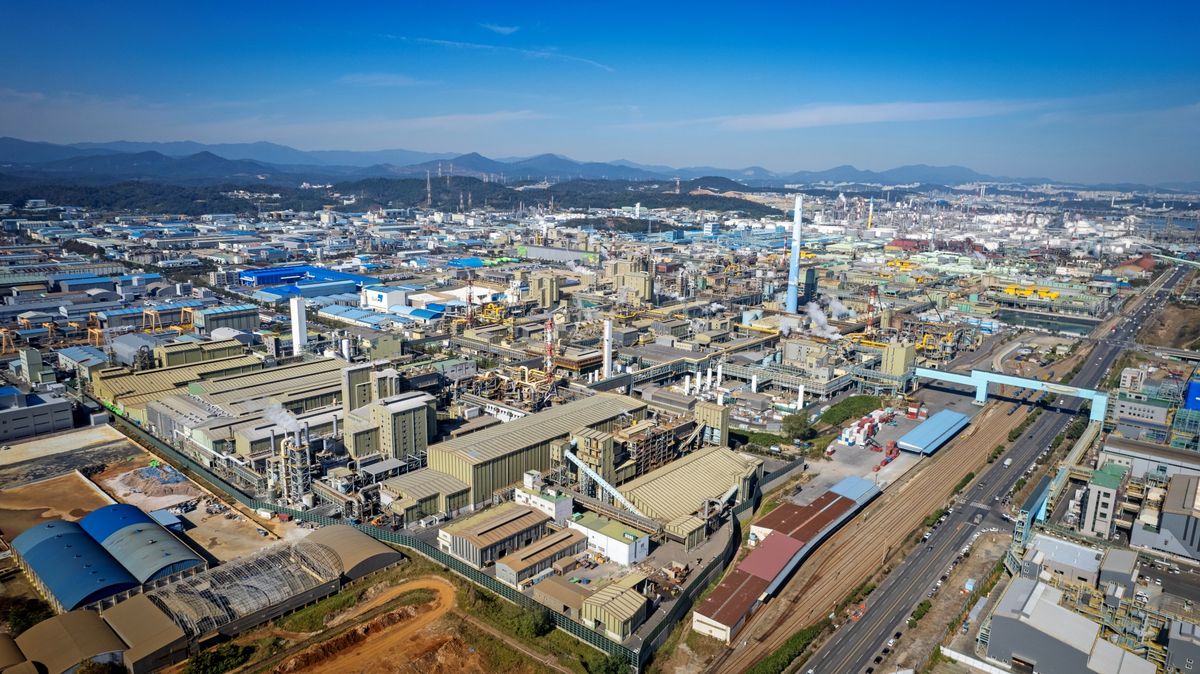
A tragic major industrial accident occurred at Korea Zinc’s Onsan Refinery in Ulsan, where a worker from a subcontractor fell and died while on the job. The incident took place on the 16th on the roof of the second factory at the Onsan Refinery, during work to install a ventilation fan and handle roof panels. A worker in his 40s stepped on a skylight, causing the glass or plastic material to shatter, and he fell to the ground below. Tragically, the rope of his safety harness also snapped during the fall, preventing him from escaping death. This heavy incident serves as a stark reminder of the critical importance of workplace safety management in corporations. In this article, we will carefully examine the specific circumstances of the accident, the status of investigations by relevant authorities, and future countermeasures.
=
Cause of the Major Industrial Accident at Korea Zinc’s Onsan Refinery and Future Challenges
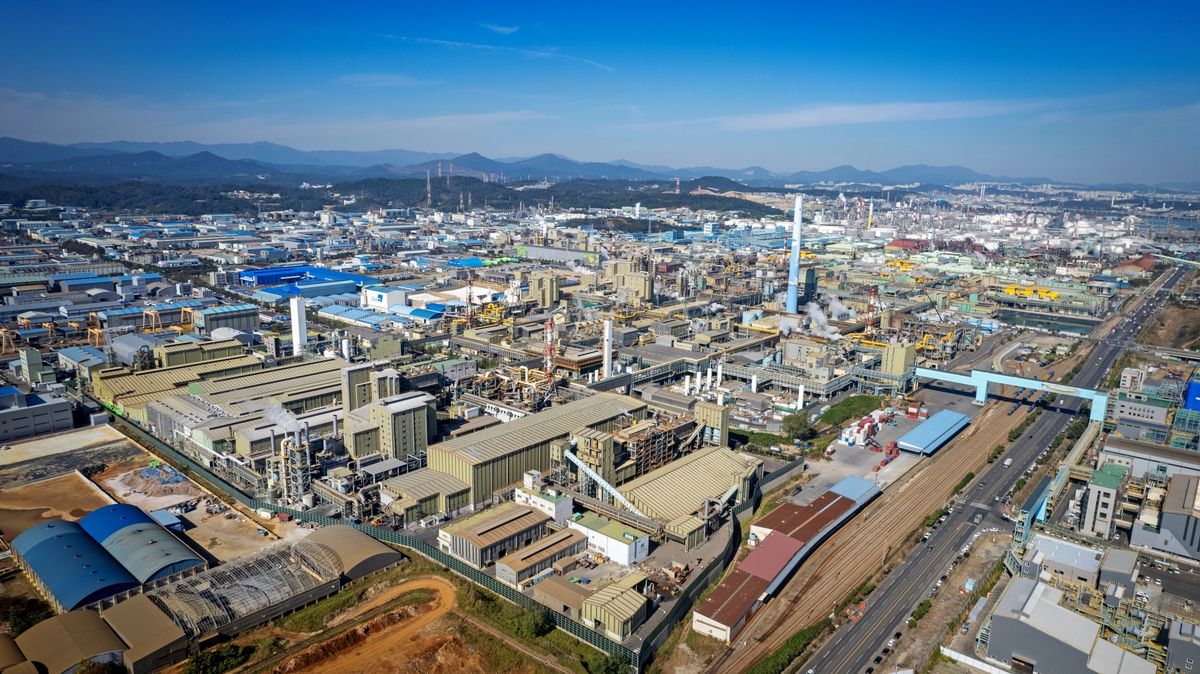
1. Overview of the Accident and On-Site Conditions
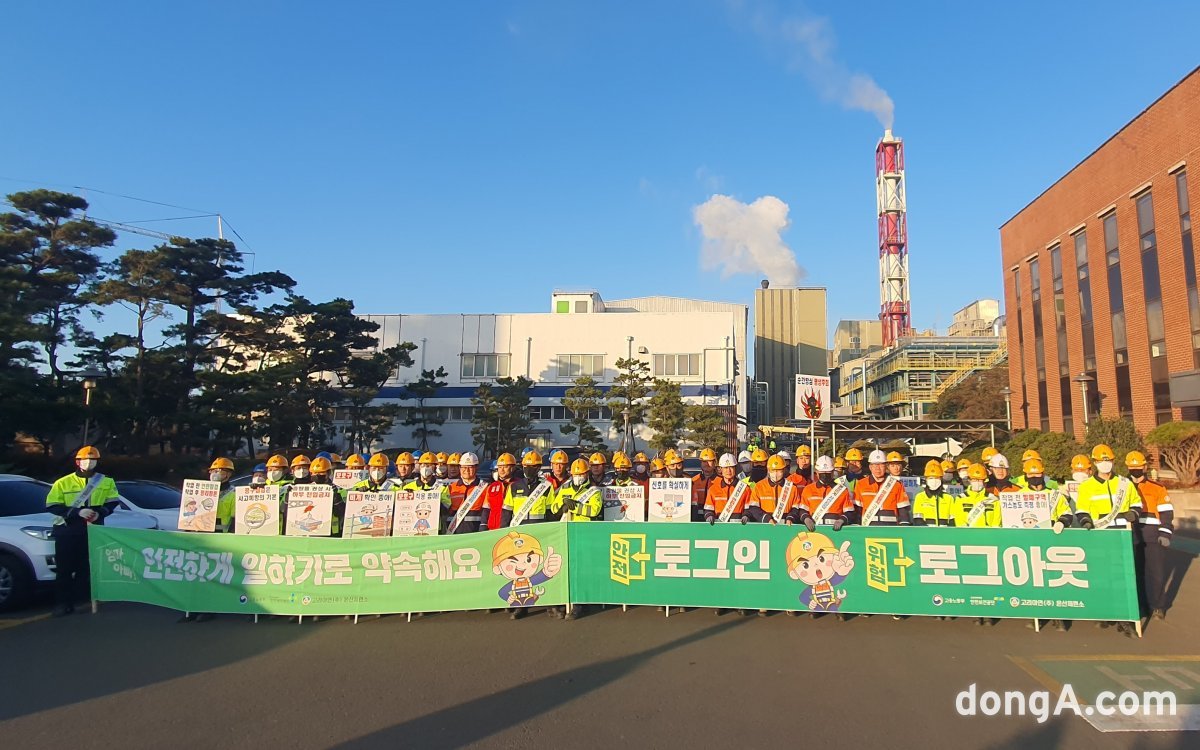
Korea Zinc officially stated its position through the Financial Supervisory Service’s Electronic Disclosure System regarding the major industrial accident at its Onsan Refinery. The accident occurred on the 16th, on the roof of the second factory within the Onsan Refinery. At the time, outsourced work related to roof panel maintenance and ventilation fan installation was in full swing. Factory roofs are high-risk areas where the danger of falling is ever-present, requiring extreme caution. However, during the work, the skylight on the roof where the worker stepped could not withstand the weight and shattered. When working on roofs, safety protocols require installing walkways or covers around skylights, raising questions about whether these safety rules were properly followed. As the skylight collapsed in an instant, the worker fell helplessly to the lower levels of the building. This tragic accident resulted in the loss of life of a worker in his 40s from a subcontractor. Public outrage is growing because a subcontractor worker was sacrificed at a site that should have been under the strict supervision of the main contractor. Despite numerous industrial safety measures being introduced every year, the safety net for workers on the ground remains fragile.
A subcontractor worker fell and died after a skylight shattered while performing panel work on the roof of the second factory at Korea Zinc’s Onsan Refinery.
2. Safety Harness Rope Failure and the Danger of Falls
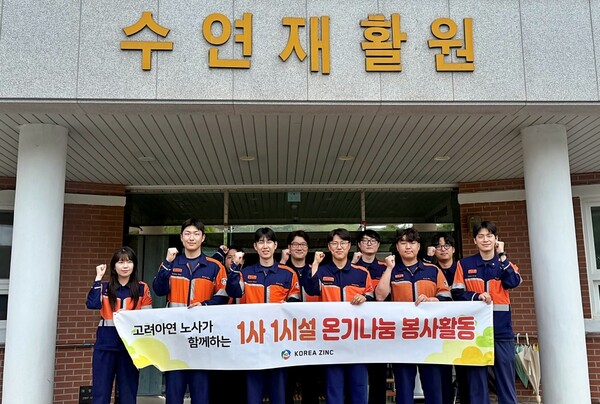
Construction and maintenance work performed on roofs carries a very high risk of falling accidents due to the nature of working at heights. Therefore, all workers are legally required to strictly wear personal protective equipment such as helmets and safety harnesses. It has been confirmed that the victim in this accident was wearing a safety harness. However, the rope of the safety harness, which was supposed to support the body, snapped under the sudden impact of the fall. With the rope broken, the worker fell several meters below without any protection from safety equipment. Safety equipment is the last line of defense, and the fact that it became useless exposes the flaws in on-site inspections. This is why a thorough investigation is needed into whether the rope’s aging condition or load limit was suitable for the on-site situation. When moving on a roof, workers should step on walkways that distribute weight, but due to limited visibility or skylights being hard to see, they are often stepped on. Skylights are less strong than general slate roofing materials and have the characteristic of breaking easily even with minor impact. Although installing safety covers to prevent these hazards in advance is mandatory, they are often neglected on-site due to cost or time issues.
Despite wearing a safety harness, the rope snapped, failing to prevent the fall and leading to a tragic loss of life.
3. Investigation Launch by the Ministry of Employment and Labor and Relevant Agencies
Immediately after the accident, relevant authorities, including the Ministry of Employment and Labor, dispatched investigators to the scene to determine the exact circumstances. The Ministry issued an immediate work stoppage order for the specific work area in the second factory of the Onsan Refinery where the accident occurred. Halting on-site work is considered an essential measure to prevent further loss of life and preserve evidence. The investigation team is intensively questioning on-site workers and managers to determine if safety rules were properly followed. In particular, they are scrutinizing whether the work was conducted in accordance with safety management regulations and whether there was any negligence in supervision by Korea Zinc, the main contractor. If violations of the Occupational Safety and Health Act are found, severe punishment for those responsible appears inevitable. Work is underway to clearly determine the liability between the subcontractor and the main contractor and to verify whether the work plan was properly approved in advance. Authorities are also highly likely to expand fact-finding investigations to all roof work sites with similar structures, using this accident as a turning point.
The Ministry of Employment and Labor has issued a work stoppage order at the Onsan Refinery accident site and is thoroughly investigating potential legal violations.
4. Korea Zinc’s Position and Post-Accident Response Efforts
Upon learning of the accident, Korea Zinc immediately expressed deep regret through a public disclosure and a statement. The company repeatedly emphasized its intention to cooperate sincerely and actively with the accident investigation by relevant authorities. Furthermore, it promised to establish thorough preventive measures commensurate with the findings once the exact cause of the accident is determined. The company conveyed its policy of expressing deep condolences to the bereaved family and making every effort to handle the aftermath of the accident. However, such formal apologies and announcements of countermeasures are insufficient to bring back a lost life or appease public opinion. There is much criticism that while companies always call for prevention after accidents, the practical safety culture on the ground does not change significantly. True reflection begins with re-examining all processes from scratch during the work stoppage period and receiving diagnoses from external experts. Structural improvement plans must be prepared to ensure that subcontractor workers are not discriminated against in safety training or equipment support.
Korea Zinc stated that it will cooperate with the investigation by relevant authorities and prepare preventive measures after the exact cause is identified.
5. Structural Issues in High-Altitude Work at Refineries
In large-scale industrial complexes like the Onsan Refinery, roof work for maintaining aging facilities is constant. The older the factory building, the more the roofing materials corrode or weaken, exponentially increasing the risk of accidents. Incidents like this, where a skylight is stepped on and shattered, are one of the typical “developing country-type” disasters that repeat annually in industrial settings. Roof panel work is a special management target because even a slight misstep can lead to a major disaster. The subcontracting structure, where work is outsourced, is also cited as a primary cause creating blind spots in safety management. Main contractors pressure for cost reduction and schedule shortening, while subcontractors often skip safety rules under tight deadlines. If this vicious cycle is not broken, a second or third Onsan Refinery accident could happen at any time. Pre-work safety inspection meetings should not be conducted formally; instead, actual workers must be given the right to directly verify hazards and refuse work.
Aging factory roof work and the outsourcing structure are creating chronic safety blind spots in industrial settings.
6. Challenges and Outlook for Preventing Major Industrial Accidents
This accident at Korea Zinc’s Onsan Refinery shows how much stricter our society must become regarding industrial safety. Companies must establish a management philosophy that prioritizes workers’ lives and safety over profit maximization. The government must also move beyond punishment-centric regulations and implement effective support measures that can actually change the on-site reality. Readers, if you witness safety rules being ignored in workplaces around you, please actively raise your voice. Once the investigation by relevant authorities is completed, the specific liability and level of punishment for this accident will become clear. We must watch to see if Korea Zinc can move beyond superficial countermeasures and build a fundamental safety system in response to this tragedy. Creating a society where every worker can work safely and return home is a challenge for all of us. I sincerely hope that we will no longer hear tragic news of precious lives being lost in the workplace.
Thorough fact-finding and the construction of a sincere safety system by companies are the shortest path to practical disaster prevention.
Frequently Asked Questions
=