For Gadeok New Airport to successfully leap forward as the central aerial gateway of the southern region without any hitches, reflecting realistic construction costs and expediting administrative permitting procedures have been identified as the most critical tasks. At a recent expert policy forum held at the Busan Chamber of Commerce, voices rose high calling for a response to the rapidly changing construction environment, especially as the basic design documents for the land reclamation works have been submitted and the start of priority construction is imminent within the year. The concern is that if the soaring raw material prices and international geopolitical instability are not reflected, serious disruptions could occur during the construction process. Local business leaders and experts unanimously stated that the government and relevant agencies must pool their efforts to formulate effective measures to ensure both safety and quality. In this article, we will take a detailed look at the major challenges faced in the construction of Gadeok New Airport and the specific solutions to address them. We hope this serves as an opportunity for readers to examine the realistic concerns and directions for resolution facing this major national project. We will gradually explore what efforts are needed to ensure smooth construction until the final opening in 2035.
=
Key to the Successful Construction of Gadeok New Airport: Securing Adequate Construction Costs and Accelerating Permitting Processes
1. Current Status of Gadeok New Airport and Background of the Expert Forum
With the formal submission of the basic design documents for the land reclamation works, the Gadeok New Airport project is approaching a crucial turning point: the commencement of priority construction within the year. At this juncture, the Southeastern Gateway Airport Promotion Committee and the Citizens’ Empathy for Preparing the Future Society jointly held an expert policy forum at the Busan Chamber of Commerce, attracting significant attention. The event was attended by approximately 200 people, including key local political figures, heads of construction associations, experts from various fields, and representatives from civic groups, who showed keen interest. Participants also performed a picket line, holding signs with messages stating that construction costs must be reflected more rationally and permitting procedures must be processed much more swiftly. A consensus has formed that now, just before the project enters its main track, is the most appropriate time to review accumulated issues and seek future-oriented alternatives. On-site, there were repeated points out that rather than simply emphasizing speed, risks that may arise in the changing domestic and international environment must be thoroughly managed. Participants appeared to expect that this forum would not be a one-off event but would have a substantial impact on the actual policy-making process. In particular, given that this is a long-standing wish of local residents and business leaders, a heavy sense of responsibility was felt that it must be promoted safely without a single error.
The policy forum held ahead of the Gadeok New Airport groundbreaking was organized to review practical issues in the rapidly changing construction environment.
2. The Urgency of Securing Adequate Construction Costs Amid Soaring Raw Material Prices
The rapid changes in the international situation and global supply chain instability over the past few years have dealt a direct blow to the domestic construction market. With raw material prices and labor costs skyrocketing to unprecedented levels, it is becoming increasingly difficult to proceed with construction normally on the originally estimated budget. Professor Choi Man-jin, a distinguished professor at Gyeongsang National University, who presented on this day, diagnosed that unpredictable external factors occurring after the bid announcement are increasing the financial burden on construction companies. Therefore, he emphasized that it is urgent to objectively verify the actual cost increases and reflect them rationally in the construction costs. The argument that a system is needed to officially recognize exceptional cost increases as force majeure has gained momentum. Additionally, a specific alternative was proposed to introduce a temporary special provision to flexibly reflect price fluctuations occurring between the bid announcement and the actual contract signing. It is essential to establish transparent and objective criteria that comprehensively consider reliable construction cost indices, actual on-site procurement prices, and exchange rate fluctuations.
Reflecting adequate construction costs through objective verification is essential to cope with unexpected increases in raw material prices and labor costs.
3. The Need for a Government-wide Organization to Simplify Complex Permitting Procedures
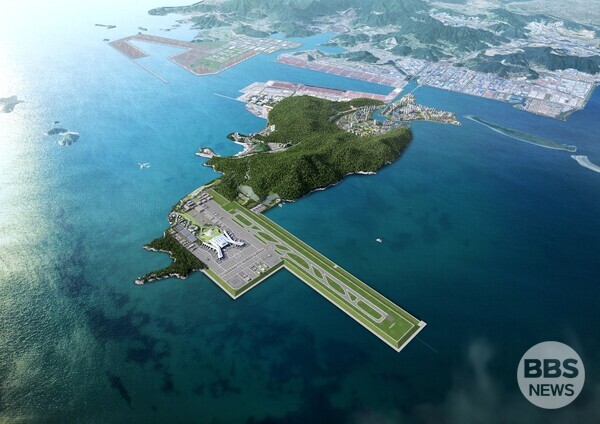
For a large-scale national project to succeed, how quickly complex and difficult administrative permitting procedures are completed is just as crucial as securing the budget. Mega-projects like airport construction involve the interests of numerous ministries and local governments, often taking considerable time in administrative processing. Professor Choi Man-jin proposed that the Office of the Prime Minister must exercise strong leadership to oversee the entire process to minimize such administrative delays. It is suggested that a government-wide dedicated organization should be formed promptly, with organic participation from relevant ministries, the City of Busan, and the dedicated industrial development corporation. If such a dedicated organization is activated, it will lay the foundation for breaking down barriers between ministries and simultaneously processing the accumulated permitting documents and regulatory reviews. On-site, it is widely agreed that since financial costs and schedule extension risks arising from administrative delays are enormous, swift processing leads directly to budget savings. Only by making the decisive move to boldly simplify unnecessary regulations and procedures can the government and local authorities ensure the achievement of the 2035 opening target.
A government-wide dedicated organization overseen by the Office of the Prime Minister should be established to process complex administrative permitting procedures swiftly.
4. Solutions Proposed by Experts to Resolve On-site Uncertainties
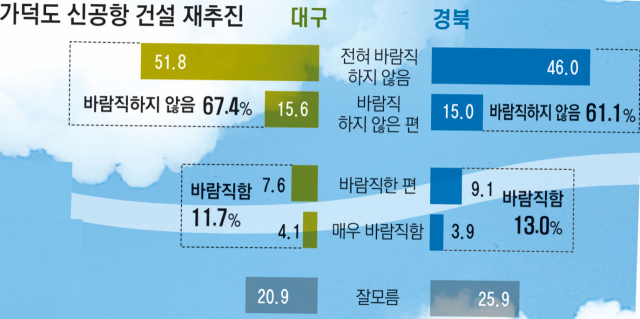
In the comprehensive discussion following the keynote presentations, prominent experts from fields such as aviation, construction, economics, and law participated in a heated debate. Under the chairmanship of Department Head Kim Gwang-il from Silla University, attendees unanimously stated that various uncertainties related to on-site contract conditions must be resolved early. This means that rather than limiting to document reviews, the ability to meticulously grasp and flexibly respond to construction difficulties encountered in the actual field is required. In particular, practical advice was given to prepare contingency plans in anticipation of the possibility of prolonged exchange rate fluctuations or material supply instability. Construction industry officials repeatedly emphasized that predictable construction is only possible if a system of transparent information sharing and close communication is established. Unlike general buildings, airports are facilities that require high levels of safety and precision, so meticulous management skills to catch even minor variables are essential. Experts attending the discussion advised that the government, local authorities, the industrial development corporation, and the construction company must act as one, listening to the voices from the field and providing immediate feedback.
Close communication and flexible response among relevant agencies are needed to resolve uncertainties surrounding contract conditions and on-site circumstances early.
5. Expectations from the Local Business Community and the Significance of the Southern Region’s Aerial Leap
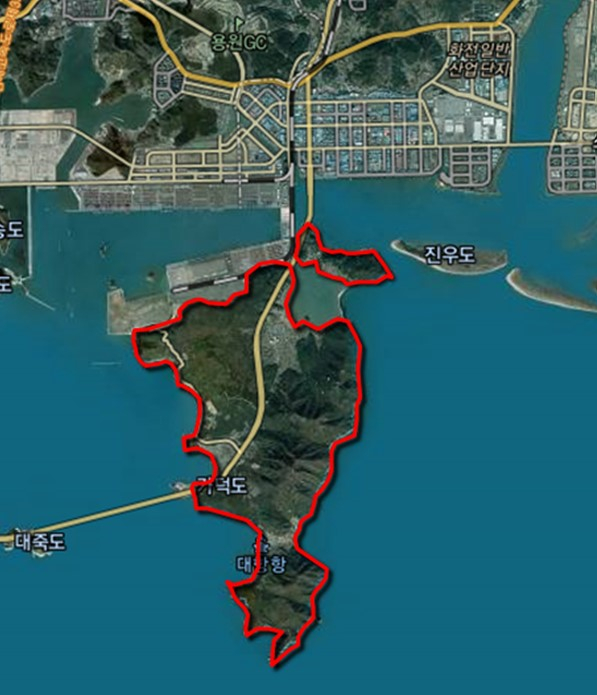
The construction of Gadeok New Airport is a historic project that goes beyond simply expanding transportation infrastructure and has the potential to change the economic map of the entire southern region of South Korea. Co-Chairman Yang Jae-seung expressed strong determination in his opening remarks to find realistic solutions that can perfectly secure safety and quality along with speed. The local business community also expects that if Gadeok New Airport is successfully completed, logistics costs will be drastically reduced and the global competitiveness of regional companies will be significantly strengthened. This project is a national task that can no longer be delayed, even for the sake of alleviating the excessive concentration of logistics and infrastructure in the capital region and achieving balanced national development. Residents and business leaders are filled with the expectation that a new aerial gateway for the southern region, which they have earnestly desired for a long time, is finally opening. However, they hope that the government, political circles, and local authorities will take responsibility to the end to see the project through, so that these huge expectations do not turn into disappointment. If the passionate desire of the local community is combined with the cool-headed advice of experts, Gadeok New Airport can rise as a world-class gateway airport, not just for South Korea.
Gadeok New Airport is a core infrastructure expected to drive the economic leap of the southern region and balanced national development, receiving high expectations from the local community.
6. Remaining Tasks for a Successful Opening and Our Attitude
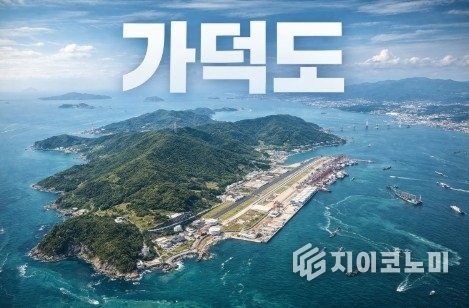
The Gadeok New Airport construction project, heading toward its final opening in 2035, has only just taken its first important step, and there are many hurdles to overcome in the future. Now that the commencement of priority construction within the year has become visible, it is time to move from planning to execution and thoroughly prepare for all possible variables. Above all, continuous monitoring and support are needed to ensure that reasonable construction cost estimation and swift administrative permitting work together without hitches. The government and relevant agencies must listen to the voices from the field and quickly supplement any raised issues to ensure that construction does not stop. We ask readers to send warm interest and continuous support so that this major national project, which will determine the future of South Korea, can proceed in the right direction. We plan to deliver major news related to Gadeok New Airport quickly and accurately, so we look forward to your anticipation. We sincerely hope for the day when a safe and perfect airport is constructed without hitches and can be used proudly by residents of the southern region and all citizens.
To achieve successful completion, we must continue with thorough construction cost management and swift administrative processing, targeting the 2035 opening, while maintaining continuous interest.
Frequently Asked Questions
=