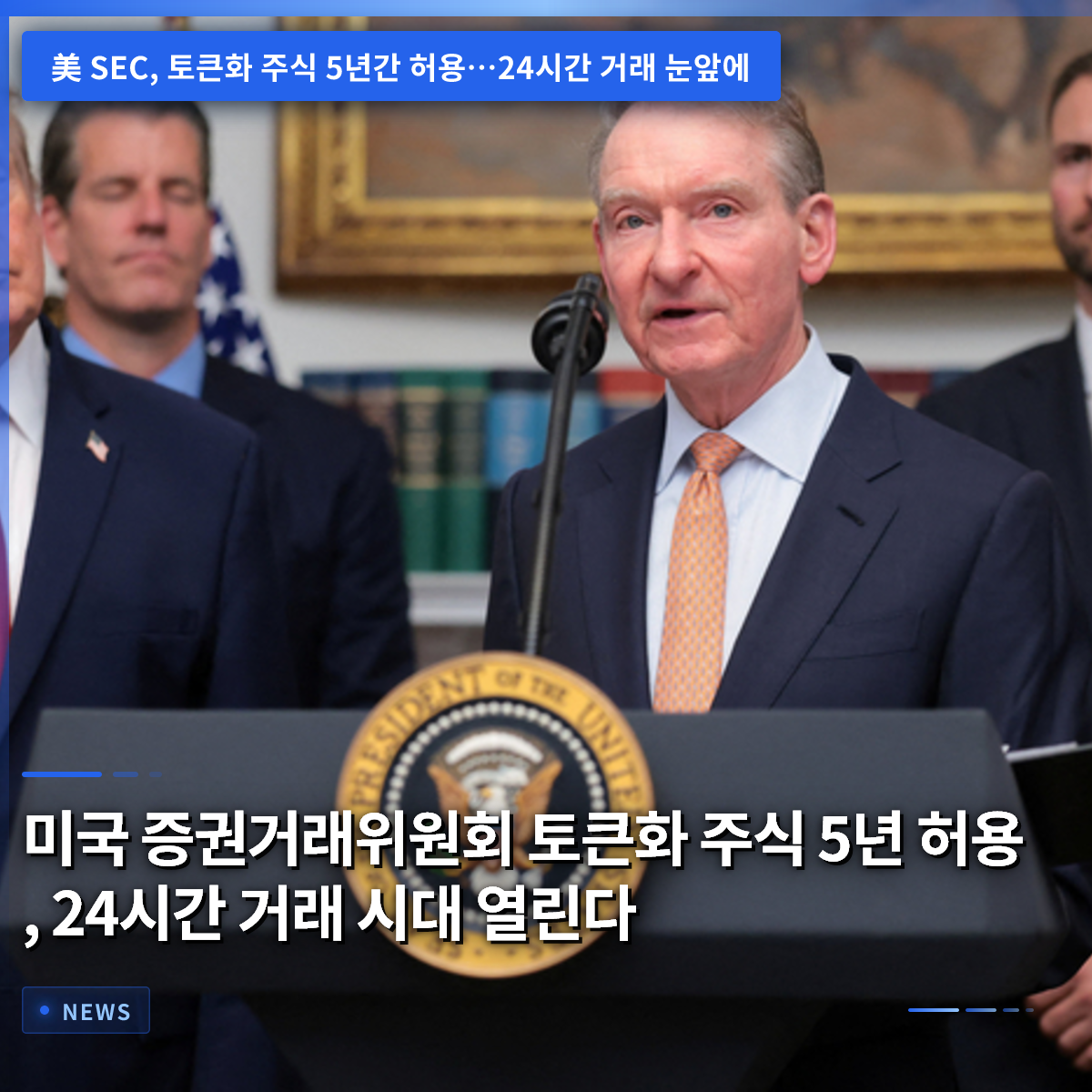
The U.S. Securities and Exchange Commission (SEC) announced on the 17th (local time) a sudden innovation exemption plan to temporarily allow tokenized stocks—where physical assets are converted into digital form for trading—for the next five years. This measure, which takes immediate effect, is an extraordinary step taken just two days after the Clarity Act, aimed at comprehensively supervising the virtual asset market, was rejected in the Senate. This move opens the door for employees and students, who were previously restricted to trading only during New York Stock Exchange (NYSE) opening hours, to freely buy and sell stocks day and night. For instance, it is expected to become commonplace for individuals to focus on their primary jobs during the day and then trade high-quality U.S. stocks via their smartphones while lying in bed late at night. Let’s take a closer look at the background and details of this regulatory relaxation and the seismic shifts it may trigger in the global financial market. We will carefully examine how this new investment environment, based on blockchain technology, will impact our wallets and asset growth.
=
SEC Approves Tokenized Stocks for 5 Years, Opening the Era of 24/7 Trading
1. Core Details and Background of the Innovation Exemption System

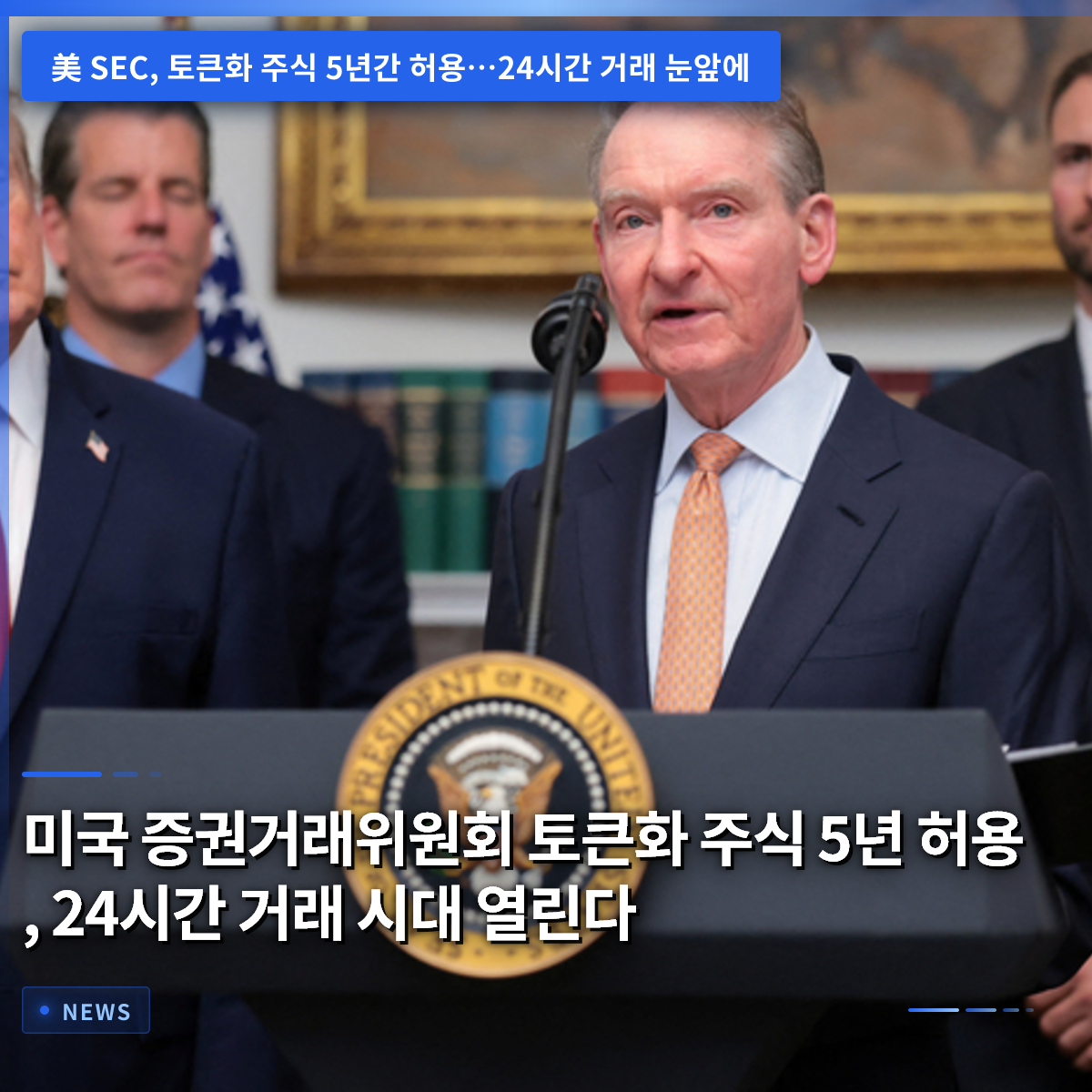
The innovation exemption system announced by the SEC paves the way for stocks to be freely traded in digital token form on blockchain-based exchanges. The scope of tradable assets is broad, including not only stocks of companies listed on the NYSE but also tokenized stocks issued by third parties, injecting vitality into the market. However, to prevent indiscriminate issuance, a safety mechanism has been established requiring third parties to notify the respective companies when tokenizing their stocks. If a company exercises its right of refusal within 30 days of receiving the notification, the token trading of that stock is immediately prohibited. Additionally, security-based swaps or wrapper-style synthetic tokens intended solely for price tracking are excluded from this exemption, maintaining investor protection measures. SEC Chairman Paul Atkins emphasized that, given the failure of congressional legislation, this is the most powerful and effective measure possible within his legal authority.
This policy shift is a clear signal of the regulatory authorities’ changing attitude toward dismantling the boundaries of traditional financial markets and embracing new technologies. As innovative trading methods, once unimaginable, are put to the test within legal frameworks, expectations among market participants are growing. In particular, virtual asset-related companies are welcoming this decision and are quickly jumping into the development of new products and infrastructure construction.
The SEC has announced an innovation exemption plan allowing tokenized stock trading for five years, aiming for market innovation within institutional safety mechanisms.
2. The Dawn of the 24/7 Stock Trading Era and Market Reaction

As soon as the news of allowing tokenized stocks broke, Wall Street and related virtual asset markets reacted fiercely, recording explosive gains. Securitize, a blockchain-based securities trading platform, demonstrated its strength by surging nearly 15% in a single day during regular NYSE trading hours. Robinhood, which operates a popular investment app, also saw its stock price rise by more than 5%, joining the wave of investor buying. Last fall, the Nasdaq exchange officially requested permission for stock tokenization, and the NYSE had also been pushing for the construction of a blockchain platform. With the SEC’s approval, the opening of a securities market that never stops, operating 24 hours a day, is now within reach.
From the investors’ perspective, this offers immense convenience by allowing them to liquidate or buy assets at any time without constraints from time zones or business hours. Employees who were too busy with work during the day to open their stock trading windows can now immediately respond to global market movements after work or in the early morning. This change is expected to significantly boost stock market trading volume and serve as a massive catalyst connecting global liquidity.
Related stock prices surged immediately after the announcement allowing tokenized stocks, and the 24/7 trading environment, free from business hour restrictions, is rapidly becoming reality.
3. Potential Collision Between Traditional Financial Infrastructure and Blockchain

The introduction of new technology is not always welcomed, and sharp warnings are emerging that it could harm financial stability. The International Monetary Fund (IMF) pointed out last spring that the side effects of being unable to properly handle sudden risks in the financial market due to the adoption of tokenization platforms could outweigh the benefits. The real-world financial system is still designed to operate with direct human intervention and aligned with business hours, whereas blockchain operates 24/7 without stopping. There are concerns that the rapid trading speed of cryptocurrency-based systems may outpace central bank regulatory and control systems, potentially eliminating the market’s shock absorbers.
In reality, when unexpected macroeconomic bad news breaks during the night or on weekends, it becomes technically very difficult for regulatory authorities or major financial institutions to intervene immediately to stabilize the market. As the gap between trading speed and regulatory enforcement speed widens, there is a persistent risk that even small shocks could instantly lead to a massive market collapse. Therefore, careful attention is needed to ensure that we do not end up in a major accident at a sharp curve while racing with the seatbelt off in the name of innovation.
The speed difference between 24/7 operating tokenization platforms and traditional central bank regulations tied to business hours is identified as a new risk factor for financial markets.
4. Global Exchanges’ Race to Build Infrastructure
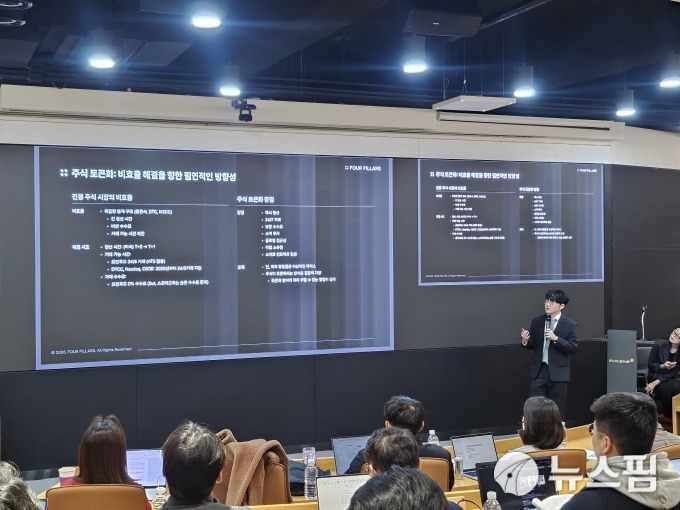
The SEC’s announcement has ignited the ambitions of major global exchanges that had been waiting on the sidelines. Not only the NYSE and Nasdaq, but exchanges in major financial hubs worldwide are staking everything on building their own platforms integrated with blockchain technology. As stock tokenization becomes possible within legal boundaries, competition to gain the lead is intensifying. The market for issuing tokenized securities, which involves fragmenting asset ownership for trading, is expected to expand rapidly, going beyond simple stock buying and selling.
This infrastructure innovation will lower intermediary fees and maximize trading transparency, ultimately providing investors with a better financial experience. Domestic securities firms and financial authorities are also closely watching the U.S.’s bold experiment and have begun preparations to align with future global standards. If 24/7 cross-border stock trading platforms become widespread, the speed of capital movement will be incomparably faster than it is today.
Major global exchanges, including the NYSE and Nasdaq, are engaged in fierce competition to build tokenization platforms and secure infrastructure advantages.
5. Benefits for Individual Investors and Points to Note
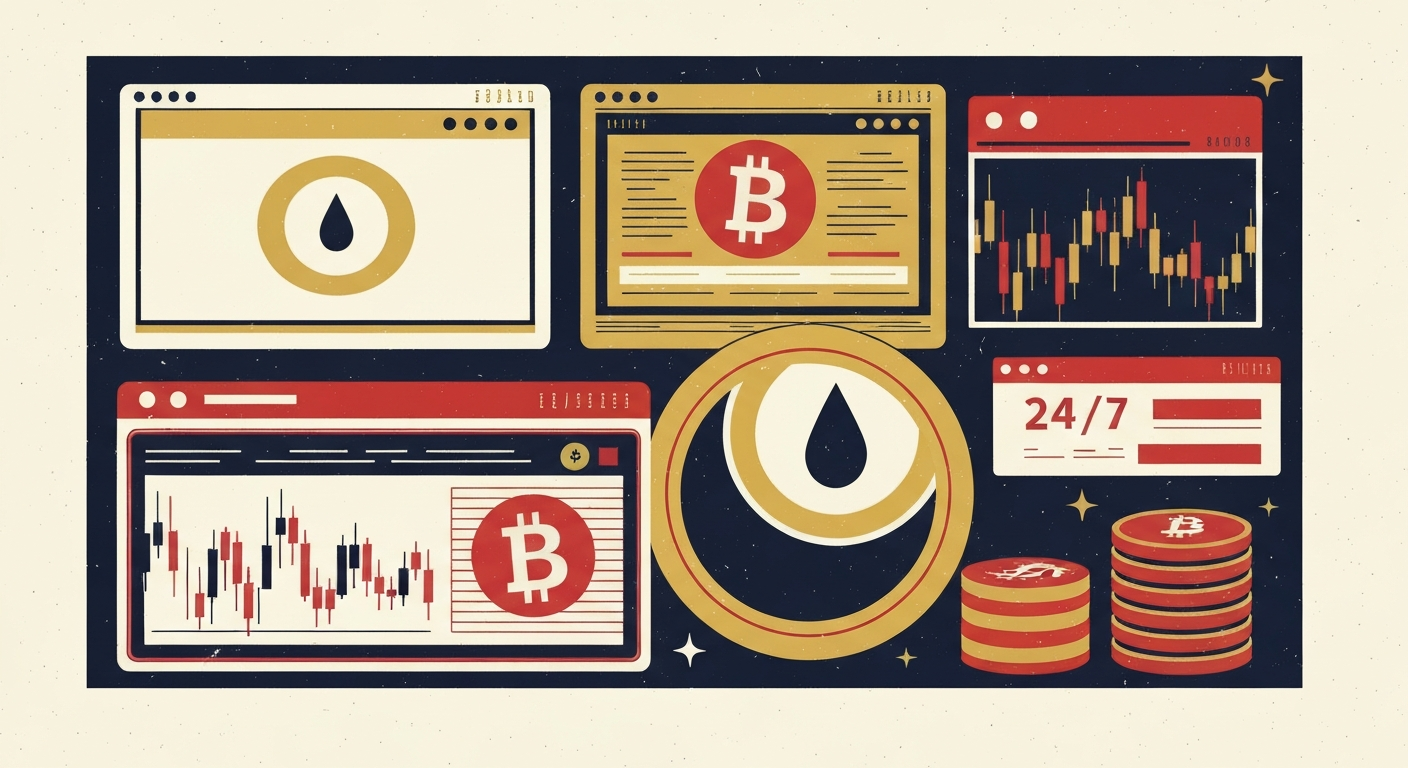
If the stock market opens 24/7, significant changes will occur in the investment patterns and asset management methods of ordinary individual investors like us. It will become possible to adjust portfolios overnight in immediate response to economic indicators or corporate earnings released in real-time from the U.S. New York Stock Exchange. A hybrid investment approach, focusing on the domestic stock market during the day and trading overseas tokenized stocks at night, may become the mainstream. However, the risk of losing valuable assets due to impulsive, emotion-driven trading during high-volatility late-night hours also increases accordingly.
Since shareholder rights such as voting rights and dividend benefits may be limited in token form, it is necessary to carefully examine the product structure before investing. Indiscriminate 24/7 trading can lead to sleep deprivation and stress, interfering with daily life, so a thorough fund management plan is essential. Accurately recognizing the risks hidden behind the convenience of the new system and approaching it with a cool-headed attitude is the key to successful investing.
Individual investors gain investment opportunities without time constraints but must develop risk management skills to handle late-night volatility and emotional trading.
6. Future Financial Market Outlook and Our Response Strategy
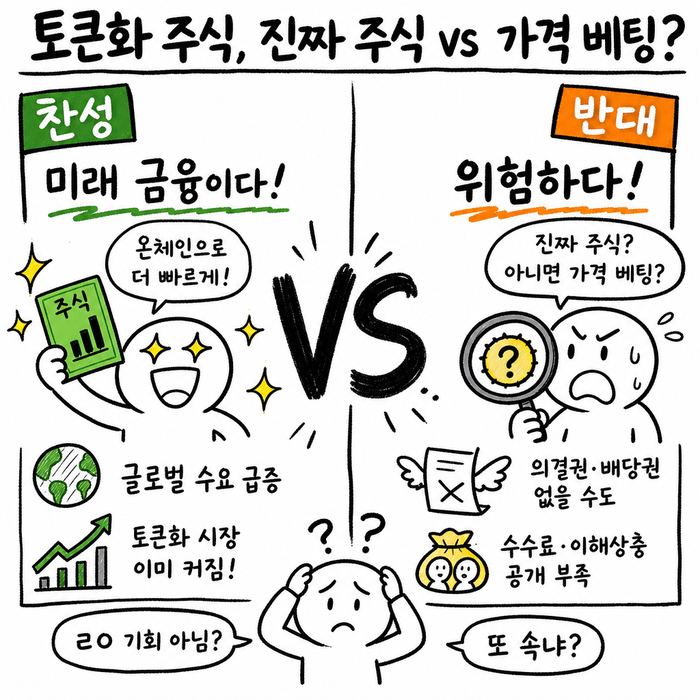
The SEC’s five-year innovation exemption experiment will be a historic turning point that completely changes the landscape of global capital markets. If the combination of blockchain technology and traditional finance takes root successfully, 24/7 stock trading will become a global standard rather than a special event. Of course, minor and major pains, such as friction with regulatory bodies in various countries or unexpected financial accidents, are inevitable in this process. Nevertheless, the massive trend of the era—digital assetization and breaking down the walls of trading hours—has already become an unstoppable mainstream.
Investors must keep pace with the speed of change by continuously learning about related technologies and market trends and developing the ability to respond flexibly. To survive this massive wave, one must avoid blind follow-trading and establish one’s own safe investment principles based on thorough analysis. Let us begin preparing step by step now so that the coming era of 24/7 tokenized stocks becomes a new arena of opportunity rather than a crisis.
The allowance of tokenized stocks is an unstoppable massive trend in the financial market, and investors must seize new opportunities based on thorough analysis and principles.
Frequently Asked Questions
=