Recent research has clearly proven that the advice to buy a house in Seoul with money intended for stocks was not just a casual remark. In fact, the after-tax average annual return for those who purchased apartments in Seoul using bank loans over the past 20 years reached a staggering 11.6 percent. This is a massive gap, exactly double the return achieved by those who lived in jeonse (long-term lease) and quietly invested their surplus funds in the stock market or public funds. It also serves as evidence that, despite stories of people hitting the jackpot in stocks, real estate has remained a formidable barrier to surpassing in terms of actual asset growth. We need to carefully examine the inner workings of why such an extreme difference in returns occurred. We will look at how the invisible hand of taxes has dictated our wallets, going beyond the simple reason that house prices rose. Based on the joint research results from the Korea Capital Market Institute and the Institute for Taxation and Fiscal Studies, we will thoroughly dissect the performance of these two assets over the past 20 years.
=
You Should Have Bought a House in Seoul with Your Stock Money: The Shocking Secret Behind 20-Year Returns
1. The 20-Year Return Gap Between Seoul Real Estate and Stocks
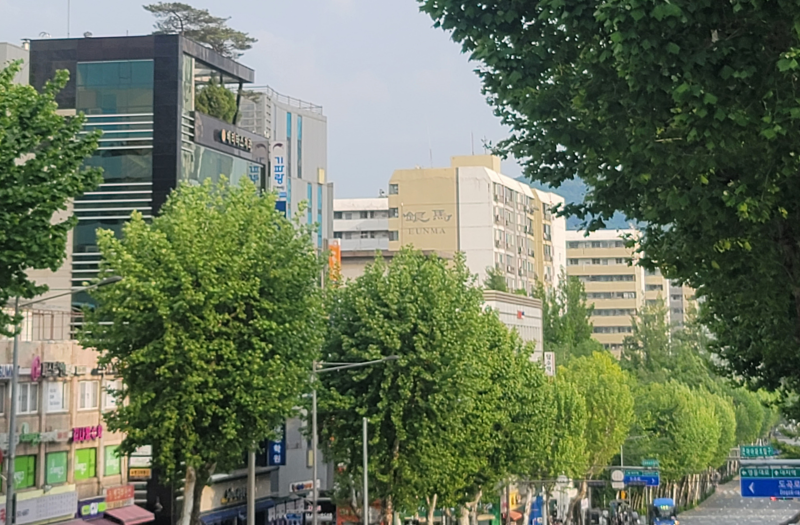
Over the past 20 years, the bank accounts of those who bought homes in Seoul and those who invested in the stock market have taken completely different paths. According to the research team’s analysis, the after-tax average annual return for those who consistently held Seoul real estate using mortgage loans was 11.6 percent. In contrast, the return for those who chose jeonse residency and invested their surplus lump sum in the domestic securities market was only 6 percent. Those who managed their assets through public funds also had to settle for a somewhat disappointing score of 5.7 percent. These figures are even more shocking because they are based on actual returns after all taxes have been deducted, not just the appreciation relative to the principal. Even if you frequently hear stories from acquaintances about achieving high returns through diligent stock study, real estate has achieved a decisive victory when viewed through the lens of overall macroeconomic indicators. Mr. Kim, an office worker, once sighed deeply, saying he should have entered an apartment lottery instead of turning to stocks. Thus, for the past two generations, Seoul apartments have reigned as the most certain and powerful means of asset growth in South Korea.
Over the past 20 years, the after-tax return on Seoul real estate was about twice as high as that of stocks or public funds.
2. The Trap of a Tax Structure Disadvantageous to Domestic Stock Investment

Behind the overwhelming performance of Seoul real estate lies a unique and disadvantageous structural issue in our country’s financial tax system. The Korean stock market is intricately tangled with various regulatory mechanisms that hold investors back, such as comprehensive taxation on financial income and capital gains tax for major shareholders. Even if you work hard to generate returns in stocks, the amount of money you actually end up with is far less than expected after hitting a tax bomb. In contrast, real estate has had relatively well-established defenses, such as benefits arising from long-term ownership and special deductions for long-term holding. In the United States, an environment is well-established where long-term investors can fully enjoy tax benefits based on high dividend yields and low volatility. However, the domestic stock market focuses only on short-term trading profits and lacks attractive incentives for long-term investors. Experts unanimously agree that this tax difference is the most decisive culprit behind the widening return gap between the two assets. Consequently, as the perception spreads that there is little to gain from stocks after taxes, funds have continued to flow exclusively into real estate.
Complex taxes, such as comprehensive taxation on financial income and capital gains tax for major shareholders, have significantly reduced the appeal of domestic stocks.
3. The Limitations of the Korean Stock Market Revealed by Comparison with the US Market

Comparing the domestic stock market with advanced overseas financial markets makes it easy to understand why many investors are turning their eyes away from Korea and toward abroad. The US stock market has established a virtuous cycle where high-quality companies actively implement shareholder return policies and provide generous dividends. Furthermore, because tax benefits for long-term holding are clear, investors naturally keep their funds invested for a long time to enjoy the effect of compound interest. On the other hand, the Korean stock market is characterized by high stock price volatility and a tax system that suppresses rather than encourages long-term holding by investors. If you receive many dividends, you may be subject to comprehensive income tax and hit with a tax bomb, making it a difficult environment for companies to actively increase dividends. These institutional limitations have acted as the main factor causing not only foreign investors but also domestic individual investors to turn their backs on Korean stocks. This is why it is easy to find people who have completed their retirement preparations with US stocks, but rare to find those who became wealthy solely with domestic stocks. Unless the system is improved, the Korean stock market will always be trapped in a box range and struggle to escape its subordinate position to real estate.
Unlike the US, the Korean stock market lacks sufficient shareholder returns and tax benefits that encourage long-term investment.
4. Directions for Financial Tax Reform Proposed by Experts
Professional research teams, including the Korea Capital Market Institute and the Institute for Taxation and Fiscal Studies, are unanimously calling for bold tax reform to resolve these issues. First, extraordinary tax incentives must be provided so that the massive funds released from real estate sales can naturally flow back into the capital market. Additionally, advanced taxation systems, such as loss carryforward deductions that allow losses incurred in the stock market to be deducted in the following year, must be introduced promptly. The scope of separate taxation for dividend income should be significantly expanded, and a linked system that reduces the tax burden the longer stocks are held should be considered. Mr. Park pointed out that the government must definitely change the tax system, not just say it supports long-term stock investment, for trust to be built. To redirect the massive flow of funds concentrated solely in real estate to a productive financial market, such effective policies must be backed up. Only if tax reform is successfully implemented can stocks be reborn as an attractive investment vehicle that stands shoulder to shoulder with real estate.
To encourage the inflow of real estate funds into the stock market, the introduction of loss carryforward deductions and the expansion of separate taxation for dividend income are necessary.
5. Individual Investors Lost Between Real Estate and Stocks

For ordinary office workers living in South Korea, asset management always feels like a daunting and exhausting task, similar to climbing a giant mountain. Since it is difficult to buy a home in Seoul on a salary alone, the structure forces them to turn their eyes to risky assets like stocks or crypto. However, even when they turn to stocks, they feel a sense of deprivation, blocked by taxes and institutional barriers, ultimately unable to keep up with real estate, as shown by this research. A sense of anxiety dominates society that if they do not buy a house even by leveraging all their assets, they will completely fall off the ladder of wealth. In fact, Mr. Park, a 30-something office worker, said he sighs every time he opens his stock account, regretting that he should have broken his savings account back then to buy a house. The government’s wavering real estate policies and the tangled financial tax system are hindering individual investors from making rational choices. It is questionable whether the reality of being anxious about hitting a tax bomb no matter where one invests is a normal state for a capital market. It is a time when a fair playing field is urgently needed where ordinary people can work honestly, invest rationally, and grow their assets.
Amid complex regulations and taxes, ordinary investors are experiencing great confusion between buying a home and growing their assets.
6. Future Asset Market Outlook and Our Approach
It is closely watched what trends the future real estate and stock markets will follow and how they will reshape the landscape of South Korean assets. Although the government has drawn the sword for capital market activation and tax reform, it will not be easy to break the long-standing myth of real estate invincibility all at once. Nevertheless, warnings are emerging that unconditional faith in real estate can be dangerous, considering the impact of rapid demographic changes and interest rate hikes. Investors must now move away from extreme portfolios skewed to one side and cultivate a balanced perspective. Experts advise closely monitoring the passage of tax reform bills in the National Assembly and the government’s policy direction, and diversifying assets from a long-term perspective. To avoid repeating the regret of “I should have bought a house in Seoul with my stock money,” the wisdom to quickly adapt to rapidly changing institutional shifts is needed. Now is the time to calmly check my asset portfolio and establish my own strategy to maximize after-tax returns. A wise investor does not get swayed by others’ words but prepares for the future unwaveringly based on thorough data and tax calculations.
We must watch the progress of tax reform and establish a long-term asset allocation strategy with a balanced perspective.
Frequently Asked Questions
=